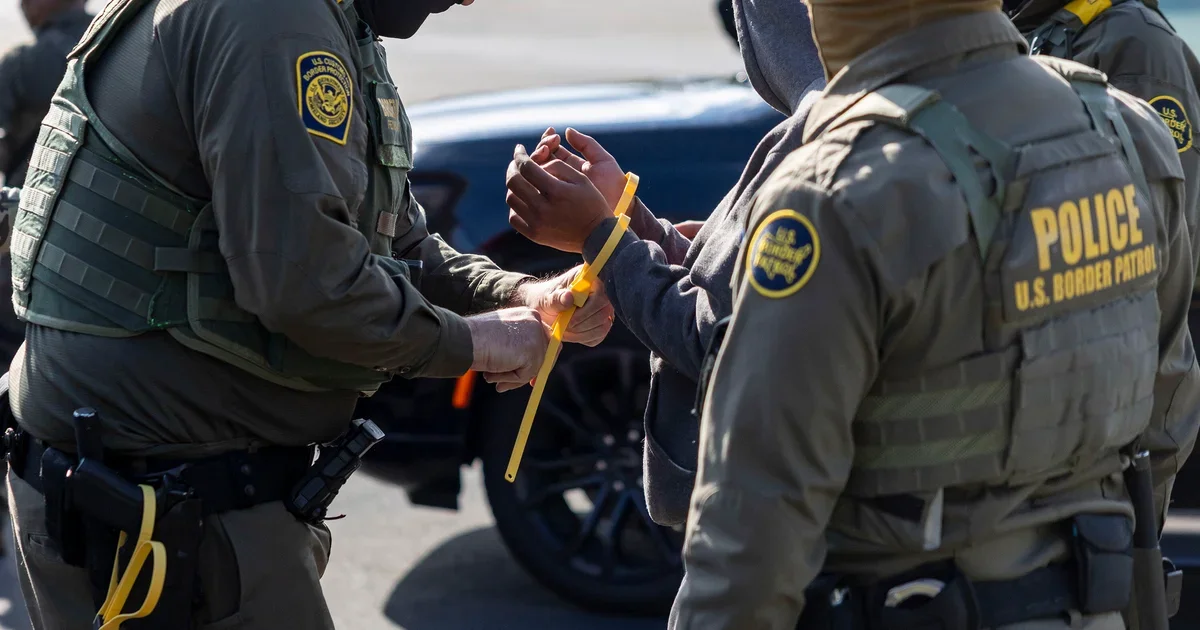
New data reveals that during recent federal immigration enforcement in major U.S. cities, most detained individuals had no criminal records, with a significant increase in civil immigration violations being detained compared to those with criminal histories.
The suspects involved in the fatal shooting of 31-year-old NYPD Officer Jonathan Diller during a Queens traffic stop have been identified as 34-year-old Guy Rivera and 41-year-old Lindy Jones, both with extensive criminal records. Rivera, the suspected shooter, has at least four prior arrests, while Jones has at least 12 prior arrests, including one for a loaded firearm in April 2023. Diller was shot and killed during the traffic stop, marking the first on-duty death of an NYPD officer since early 2022.
New York Governor Kathy Hochul has signed the "Clean Slate Act," which seals the criminal records of certain offenders when applying for jobs and housing. The legislation seals eligible misdemeanor records after three years and certain felony records after eight years, as long as the offender does not commit another crime during that time. The law excludes class A felonies for drug possession and crimes like murder and terrorism. Law enforcement and courts will still have access to the records, and the legislation will take effect one year from the bill signing. Some critics argue that the act undermines law and order and removes individual accountability, while supporters believe it will provide economic opportunities and combat poverty.
Airbnb users with criminal records are speaking out against the company's background check policy, which has resulted in account suspensions and bans. Airbnb uses Inflection Risk Solutions to conduct background checks on guests, but users argue that the checks are unfair and fail to consider mitigating factors. Some users, including a councilwoman and an assistant professor, have had their bans lifted after public outcry, but others are still fighting for reinstatement. Airbnb acknowledges that background checks are not perfect and offers an appeals process, but users are calling for a more personalized and nuanced approach.
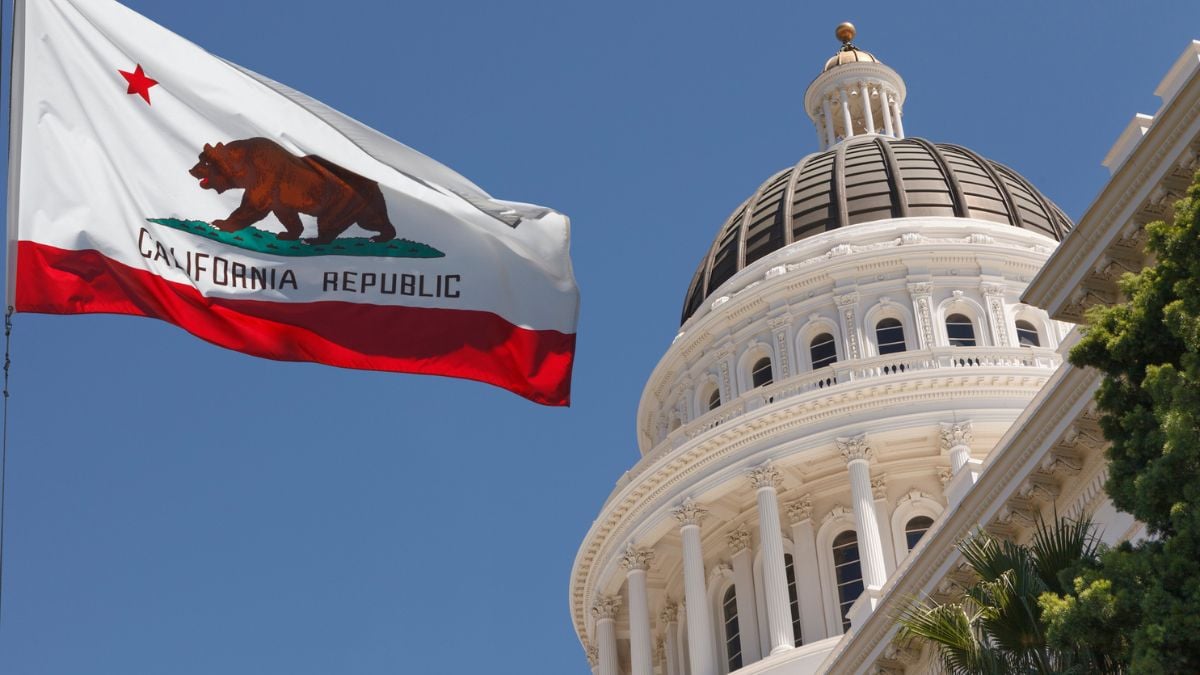
Several new laws are taking effect in California, including the Firearm Industry Responsibility Act allowing victims of gun violence to sue manufacturers and gun shop owners, a new law making it easier for victims of domestic violence to obtain restraining orders electronically, humane farming standards on pork products, the ability for felons to petition to have their criminal records expunged, and an increase in the state gas tax by four cents.
Several new laws will go into effect in California starting July 1. These include recognizing Juneteenth as an official state holiday, allowing the permanent sealing of most prior convictions on an individual's criminal record, establishing standards of conduct in the firearm industry, streamlining the construction of affordable housing, mandating licensing for bounty hunters, and protecting teachers from repaying overpayments. Additionally, contractors without worker's compensation insurance may risk losing their license.
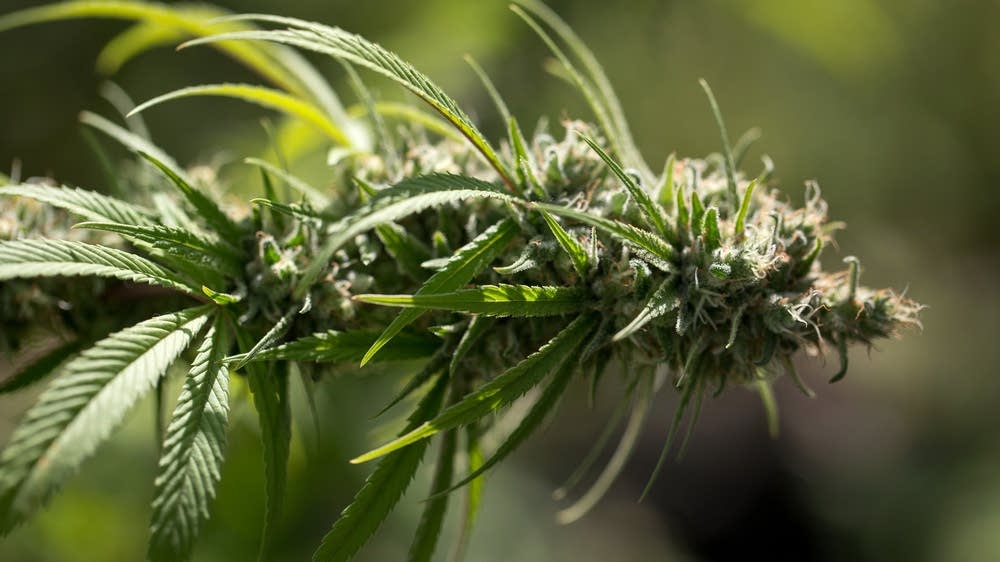
Lawmakers in Minnesota are finalizing a marijuana legalization bill that could be voted on later this week. The bill includes a possession limit of two pounds of flowered cannabis for adults 21 and up, a tax rate of 10%, and a process to revisit criminal records for past marijuana offenses. While penalties for possession will be lowered or removed altogether this summer, the set-up of a regulated sales structure, license applications, and the opening of dispensaries could take a year or more. The bill also grants city and county officials the power to cap the number of retail cannabis establishments.
The Texas House of Representatives has given initial approval to a bill to decriminalize marijuana in the state, which would remove the risk of arrest or jail time for low-level possession of cannabis and allow people to eventually erase cannabis issues from their criminal records. The bill would make possession of up to one ounce of marijuana a Class C misdemeanor, removing the risk of jail time and instead imposing a maximum fine of $500. The House has already passed similar cannabis decriminalization proposals during the past two legislative sessions, but so far the proposals have consistently stalled in the Senate amid opposition from Lt. Gov. Dan Patrick.
Michigan's "clean slate" law automatically erased old convictions for over a million people with non-violent criminal records, allowing them to have a fresh start without the stigma of past convictions. The law, which took effect on April 11, 2022, is part of a broader legal reform effort aimed at reducing barriers to employment and housing for people with criminal records.
The Michigan State Police has launched an automatic expungement program that will search the state's Criminal History Record database system daily for eligible convictions to automatically expunge. Over 1 million residents are expected to receive automatic expungements on the first day of the program's rollout, and 400,000 residents are expected to end the day completely conviction-free. The program is in accordance with the clean slate legislation enacted in 2020 and will automatically expunge qualifying, eligible convictions using information from the criminal historical record database to determine when the proper waiting period for each conviction has elapsed.