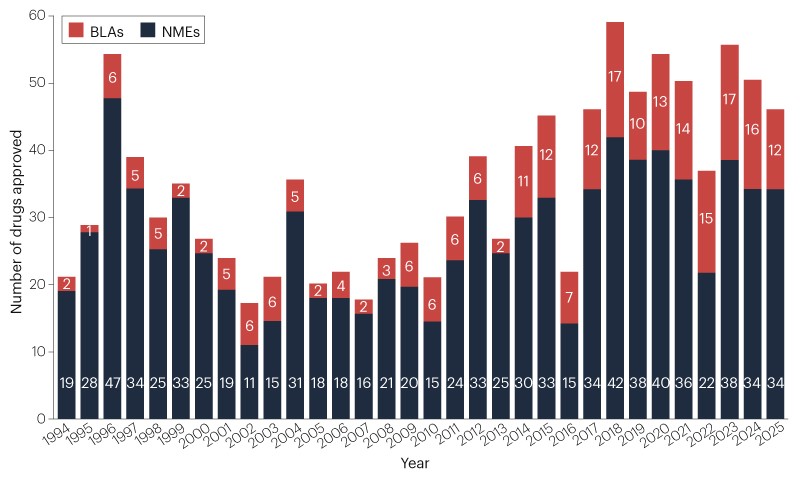
In 2025, the FDA approved 46 new therapeutic agents, including a diverse range of modalities such as biologics, kinase inhibitors, and gene therapies, with cancer remaining the most common therapeutic area. The year was marked by policy changes, staffing challenges, and the launch of new approval pathways, reflecting a tumultuous but innovative period for drug development.
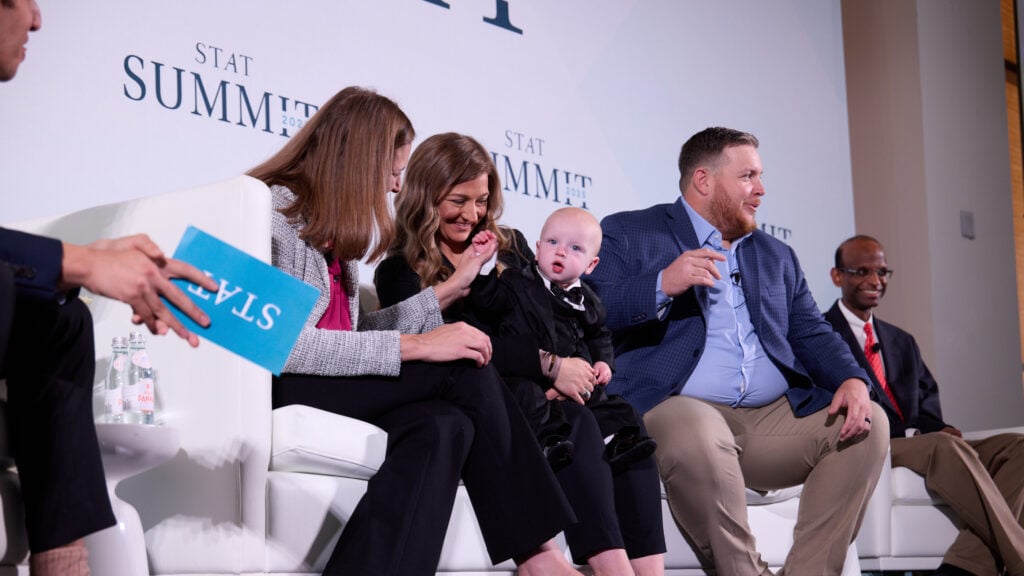
Despite political challenges, 2025 saw significant medical advances including a groundbreaking gene edit for a baby, approval of 44 new drugs, progress in cancer treatments, improved vaccines, and innovative biotech research, highlighting biology's pivotal role in this century of medicine.
At the 2025 European Society of Cardiology conference, groundbreaking research was presented including a new blood pressure drug baxdrostat, AI-powered diagnostic tools, dietary recommendations like potassium intake, genetic testing for children, and vaccines that may reduce cardiovascular risks, marking a significant advancement in heart disease prevention and treatment.
Alzheimer's Research UK warns that the NHS is unprepared for the potential rollout of new drugs lecanemab and donanemab, which have shown promise in slowing down the early stages of the disease. The drugs, which target the underlying causes of Alzheimer's, require early diagnosis and specialized scans for effectiveness. While the UK medicines regulator is expected to approve the drugs, concerns over side effects and cost-effectiveness remain. The NHS faces challenges in preparing for the potential delivery of these treatments, as current diagnosis methods are limited, and the drugs would only be suitable for patients in the early stages of the disease.
Bristol Myers Squibb reported fourth-quarter earnings and revenue that exceeded expectations, driven by strong sales growth of new drugs such as Reblozyl and Opdualag. The company's revenue increased by 1% to $11.48 billion, with higher sales of Eliquis and Opdivo contributing to the growth. While its profit shrank from the prior year, Bristol Myers issued a positive full-year 2024 forecast, expecting higher than anticipated earnings and low single-digit revenue growth. The company's blockbuster drug Revlimid saw a decline in sales, but overall, the performance of new and existing drugs helped offset this decrease.
Medicare now routinely pays for amyloid-PET scans to help diagnose early-stage Alzheimer's and determine eligibility for new drugs, but experts question the reliability of these scans in accurately identifying the disease and measuring drug benefits. The costs of the scans and new drugs raise concerns about spending on unreliable testing and potentially ineffective treatments. Alternative diagnostic methods are being explored, but challenges remain in accurately diagnosing Alzheimer's. The use of amyloid-PET scans as a proxy for Alzheimer's and the modest benefits of new drugs raise further questions about their effectiveness.
The diet industry is struggling to cope with the popularity of new drugs like Ozempic, which has helped people lose weight without feeling hungry. People who have tried various weight-loss programs and diets are finding success with Ozempic, leading to questions about the future of the diet industry.