Scientists have identified distinct brain connectivity patterns in 6-week-old infants at high risk for autism, offering insights into early neurological development and supporting the potential for early interventions. The study found that infants with a higher likelihood of developing autism showed stronger connections between the Salience Network and sensory processing regions, which predicted their behavior at 12 months. This research supports the theory that sensory processing differences may precede social and communication symptoms in autism.
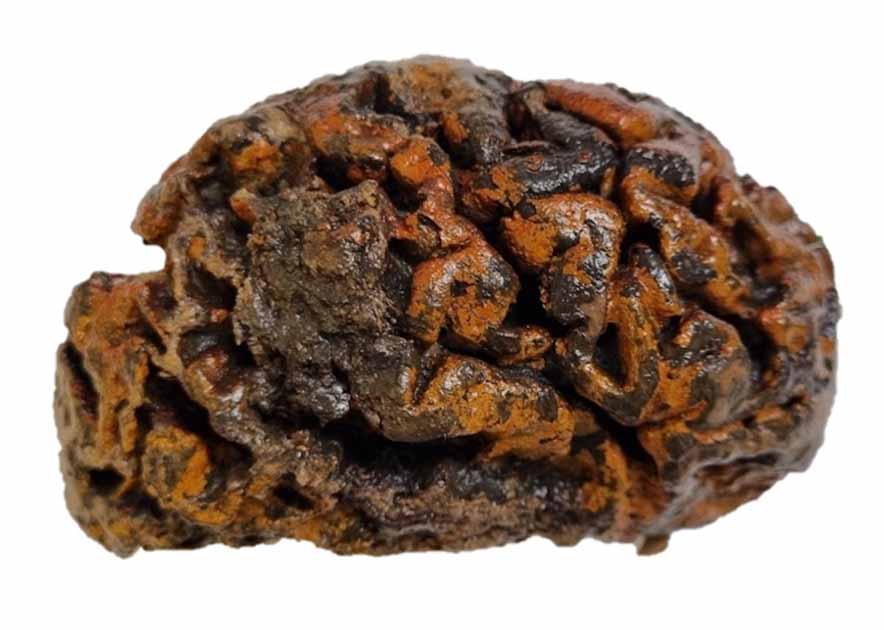
A recent study led by forensic anthropologist Alexandra Morton-Hayward and her team from the University of Oxford has revealed that human brains can survive for millennia, challenging previous assumptions about their rapid decay after death. The research uncovered over 4,400 preserved human brains dating back nearly 12,000 years, offering new insights into brain preservation and the potential for studying ancient diseases, cognition, and behavior. This groundbreaking discovery opens new paths for scientific exploration and could revolutionize our understanding of neurological development and disorders, providing a unique window into the health and lifestyle of our ancestors.