Nasal Sprays as a Potential Shield Against COVID-19
Some nasal sprays may help protect against COVID-19 by blocking bacteria and viruses from reaching the nasal lining, potentially preventing infection.

All articles tagged with #nasal sprays
Some nasal sprays may help protect against COVID-19 by blocking bacteria and viruses from reaching the nasal lining, potentially preventing infection.
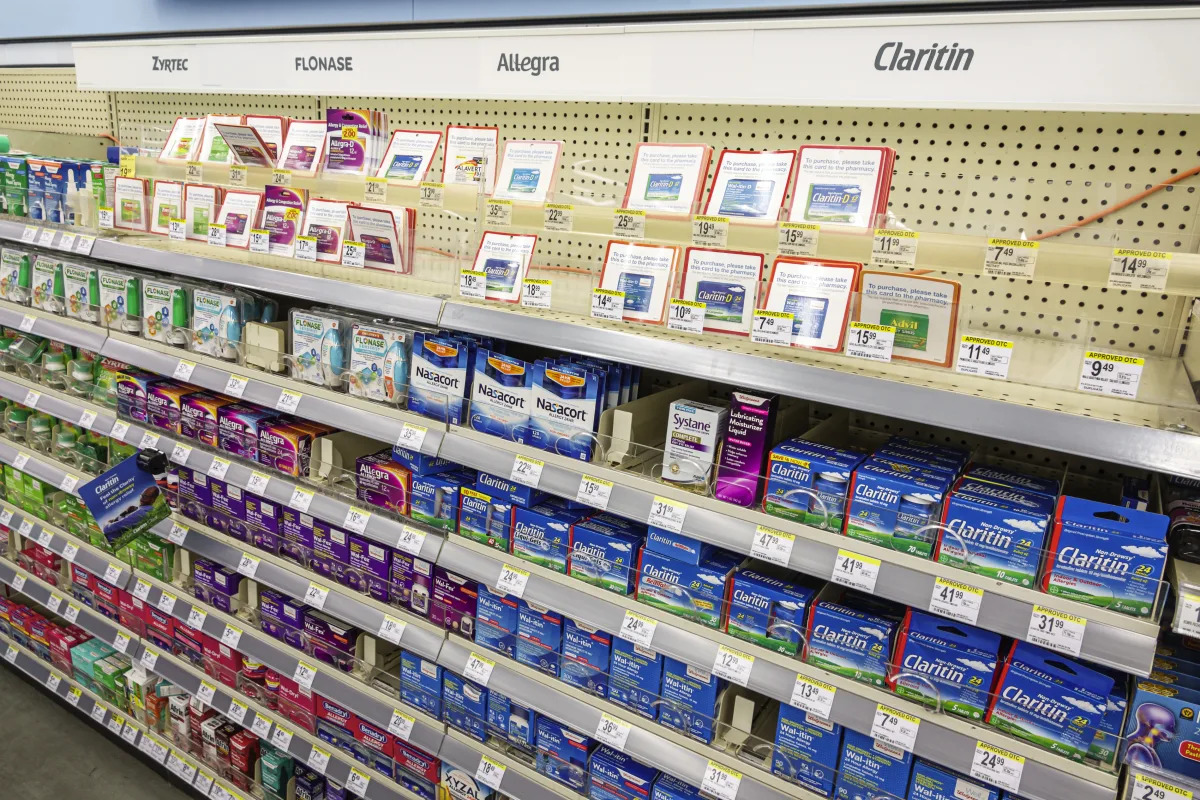
As tree pollen counts peak in the US, it's important to prepare for and treat spring allergy symptoms. Home measures like monitoring pollen levels and using saline sprays can help, while medications like nasal corticosteroid sprays and antihistamines provide relief. Decongestants should be used cautiously due to potential side effects, and immunotherapy may be recommended for severe symptoms. Consulting a board-certified allergist is advised for personalized treatment options.

Amid a surge in flu and cold cases, experts reveal that decongestant Sudafed with phenylephrine is ineffective, while products with pseudoephedrine may help. Tylenol and Ibuprofen are recommended for fevers and muscle aches, while nasal sprays and saline rinses are effective for congestion relief. Honey is suggested for soothing a sore throat, but vitamin C and garlic are deemed ineffective for treating cold symptoms.
Nasal sprays containing iota-carrageenan or nitric oxide are being touted as potential tools for COVID prevention, with some studies showing promising results. However, these sprays are not approved by the FDA and lack sufficient clinical trial data to support their effectiveness. While some countries have approved certain nasal sprays, the slow pace of clinical trials and regulatory processes in the US has hindered their availability. Researchers are exploring innovative nasal treatments, such as sprays with ACE2 receptor-like filaments and molecules that inhibit viral binding, but more research is needed. Until then, wearing masks remains a crucial preventive measure.
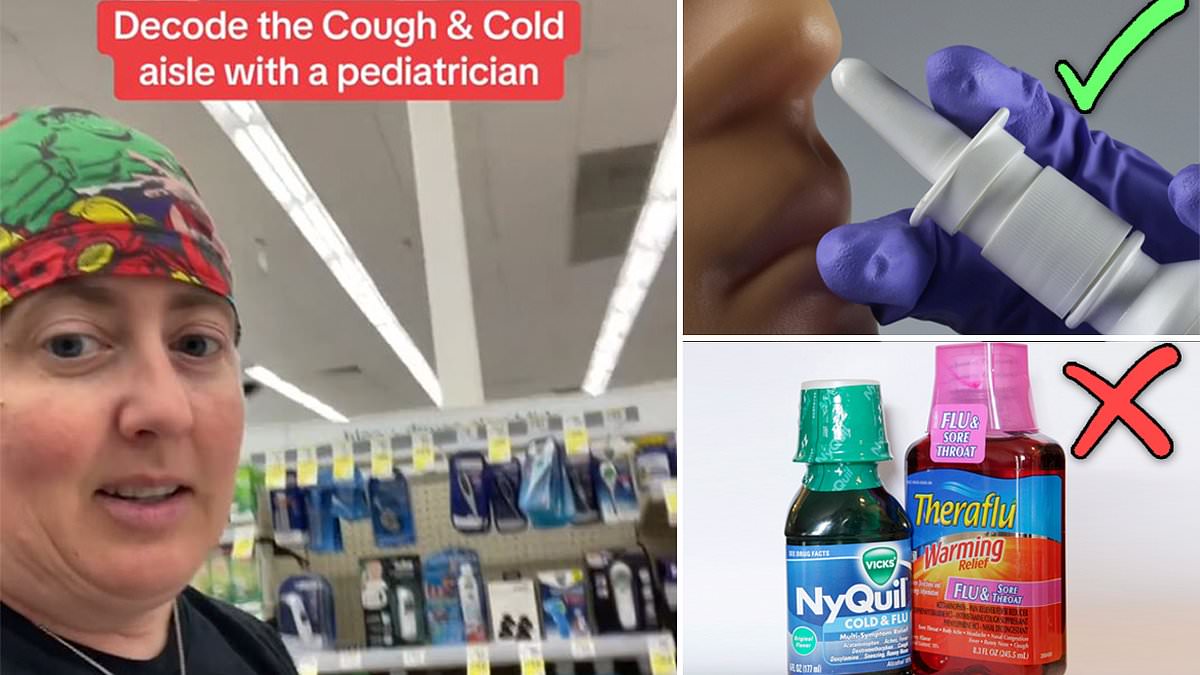
Dr. Meghan Martin, a pediatric emergency medicine doctor, warns against using multi-symptom medications like DayQuil and Mucinex due to potential side effects such as severe drowsiness and blurred vision. She advises against suppressing coughs and recommends using saline sprays to clear mucus instead. Dr. Martin also suggests using acetaminophen and ibuprofen for fever reduction, honey for cough relief in children over 12 months, and electrolyte solutions to keep kids hydrated. She advises against expensive thermometers and recommends using a normal digital thermometer instead.

Nasal sprays are not just for allergies anymore. They are already being used to treat migraines, depression, opioid overdose, and deliver flu vaccines. In the future, nasal sprays could be used for treating rapid heartbeats, COVID, severe allergic reactions, and delivering vaccines. Nasal sprays have advantages such as easy application and faster absorption into the bloodstream. However, there are challenges like nosebleeds and difficulty penetrating thick mucus. While nasal sprays show potential for antiviral use, more research is needed before they become a reliable option for vaccines.

Experts weigh in on the use of mouthwash as a COVID-19 prevention strategy, stating that while some studies have shown a decrease in viral levels in the mouth, it is unclear how effective this method is in real-world situations. Most transmission occurs through exhaled breath, so mouthwash does not eliminate the virus in the lungs. Instead, proven prevention strategies such as masking, hand-washing, and social distancing should be prioritized. Nasal sprays, particularly those with a nitric acid base, show more promise in reducing infection risk, but further research is needed.
The US Department of Health and Human Services (HHS) has awarded over $500 million in funding to advance the development of next-generation Covid-19 vaccines. Three initial vaccine candidates, including two intranasal sprays and one self-amplifying mRNA injection, have been selected for Phase 2b clinical trials. The intranasal sprays aim to target viruses at the site of infection, while the self-amplifying mRNA vaccine candidate expresses additional antigens for a broader and longer-lasting immune response. Additionally, HHS has awarded $100 million to incentivize the development of vaccine delivery patches. These investments are part of the $5 billion Project NextGen initiative to develop more durable Covid-19 vaccines and treatments.

Nasal sprays are being explored as a potential additional safeguard against Covid-19, offering a targeted defense at the site of viral entry. However, currently available over-the-counter nasal sprays claiming to protect against respiratory infections, including Covid-19, have not been approved by the FDA. Some sprays create a physical barrier over nasal cells, while others contain antimicrobial ingredients. Research on these sprays is limited and often sponsored by manufacturers, with small-scale studies yielding mixed results. Larger clinical trials are underway, but FDA approval is likely years away. More research is needed to determine the safety and effectiveness of these sprays.

Medical experts are sharing alternative options for allergy sufferers after the FDA declared oral forms of phenylephrine, a popular nasal decongestant found in over-the-counter medications, ineffective. Doctors recommend using corticosteroid nasal sprays like Flonase or oxymetazoline nasal sprays like Afrin and Zicam for temporary relief. Pseudoephedrine, found in Sudafed, is still a viable option for congestion relief but has more restrictions. Oral antihistamines like Zyrtec, Allegra, and Claritin are recommended to treat seasonal allergies. Steam, rest, and relaxation are also suggested to alleviate symptoms.

Perioral dermatitis, a skin condition that causes a rash of small red or flesh-colored bumps around the nose and mouth, can be related to the use of steroid nasal spray allergy medications. While steroid medications reduce inflammation by inhibiting the production of cytokines, they can also affect the surrounding skin on the nose, causing a flare of perioral dermatitis. Treating perioral dermatitis often requires a course of oral antibiotics, as well as avoiding triggers and sticking to a sensitive skin-friendly routine. It's important to talk to a doctor, allergist, or dermatologist before using nasal allergy steroid sprays, and to use them correctly to avoid skin side effects.

A constantly dripping nose is a common problem affecting around one person in ten, known medically as chronic rhinitis. It can be seasonal or felt all year round, and more often than not, it is caused by an allergy. However, in some cases, it can be chronic non-allergic rhinitis, which results from irritation of the nasal lining. There is no cure, but antihistamine sprays and nasal sprays can offer some relief. In another question, Dr Martin Scurr advises a reader with thrombocytopenia to go ahead with a hip replacement operation as it is a safe and effective way to relieve chronic pain and restore mobility.

DC-area allergists are warning people to start taking allergy medication early this year as spring allergies arrived sooner than usual. Grass allergies are expected to be particularly strong in the months of May, June, and July. Nasal sprays are generally more helpful than pills, and stacking medications in different categories is generally okay. Allergy shots are also an option to consider for those who need them. It's important to check the pollen forecast and prepare pollen defense accordingly.
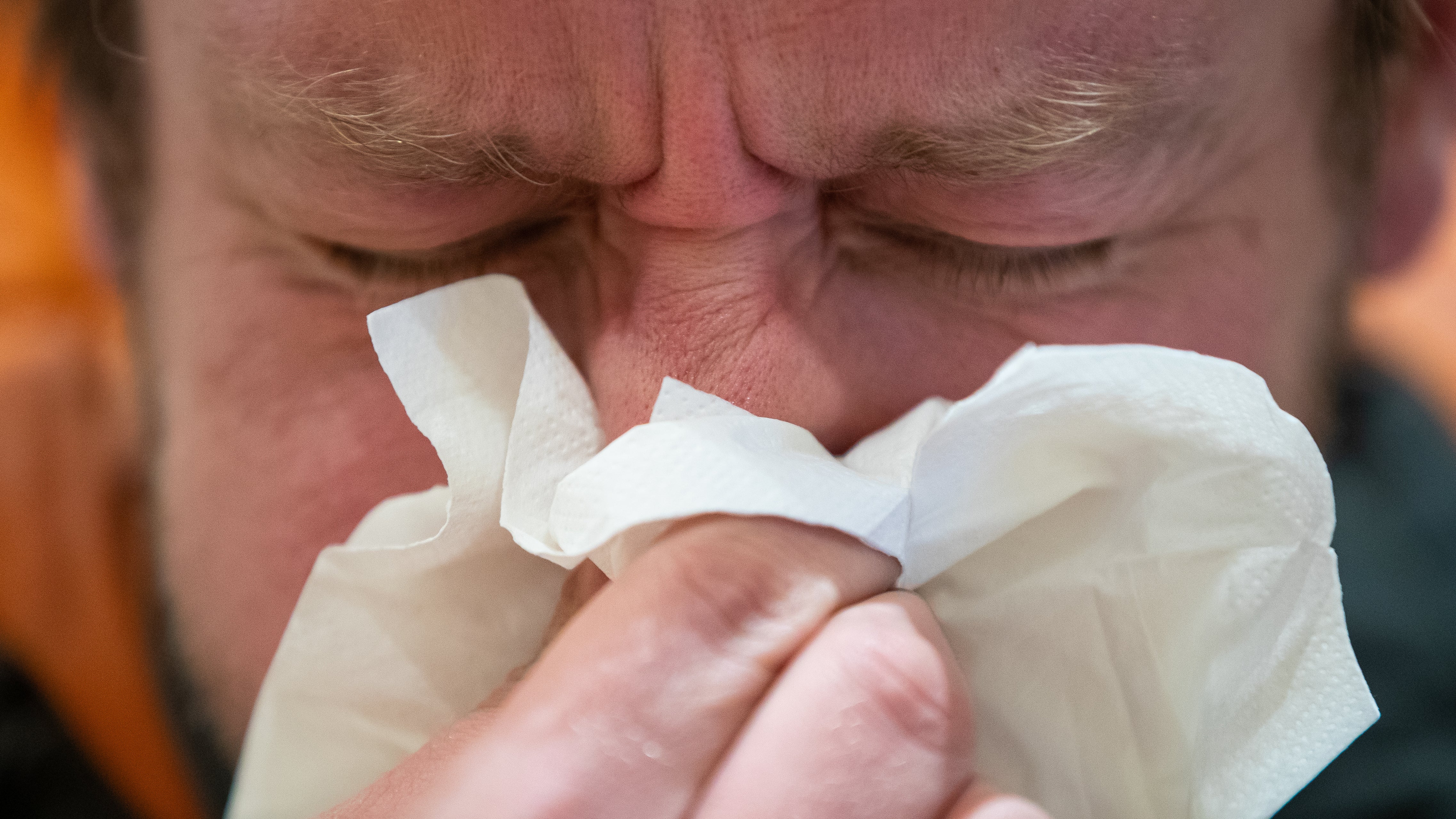
More than one in four adults in the U.S. suffer from seasonal allergies, with symptoms including sneezing, itchy eyes, and a runny nose. To find relief, limiting exposure to pollen and using over-the-counter or prescription allergy medications are common solutions. Antihistamines work best against irritating symptoms of hay fever, while decongestants help with stuffy noses. Steroid nasal sprays and saline rinses also bring congestion relief. It is important to consult a medical professional for advice on which options might work best and to follow package instructions on use.