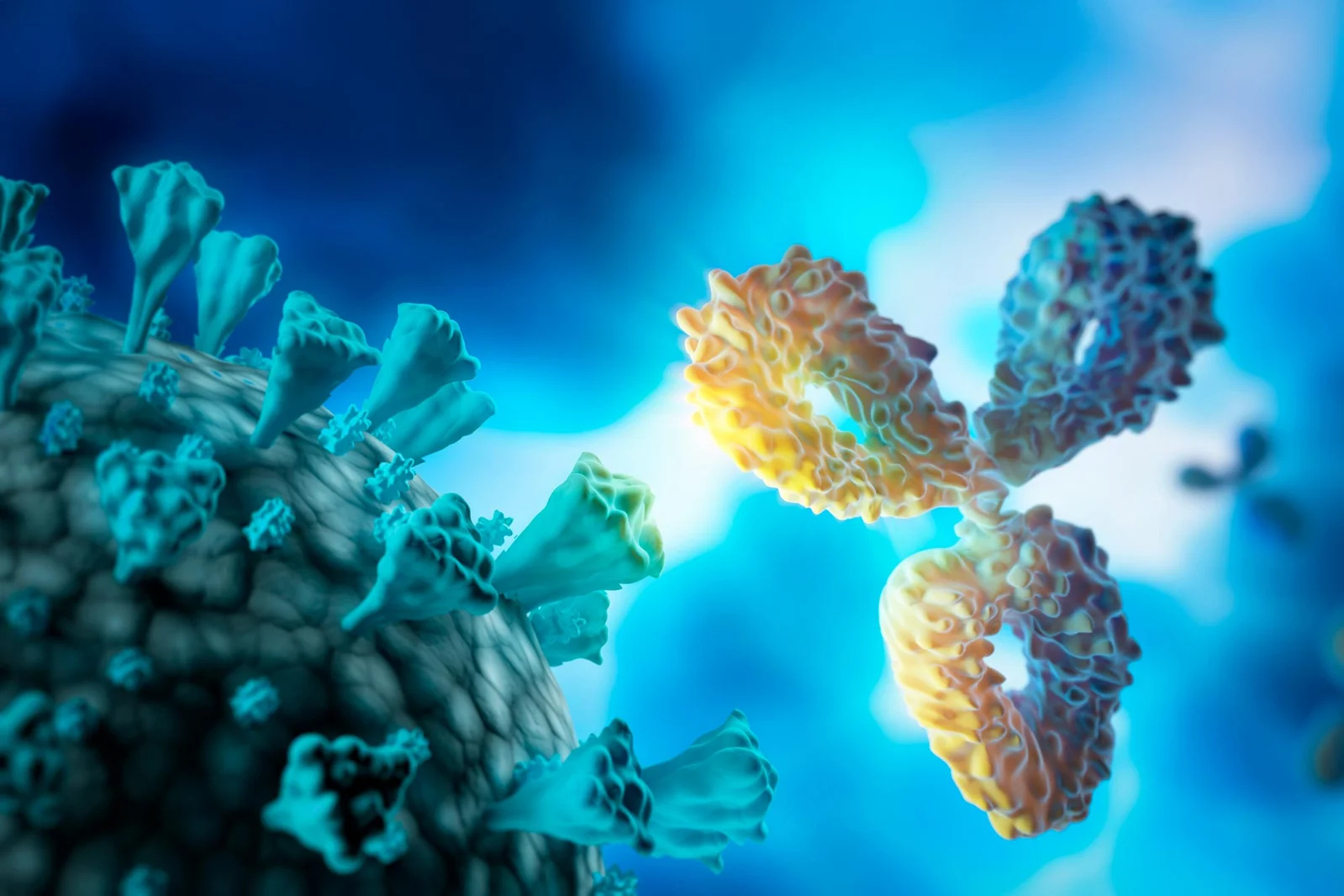
A new study suggests that nanobodies, small antibody-like proteins found in camelids like alpacas, could be developed into treatments for brain disorders such as Alzheimer's, offering potential advantages over traditional antibodies due to their size and ability to passively enter the brain, though further safety and efficacy testing is needed before clinical trials.
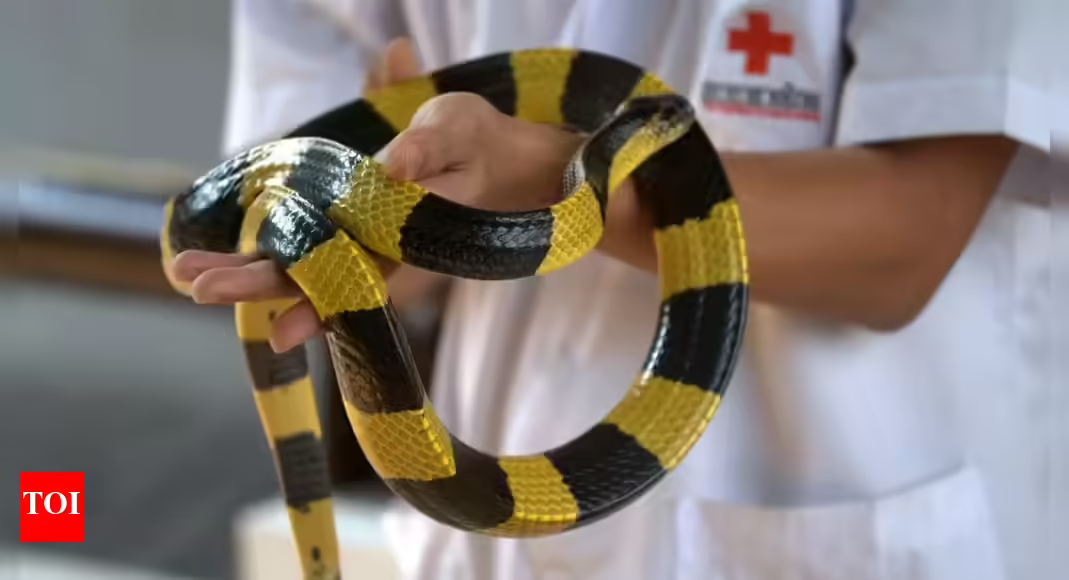
Scientists at DTU have developed a new broad-spectrum nanobody-based antivenom that could revolutionize snakebite treatment, especially in Africa, by targeting multiple snake species with a safer, more stable, and cost-effective solution, though human trials are still needed.
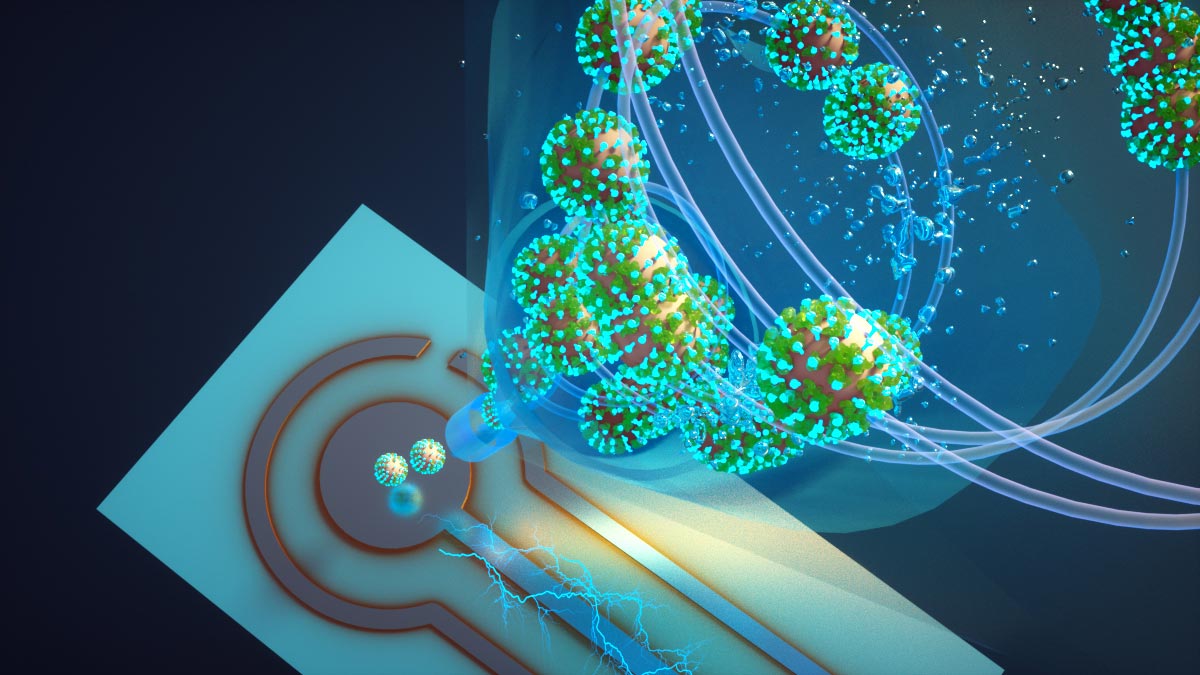
Researchers at Washington University in St. Louis have developed a proof-of-concept air quality monitor that can detect live SARS-CoV-2 virus in indoor environments in real-time. The monitor uses a biosensor made with nanobodies and operates based on wet cyclone technology. It can provide results within 5 minutes and has the potential to detect other respiratory viruses such as flu and RSV. The device could be used in hospitals, schools, and public places to enhance safety measures and monitor the presence of viruses in the air.
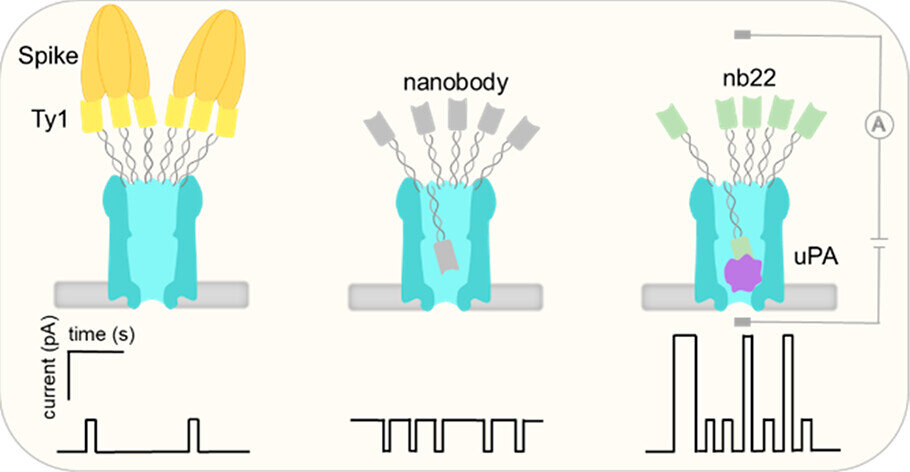
Researchers at Aarhus University and Groningen University have developed ClyA nanopores with nanobodies attached to them, which can detect specific proteins in complex biological fluids like blood without chemical labeling. The nanopores remained highly accurate and sensitive even when tested with complex samples like blood. This breakthrough could revolutionize medical diagnostics and lead to earlier interventions, improved treatment outcomes, and overall improved healthcare.