
Key Mutation in H5N1 May Increase Human Transmission Risk
TL;DR Summary
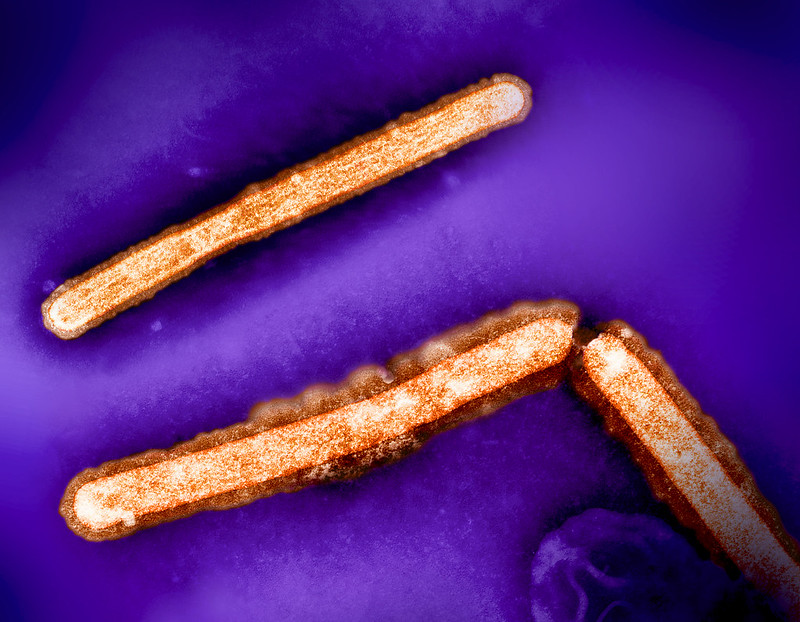
A NIH-funded study published in Science reveals that a single mutation in the hemagglutinin protein of the H5N1 avian influenza virus could potentially enhance its ability to infect humans by allowing it to bind to human-type cell receptors. While current strains are not easily transmissible among humans, the findings highlight the importance of ongoing surveillance and monitoring for genetic changes in the virus to prevent potential outbreaks. The research underscores the need for continued public health preparedness and outbreak control efforts.
Single mutation in H5N1 influenza surface protein could enable easier human infection National Institutes of HealthView Full Coverage on Google News
Reading Insights
Total Reads
0
Unique Readers
0
Time Saved
3 min
vs 4 min read
Condensed
88%
653 → 81 words
Want the full story? Read the original article
Read on National Institutes of Health