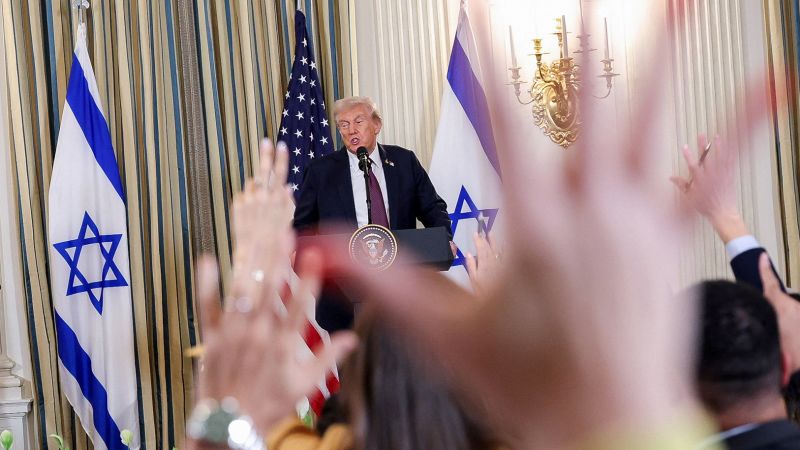
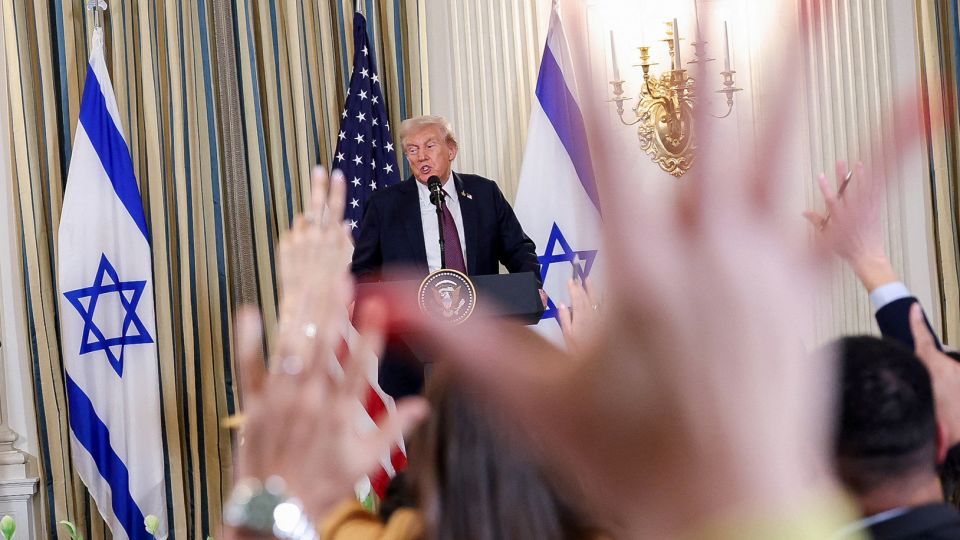
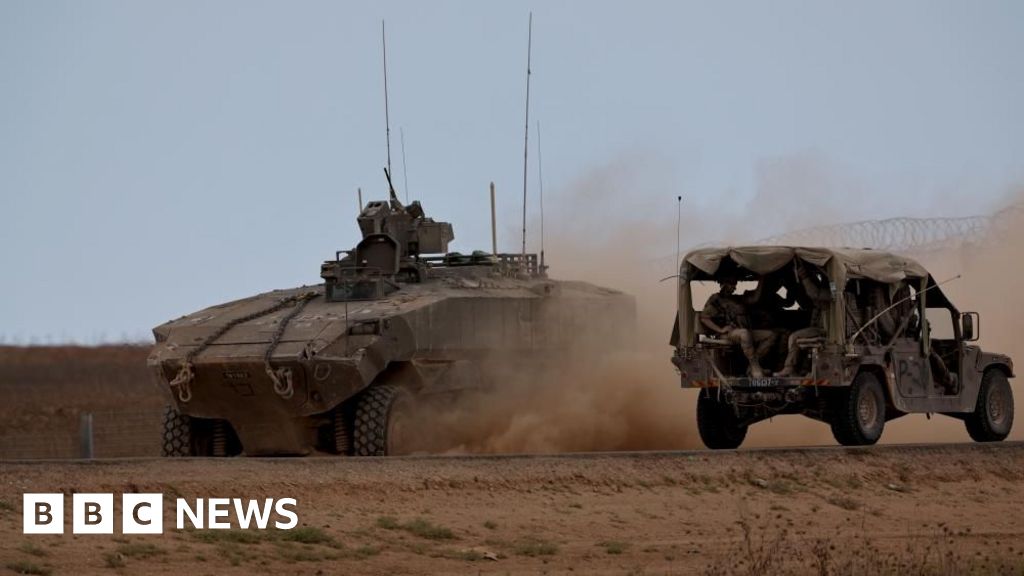
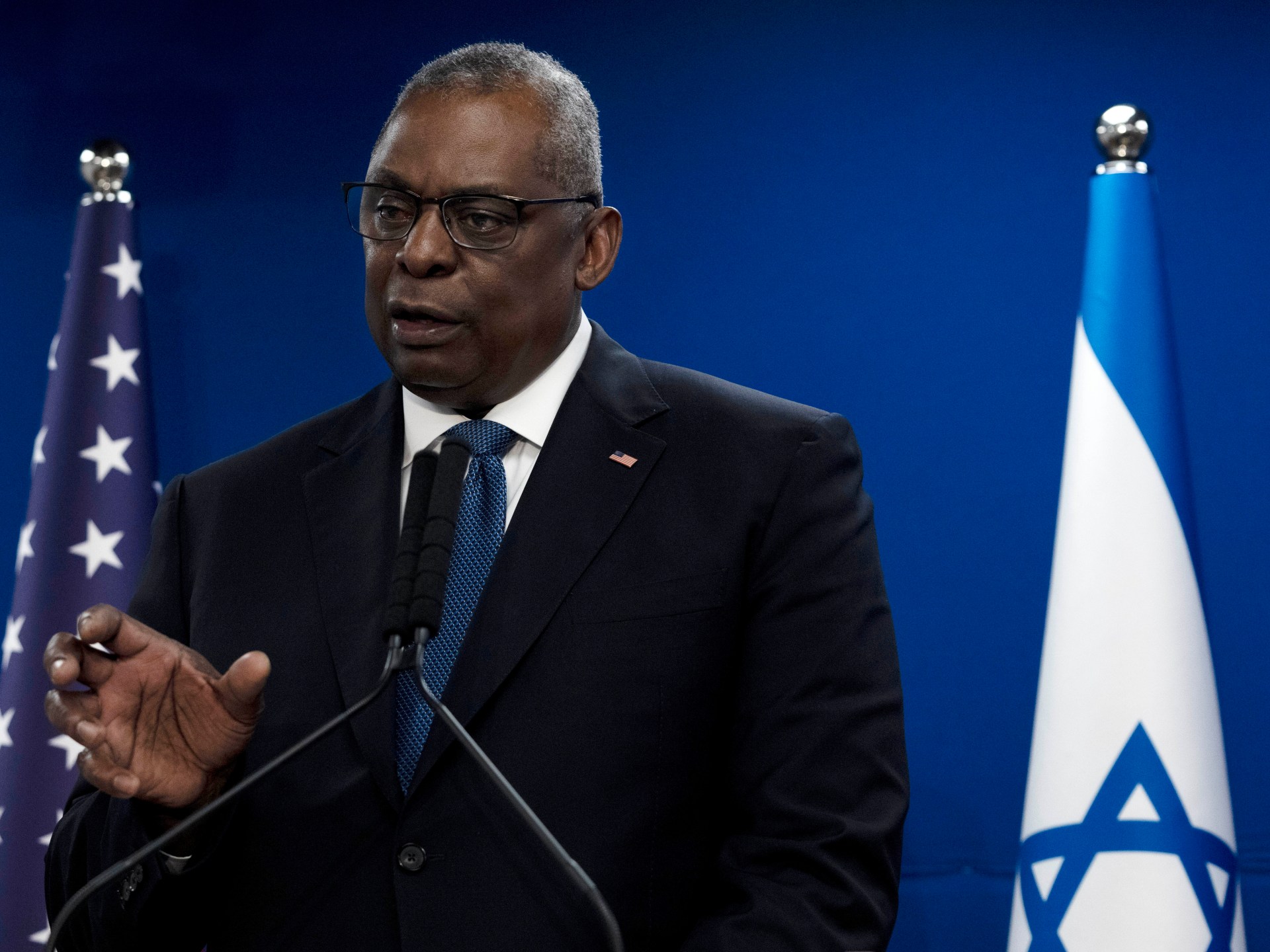
More than a month after Trump's Gaza ceasefire announcement, the plan to deploy a multinational stabilization force remains uncertain as potential participants seek clarity on mandate, size, leadership, and rules of engagement, with Israel expressing concerns over certain countries' involvement and the force's role.
More than a month after Trump's Gaza ceasefire announcement, the formation of a multinational stabilization force remains uncertain due to unresolved details, regional concerns, and the need for international mandates, with Israel and potential participating countries seeking clarity on the force's mandate, composition, and rules of engagement.
The US plans to deploy up to 200 troops to Israel to oversee a multinational taskforce aimed at monitoring the Gaza ceasefire, facilitating humanitarian aid, and coordinating efforts between Israel and Hamas, without entering Gaza itself, as part of ongoing efforts to stabilize the region following recent escalations.
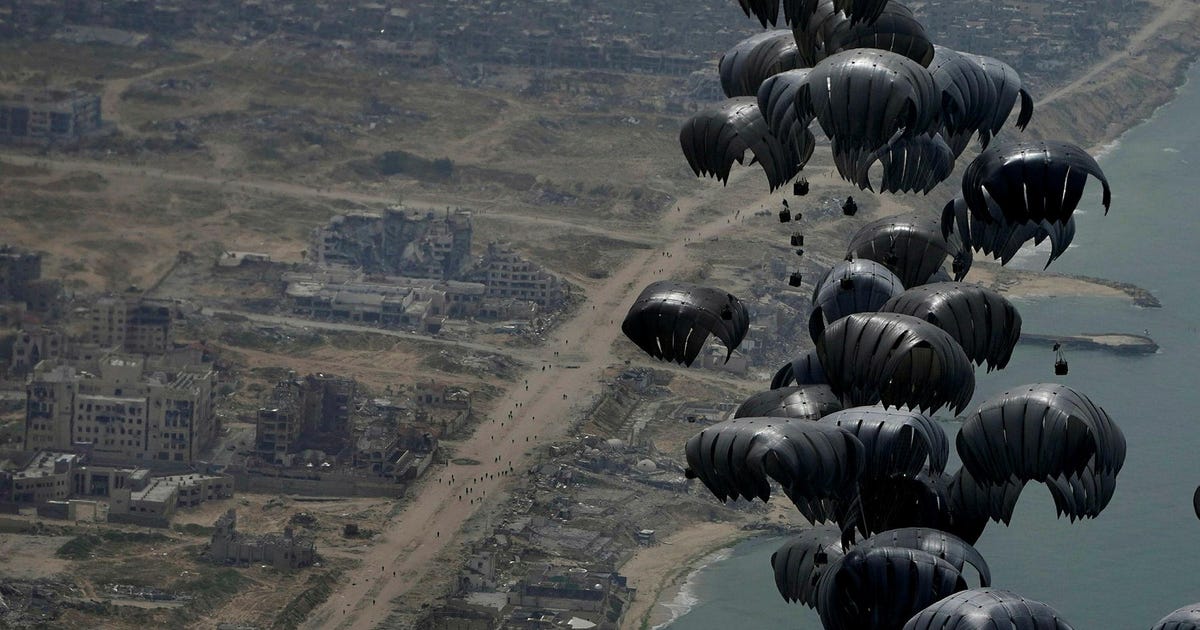
Palestinian factions in Syria have rejected a proposal to introduce a multinational Arab force in Gaza, backed by the US, to maintain order and escort humanitarian aid convoys. The proposal also includes the possibility of a similar force in the West Bank, with Arab leaders expressing willingness to deploy forces to launch a peace process and implement a two-state solution. Israeli officials see the potential for such a force to address the humanitarian crisis in Gaza and create an alternative to Hamas rule, while also securing the temporary pier and aid convoys.
Israel is advocating for the establishment of a multinational force, involving representatives from friendly Arab nations, to safeguard the delivery of humanitarian aid in Gaza, as well as to protect aid convoys and the port being constructed off Gaza's coast by the U.S.
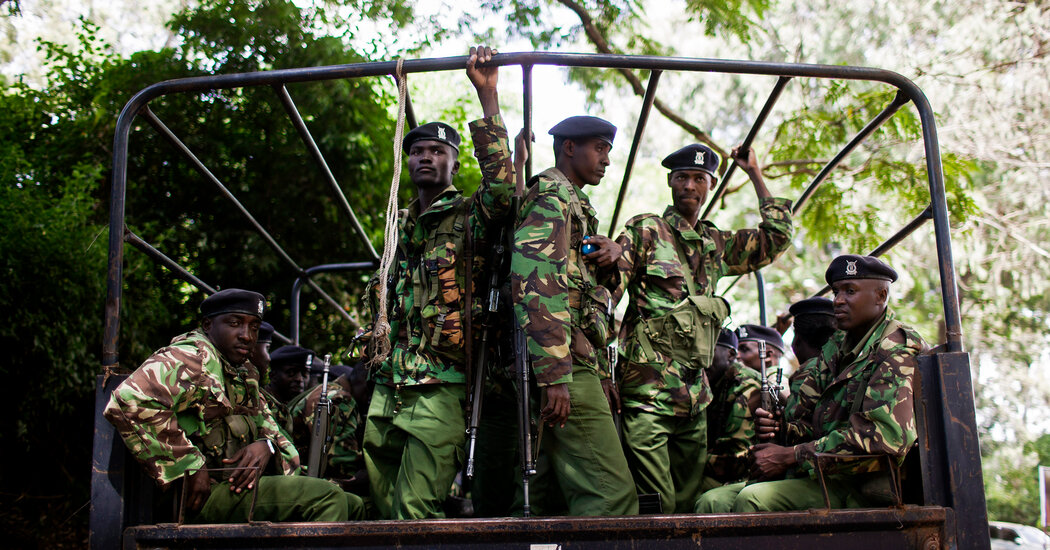
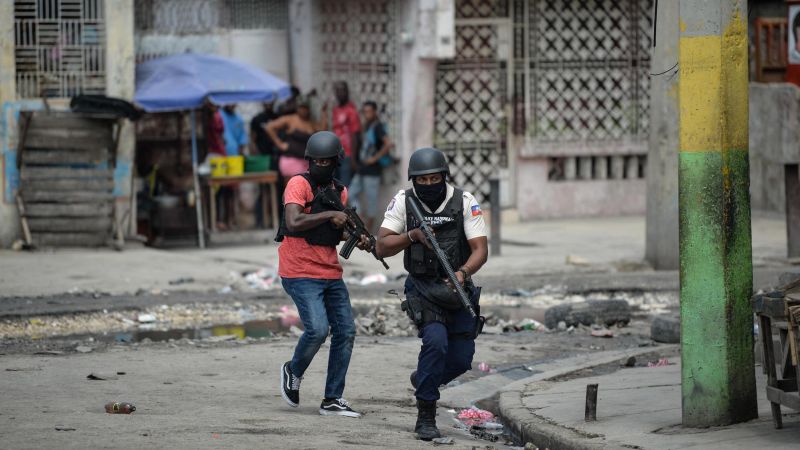
A Kenyan court has blocked the deployment of 1,000 Kenyan police officers to Haiti, disrupting a multinational security force aimed at stabilizing the violence-ridden Caribbean nation. The force, backed by the United Nations and financed by the United States, has been stalled since October due to legal challenges in Kenya. The court's decision has cast doubt on the mission's future, which aimed to combat armed gangs and restore order in Haiti.
The United States has announced the formation of a multinational force, including Bahrain, Canada, France, Italy, the Seychelles, and the United Kingdom, to protect trade in the Red Sea following a series of attacks by Yemen's Houthi rebels. The attacks have led several shipping companies to suspend operations, rerouting global trade and causing higher costs and delays for deliveries. The US and UK navies recently shot down 15 drones in the waterway, and the Houthi rebels have targeted ships allegedly linked to Israel or Israelis.
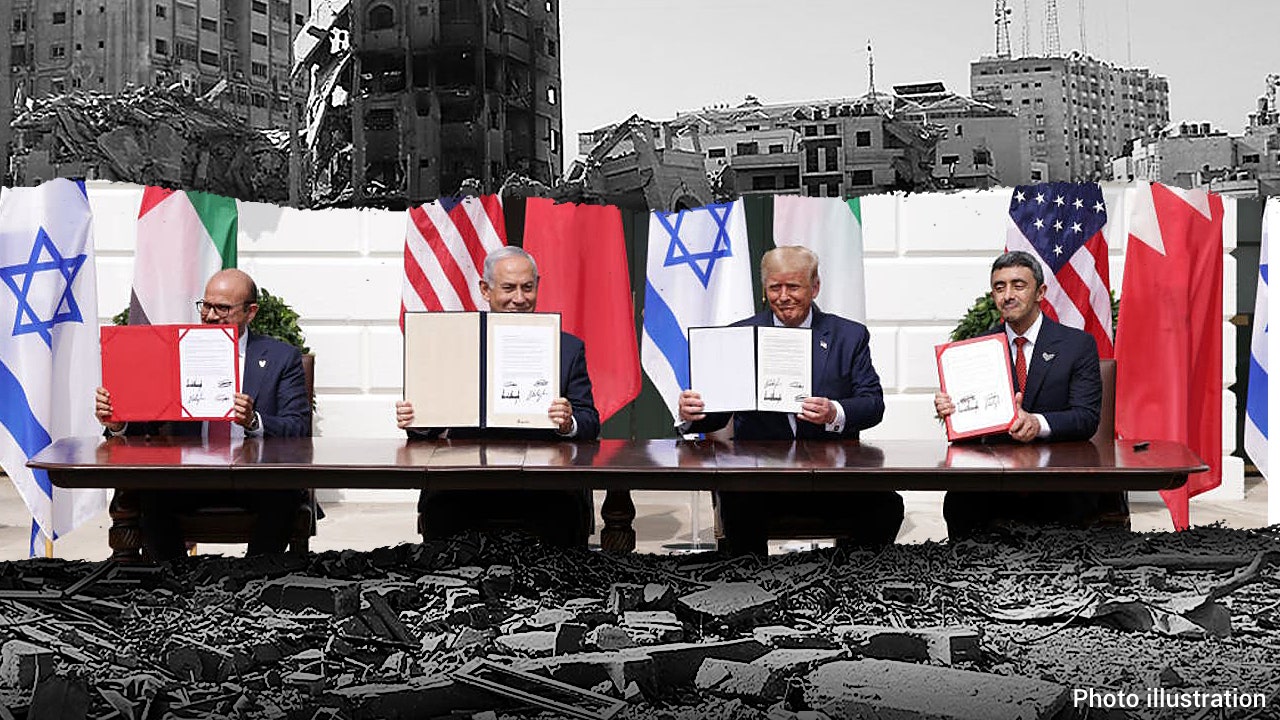
As Israel aims to defeat Hamas and stabilize the Gaza Strip, there is a need to consider a post-war solution that goes beyond simply transplanting the Palestinian Authority (PA) into Gaza. One possible solution could be an Abraham Accords-type initiative, involving the Gulf States of the UAE, Bahrain, and Saudi Arabia, which could invest in Gaza's reconstruction and help establish a competent and Hamas-free government. This approach could also be extended to the West Bank, addressing the rise of Islamic radicalism and support for Hamas. Additionally, a multinational force, comprising the US, Europe, and regional countries, could provide security, governance, and oversee reconstruction in Gaza, preventing a return to the status quo and ensuring a stable, non-Hamas government.
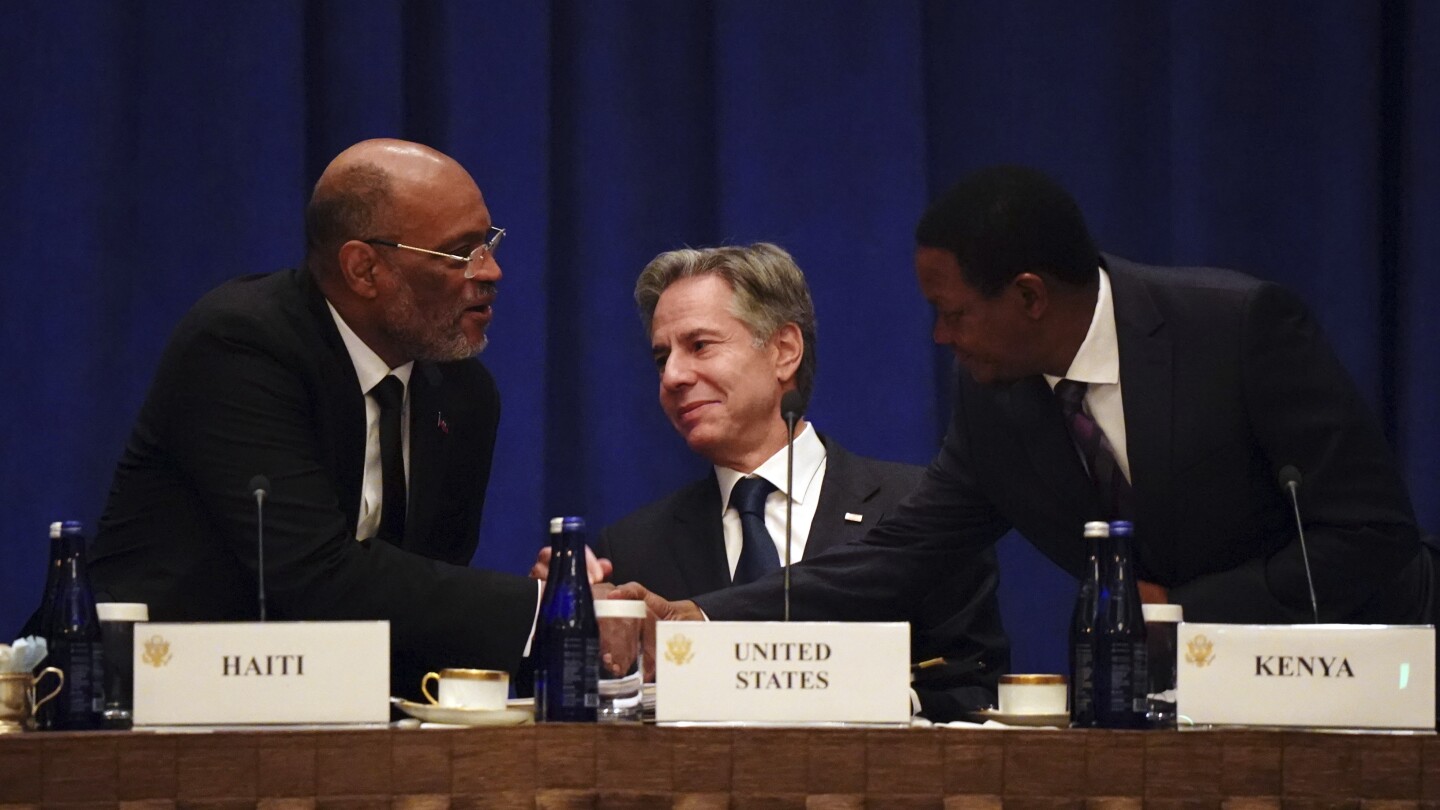
Kenya has been given the green light by the UN to lead an armed multinational force to combat criminal gangs in Haiti, but concerns have been raised about Kenya's human rights record. Human rights groups argue that Kenya's history of abuses must be evaluated before deploying its police personnel to Haiti. Kenya's police have faced criticism for their violent approach towards containing demonstrations, and the country's National Civil Society Center has accused them of extrajudicial killings. While Kenyan President William Ruto sees the mission as a critical instrument, some in Kenya are skeptical, viewing it as an unnecessary risk motivated by Ruto's desire to please the international community.
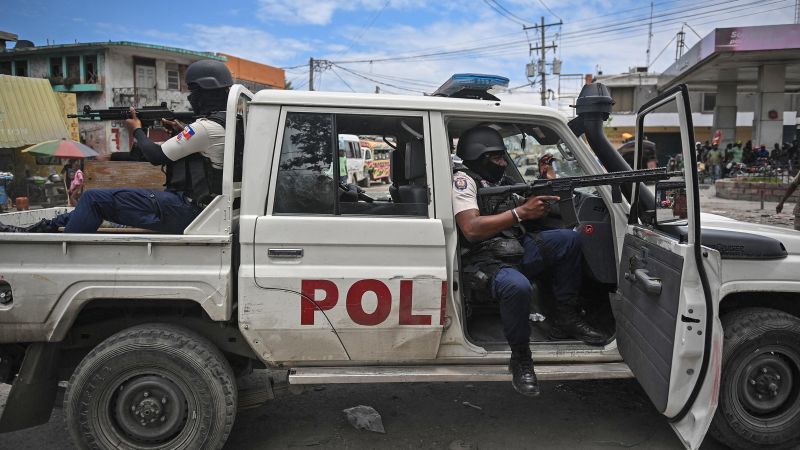
The United Nations Security Council has approved the deployment of an armed multinational force to Haiti to address the country's rampant gang violence and political paralysis. The force, expected to be led by Kenya, will have a 12-month mandate and aims to strengthen local security and reinforce the Haitian National Police in their fight against the gangs. Thirteen members of the Security Council voted in favor of the resolution, with Russia and China abstaining. The force will not be under UN control but will receive support from various countries, including Kenya, Antigua and Barbuda, the Bahamas, and Jamaica. The resolution also calls for a global arms embargo on Haiti, except for approved security purposes.
The Biden administration has pledged $100 million to support a proposed Kenyan-led multinational force to restore security in Haiti, which is currently plagued by conflict and gang violence. The US will provide logistics, intelligence, airlift, communications, and medical support to the mission, pending approval from the UN Security Council. Other countries, including Jamaica, the Bahamas, and Antigua and Barbuda, have also pledged personnel. Haitian Prime Minister Ariel Henry emphasized the urgent need for police and military personnel, as well as the use of force, to create a functioning state. The international community is urged to provide additional personnel, equipment, training, and funding for the mission's success.
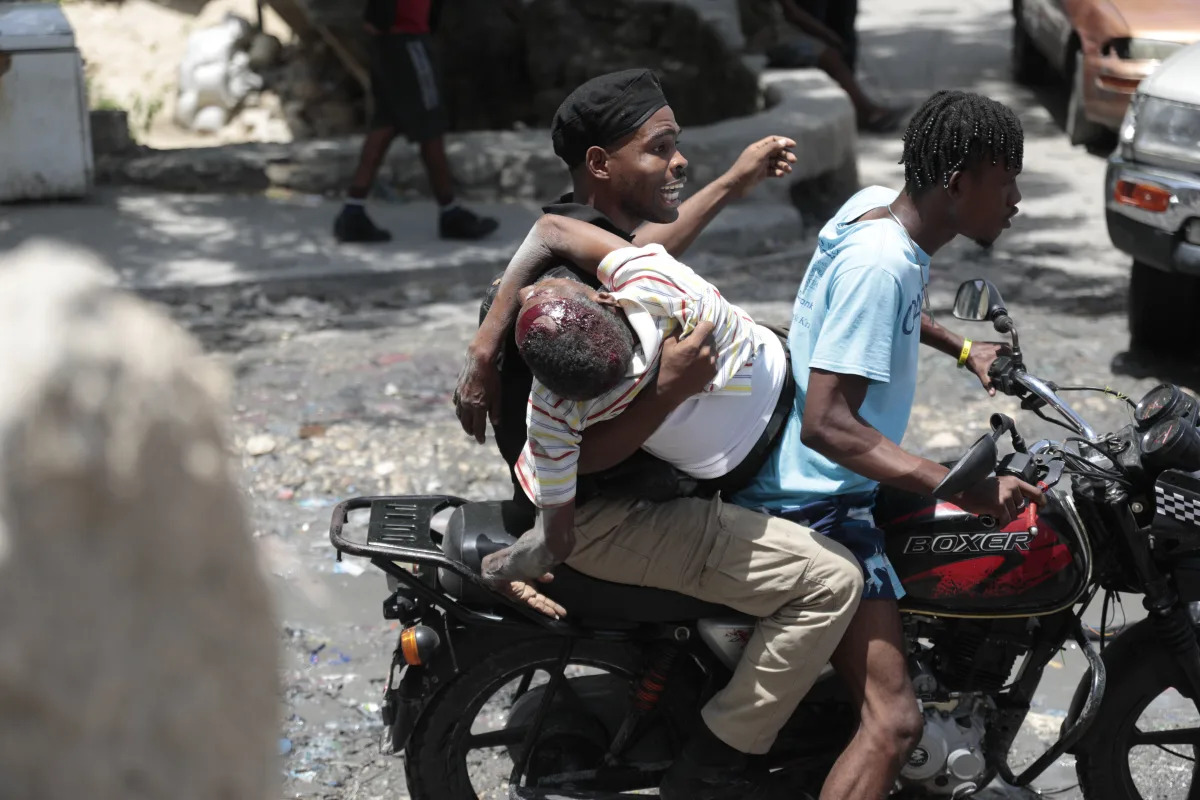
A team of Kenyan officials is in Haiti to assess the needs of the National Police and explore ways to help the country combat rampant gang violence. The Kenyan delegation, which met with countries and groups in New York prior to their visit, aims to understand the urgent need to address the situation that has paralyzed Haiti and put its citizens in danger. The United States has expressed its support for a UN Security Council resolution authorizing Kenya to lead a multinational police force and provide 1,000 officers. Gangs currently control up to 80% of Port-au-Prince, with over 2,400 people killed and thousands displaced. The Kenyan fact-finding trip concludes on Wednesday.
A team of Kenyan officials is in Haiti to assess the needs of the National Police and explore ways to combat the rampant gang violence in the country. The Kenyan delegation, which met with countries and groups in New York prior to their visit, aims to understand the urgent need to address the situation that has paralyzed Haiti and put its citizens in danger. The United States has expressed its intention to introduce a UN Security Council resolution authorizing Kenya to lead a multinational police force and provide 1,000 officers. Gangs currently control up to 80% of the capital, Port-au-Prince, and have displaced over 200,000 people.
UN Secretary-General António Guterres has called for the deployment of a multinational force comprising police special forces and military support units to combat gangs in Haiti. Guterres emphasized the need for coercive law enforcement measures, including the active use of force, to address the security situation in the country. He welcomed Kenya's offer to lead the international force and urged more countries, especially from the Americas, to contribute. Gangs currently control around 80% of the capital, Port-au-Prince, and have encircled the city, cutting off roads and spreading violence. The situation has hindered the delivery of aid and goods. Guterres also highlighted the need to restore law and order, reduce human rights abuses, and secure strategic installations and major roadways.
UN Secretary-General Antonio Guterres has called for a "robust use of force" by a multinational police deployment and military assets to restore law and order in Haiti and disarm gangs. Guterres's report to the Security Council outlined two potential options: providing logistical support to a multinational force and strengthening the existing UN political mission in Haiti. He emphasized the need to restore law and order, disarm gangs, secure strategic installations and roadways, and re-establish a state presence. Guterres appealed for countries to contribute to the deployment of a non-UN multinational force and for the Security Council's support.