A new study indicates that even consuming as little as one standard alcoholic drink daily can increase mouth cancer risk by 50%, with the risk significantly higher when combined with chewing tobacco, especially in South Asia, suggesting no safe level of alcohol for this type of cancer.
A large study in India found that even light alcohol consumption, especially locally brewed drinks combined with chewing tobacco, significantly increases the risk of mouth cancer, with no safe level of alcohol identified.
Mouth cancer cases have reached a new record high in England and Scotland, prompting increased awareness and concern over the disease. Experts are available to provide insights into the factors contributing to this rise and the importance of early detection and prevention. Public support and donations are crucial for continuing research and education efforts in this area.
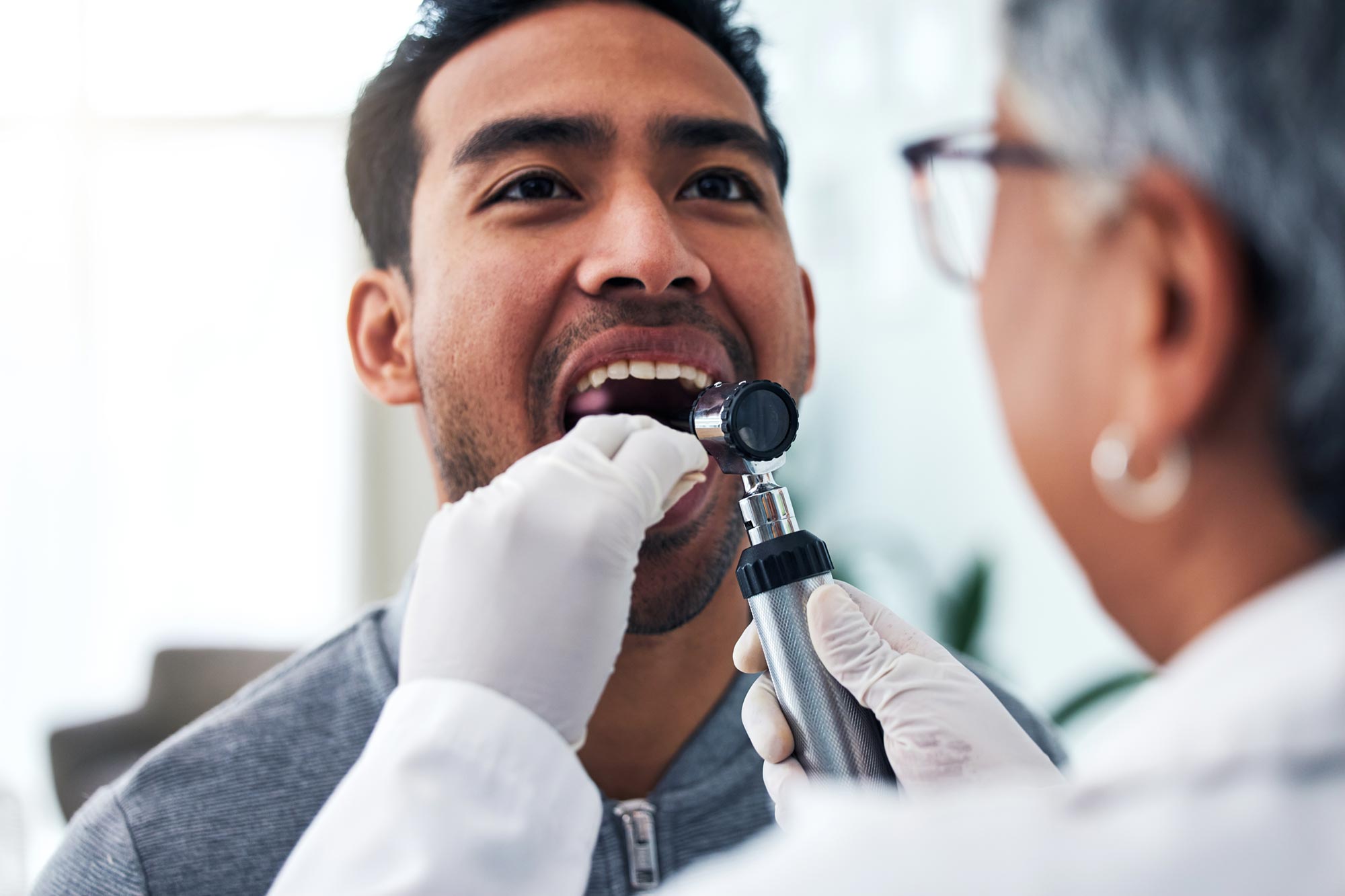
Mouth cancer, also known as oral cancer, affects thousands of people annually, with early detection being crucial for successful treatment. Lifestyle risk factors include smoking, excessive alcohol consumption, and HPV, while symptoms to watch for include mouth ulcers, red or white patches, lumps, pain, difficulty swallowing or speaking, hoarseness, and unexplained weight loss. Dentists and dental hygienists now routinely screen for mouth cancer, and self-checking in front of a mirror once a month is recommended. Treatment involves surgery, radiotherapy, and sometimes immunotherapy or chemotherapy, with potential life-changing effects. Vigilance and familiarity with one's mouth are emphasized for early diagnosis and referral.
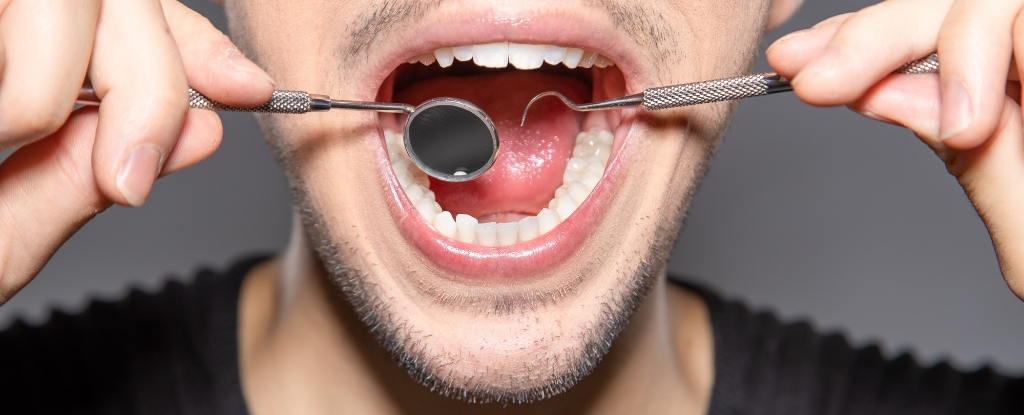
Due to difficulties in accessing dental care, experts fear a surge in deaths from mouth cancer. Dentists recommend performing self-examinations at home, looking for signs such as ulcers lasting longer than three weeks, unexplained swellings or lumps, red or white patches, loose teeth, chronic sore throat, and numbness. Regular dental checkups are crucial for early detection, and experts emphasize the importance of seeking medical attention if any concerning symptoms are noticed.
The shortage of dentists in the UK has led to a rise in mouth cancers being detected too late, according to the charity Oral Health Foundation. Regular dental checkups are crucial for early detection, but 90% of NHS dentists surveyed last year were not accepting new adult patients. Mouth cancer has a high cure rate if caught early, but unfortunately, half of new diagnoses in the UK are detected late. It is important to be aware of symptoms such as unhealing mouth ulcers, persistent lumps or swelling, red or white patches, numbness, loose teeth, and chronic sore throat. Lifestyle factors such as smoking, alcohol consumption, poor diet, and HPV can increase the risk of mouth cancer, but almost half of cases are preventable.