Tag

Self Examination

All articles tagged with #self examination

health2 months ago

Oxford-trained doctor highlights 5 subtle signs of breast cancer women must know

Dr Tanya, an Oxford-trained doctor, emphasizes the importance of self-examination for breast cancer detection, highlighting five signs to watch for beyond lumps, such as nipple discharge, skin changes, texture, growths, and lumps in the armpits and collarbones, especially after menstruation. Early detection through awareness and regular checks can save lives.


health2 years ago

"Self-Examination: Detecting Oral Cancer Signs"

Due to difficulties in accessing dental care, experts fear a surge in deaths from mouth cancer. Dentists recommend performing self-examinations at home, looking for signs such as ulcers lasting longer than three weeks, unexplained swellings or lumps, red or white patches, loose teeth, chronic sore throat, and numbness. Regular dental checkups are crucial for early detection, and experts emphasize the importance of seeking medical attention if any concerning symptoms are noticed.

health2 years ago

The Importance of Regular Testicle Checks to Prevent 'Cannonball Lung'

Failing to check testicles regularly can lead to a deadly condition known as "cannonball lung," where testicular cancer spreads to the lungs and forms rapidly-multiplying tumors. The survival rate for testicular cancer drops from 96% to as low as 73% once it spreads beyond the testicles. A Florida-based doctor shared the case of a young patient with advanced testicular cancer that had spread to his lungs, resulting in cannonball-shaped nodules. Testicular cancer is largely treatable if caught early through self-examination, which takes only 10 seconds. Men are urged to seek medical attention if they notice any abnormalities.

health2 years ago

The Growing Threat of Cancer Among Young Women

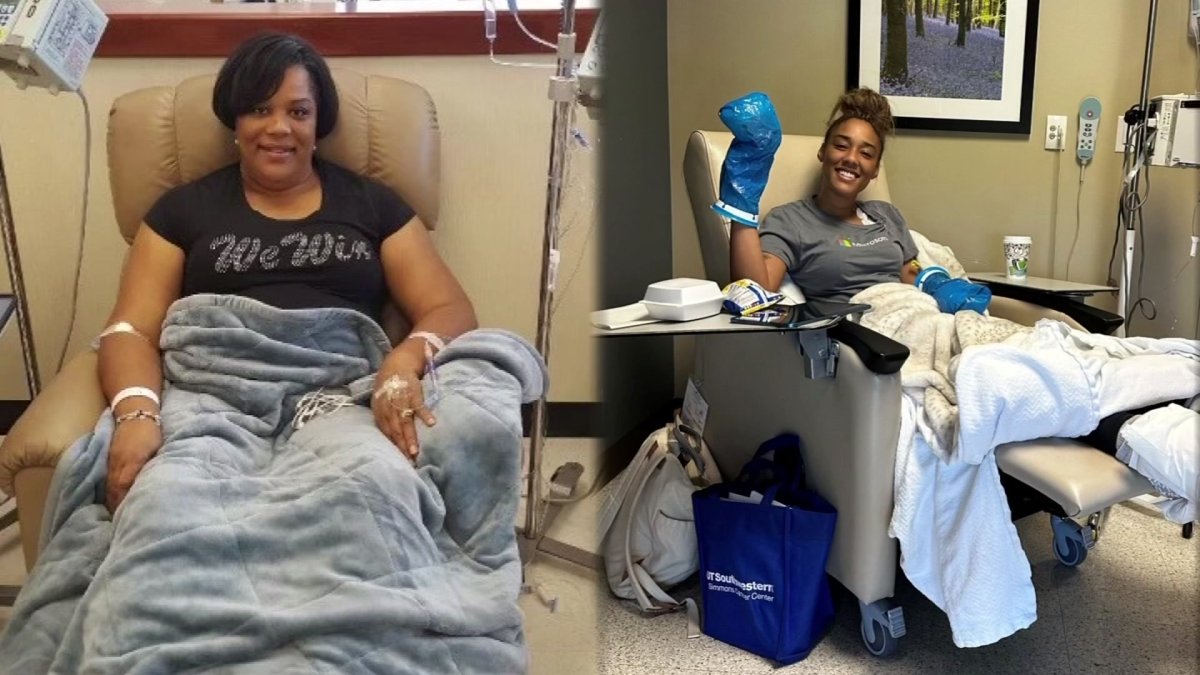
Cancer rates among adults under 50, particularly women, are on the rise, with breast cancer accounting for the highest number of cases. Kayla Miller, a 29-year-old woman from Dallas, was diagnosed with triple-negative breast cancer after finding a lump in her breast. Genetic testing revealed that she carries the BRCA-1 gene, which increases her cancer risk. While genetics can play a role, lifestyle factors such as lack of physical activity, unhealthy diet, and certain medications can also contribute to breast cancer. Regular self-examinations and genetic testing are important for early detection, especially for those with a family history.

health2 years ago

Surviving Breast Cancer: A Mother's Journey

Megan, a 37-year-old breast cancer survivor, shares her experience of detecting breast cancer in her 30s. Despite not having a family history or genetic predisposition, she noticed visual changes in her breasts and sought medical attention after a second opinion. Megan emphasizes the importance of knowing the signs of breast cancer, including changes in skin, nipples, and the presence of lumps. She encourages regular self-examinations and seeking medical evaluation for any abnormalities. Megan underwent a bilateral mastectomy and radiation treatment, highlighting the challenges and decisions faced during her journey. She urges individuals to prioritize their health, seek second opinions, and utilize resources for cancer screenings.

health2 years ago

Woman Discovers Breast Cancer While Trying On Swimsuit

Julie Devaney Hogan, a 38-year-old mother from Boston, discovered she had stage 3 HER2 positive invasive ductal carcinoma breast cancer after feeling a "barely there bump" while trying on her bikini. Despite being told by her doctor's office that it was nothing to worry about, she persisted and underwent tests that revealed the cancer. She has since started Season for Squeezin', a campaign to encourage people to check their breasts when wearing swimwear. Most medical groups no longer recommend routine self-breast exams, but it is recommended to be familiar with your breasts and recognize changes.

health2 years ago

Overlooked signs of testicular cancer

Testicular cancer is more common in younger men between 15 and 35 years old. The first sign is usually a painless lump or swelling in one of the testicles. Other symptoms can include a feeling of heaviness in the scrotum, a sudden collection of fluid around the testicle, or breast growth or tenderness. Regular self-exams of the testicles can help detect any changes, and reporting any symptoms or changes to the doctor can lead to early detection and prompt treatment.