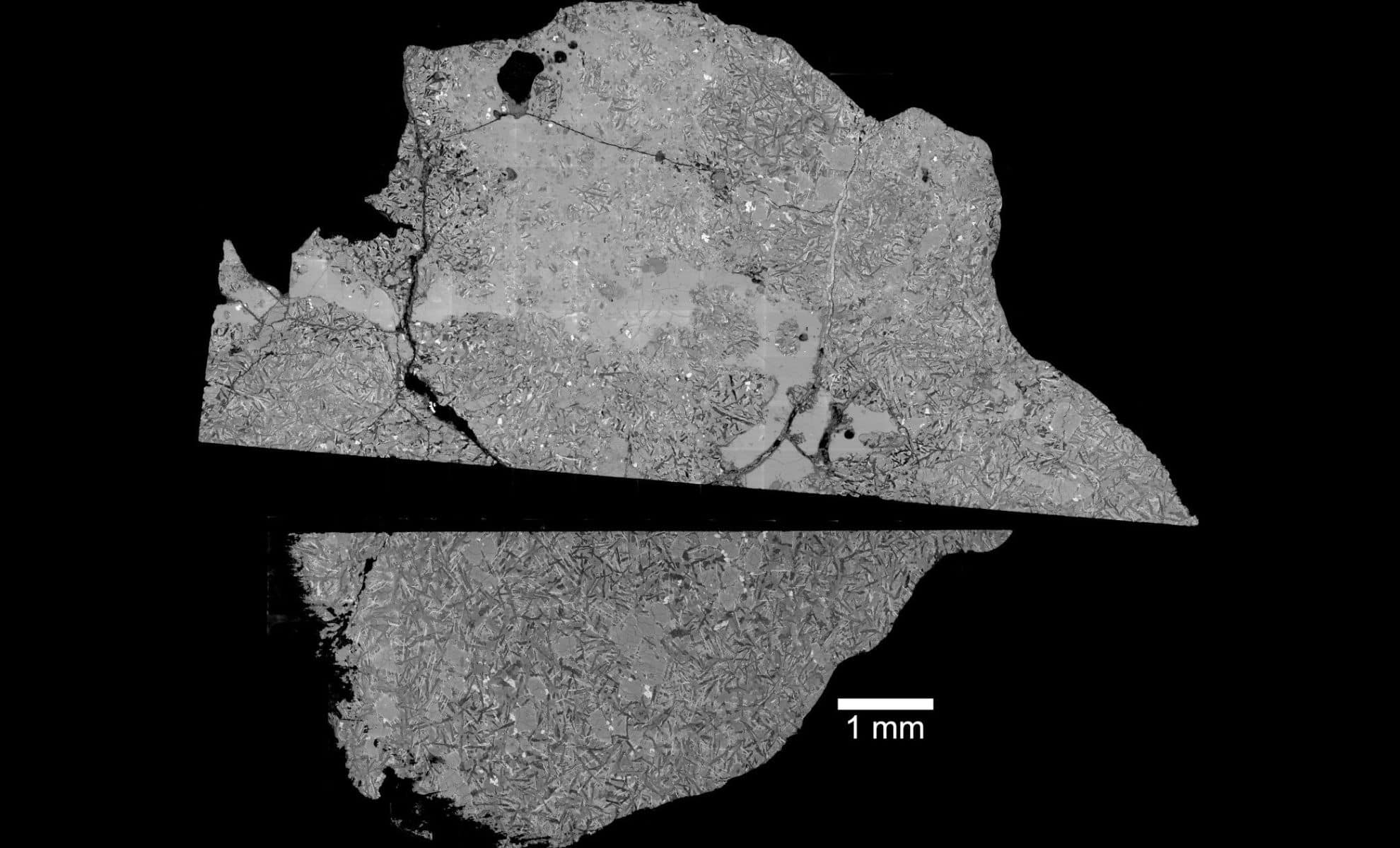
A 2.35-billion-year-old lunar meteorite found in Africa provides new insights into the moon's prolonged volcanic activity, filling a nearly billion-year gap in its geological history and suggesting ongoing internal heat generation.
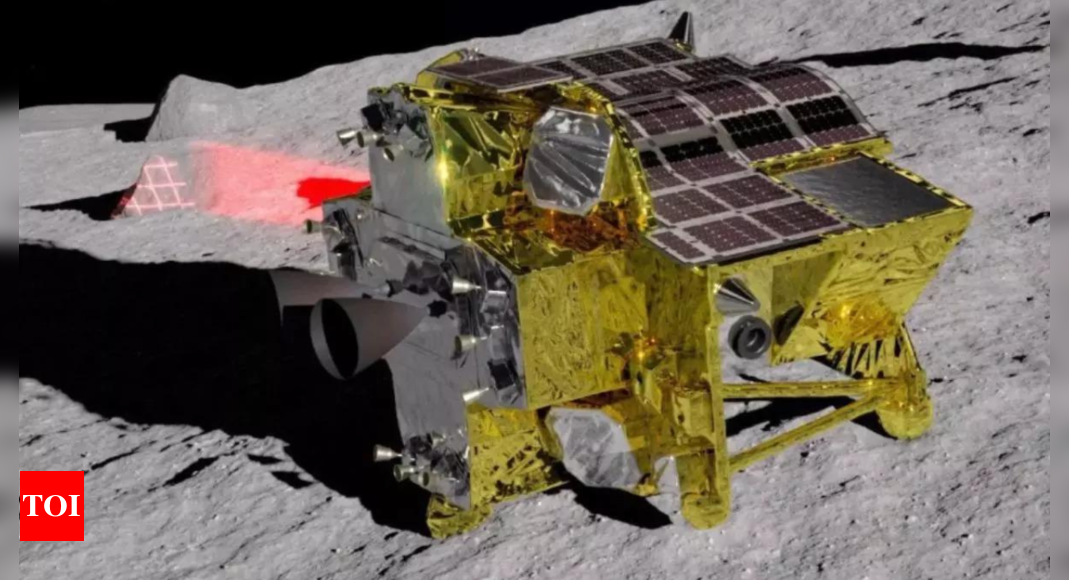
New research reveals that the Moon is gradually shrinking due to its cooling interior, causing the surface to wrinkle and form cliffs known as thrust faults, indicating ongoing tectonic activity and potential seismic hazards. This discovery challenges the previous notion of the Moon as geologically dormant and has implications for future lunar missions, requiring careful planning and risk assessment. Understanding the Moon's tectonic features and moonquakes is crucial for ensuring the safety of astronauts and lunar bases, while also providing unique scientific opportunities to study the Moon's interior structure and thermal evolution.
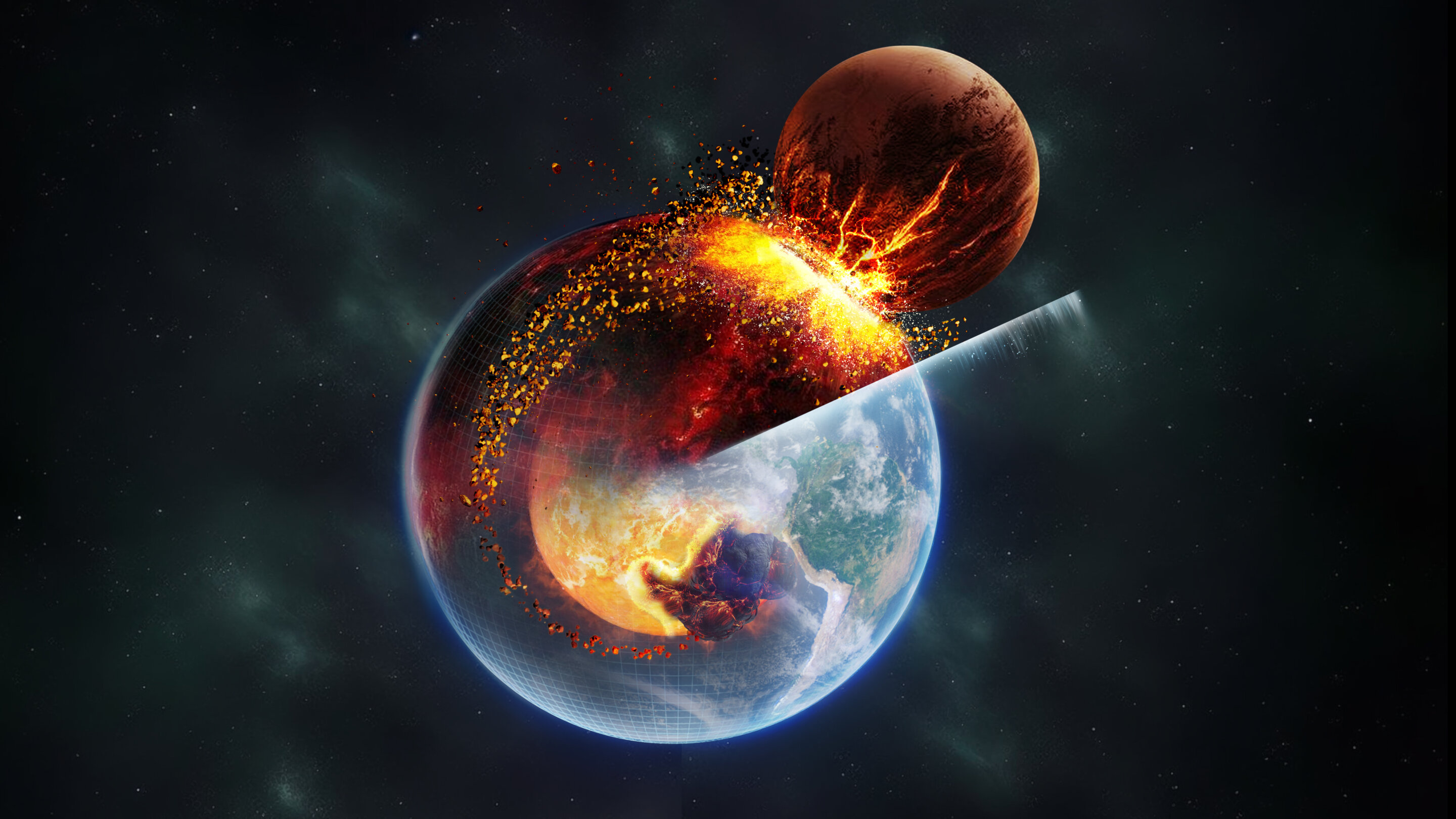
A recent study suggests that a massive anomaly deep within Earth's mantle may be a remnant of the collision that formed the moon around 4.5 billion years ago. Using computational fluid dynamics methods, researchers discovered that the early Earth exhibited mantle stratification after the impact, with the upper mantle featuring a magma ocean created through the mixing of material from Earth and the proto-planet Theia, while the lower mantle remained solid and retained the composition of Earth. This finding challenges the traditional notion that the giant impact led to the homogenization of the early Earth and provides insights into Earth's internal structure and long-term evolution. The study also sheds light on the formation of the inner solar system and has implications for understanding the heterogeneity of Earth's mantle and the origins of Large Low Velocity Provinces (LLVPs).
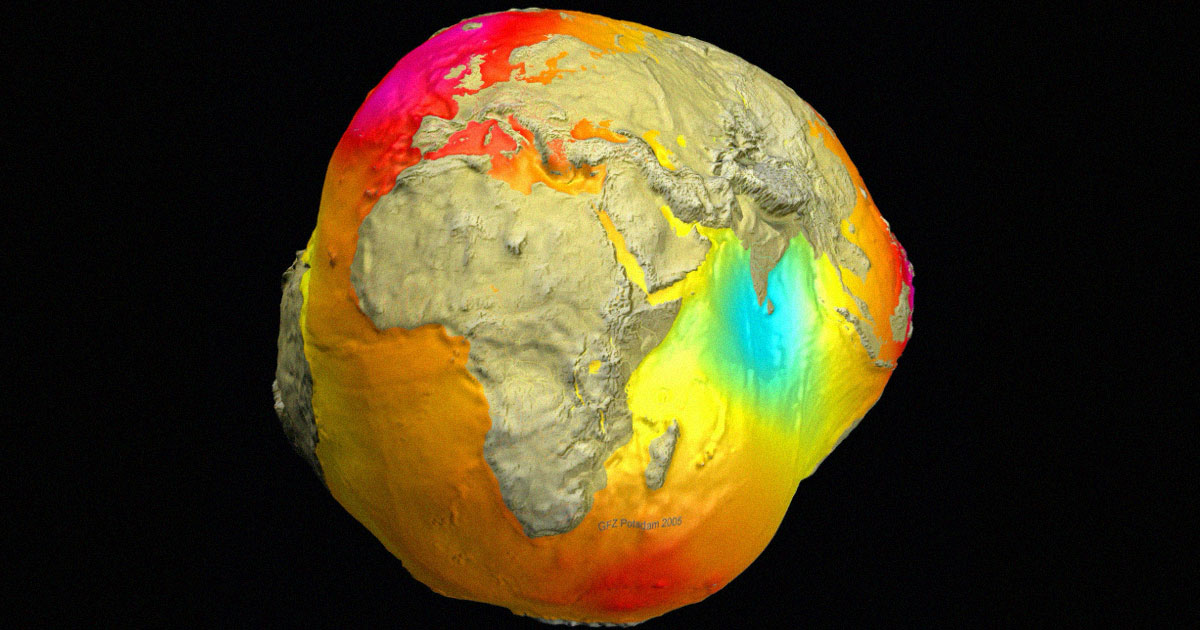
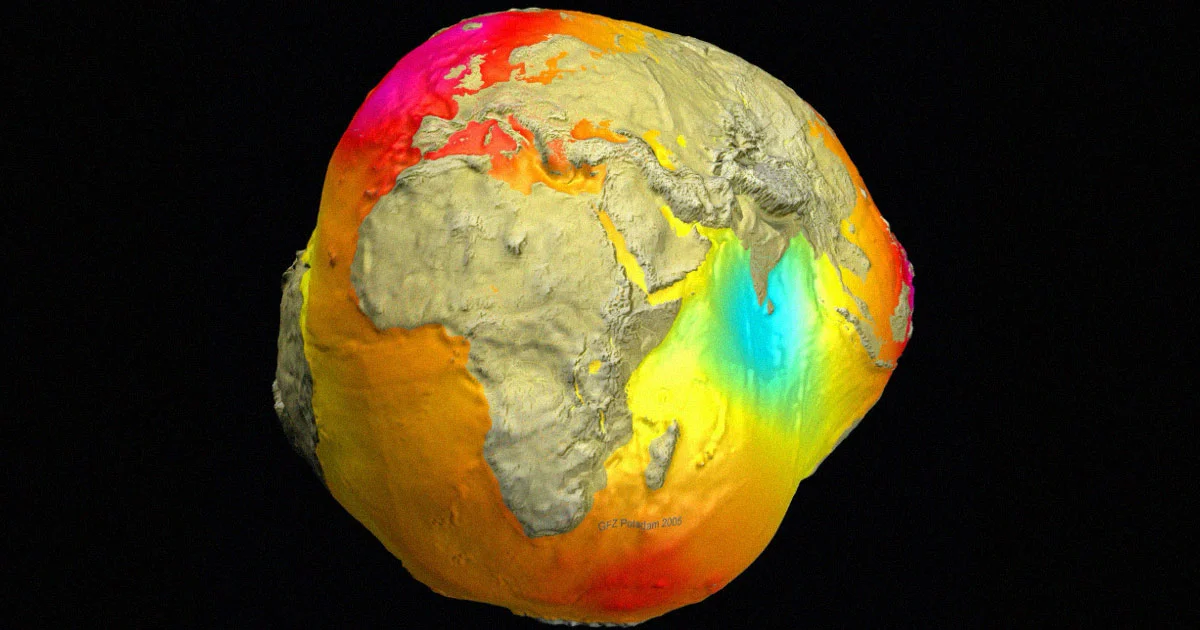
Scientists have been intrigued by a massive "gravity hole" in the Indian Ocean, which is a concentrated area where the effects of Earth's gravity are lower than average. A recent study suggests that this depression, known as the Indian Ocean geoid low (IOGL), may have been formed by a huge mass in the Earth's mantle, called the "African blob," being pushed underneath the Indian Ocean. The IOGL likely took its current shape around 20 million years ago due to the sinking of slabs from an ancient ocean called the Tethys Ocean. However, there are still unanswered questions about the exact factors contributing to the existence of the IOGL.
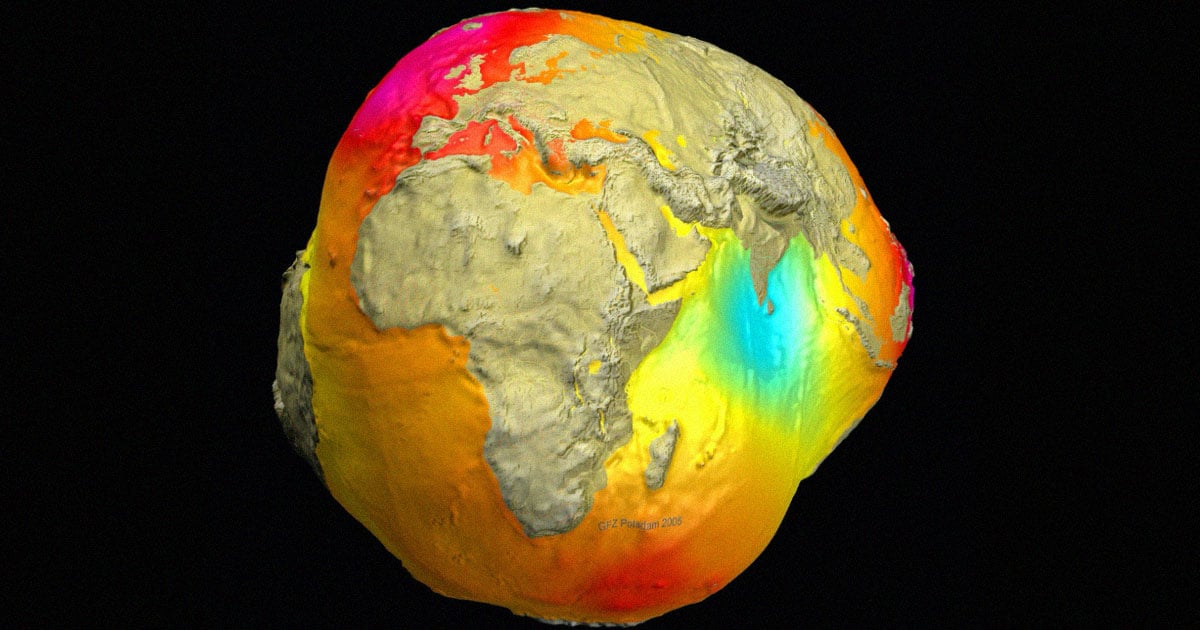
Scientists have been intrigued by a massive "gravity hole" in the Indian Ocean, which is a concentrated area where the effects of Earth's gravity are significantly lower than average. A recent study suggests that this depression, known as the Indian Ocean geoid low (IOGL), may have been formed by the movement of a huge mass in the Earth's mantle, called the "African blob," which was pushed underneath the Indian Ocean. The IOGL likely took its current shape around 20 million years ago due to the sinking of slabs from an ancient ocean called the Tethys Ocean. However, there are still unanswered questions and other factors that may have contributed to the existence of the IOGL.
Scientists have been intrigued by a massive "gravity hole" in the Indian Ocean, which is a concentrated area where the effects of Earth's gravity are significantly lower than average. A recent study suggests that this depression, known as the Indian Ocean geoid low (IOGL), may have been formed by the movement of a huge mass in the Earth's mantle, called the "African blob," which was pushed underneath the Indian Ocean. The IOGL likely took its current shape around 20 million years ago due to the sinking of slabs from an ancient ocean called the Tethys Ocean. However, there are still unanswered questions and other factors that may have contributed to the existence of the IOGL.
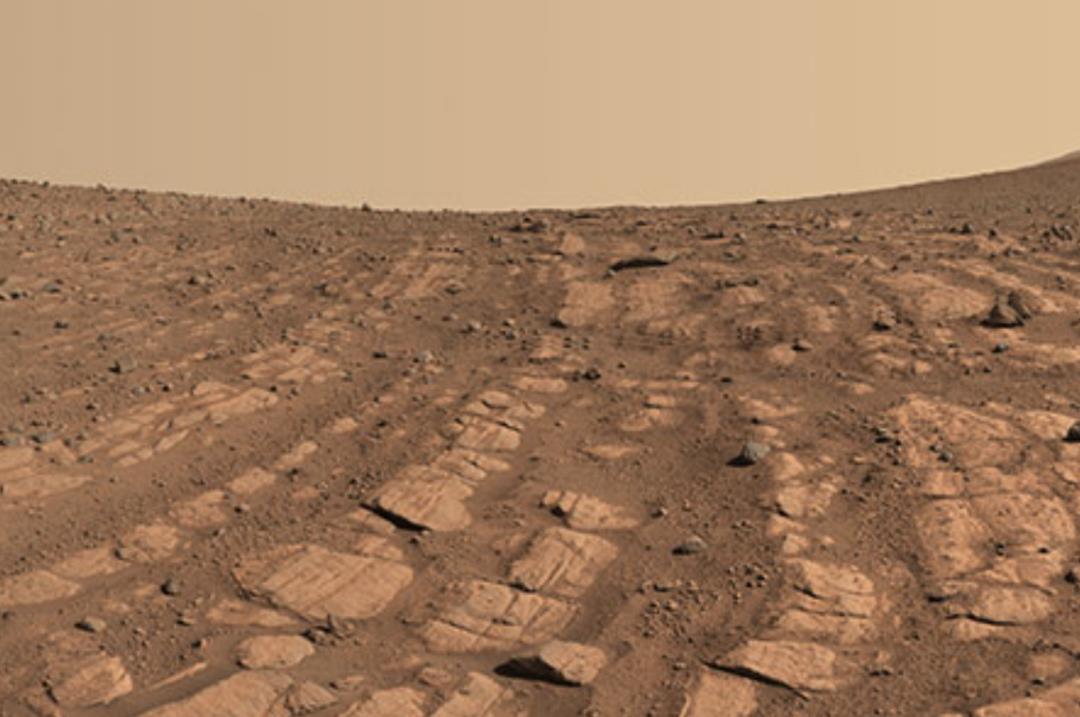
NASA's Perseverance rover has captured high-resolution photographs of an ancient riverbed on Mars, providing evidence of a once-thriving and powerful Martian river. The discovery sheds light on the planet's geological past and potential for supporting life. Scientists are examining the images to decipher additional details about the ancient river, including its size, flow patterns, and composition, to gain deeper insights into the role of water on Mars and its implications for the planet's potential habitability.
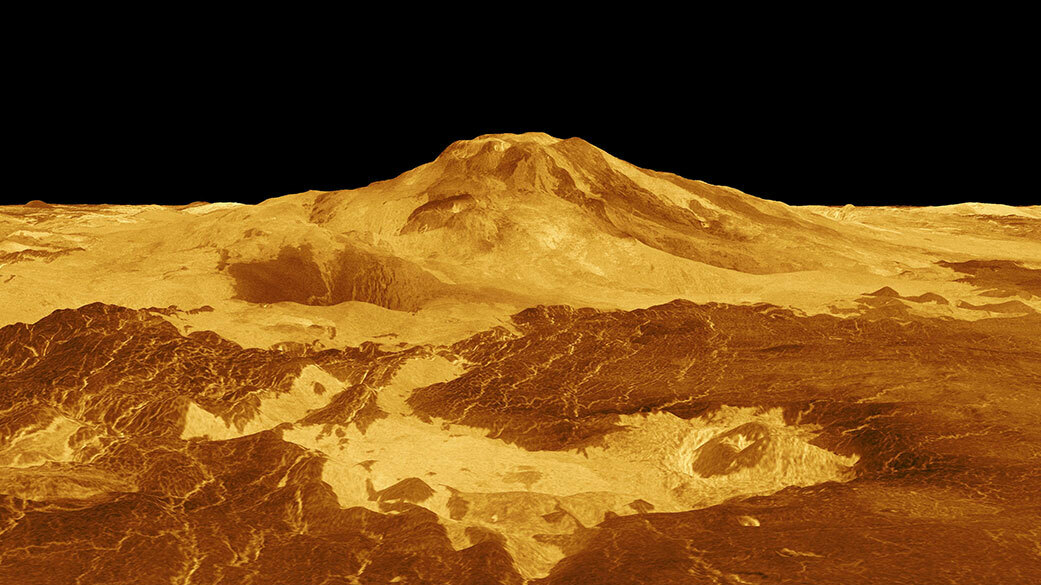
Recent volcanic activity on Venus has been discovered by researchers using radar surface imagery collected by the Magellan spacecraft in the early 1990s. The findings offer insights into the planet's geological past and future, and suggest that Venus is relatively Earth-like in the frequency of volcanic eruptions. Unlike Earth, Venus doesn't have plate tectonics, so researchers have been trying to work out how the planet has evolved geologically over the last four-and-a-half billion years and where it might be headed. NASA currently has two missions to Venus in the works, which will now be informed by these findings.