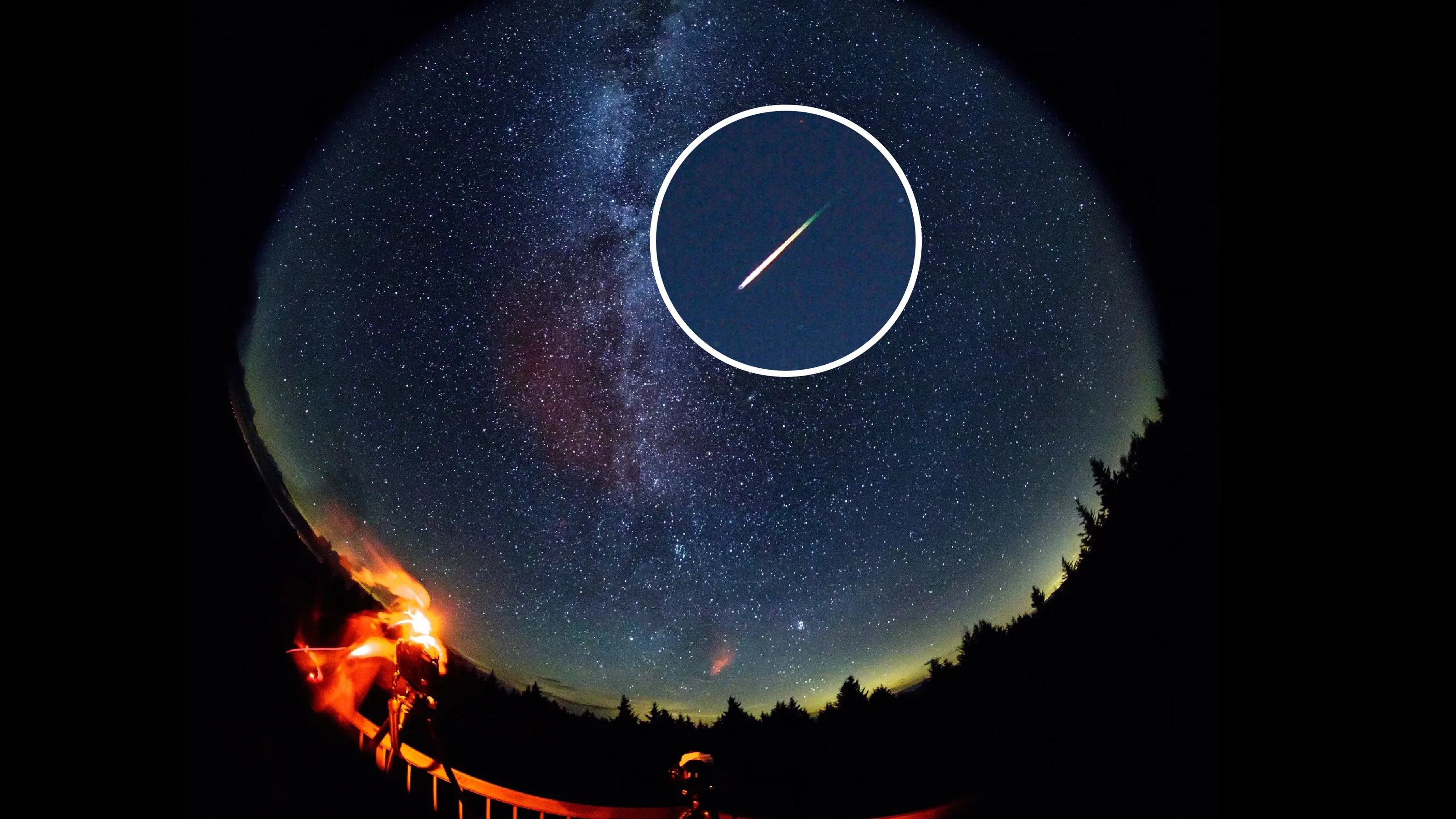
The Perseid meteor shower, one of the year's most spectacular celestial events, peaks on August 12-13 but will be affected by the moonlight, reducing visibility. To maximize viewing, go to dark, rural areas after midnight, look northeast toward Perseus, and prepare for comfortable, dark conditions. Despite moonlight interference, enthusiasts can still enjoy a modest display of 10-20 meteors per hour.
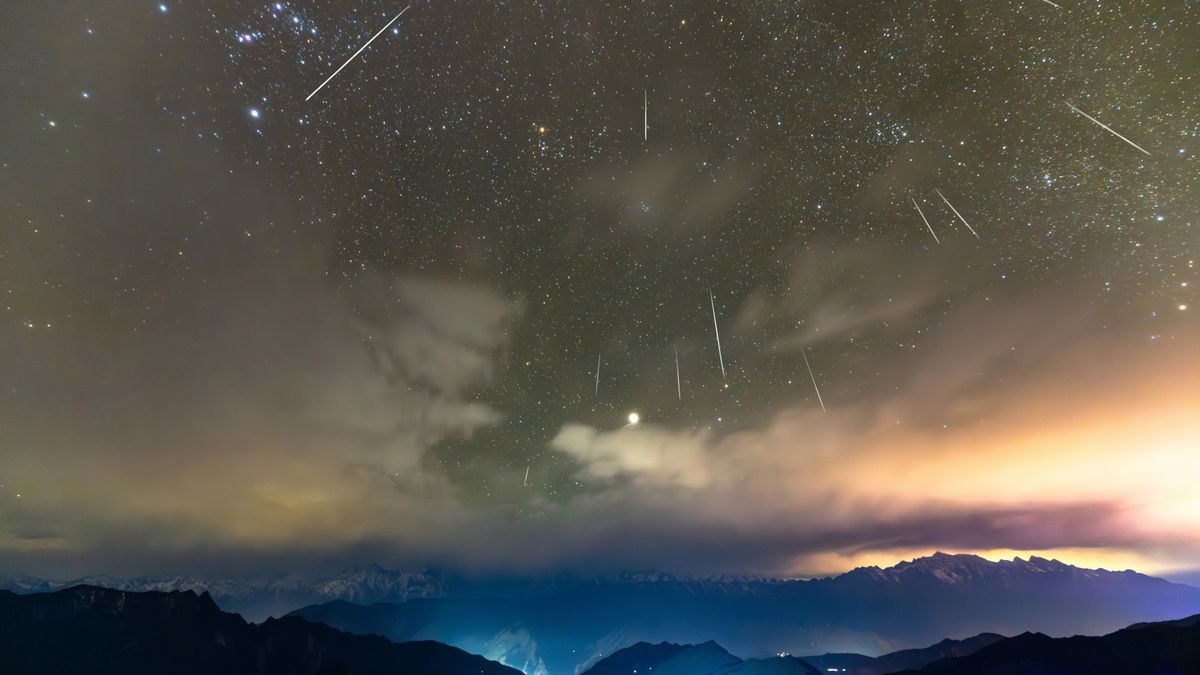
The Geminid meteor shower, one of the most prolific annual meteor showers, peaks on December 13-14, 2023, offering up to 120 meteors per hour under ideal conditions. However, this year's viewing may be affected by a nearly full moon, which could wash out fainter meteors. The shower is caused by debris from the asteroid 3200 Phaethon, and meteors will appear to radiate from the constellation Gemini. Despite the moonlight, brighter meteors should still be visible, and the shower remains active until December 24.