Sony plans to grow software and network services revenue by monetizing its PS5 installed base (92.2 million units as of Feb. 5) to offset rising memory costs, noting ongoing supplier negotiations to secure chips while extending the PS5’s lifecycle.
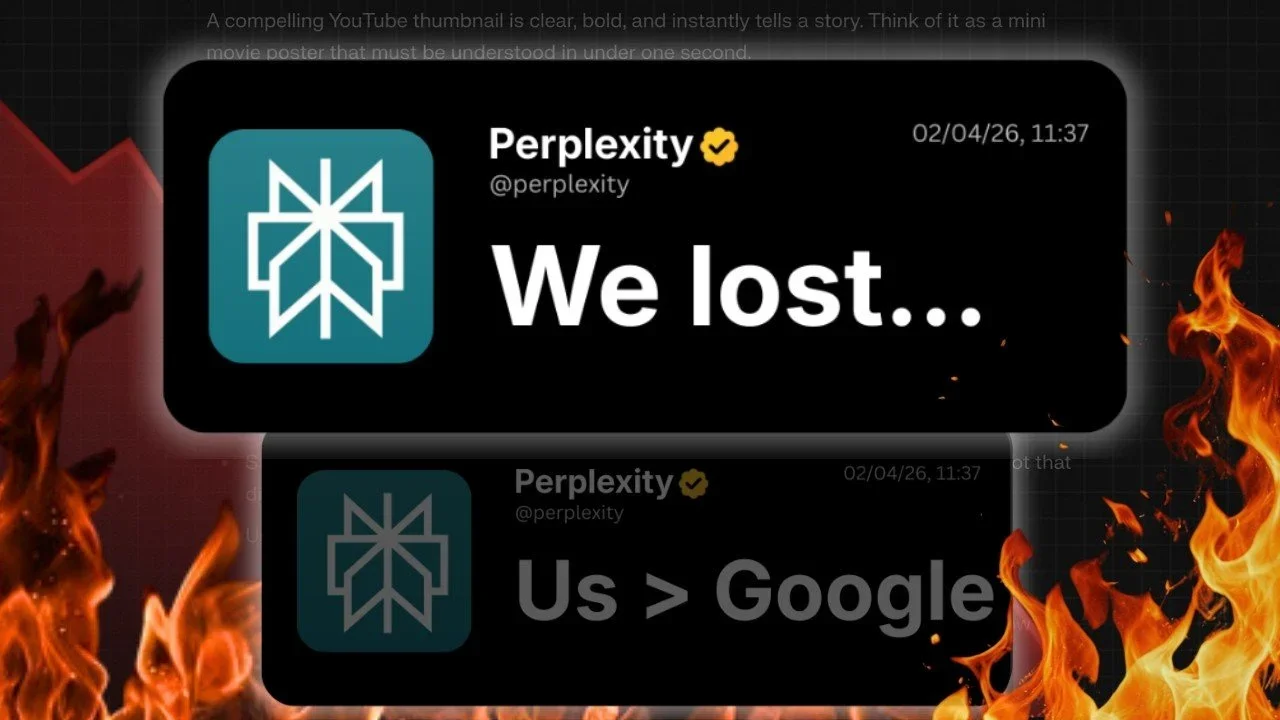
Perplexity launched in 2022 as an ad-free, citation-backed AI search, drawing early interest but failing to scale against Google and OpenAI due to reliance on external AI models, high operational costs, weak monetization, legal disputes over content scraping, and an unsuccessful Comet browser expansion, leaving it as a niche tool despite initial momentum.
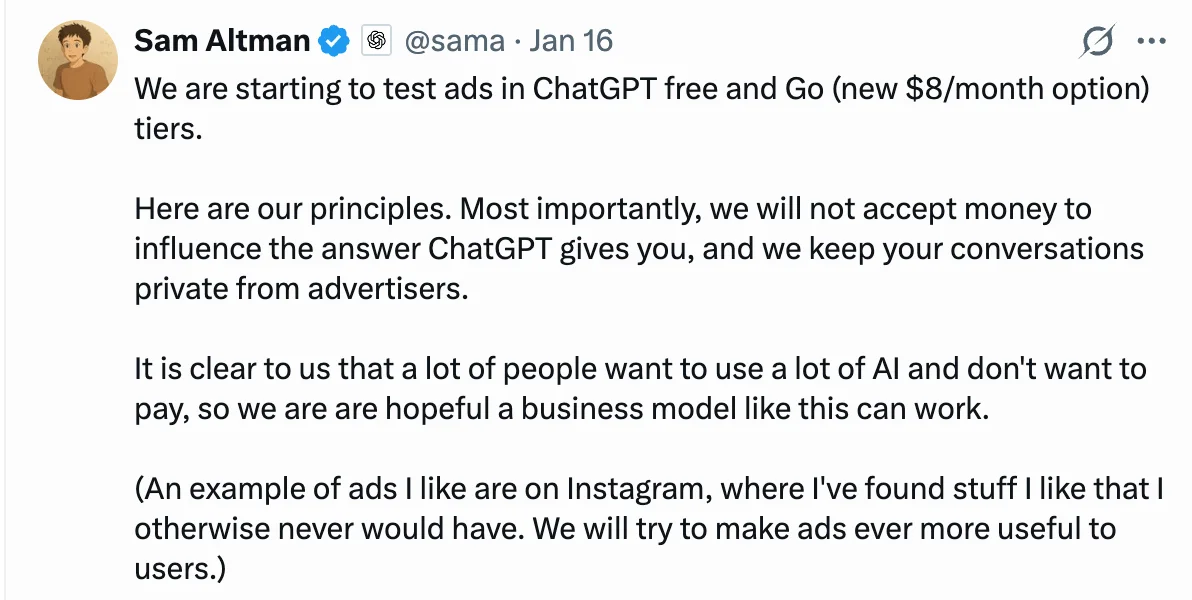
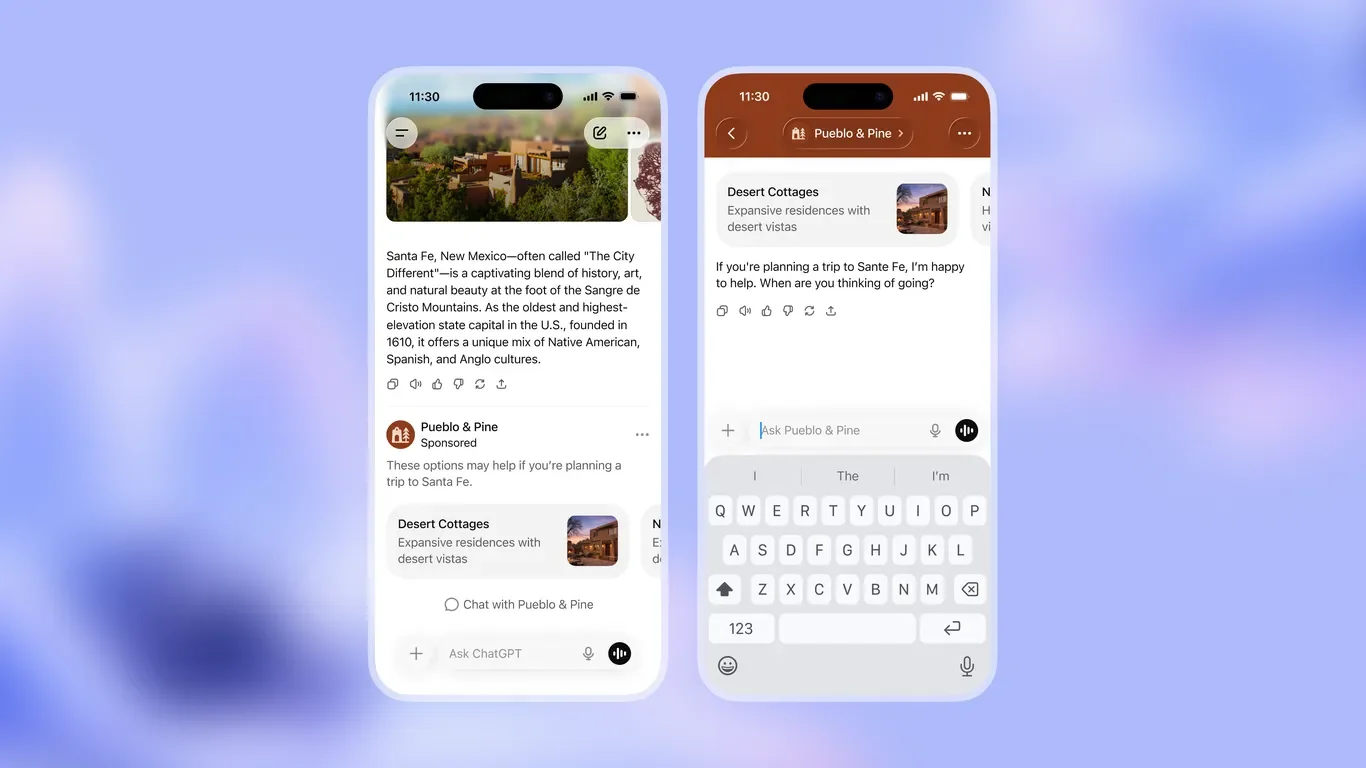
OpenAI is testing sponsored ads inside ChatGPT for users on Free and Go plans in the U.S., while paid tiers remain ad-free. The goal is to fund broader access to advanced tools; ads are described as a limited test and are shown outside responses with clear sponsorship. Users can opt out or limit ad personalization, and the rollout seeks feedback before broader deployment, with competitors already weighing in.
OpenAI is testing ads in ChatGPT on Free and Go tiers in the U.S., with the goal of broadening access to more powerful features while keeping answers unaffected. Ads are tailored to discussions and past chats, but advertisers don’t see personal data; users can opt out by subscribing to Pro/Plus or, for Free/Go users, by agreeing to fewer daily messages.
CD Projekt Red executive Jan Rosner said Luke Ross's Cyberpunk 2077 VR mod could return as a free release after removal for monetization under the Fan Content Guidelines; Ross countered that demanding the mod be free isn’t his right, but he’s open to a win-win solution, noting it was Patreon-backed and referencing his history with other VR mods.
OpenAI has announced ads in ChatGPT, signaling a major monetization pivot. While the move is significant for revenue, the delayed rollout creates risk: the early ad formats may not be well-suited to the chat experience, potentially harming user experience or adoption. Thompson argues the success of the program will depend on getting the right balance between monetization and UX, making this a cautious, long-term effort reminiscent of early social-media monetization challenges.
OpenAI will begin testing ads in ChatGPT responses on the free tier and the new ChatGPT Go plan, with ads appearing under the main reply, clearly labeled and not influencing the answers. Advertisers won’t access conversations, and OpenAI will use some personalization data to match ads to topics. Non-ad tiers Plus, Pro, Business, and Enterprise remain ad-free. The Financial Times reports expected ad revenue in the low billions for 2026.
OpenAI is rolling out its cheapest ChatGPT Go subscription to the US and 170 countries at $8/month, increasing message limits and access to the latest model, while starting tests of sponsored ads in the free and Go tiers. Ads will be clearly labeled and separated from chats; Pro/Business/Enterprise will remain ad-free for now. Personalization can be turned off, under-18 users won’t see ads, and OpenAI says conversations aren’t sold to advertisers or influenced by ads. The move aims to boost profitability as the company faces ongoing losses and looks for revenue beyond subscriptions.
OpenAI will begin testing ads on ChatGPT for free and Go-tier users in the United States, with ads labeled 'Sponsored' and kept separate from chats. Responses won’t be influenced by ads, but targeting may be guided by conversations and personalization will be on by default with an opt-out. Conversations are claimed private and not sold to advertisers. Paid ad-free options remain (Plus, Pro, Enterprise), while ChatGPT Go will include ads. The move aims to diversify revenue and fund infrastructure, but raises concerns about user experience, data privacy, and potential conflicts between user needs and advertiser interests as testing begins.
Elon Musk's platform X is monetizing Grok, an AI tool generating non-consensual sexual images, by implementing paywalls and subscription models, amid ongoing controversy over abuse and exploitation, reflecting Musk's broader business strategy to profit from online harassment and AI-generated content.
A study reveals that over 20% of videos shown to new YouTube users are low-quality AI-generated content, dubbed 'AI slop,' which has amassed billions of views and significant revenue, highlighting a growing industry of AI-driven, often low-quality content across social media platforms.
The article discusses the ongoing growth and influence of YouTube as a dominant digital video platform, highlighting its impact on content creation, monetization, and the digital media landscape.
Facebook is testing a new feature in the UK and US that limits users to sharing only two links per month unless they subscribe for £9.99, as part of its effort to monetize more platform features and control content distribution, especially for creators and businesses.
OpenAI's Sora platform now offers users the option to purchase extra credits for AI video creation due to unsustainable free usage limits, with plans to reduce free allowances in the future and introduce monetization features for creators, including paid cameos and deepfake avatars.
OpenAI is investing over $1 trillion in AI infrastructure and struggling to monetize its popular ChatGPT service, with only about 5% of its 800 million users paying for subscriptions. Despite significant revenue growth, the company is losing billions and faces challenges in turning a profit, raising concerns about an AI bubble and potential economic risks.