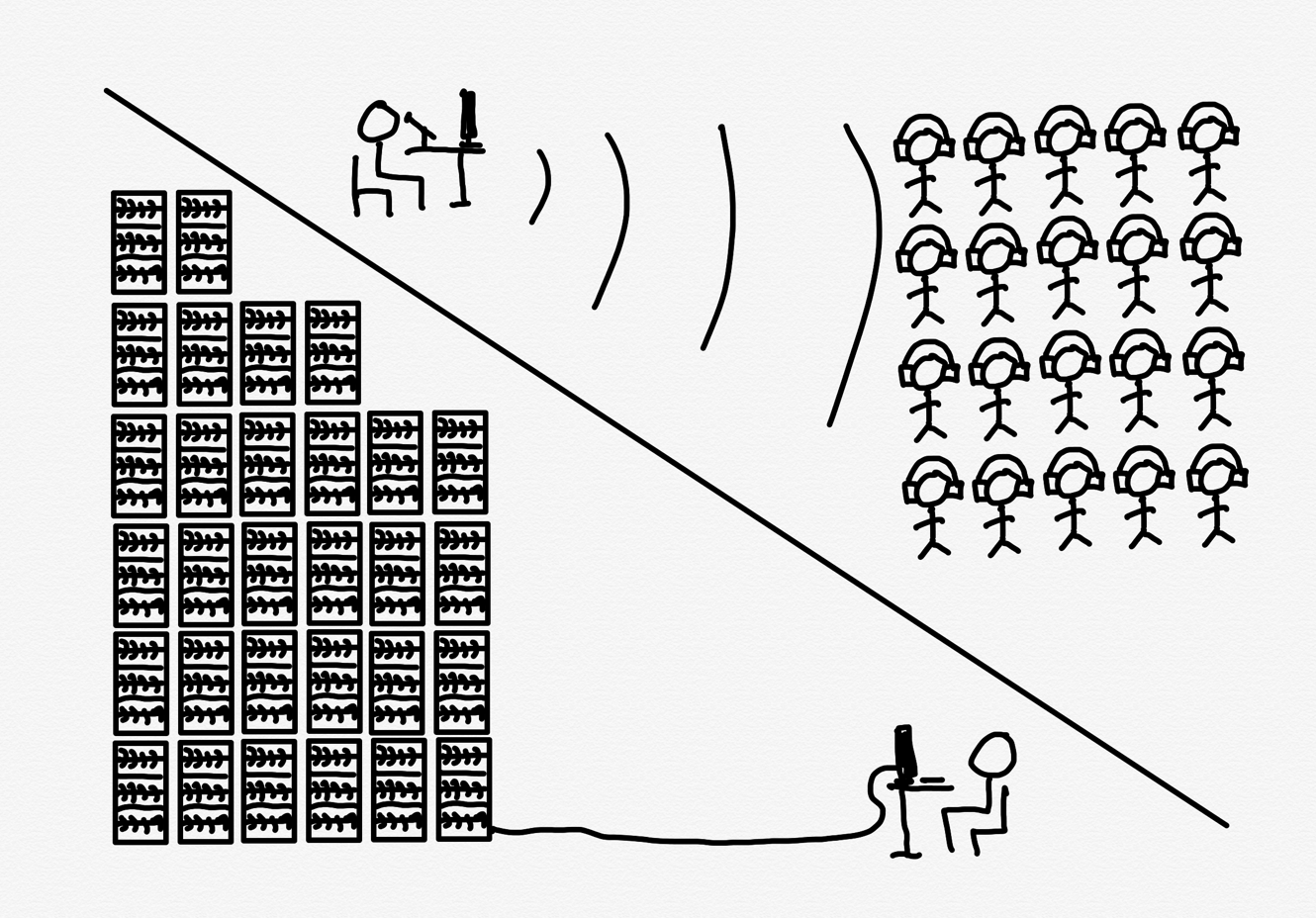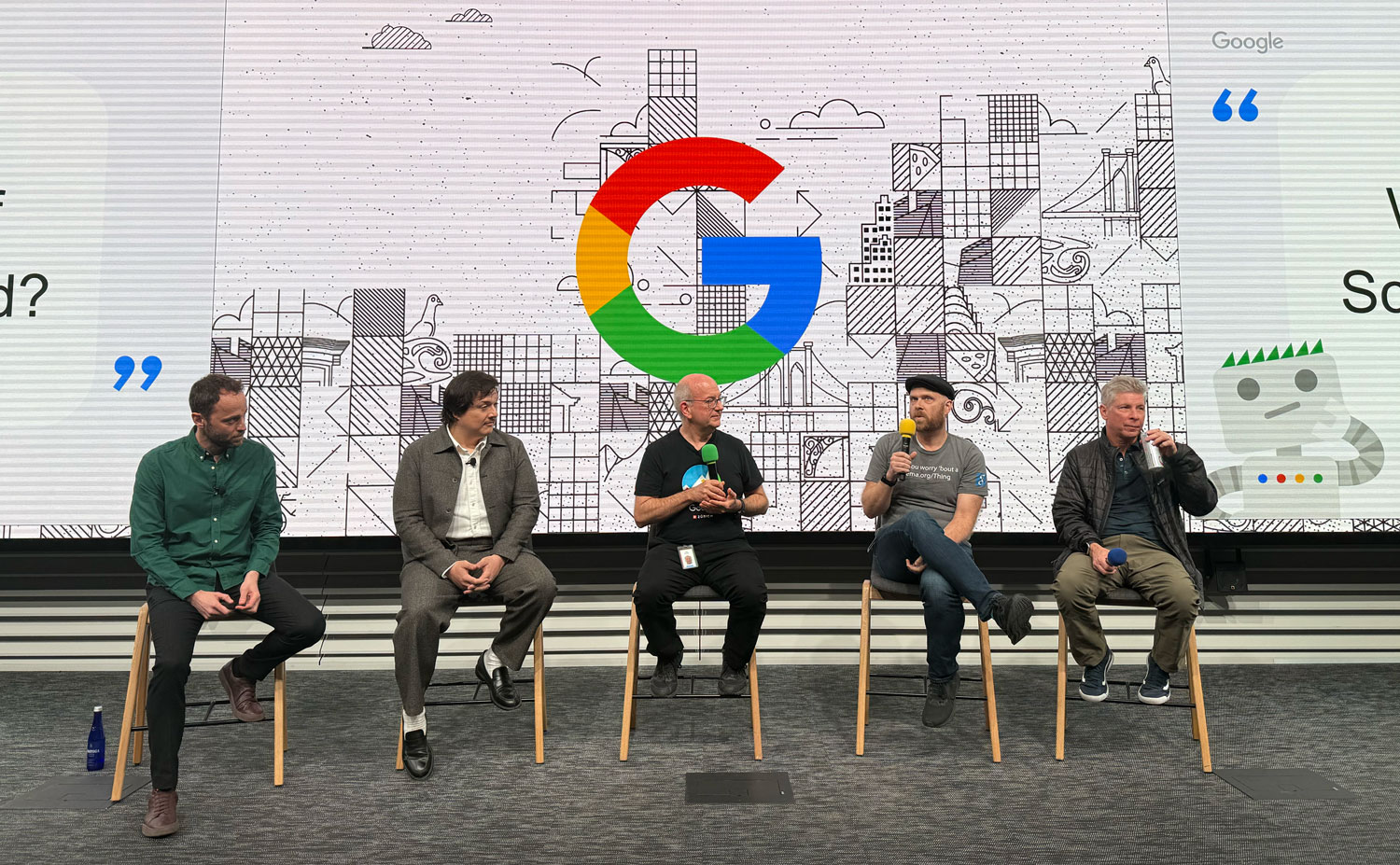
Google's Danny Sullivan advises against creating bite-sized content specifically for AI and LLMs, emphasizing that such strategies are temporary and that content should primarily be written for humans, as search systems evolve to favor human-centric content.
The article explores the paradox of AI as both a powerful tool for content creation and a potential threat to traditional publishing and employment, emphasizing the enduring human desire for community, uniqueness, and beauty, and discussing long-term economic and societal implications of AI-driven inequality and technological abundance.
Amidst AI-generated content, social media users are increasingly embracing authentic, everyday personalities like a garden-loving pensioner, a mother documenting her son's autism journey, and niche enthusiasts, highlighting a shift towards genuine voices over polished celebrity content.
The article discusses the ongoing growth and influence of YouTube as a dominant digital video platform, highlighting its impact on content creation, monetization, and the digital media landscape.
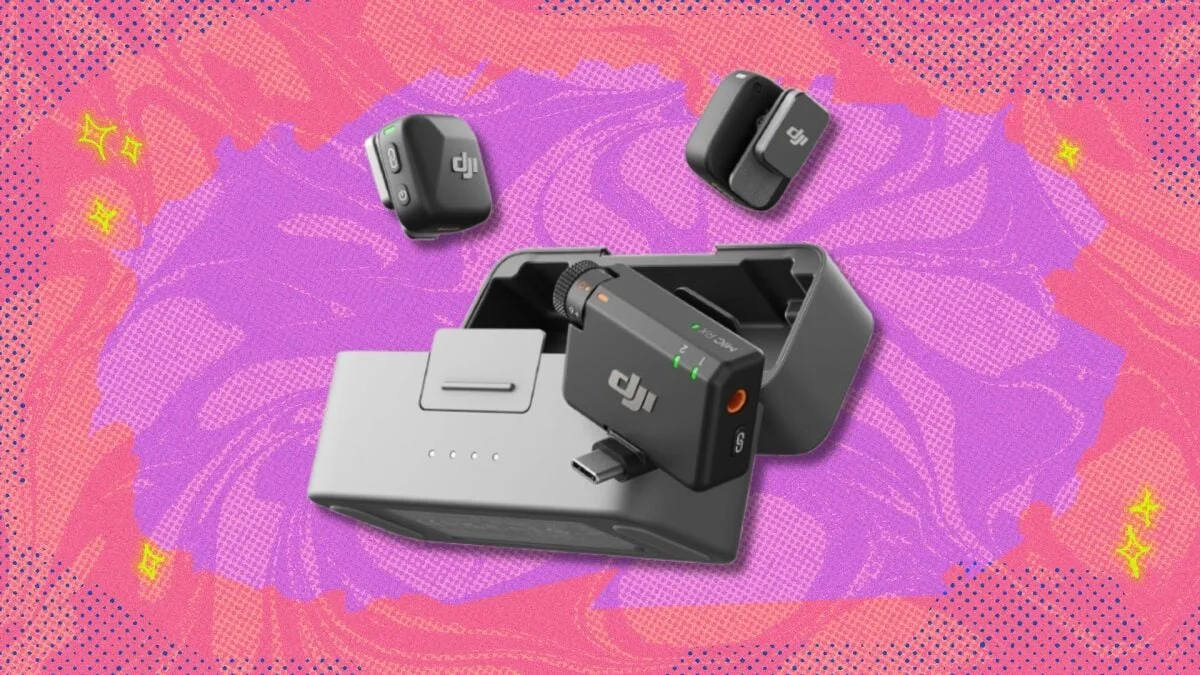
The DJI Mic Mini is on sale at Amazon for $79, a 53% discount from its usual $169, making it an excellent and affordable upgrade for content creators seeking portable and high-quality audio equipment.
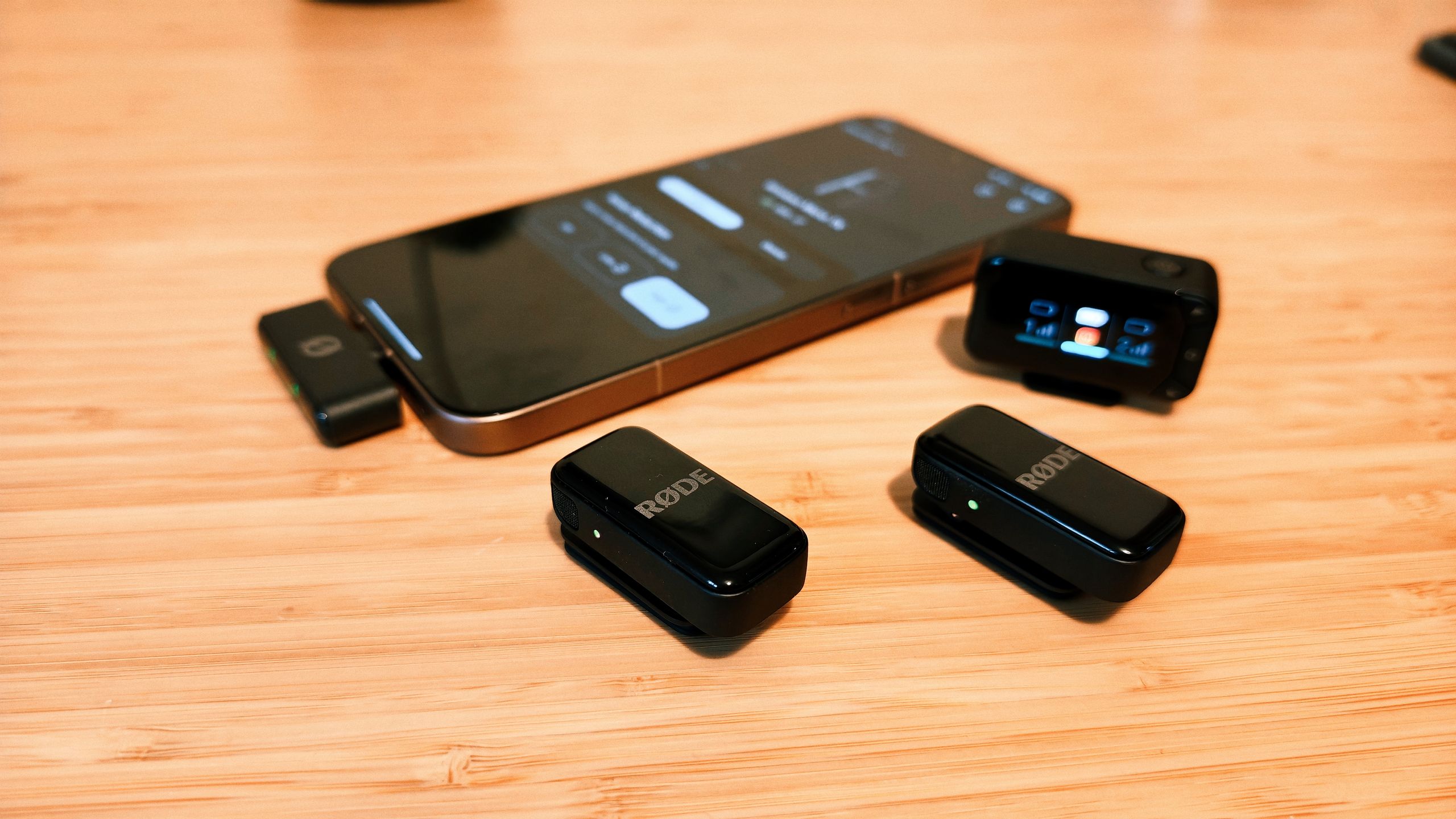
The RØDE Wireless Micro Camera Kit is a highly portable, easy-to-use system that significantly improves audio quality for content creators, offering excellent sound, long battery life, and a convenient charging case, though it has some limitations with Android app controls and clothing clips.
Google experts Danny Sullivan and John Mueller emphasize that SEO for AI is fundamentally the same as traditional SEO, focusing on creating authentic, original content across various formats like video and audio. They advise against over-optimization for specific search engines, highlighting that AI search prioritizes quality, engagement, and user-centric content. The key is to produce genuine content that resonates with users, as AI systems are increasingly capable of understanding and ranking original material, making the core principles of SEO still relevant.
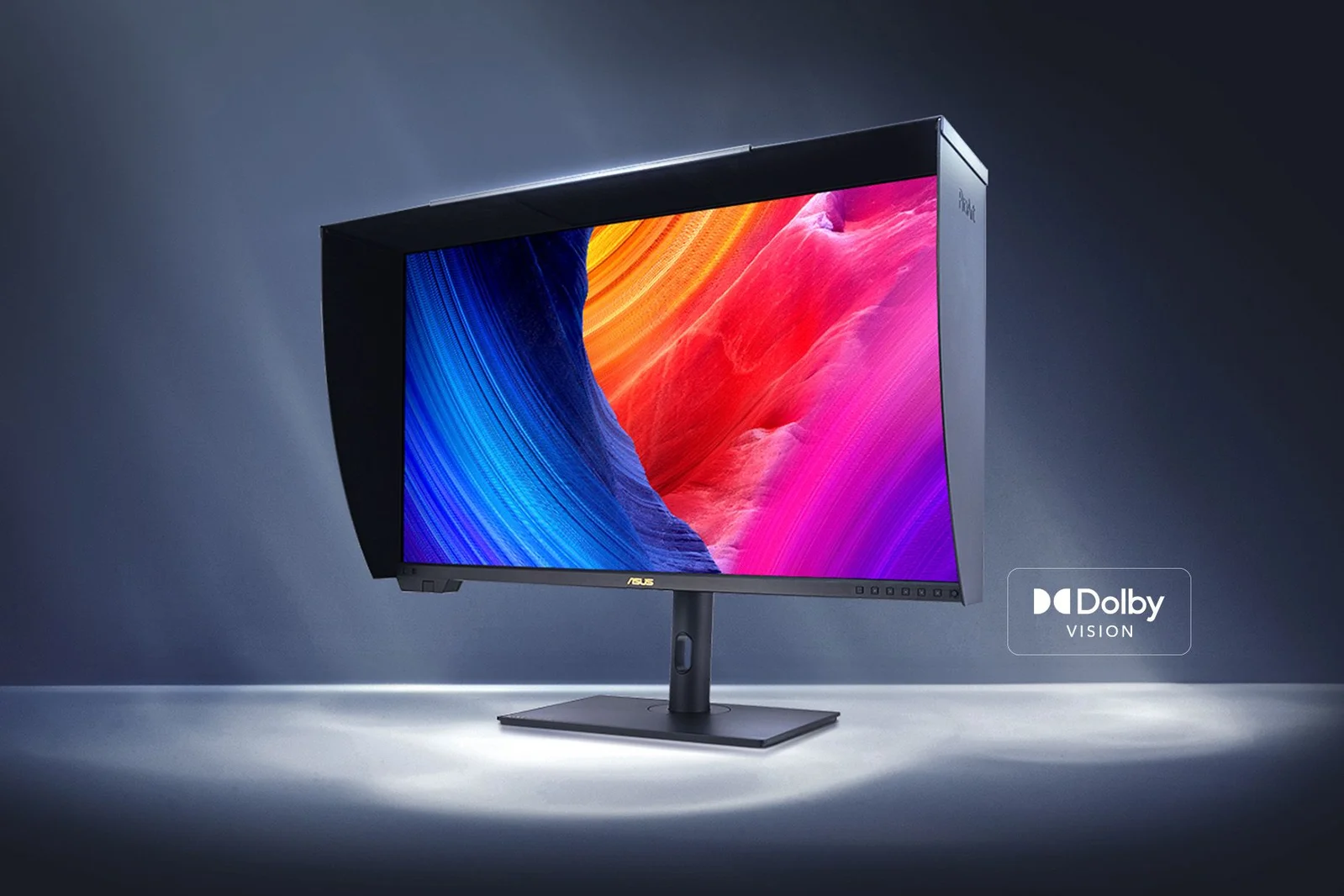
ASUS has launched the ProArt PA32KCX, the world's first 8K HDR Mini-LED monitor designed for professionals like content creators and color graders, featuring high brightness, excellent HDR support, wide color gamut, and advanced connectivity options.
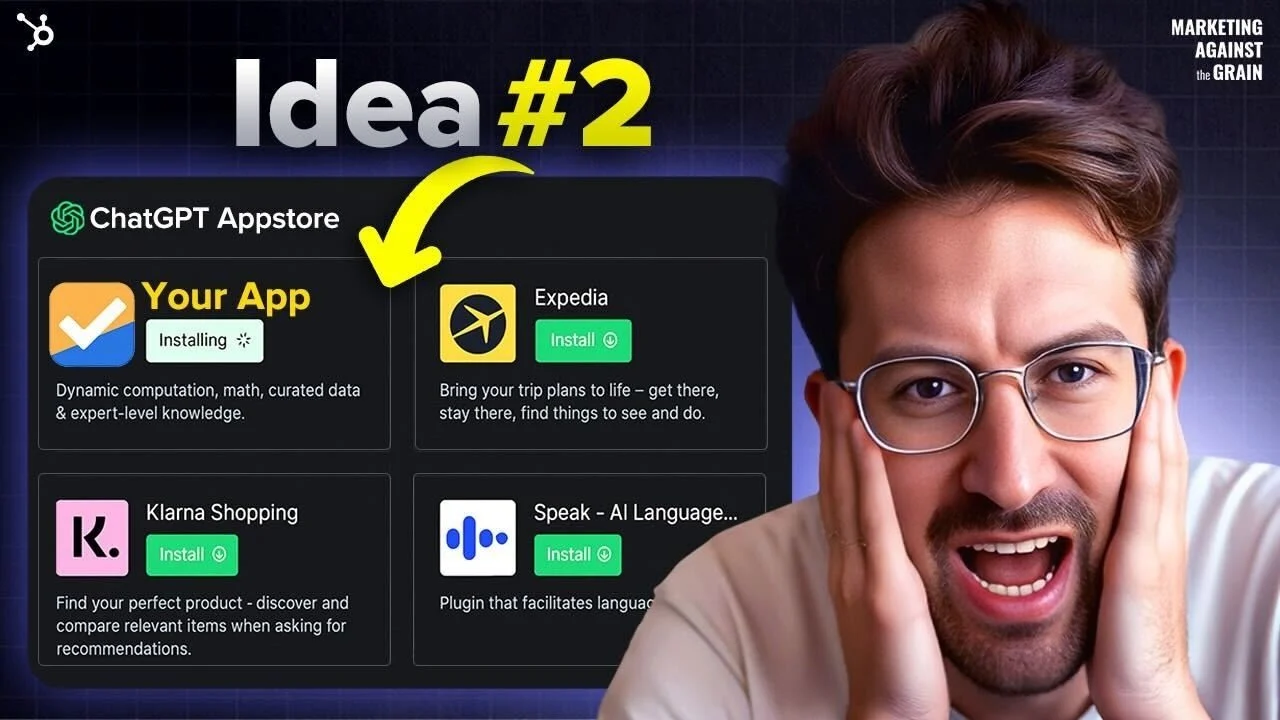
The article explains how entrepreneurs can leverage AI technology to build a successful $1M business by identifying niche markets, utilizing AI tools for automation and content creation, developing AI-driven applications, and validating ideas early to reduce risks, emphasizing the vast opportunities AI offers for scalable and innovative ventures.
A new report indicates that over 50% of recent internet articles are now AI-generated, with the share plateauing around this level since late 2024, suggesting a stabilization in AI content production and potential shifts in content creation practices.
OpenAI launched Sora 2, a social media platform for AI-generated content, marking a significant shift in content creation and distribution, especially impacting comedians by increasing competition and changing marketing strategies amid concerns over authenticity and job security.
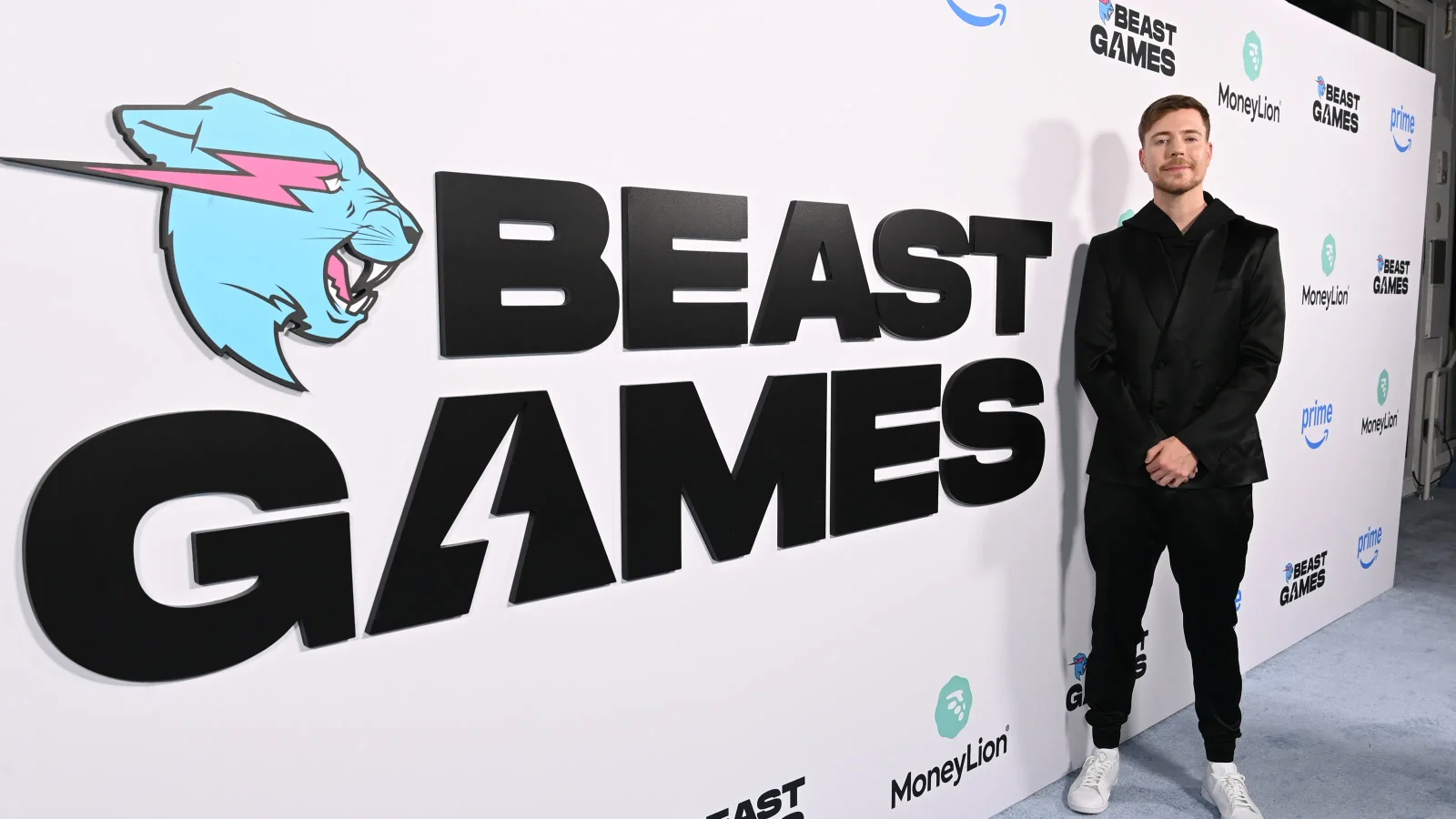
MrBeast announced a partnership with East Carolina University in 2022 to create a content creation credential program, but nearly three years later, the program has not launched, and its future remains uncertain amid bureaucratic delays and ongoing discussions.
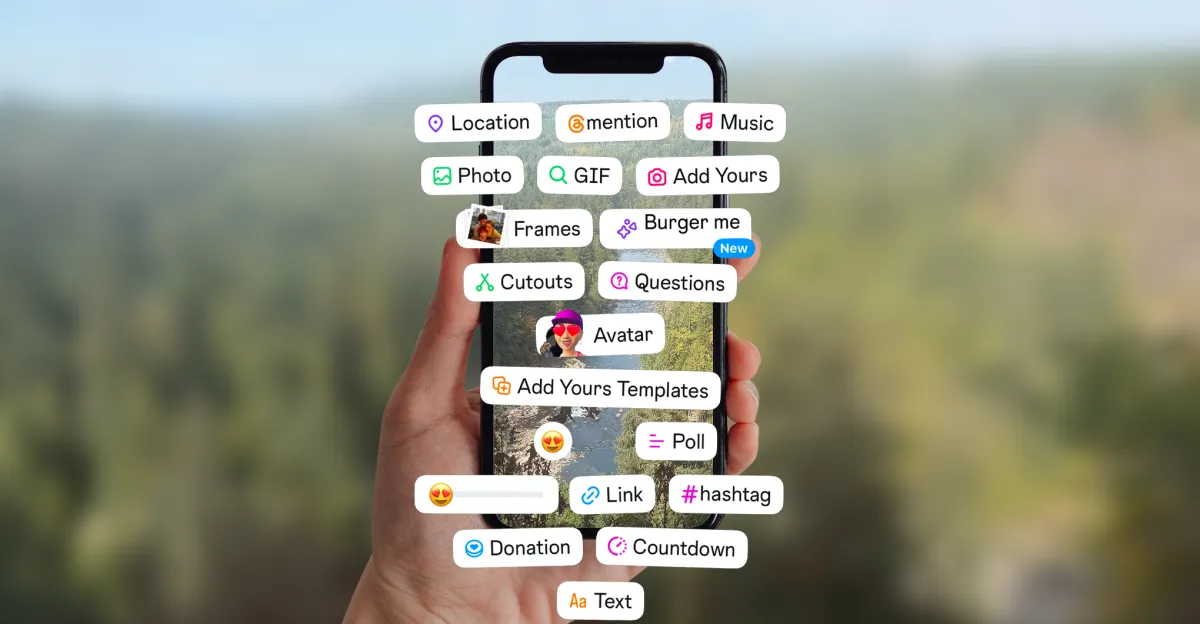
The author laments that Instagram has become overly complicated with multiple features like Stories, Reels, and AI prompts, turning simple photo sharing into a complex content creation platform. They wish for a simpler, more straightforward photo sharing mode, akin to the app's earlier days, instead of the current bloated experience focused on engagement and content.
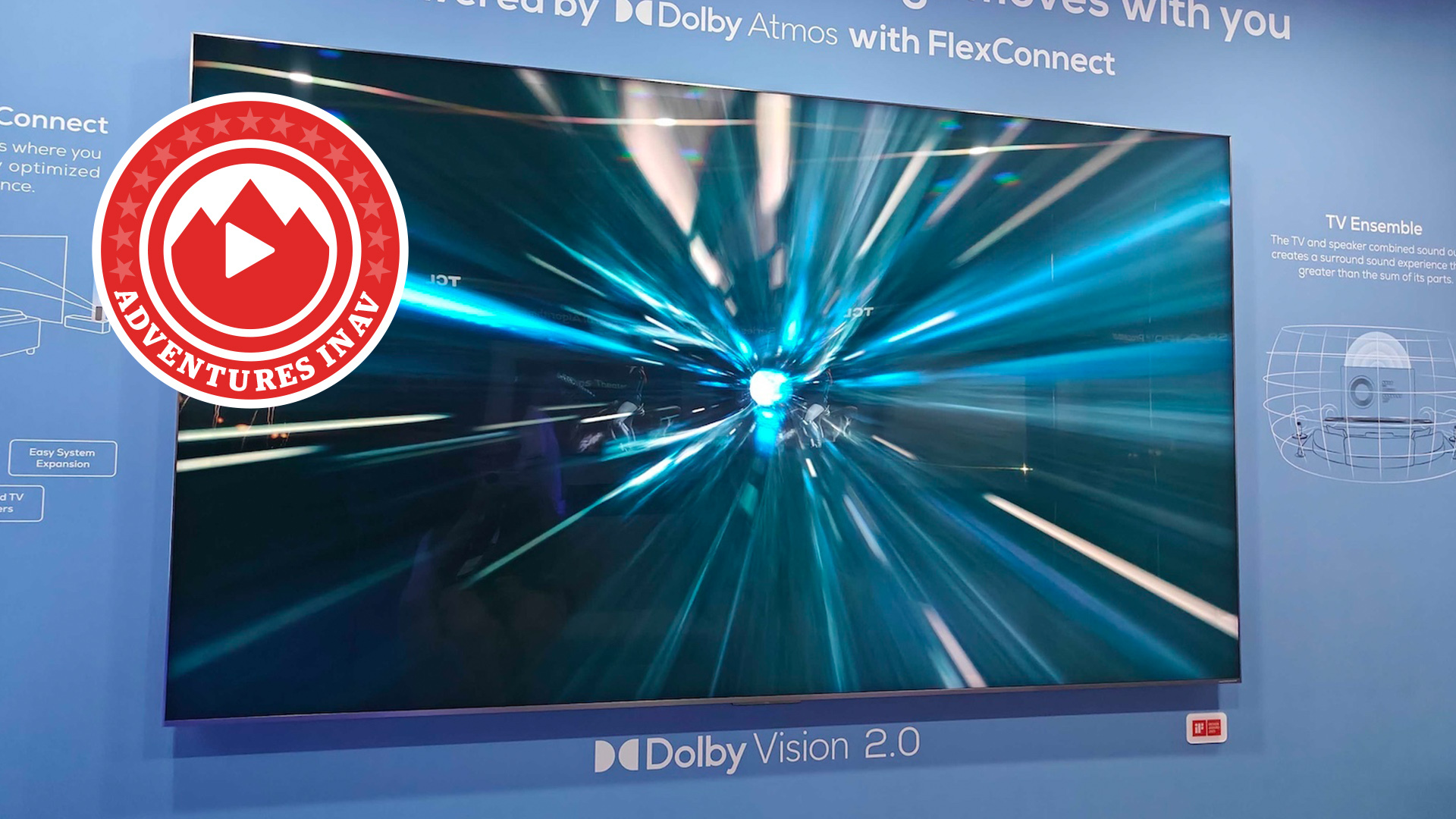
Dolby Vision 2 aims to significantly improve home cinema by focusing on professional content mastering and advanced motion handling, potentially transforming viewing experiences, but may require new TVs for consumers.
Gen Z workers are increasingly using their work hours to create and share content on platforms like TikTok, turning mundane office activities into viral videos and supplementing their income through brand partnerships, while also raising concerns about professionalism and confidentiality in the workplace.