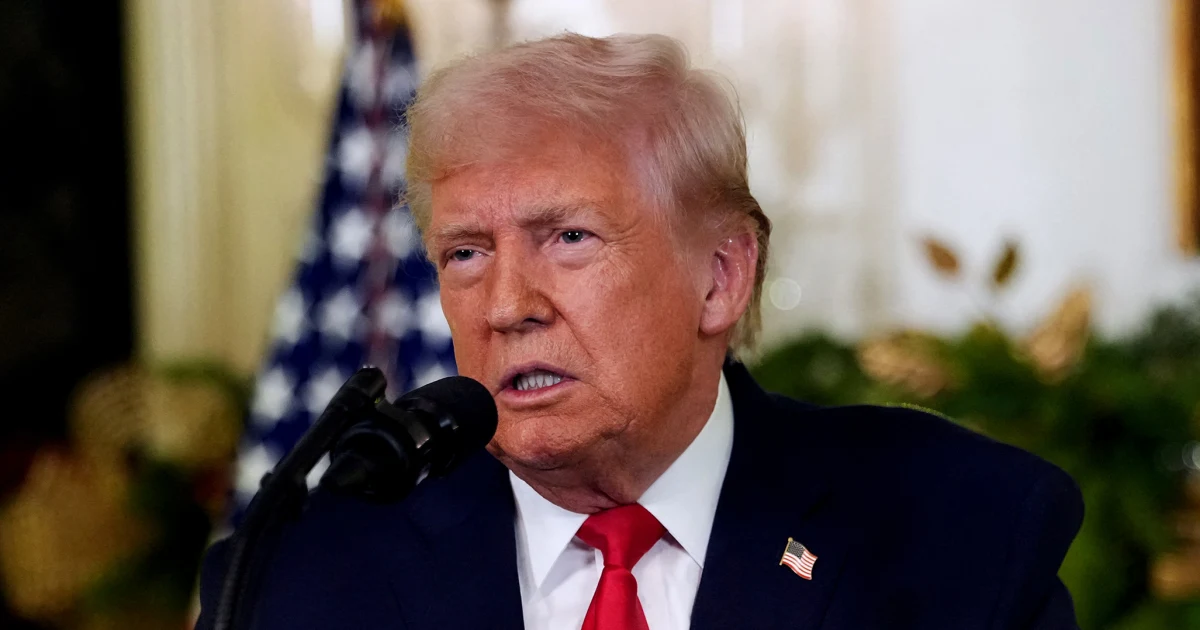
President Trump made various claims about the US economy, wages, immigration, and prices, with some being accurate and others misleading or false, including assertions about wage growth, border security, inflation, gas prices, turkey prices, foreign investment, job creation, drug prices, and tariffs.
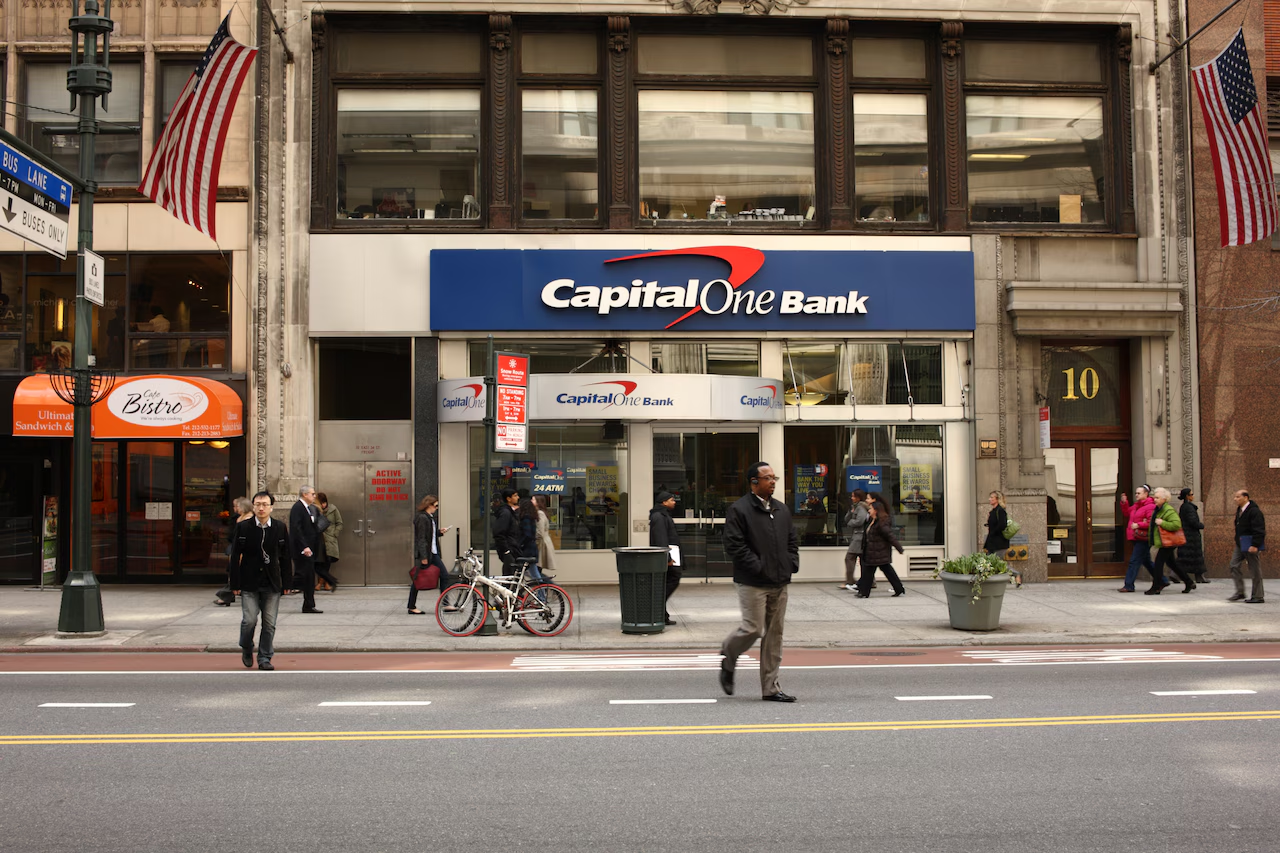
Capital One is offering a $425 million settlement for customers misled about the interest rates on its 360 Savings Account, with a claim deadline of October 2, 2025, for those who held accounts between September 2019 and June 2025.
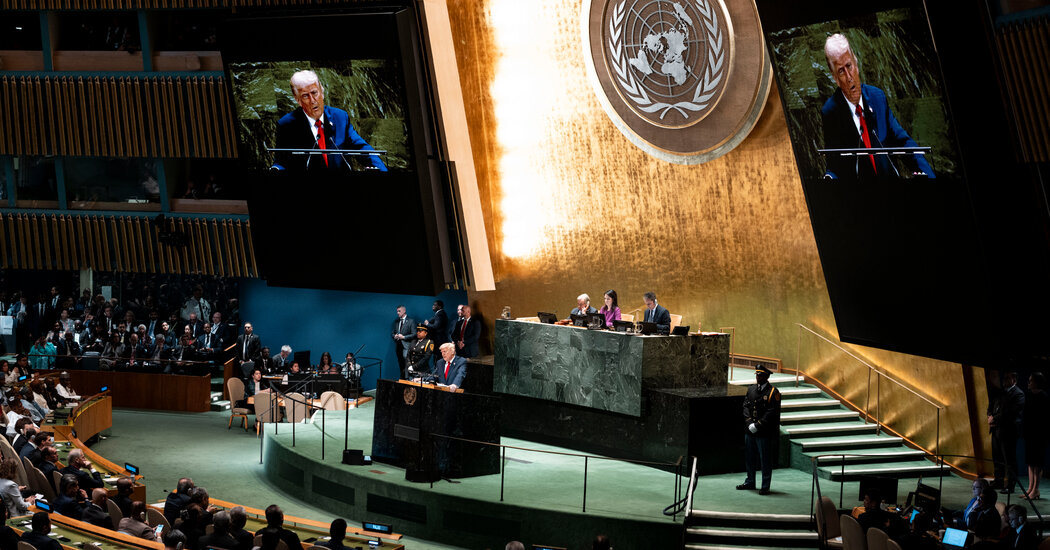
President Trump delivered a speech at the U.N. General Assembly making several false and misleading claims about the economy, renewable energy, and London’s mayor, which were fact-checked and found to be inaccurate or exaggerated.
The FDA has issued around 100 warning letters to pharma and biotech companies for misleading direct-to-consumer drug advertisements, highlighting specific ads that falsely suggest benefits, downplay risks, or use attention-grabbing visuals that impair understanding, as part of increased enforcement efforts.
President Trump falsely claimed that 300 million Americans died from drugs last year, a figure vastly exaggerated compared to actual overdose deaths of around 75,000, highlighting his tendency for making wildly inaccurate statements.
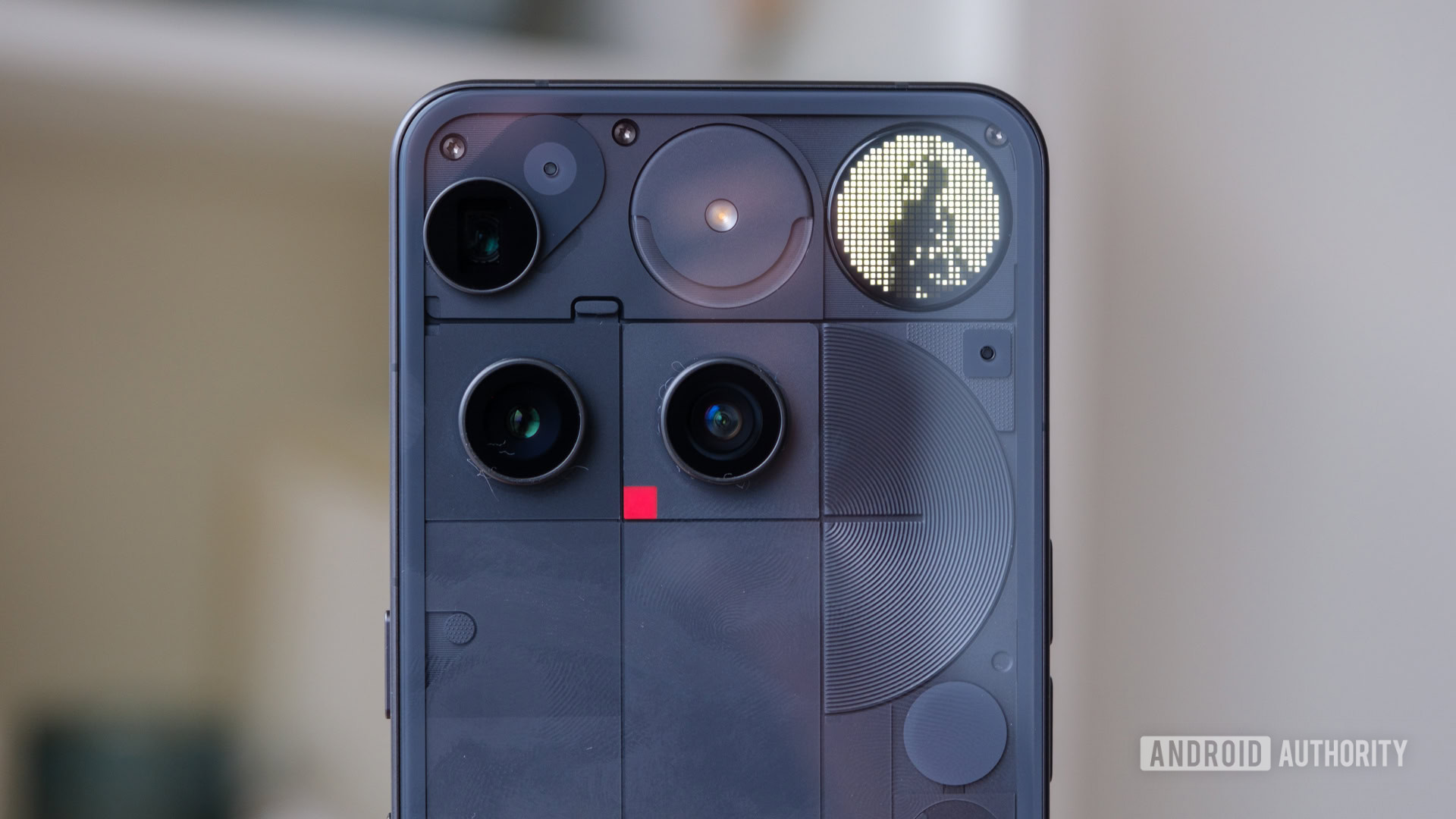
A retail demo of the Nothing Phone 3 was found to display misleading camera samples, which were actually taken by professional photographers using different cameras, not the Phone 3. Nothing has acknowledged the issue and plans to update the demo units, raising concerns about honesty in marketing practices.
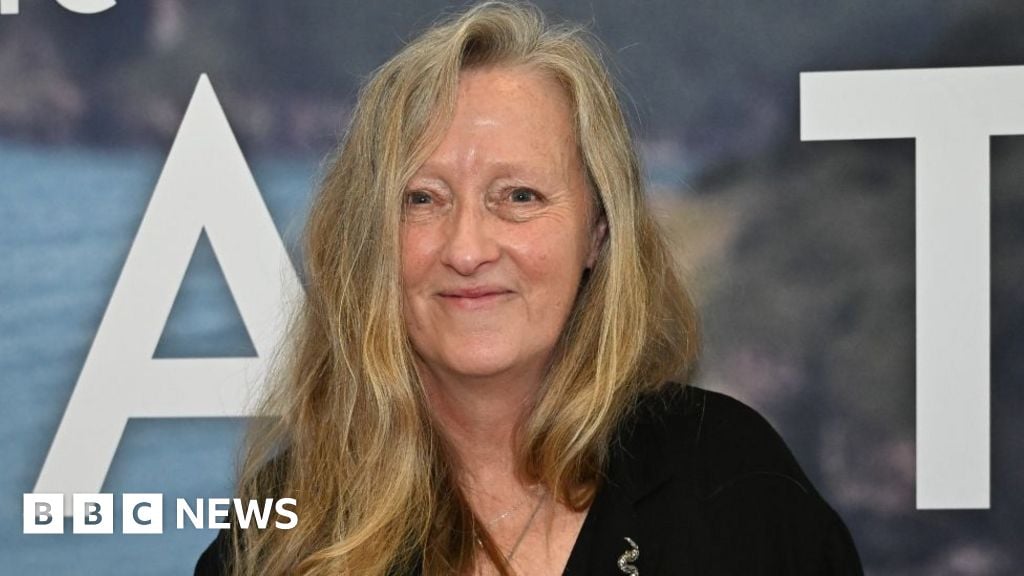
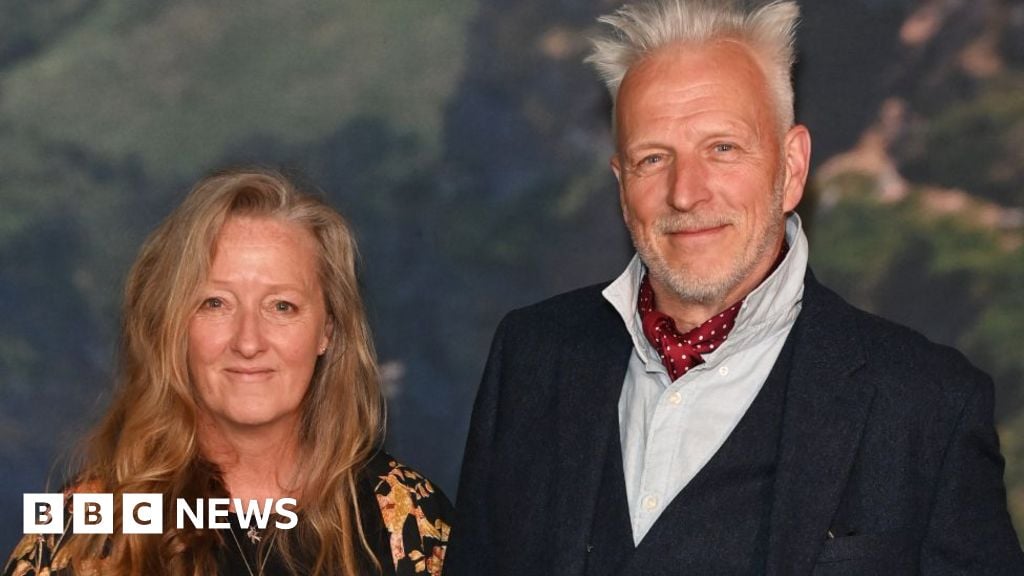
Raynor Winn responded to allegations from The Observer claiming she misrepresented her life story and her husband's health in her book The Salt Path, providing documents to support her claims and admitting to some past mistakes, while denying the core allegations and clarifying details about her and her husband's circumstances.
Raynor Winn, author of The Salt Path, defends her memoir against allegations of misrepresentation by the Observer, which claims she fabricated details about her husband's illness and their financial struggles; Winn insists her account is truthful and is seeking legal advice.
An investigation by The New York Times reveals that cord blood banks have misled parents about the potential benefits of storing their infants' umbilical cord blood. Despite claims of future medical use, many stored samples are often unusable due to low volume or contamination. The technology's promise has not lived up to the marketing hype, and its use is actually declining.
Italian influencer Chiara Ferragni has been fined $1 million by the Italian Competition Authority for misleading consumers with claims that proceeds from a limited edition cake sold in partnership with a pastry brand would be donated to charity. The investigation found that the donation never materialized, and instead, two companies associated with Ferragni received over $1.1 million from the deal. Ferragni has apologized and pledged to donate 1 million euros to the hospital, but she plans to challenge the fine as disproportionate.
Italian influencer Chiara Ferragni has been fined $1 million by Italian authorities for misleading consumers with claims that proceeds from a limited edition cake sold in partnership with a pastry brand would be donated to charity. The investigation found that the donation never materialized, and instead, two companies associated with Ferragni received over $1.1 million from the deal. Ferragni has apologized and pledged to donate 1 million euros to the hospital, but she plans to challenge the fine as disproportionate.
Italian Prime Minister Giorgia Meloni criticized influencers who make money from misleading charity claims, indirectly referring to the recent antitrust fine imposed on top influencer Chiara Ferragni. The antitrust authority fined Ferragni's companies and cake maker Balocco for misleading advertising on Christmas cakes, which falsely claimed to contribute to a bone cancer charity. Meloni emphasized the importance of promoting genuine Made in Italy products rather than superficial displays of wealth.
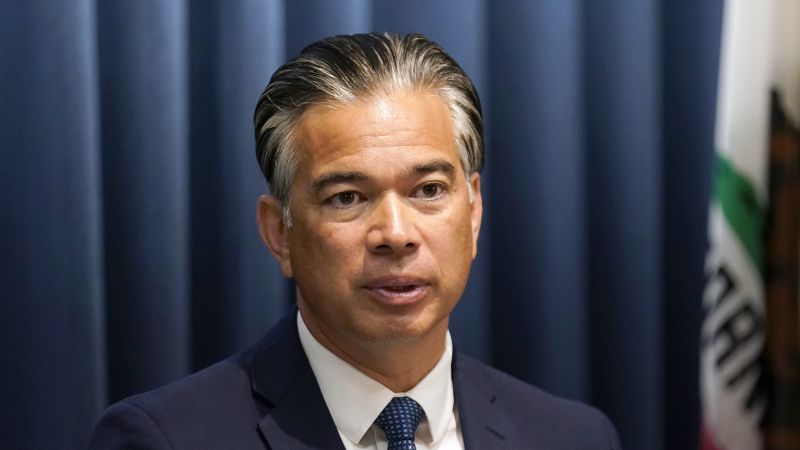
California Attorney General Rob Bonta has filed a lawsuit against crisis pregnancy centers Heartbeat International (HBI) and RealOptions, accusing them of making fraudulent and misleading claims about a procedure they call "abortion pill reversal." The organizations allegedly promote the idea that the effects of mifepristone, a medication used for induced abortions, can be reversed through high doses of progesterone. Bonta argues that there is no evidence supporting the effectiveness or safety of this protocol. The lawsuit seeks to halt the promotion of these procedures and impose fines for violating business codes.
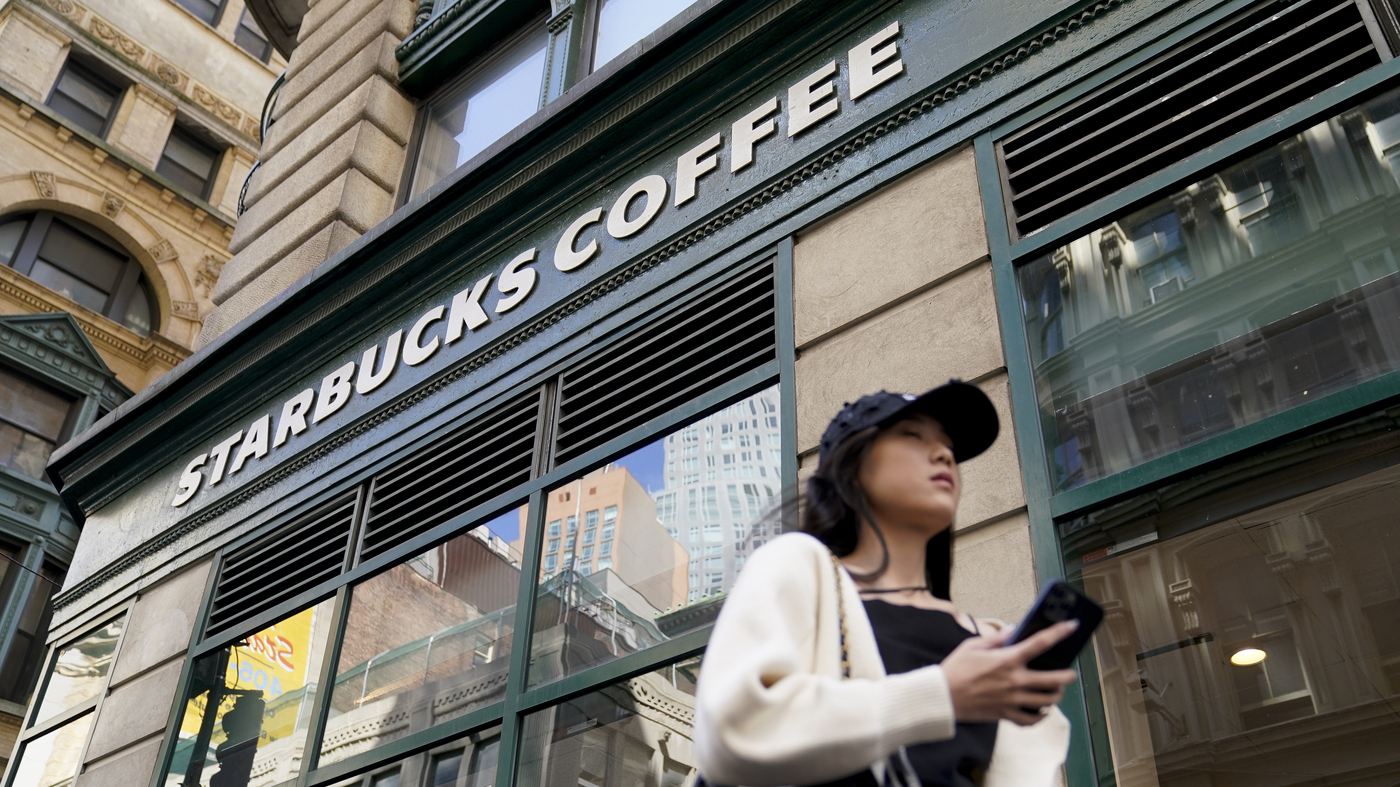
Fed-up consumers are increasingly taking major food and beverage companies to court over misleading advertising claims. Recent examples include Starbucks being sued for its fruit-based drinks lacking the fruits in their names, and accusations against companies like Barilla, Burger King, Buffalo Wild Wings, Subway, and Taco Bell for misrepresenting their products. While companies can make opinion claims about their products, false factual claims are not allowed under false advertising law. The growing mistrust of companies and the ability to share experiences online have contributed to the rise in litigation. Law firms specializing in food and beverage false advertising cases recruit plaintiffs for possible class-action suits, with attorneys' fees being a significant incentive. The increase in deceptive-marketing cases may lead companies to be more cautious in their future advertisements.
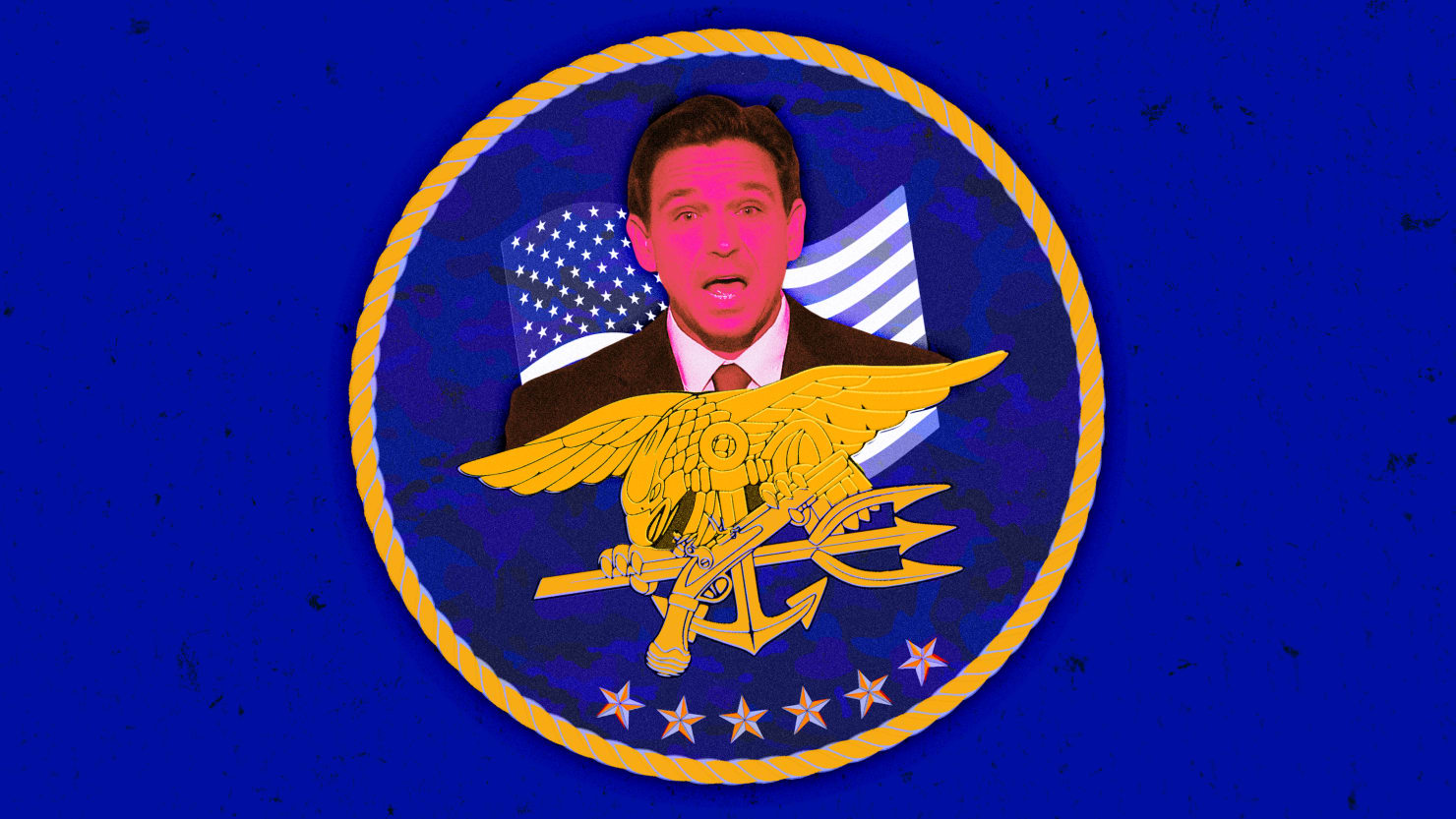
Florida Governor Ron DeSantis is facing criticism from actual Navy SEALs for his misleading claims about serving as a SEAL in Iraq. While DeSantis did serve as a Navy lawyer and legal adviser to a SEAL commander in Iraq, he was never a SEAL himself. Former SEALs argue that DeSantis' narrative is a lie by omission, as he fails to clarify his role accurately. Some veterans and politicians have expressed their frustration with DeSantis for misleading the public about his military service.