Tag

Minimally Invasive Surgery

All articles tagged with #minimally invasive surgery

Breakthrough in minimally invasive high-density brain-computer interfaces

Originally Published 3 months ago — by Nature

Featured image for Breakthrough in minimally invasive high-density brain-computer interfaces
Source: Nature

The article discusses a scalable, minimally invasive system of conformable, high-density cortical microelectrode arrays designed for neural recording, stimulation, and decoding, demonstrated in animal models and human patients, with potential to significantly advance brain-computer interface applications while prioritizing safety and reversibility.
"Placebo Surgeries Prove Surprisingly Effective"

Originally Published 1 year ago — by theconversation.com

Featured image for "Placebo Surgeries Prove Surprisingly Effective"
Source: theconversation.com

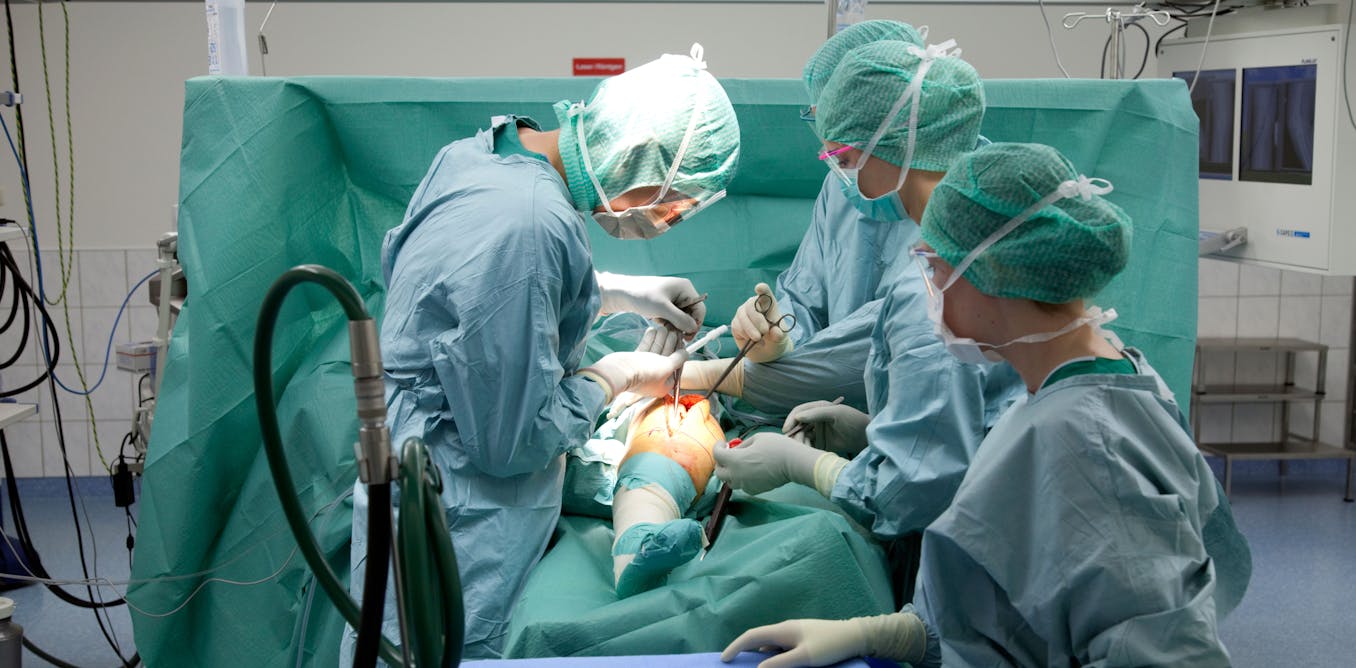
Research shows that placebo or "sham" surgeries, which mimic real procedures without actual intervention, can be as effective as real surgeries for pain and function improvement. Despite their benefits and lower risks, these minimally invasive procedures are underutilized due to ethical concerns and misconceptions.

"OLLIF Procedure Set to Revolutionize Spine Surgery"

Originally Published 1 year ago — by KSTP

Featured image for "OLLIF Procedure Set to Revolutionize Spine Surgery"
Source: KSTP

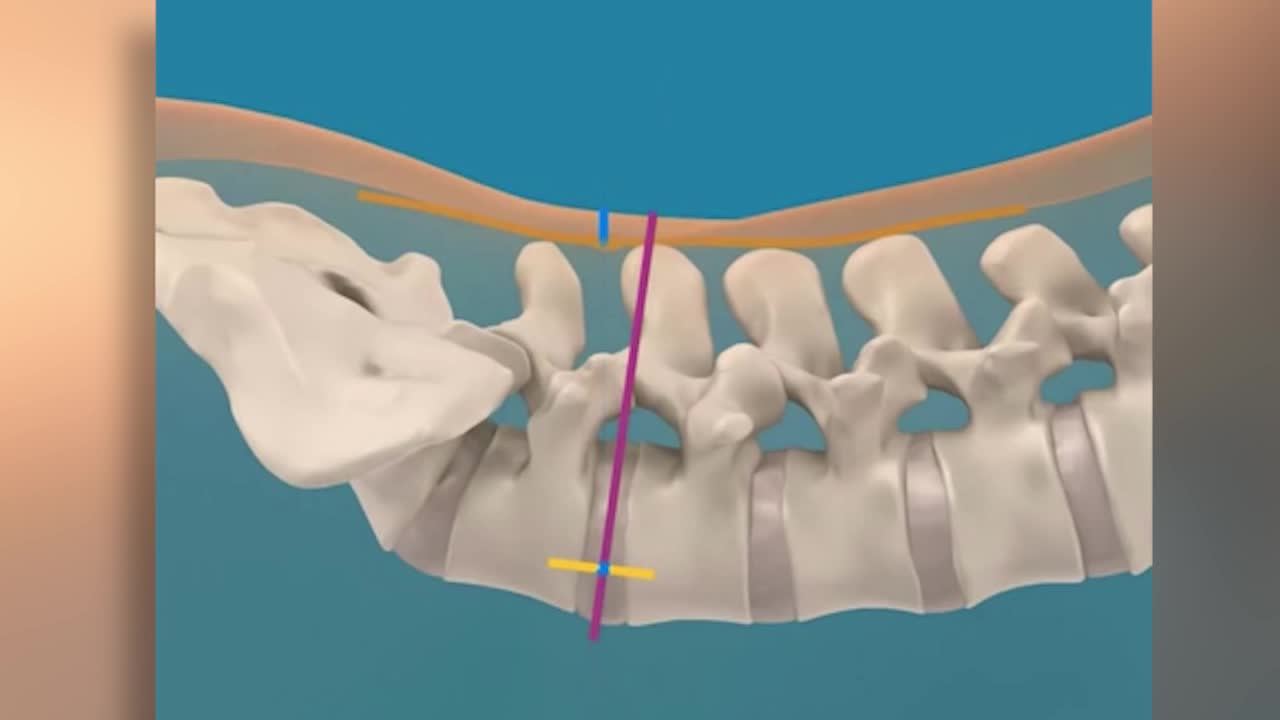
The OLLIF (Oblique Lateral Lumbar Interbody Fusion) procedure, a minimally invasive alternative to traditional spinal surgery, is being hailed as a "game changer" by experts. Despite its benefits, including reduced recovery time and lower risk of complications, it remains relatively unknown with only a few doctors in the U.S. practicing it. Dr. Hamid Abbasi and other surgeons advocate for wider adoption, emphasizing its potential to improve outcomes for millions of patients.

"Sprayable Gel: Simplifying and Safeguarding Minimally Invasive Surgeries"

Originally Published 1 year ago — by Medical Xpress

Featured image for "Sprayable Gel: Simplifying and Safeguarding Minimally Invasive Surgeries"
Source: Medical Xpress

Researchers at MIT have developed a sprayable gel called GastroShield, which can be applied through an endoscope to reinforce tissue and prevent delayed bleeding during and after minimally invasive surgeries such as colonoscopies. The gel forms a protective layer that integrates seamlessly with current endoscopic procedures and provides wound protection for three to seven days, aiding tissue healing. The material, developed by a team that has started a company called BioDevek, has shown promise in animal studies and could have potential applications in treating stomach ulcers, Crohn's disease, and delivering cancer drugs.

"Revolutionizing Surgery: Smart Lasers Replace Traditional Bone Saws"

Originally Published 2 years ago — by Phys.org

Featured image for "Revolutionizing Surgery: Smart Lasers Replace Traditional Bone Saws"
Source: Phys.org

Researchers at the University of Basel have developed a system that combines three lasers to cut bone, control cutting depth, and differentiate between different tissues. The first laser scans the surroundings and creates a map of the bone and soft tissue. The second laser cuts the bone only in the designated areas, while the third laser measures the depth of the cut. The system is autonomous and has been tested on femur bones and pig tissue, proving its accuracy and potential for minimally invasive surgery. The researchers are working on miniaturizing the system to fit into the tip of an endoscope.

"Revolutionary Pangolin-Inspired Medical Robot Stops Internal Bleeding and Performs Procedures"

Originally Published 2 years ago — by Tech Xplore

Featured image for "Revolutionary Pangolin-Inspired Medical Robot Stops Internal Bleeding and Performs Procedures"
Source: Tech Xplore

Scientists from the Max Planck Institute for Intelligent Systems have developed a soft medical robot inspired by the pangolin that can curl up into a sphere and emit heat when needed. The robot is made of a soft polymer layer studded with magnetic particles and a hard metal layer arranged in overlapping scales. When exposed to a low-frequency magnetic field, the robot can be rolled up and moved back and forth, making it ideal for transporting particles such as medicines. When exposed to a high-frequency magnetic field, the robot heats up to over 70°C, making it useful for medical procedures such as treating thrombosis, stopping bleeding, and removing tumor tissue.

52-year-old nurse diagnosed with cancer after hospital visit for fall.

Originally Published 2 years ago — by Yahoo News

Featured image for 52-year-old nurse diagnosed with cancer after hospital visit for fall.
Source: Yahoo News

Donna Ford, a nurse, was diagnosed with acute promyelocytic leukemia after being admitted to the hospital for a brain bleed. She became the third patient in the US to undergo a new minimally invasive treatment where tiny catheter tubes are snaked up through the groin area into the brain to block the artery that's feeding the bleed. The surgery was successful, and Ford was able to recover quickly without undergoing neurosurgical intervention in the brain. She has since finished her last round of chemotherapy and will continue to go for follow-up appointments.

ER Visit for Fall Leads to Cancer Diagnosis for 52-Year-Old Nurse

Originally Published 2 years ago — by TODAY

Featured image for ER Visit for Fall Leads to Cancer Diagnosis for 52-Year-Old Nurse
Source: TODAY

Donna Ford, a nurse, was diagnosed with acute promyelocytic leukemia after being diagnosed with a subdural hematoma. She became the third patient in the US to undergo a new minimally invasive type of treatment where tiny catheter tubes are snaked up through the groin area into the brain to block the artery in the brain that's feeding the bleed. The surgery may be minimally invasive, but the results can be dramatic, and in a matter of 24 to 48 hours, patients are basically back to normal without having to undergo neurosurgical intervention in the brain. Today, Ford has finished her last of four rounds of chemotherapy and will continue to go for follow-up appointments.

Intuitive Surgical's Robotic Surgery Resurgence Boosts Stock.

Originally Published 2 years ago — by Yahoo Finance

Intuitive Surgical's Q1 revenue grew 14% YoY to $1.7 billion, beating Wall Street estimates, as patients returned to healthcare providers post-COVID and hospitals used robotic-assisted procedures for minimally invasive surgeries. The company raised its 2023 procedure growth guidance from 12-16% to 18-21%. Most analysts are bullish on the stock, with 15 Buy ratings, 14 Hold, and 1 Sell.

Revolutionary 3D Bioprinter Repairs Tissue Damage from Within.

Originally Published 2 years ago — by Engadget

Featured image for Revolutionary 3D Bioprinter Repairs Tissue Damage from Within.
Source: Engadget

Researchers at the University of New South Wales have developed a flexible 3D bioprinter, called F3DB, that can layer organic material directly onto organs or tissue. The printer has a soft robotic arm that can assemble biomaterials with living cells onto damaged internal organs or tissues. Its snake-like flexible body would enter the body through the mouth or anus, with a pilot/surgeon guiding it toward the injured area using hand gestures. The team hopes its multifunctional approach could someday be an all-in-one tool for minimally invasive operations.