The Pakistan Cricket Board (PCB) has requested a written explanation from the Board of Control for Cricket in India (BCCI) regarding India's refusal to travel to Pakistan for the Champions Trophy. The PCB was informed by the ICC that the Indian government has not permitted the Indian team to participate in the tournament scheduled in Pakistan. The PCB insists on hosting the entire event in Pakistan and rejects any hybrid model, despite previous use for the Asia Cup. The situation involves the Pakistan government, and the PCB is firm on its stance due to past grievances over hosting arrangements.
The Pakistan Cricket Board (PCB) is consulting with the Pakistan government after the Board of Control for Cricket in India (BCCI) announced that India will not travel to Pakistan for the 2025 Champions Trophy. The PCB has rejected a hybrid hosting model and insists on holding the entire tournament in Pakistan. This decision comes amid political tensions between the two countries, with the PCB seeking a formal explanation from the BCCI and the International Cricket Council (ICC) facing challenges in organizing the event without India.
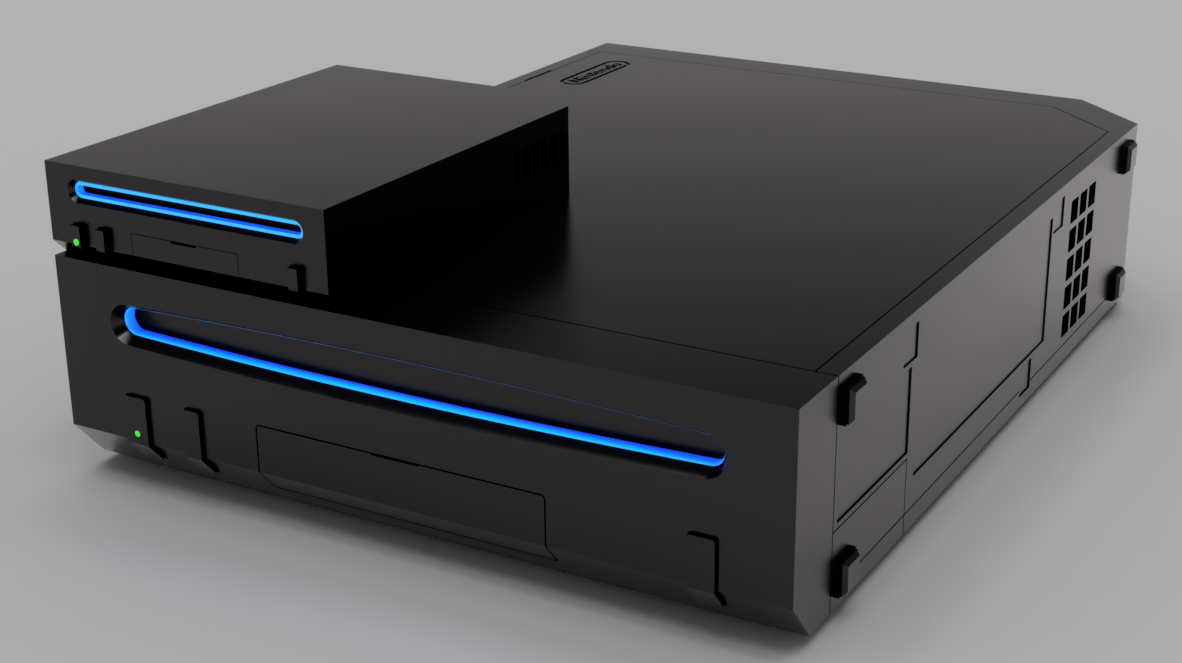
A modder has created what may be the smallest Nintendo Wii yet, roughly the size of a deck of cards, using a custom-built housing and original Wii motherboard cut down to the bare basics. Specialized PCBs handle power, data, video output, and memory, while additional custom PCBs were designed for power, micro SD card, HDMI connector, controller ports, and buttons. The build, nicknamed Short Stack, is just 7.4% the volume of an original Wii, and the modder believes it's possible to go even smaller in the future.
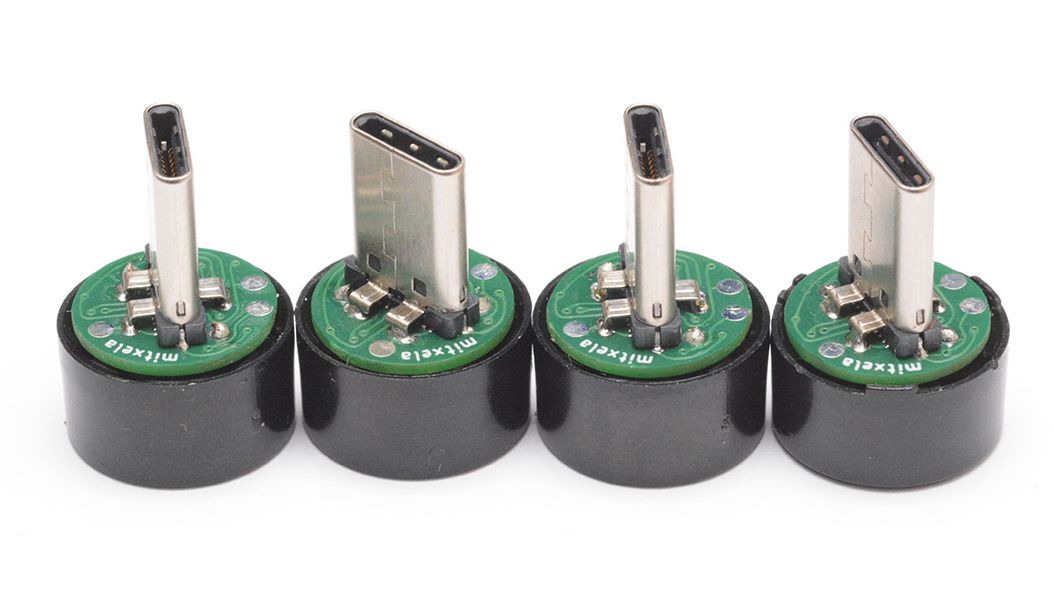
[mitxela] has built an even smaller and less useful synthesizer called the "Silly Synth," which fits all the components on a PCB smaller than a tiny piezo speaker. The synth runs on a CH32V003 microcontroller and features a USB-C plug. The crowded design showcases impressive routing, and the panelized design allows for mass production. [mitxela] continues to push the boundaries of miniaturization in synthesizer design.
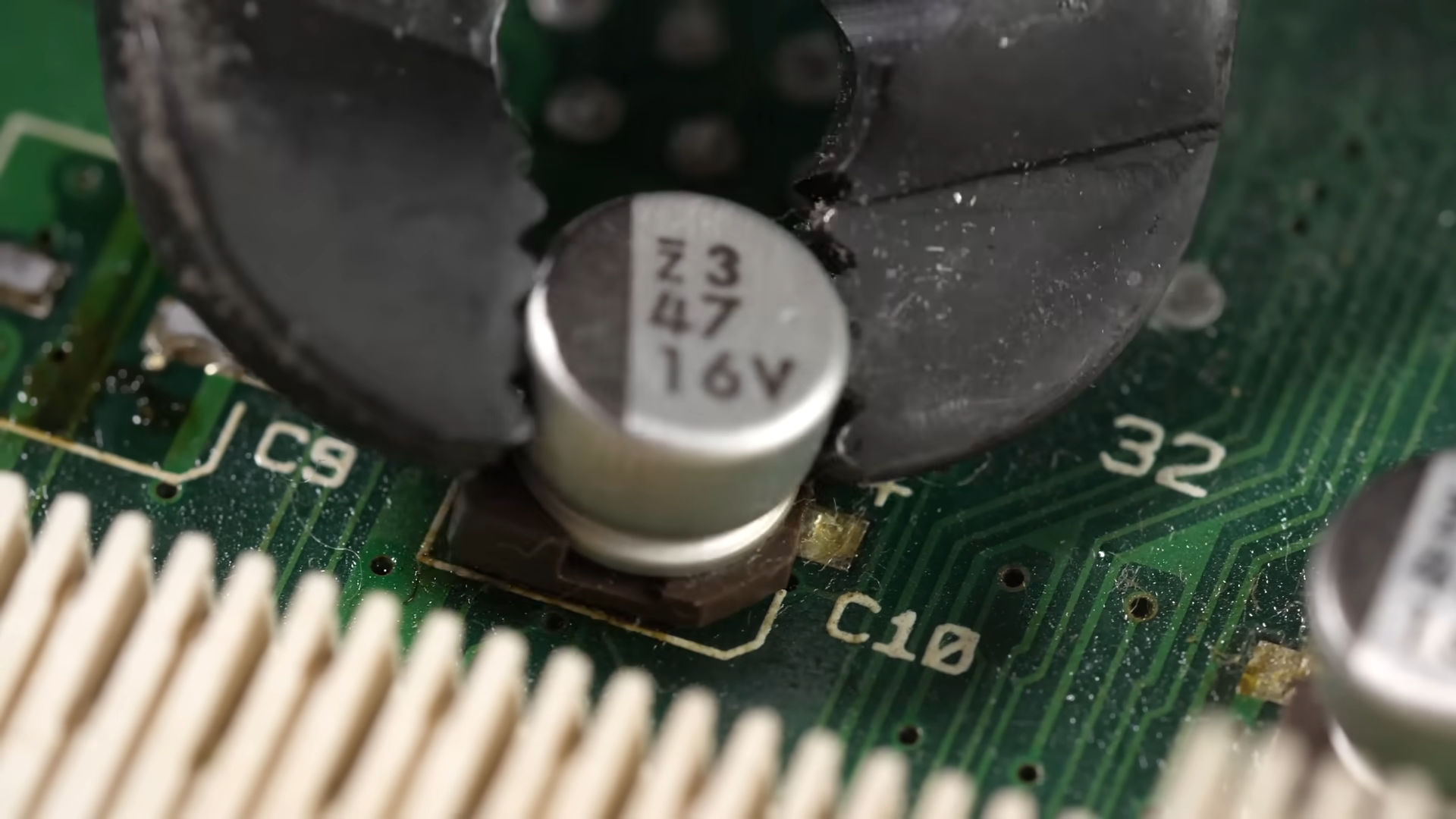
Removing SMD electrolytic capacitors from densely packed PCBs can be challenging. Traditional methods like using a hot-air rework station can be tedious and time-consuming, and there is a risk of damaging the PCB. However, brute force methods like ripping the caps off with pliers or hacking the can off the base with flush cutters have shown success, especially on caps that have already leaked. Alternatively, investing in hot tweezers provides a more efficient and less destructive solution.
Pisces Printing has designed an improved and faster version of a coil winder, using a linear rail, a leadscrew driven by a stepper motor, and controlled by an Arduino Nano. The design includes faster stepper motors, a redesigned PCB with a better power supply, and a 3D printed three-jaw lathe-style chuck for easy fixing of a coil bobbin.
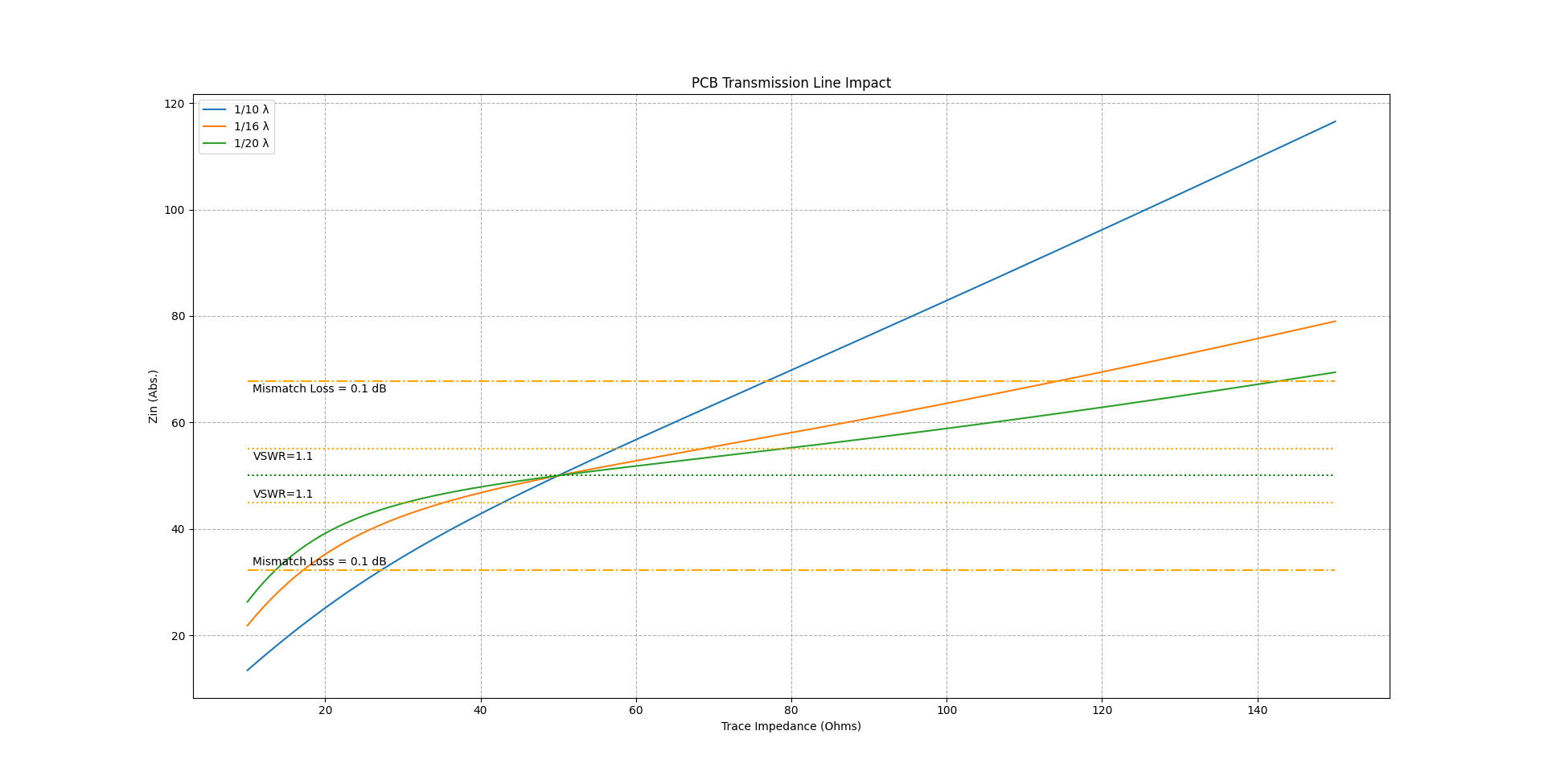
Impedance matching is crucial for higher frequency circuits, but determining the cutoff point between low-frequency and high-frequency circuits is not clear. The popular rule of thumb that no impedance matching is needed if the critical length of a PCB trace is 1/10th of the wavelength may not be accurate. Calculations suggest that a 1/16th rule may be more appropriate for achieving a mismatch loss of less than 0.1 dB. It is important to consider the specific requirements of each design and conduct physical board measurements, as the dielectric constant of FR4 PCB material can vary between manufacturers and batches.
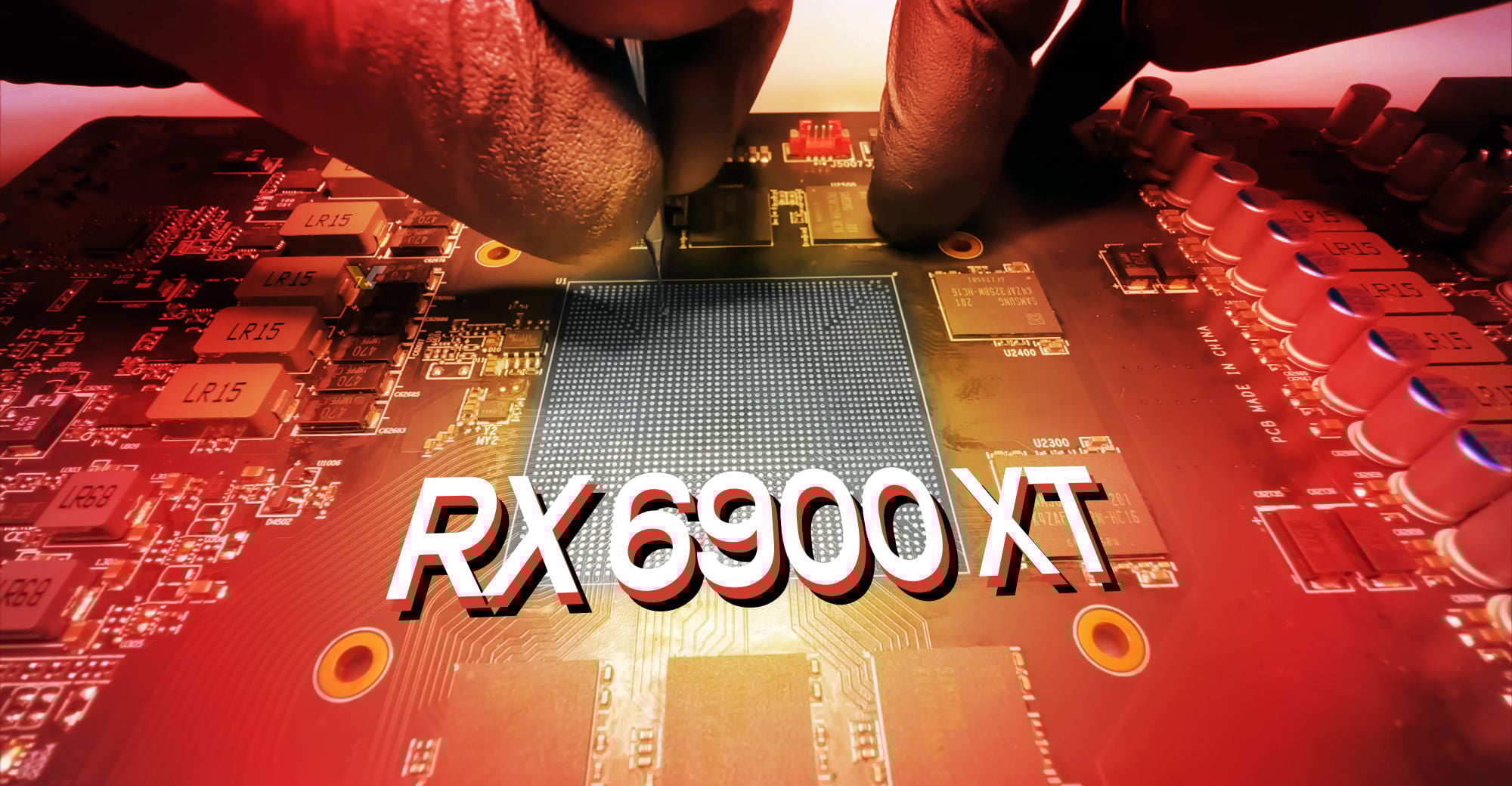
A YouTuber named KrisFix demonstrates an extreme method of repairing a faulty MSI Radeon RX 6900XT GPU by manually drilling into the PCB and inserting a small wire to rectify a disrupted memory pad. This unconventional approach highlights the potential for salvaging seemingly irreparable graphics cards with the right tools and expertise, offering significant cost savings for the owner.
Samsung is reportedly developing the Galaxy Ring, a smart ring that could offer more accurate health readings than smartwatches. The wearable device presents a challenge due to its small size and limited internal space, requiring a minuscule printed circuit board (PCB). Japan's Meiko has been identified as the manufacturer responsible for producing the PCB for the Galaxy Ring, following its successful production of high-density interconnected PCBs for the Galaxy S23 series. Recent reports suggest that Samsung is laying the groundwork for the launch of the Galaxy Ring, potentially expanding its Health app to support a wider range of fitness accessories.
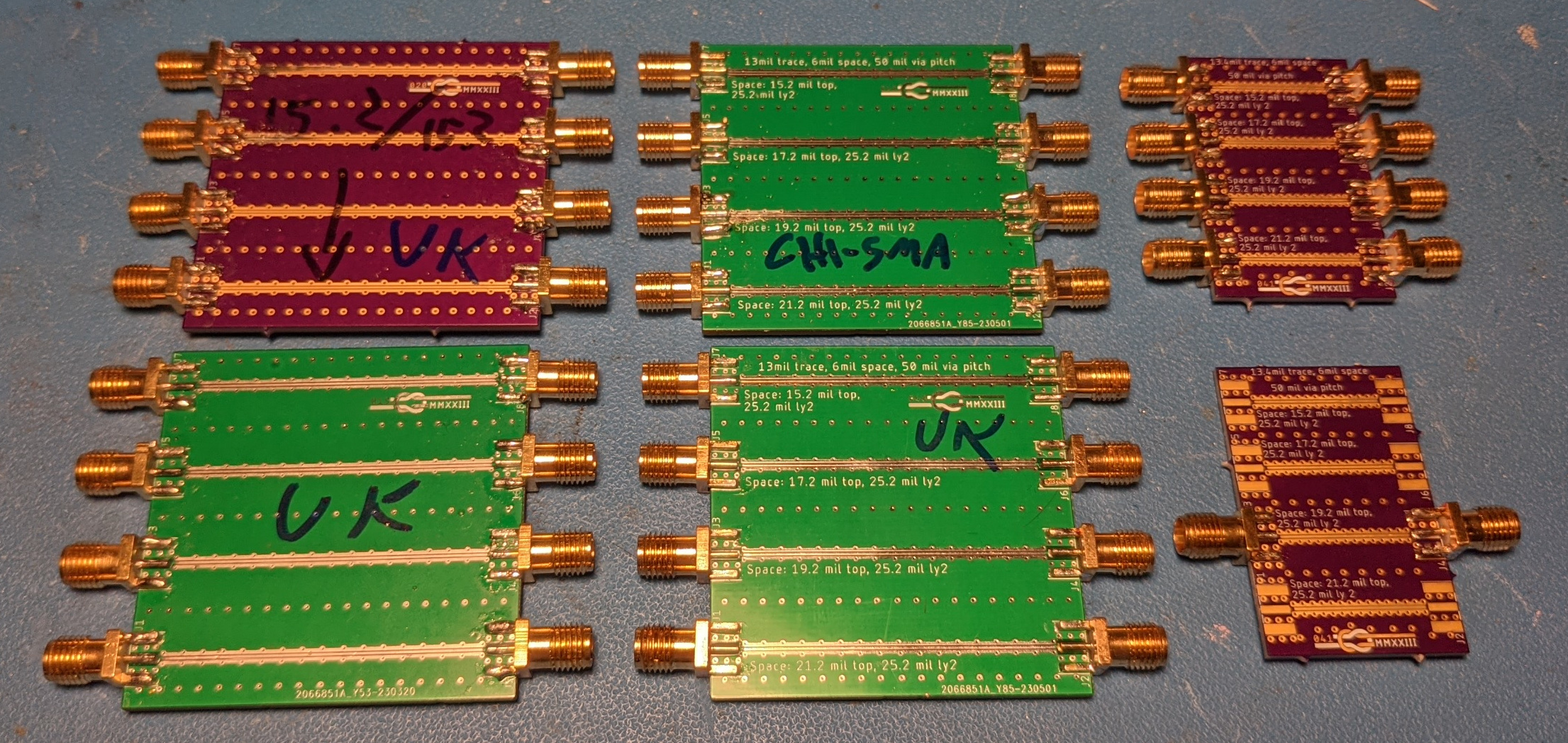
[Rob Ruark] provides tips on how to get decent performance from edge-launch SMA connections for RF applications. The first step is to lock down the PCB process via a specific stack-up. The returned PCBs were characterized using a NanoVNA V2 Plus, to get the S11 (return loss) curve up to about 4.5 GHz, confirming at about -26 dB they were already in a good position for optimization.
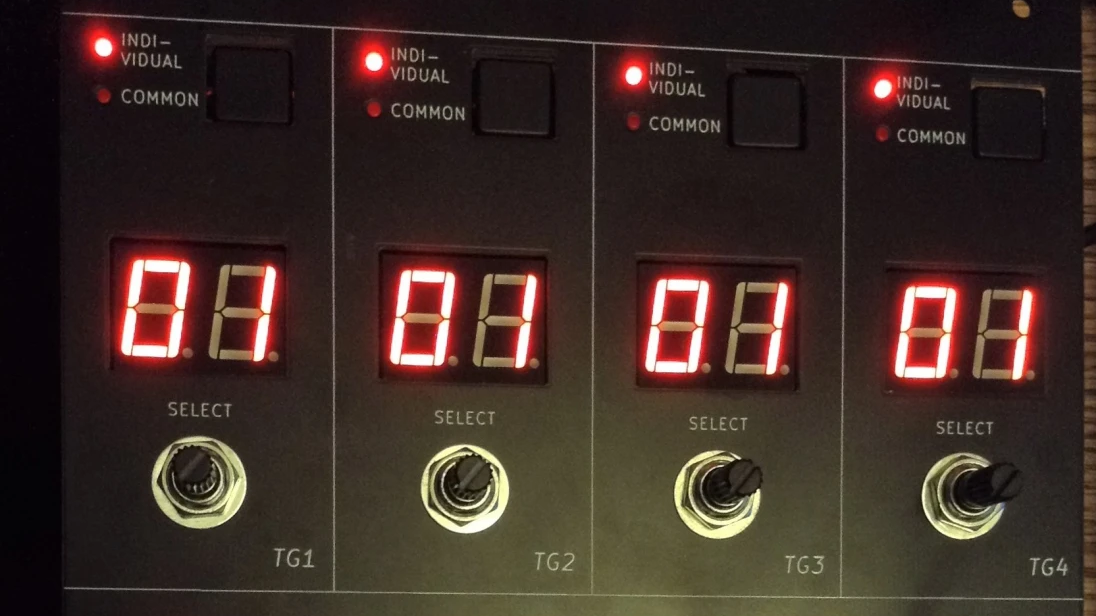
Simple DIY ElectroMusic Projects has released a complete DIY modular design for simulating the classic 80s Yamaha TX816 DX/FM modular digital synthesizer using a Raspberry Pi and custom PCBs. The design includes a user interface for four of the eight channels, a GY-PCM5102 I2C DAC, and MIDI connectors. The MiniDexed firmware running bare-metal on a Raspberry Pi allows for a compatible synth without breaking the bank.
SMD stencils, typically used for applying solder paste to PCBs, can also be used to create custom designs on LED matrix displays. By using Adobe Illustrator to generate the artwork for the stencils, users can easily create one simple shape and copy it over the whole array with proper spacing. The possibilities for custom designs are limited only by imagination.
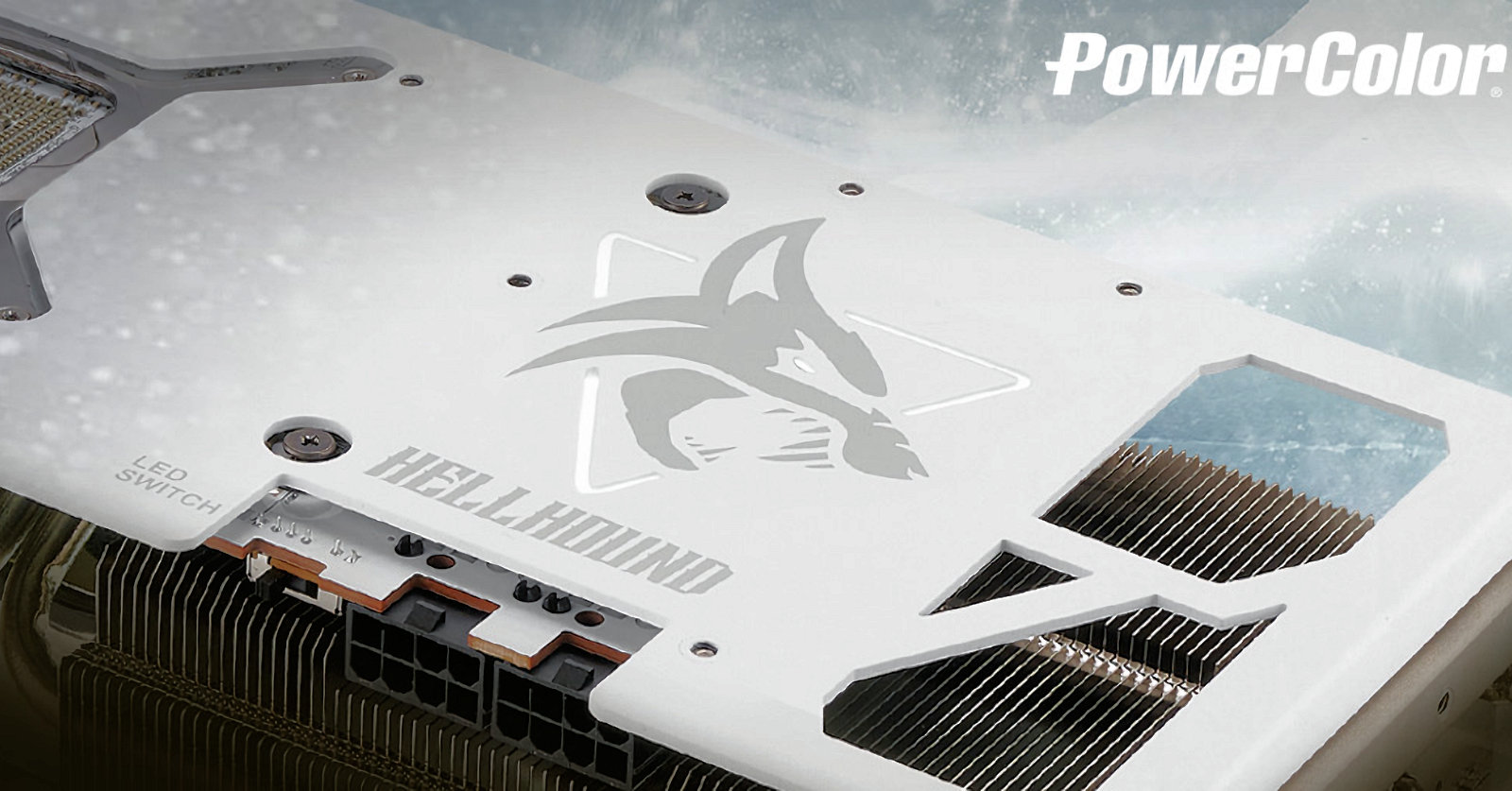
PowerColor is set to release its first white design for the RDNA3 lineup with the Radeon RX 7900 XTX Hellhound, featuring a white backplate and PCB, blue LEDs, and two 8-pin power connectors. The company has teased the new GPU on social media and is set to unveil it on April 11th.
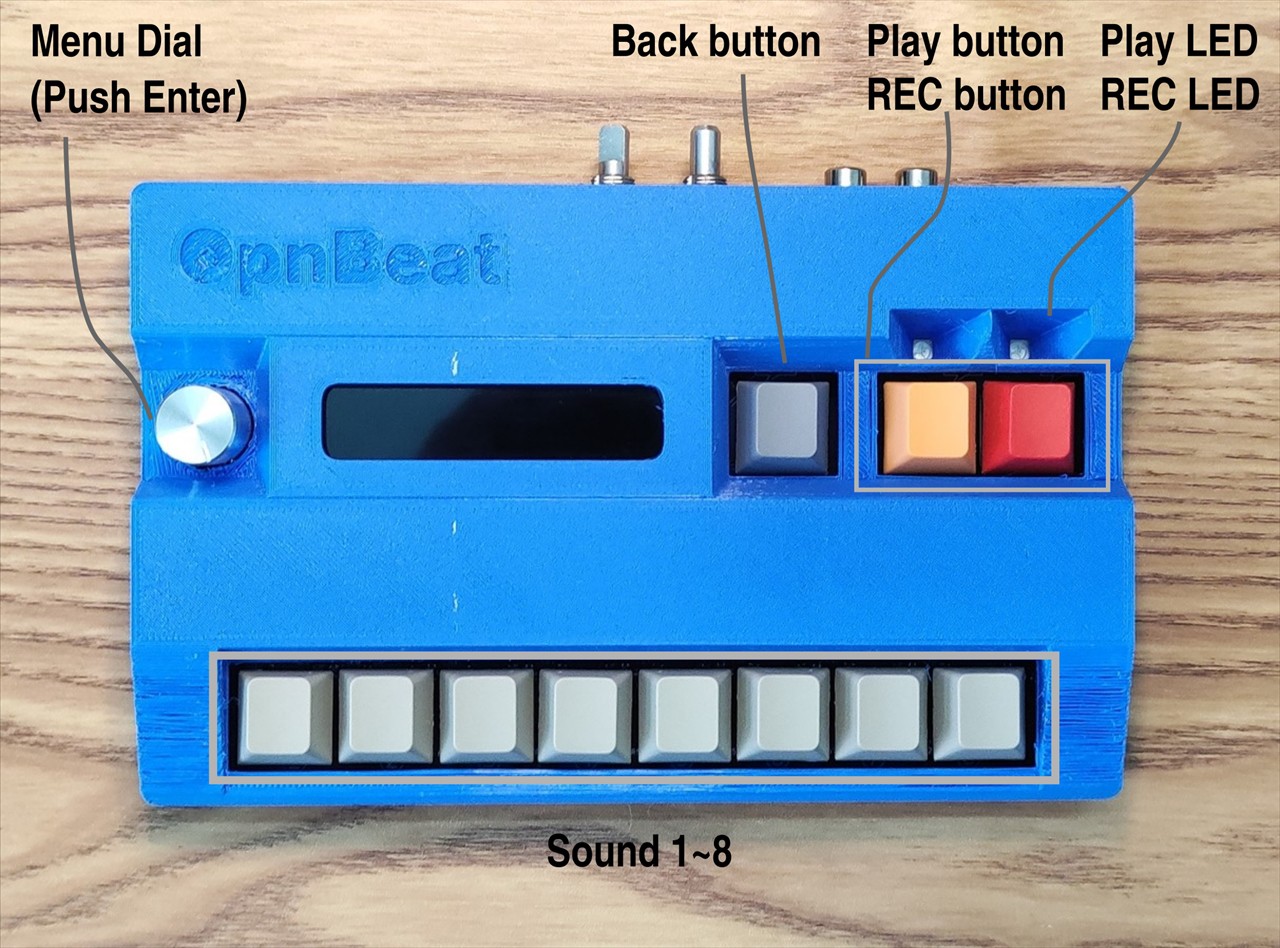
OpnBeat is a simple lo-fi sampler with eight musical keys, three interface keys, and a knob. It is powered by an Arduino Nano and eight Nuvoton ISD1700s controlled over SPI by the Nano. The code, PCB, and 3D case files are all available on GitHub. The design and code are optimized to be straightforward and easy to modify, and the interface is slick.
Lost Retro Tapes has recreated the ZX Spectrum unboxing experience by sourcing components and assembling a new ZX Spectrum along with the box, instruction manuals, and more. The mainboard was ordered from PCBWay, and most of the other components were sourced from retro computing shops around the UK. The box was created, and the manuals were professionally printed and bound. The total cost was around £412.