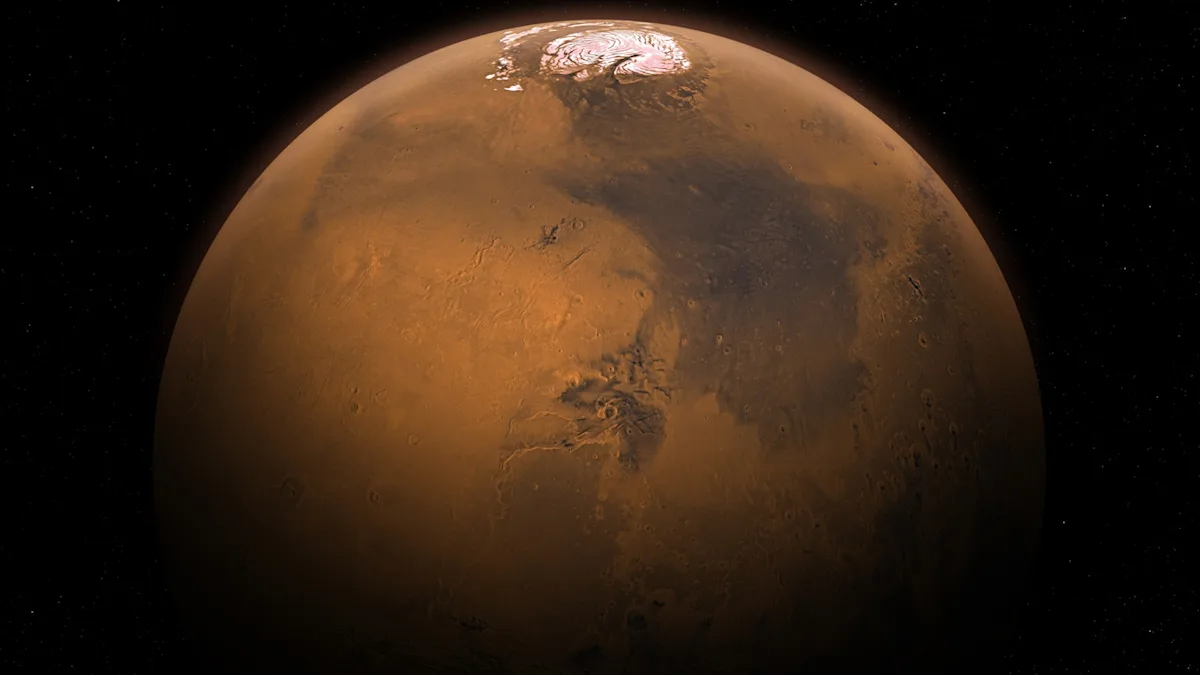
Scientists discovered a new mineral called ferric hydroxysulfate on Mars, indicating the planet once had water, heat, and chemical conditions similar to early Earth, which suggests Mars may have supported life in the past and could potentially do so in the future.
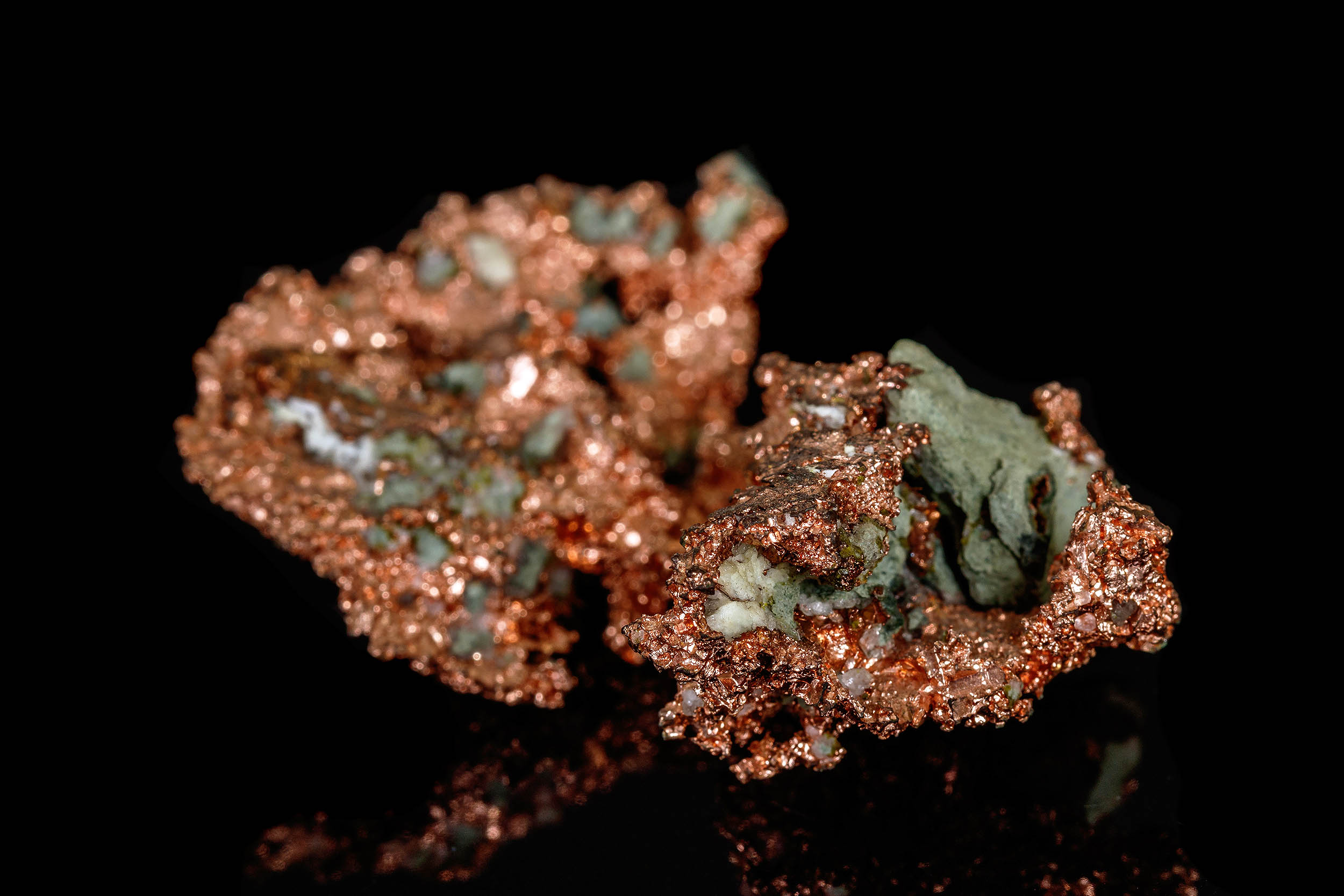
Camino Minerals has discovered a high-grade copper-rich zone in southern Peru's Los Chapitos project, with mineralization featuring bornite and significant copper and silver content, indicating a promising new target for future drilling and exploration in the region.
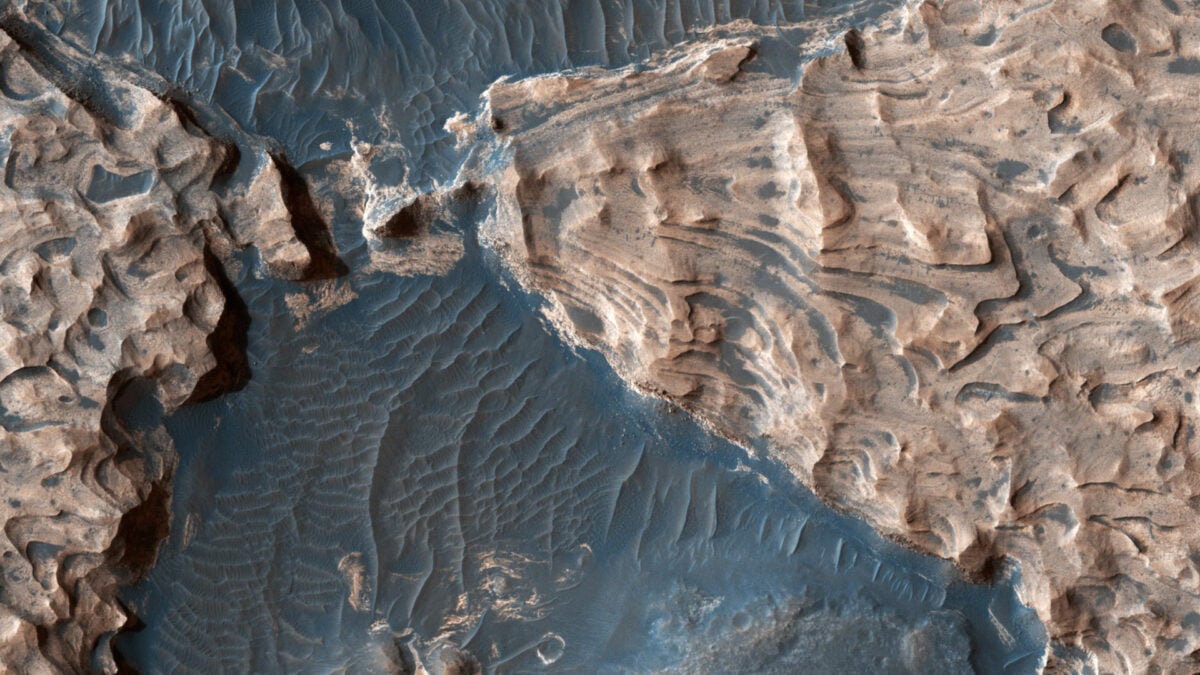
Scientists have potentially discovered a new mineral on Mars, a ferric hydroxysulfate compound found near Valles Marineris, which may have formed through volcanic activity in the presence of oxygen and water at high temperatures. This discovery could provide insights into Mars' geological history and past water activity, and further research is needed to confirm its status as a new mineral on Earth.
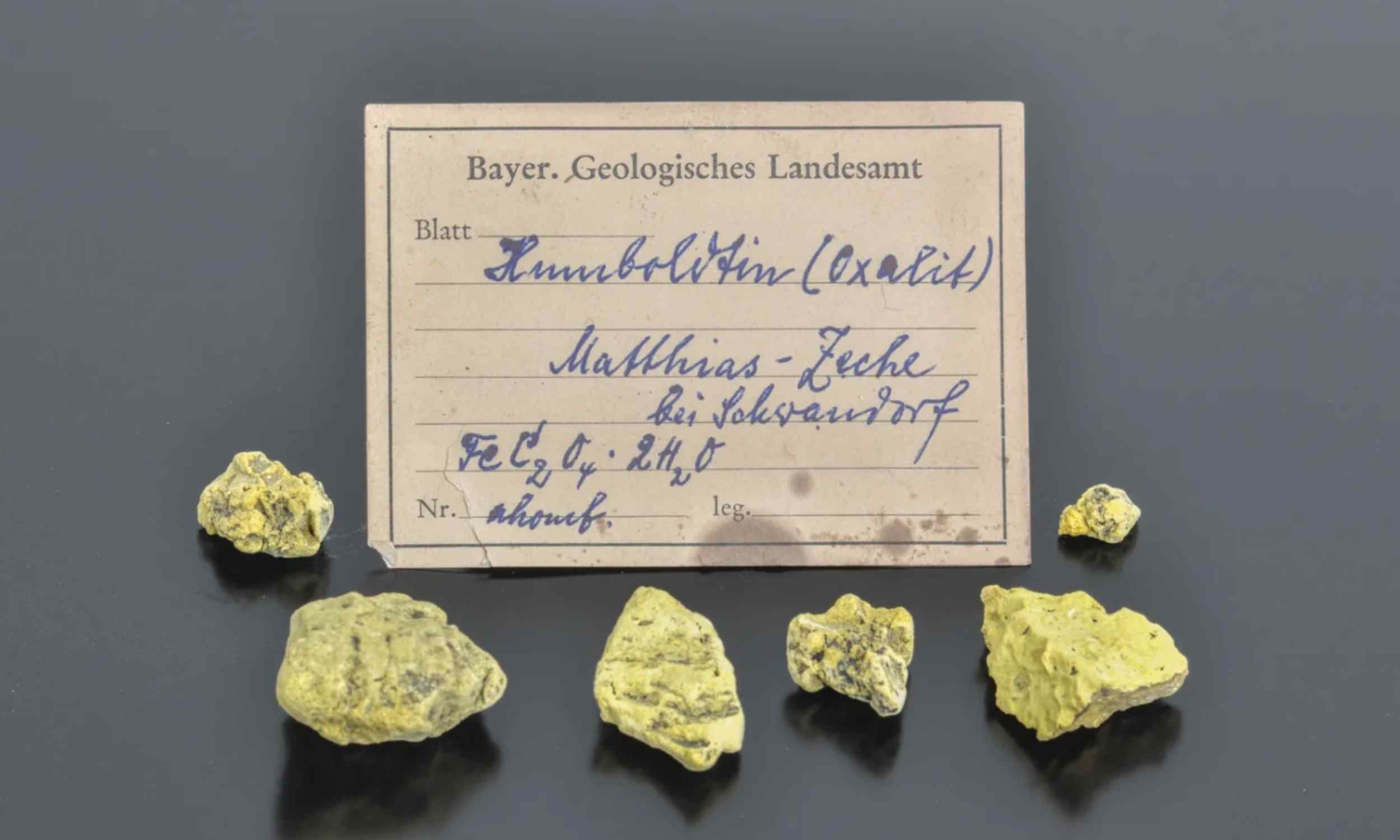
A 75-year-old lost letter led to the accidental discovery of humboldtine, one of Earth's rarest minerals, in Bavarian coal mine specimens, doubling Germany's known reserves and highlighting the importance of digitizing historical collections for scientific breakthroughs.
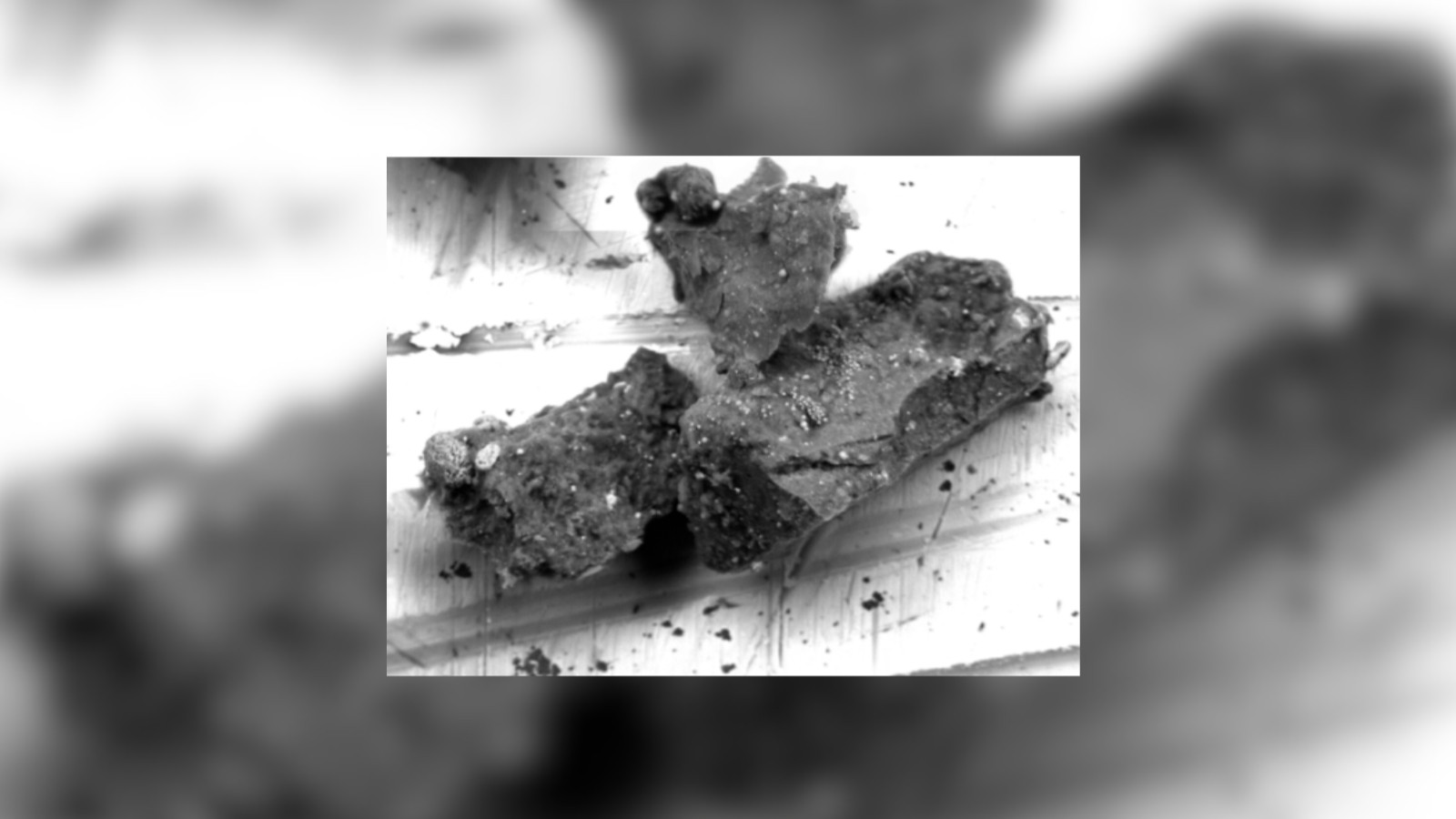
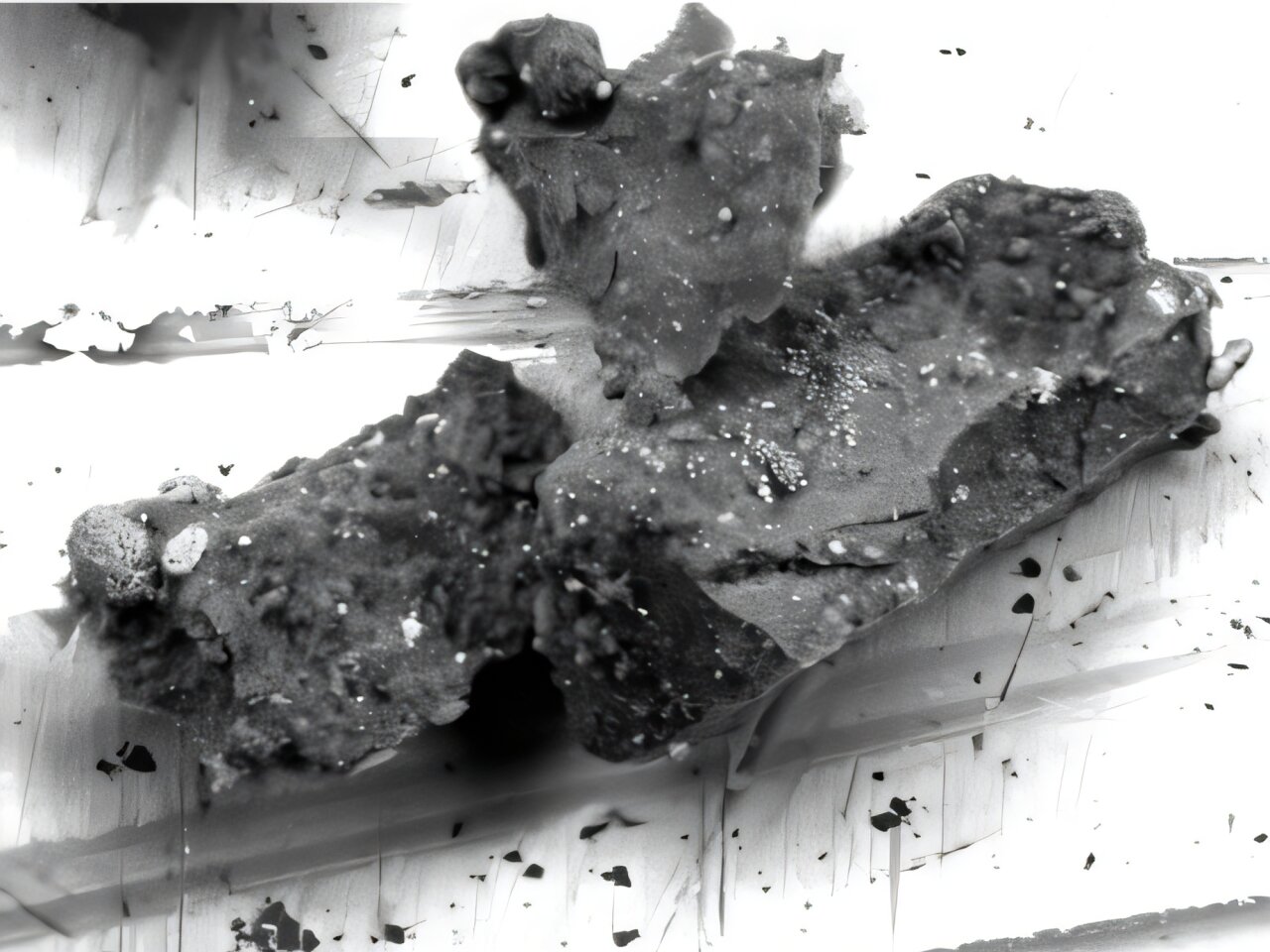
A mineral called djerfisherite was found in a dust grain from the asteroid Ryugu, challenging previous beliefs about the asteroid's formation conditions and suggesting more complex early solar system processes. This discovery indicates possible mixing of materials or localized conditions not previously recognized, prompting further analysis to understand the mineral's origin and implications for planetary formation history.
Researchers analyzing samples from asteroid Ryugu discovered the mineral djerfisherite, which challenges existing ideas about the asteroid's formation and suggests complex early solar system processes, possibly involving material mixing or localized conditions.
A rare mineral called jadarite, found only in Serbia's Jadar basin, could supply enough lithium to power up to 90% of Europe's electric vehicles, offering a more energy-efficient alternative to traditional lithium sources and potentially meeting the continent's growing battery demand.
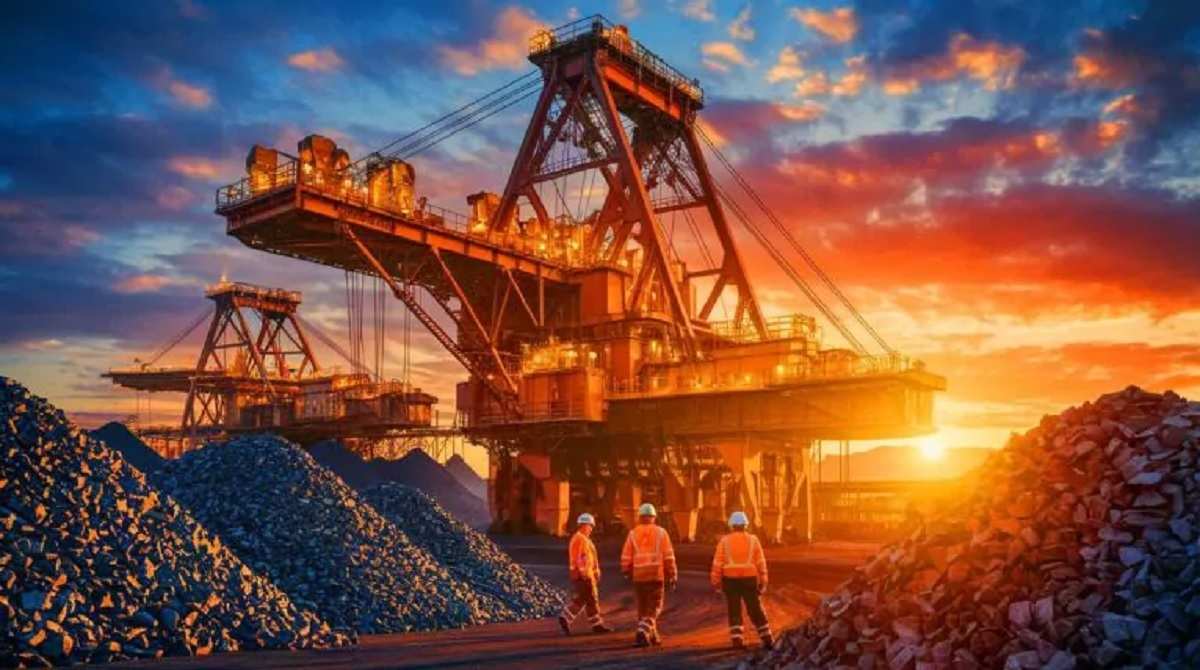
Scientists in Western Australia have discovered a massive iron ore deposit worth around $5.8 trillion, which could significantly impact global supply chains and challenge existing geological theories about Earth's mineral formation, especially given its revised age of 1.4 billion years. The find highlights advancements in technology and may reshape Australia's role in the global mining industry while offering new insights into Earth's geological history.