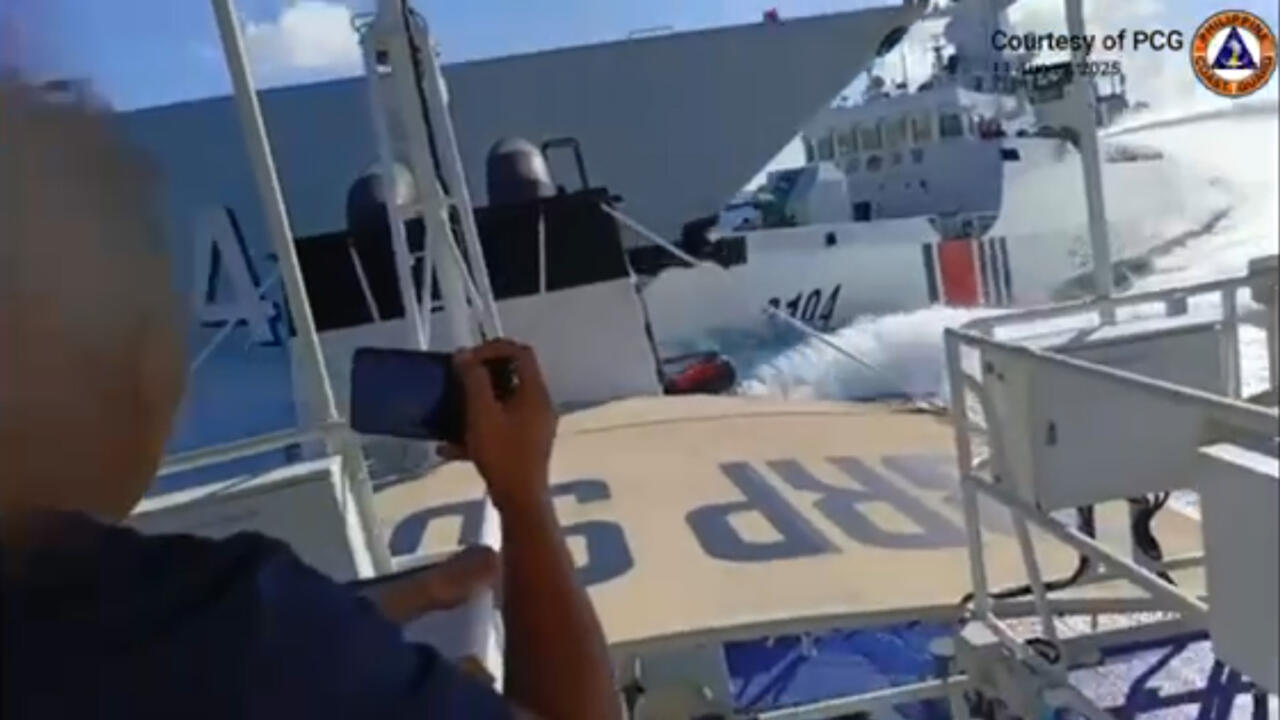
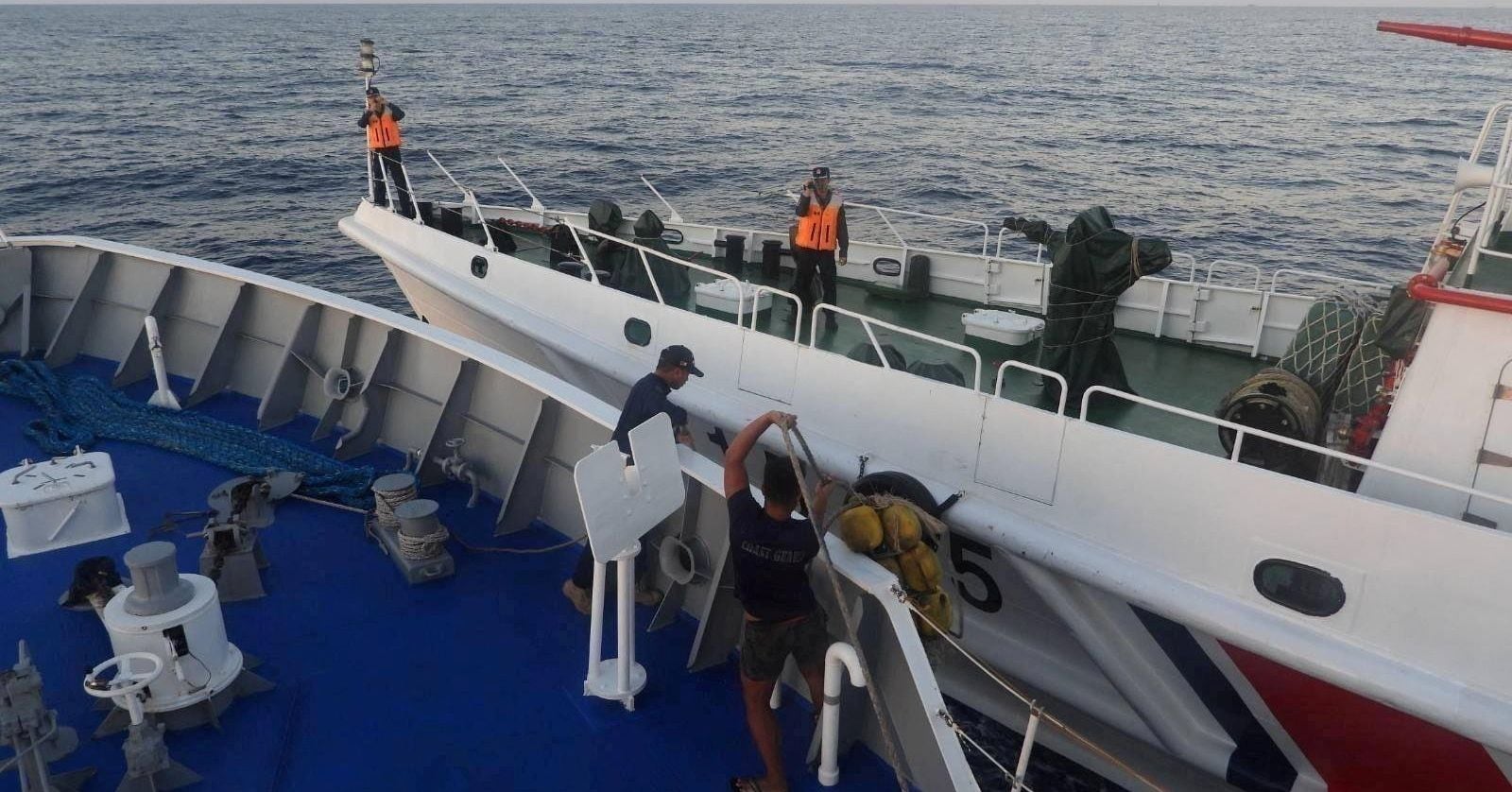
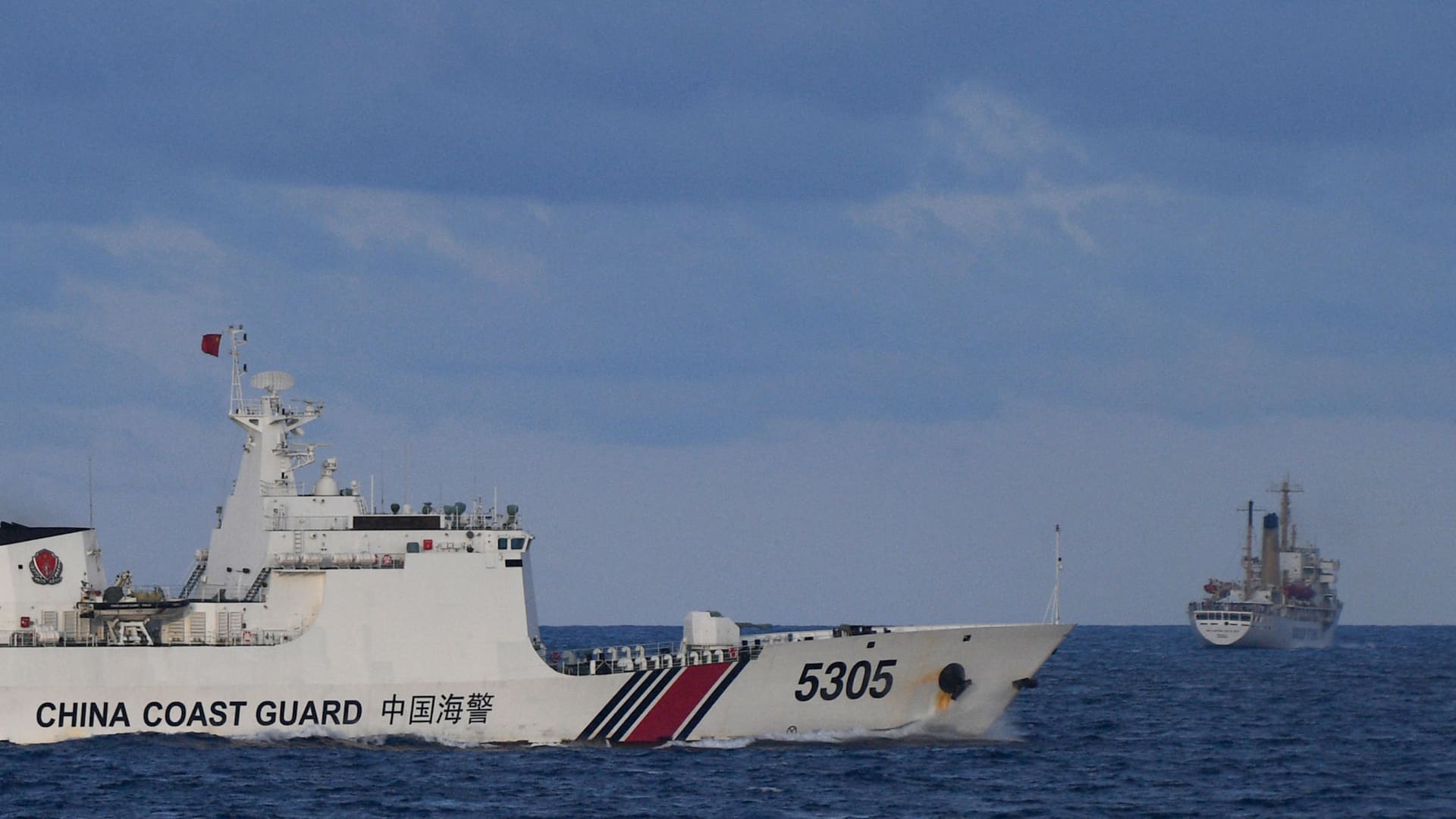
Chinese coast guard vessels collided with a Philippine boat near Scarborough Shoal during an aid distribution operation, escalating tensions in the disputed South China Sea, with both sides blaming each other for the incident and ongoing confrontations.
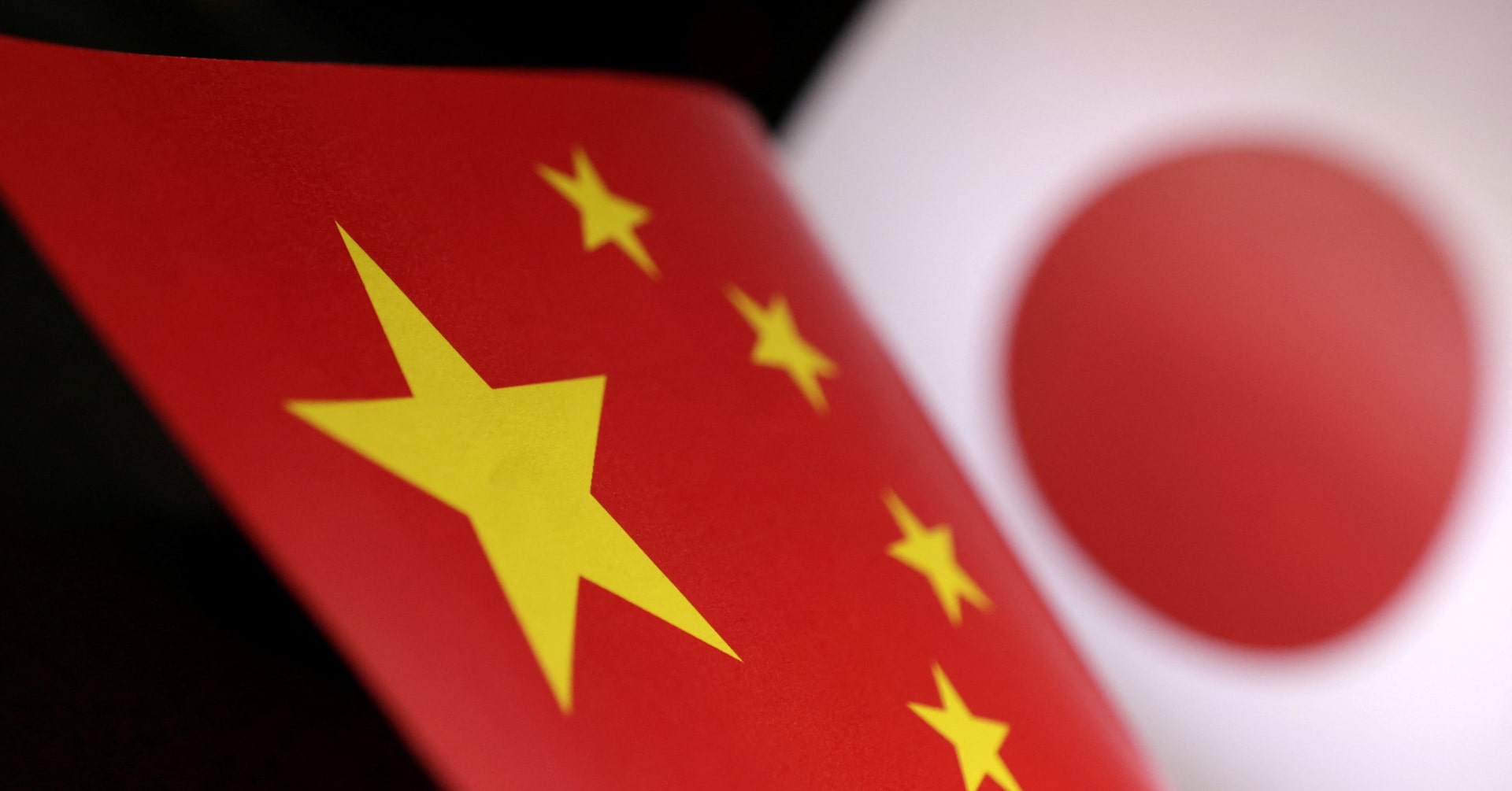
China has criticized Japan for intervening in the South China Sea dispute between China and the Philippines, asserting that Japan has no right to meddle in these maritime issues. This follows Japan's expression of concern over actions that obstruct freedom of navigation and increase regional tensions, including an incident that damaged a Filipino vessel and injured its crew. China denies the allegations and maintains its extensive claims over the South China Sea, despite a 2016 ruling by the Permanent Court of Arbitration that found these claims to have no legal basis.
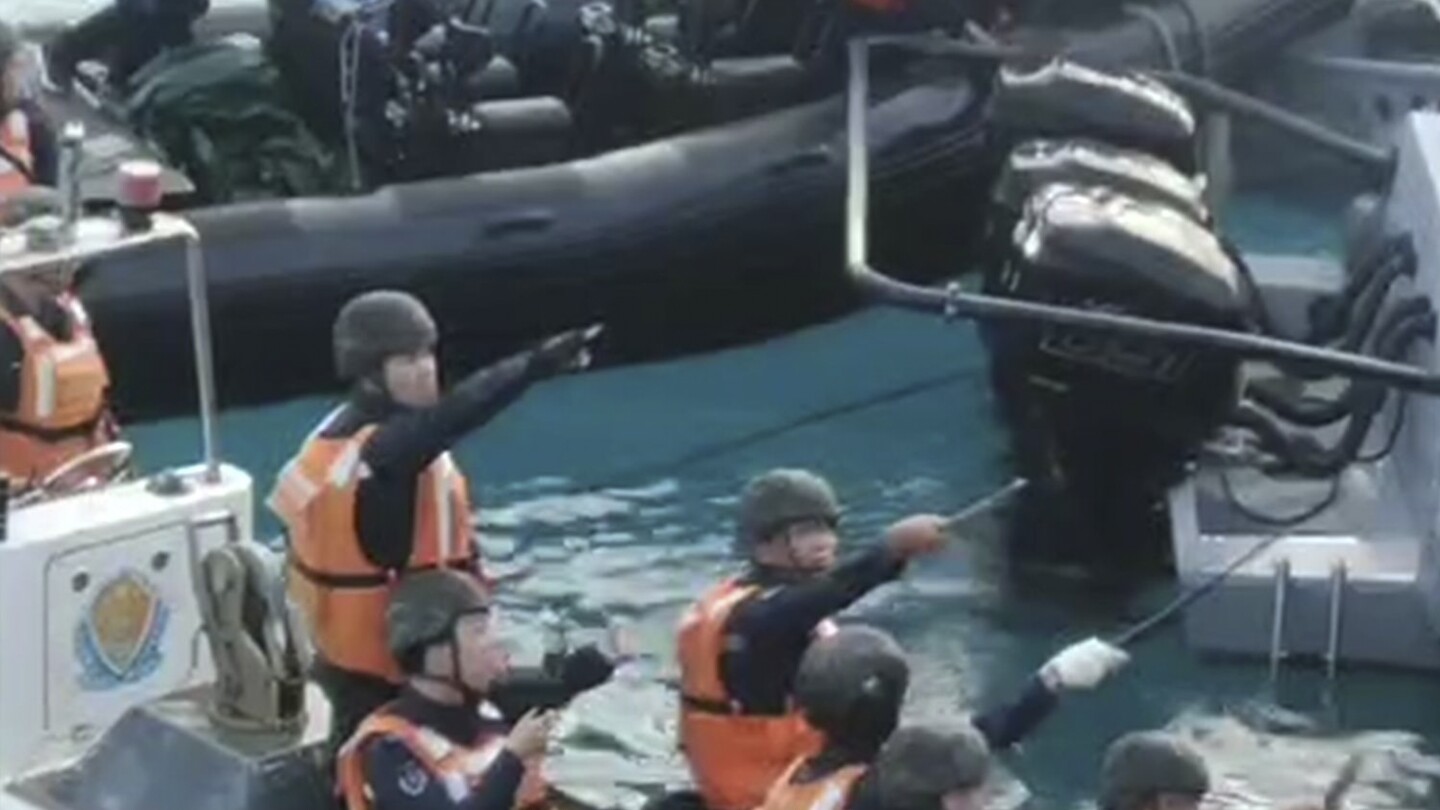
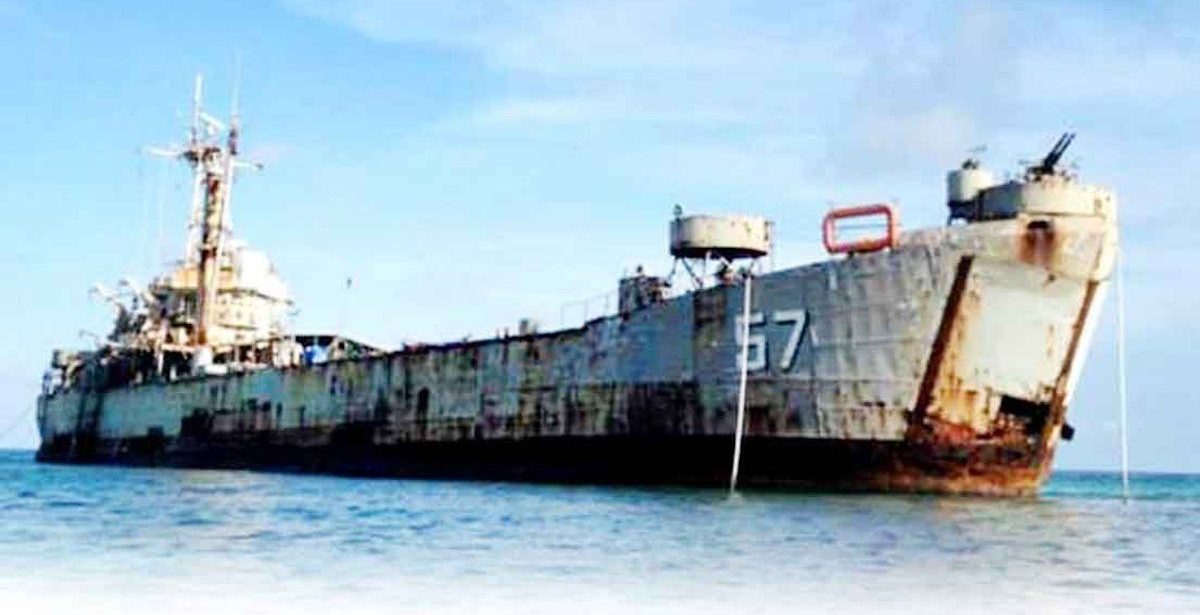
The Philippines has decided not to invoke its mutual defense treaty with the U.S. after a confrontation with the Chinese coast guard at the disputed Second Thomas Shoal, where Chinese personnel reportedly rammed and boarded Philippine navy boats, injuring Filipino personnel and seizing rifles. Philippine officials downplayed the incident, calling it a misunderstanding rather than an armed attack, and emphasized that they are not ready to classify it as such under the treaty terms. The incident highlights ongoing tensions in the South China Sea involving multiple nations.
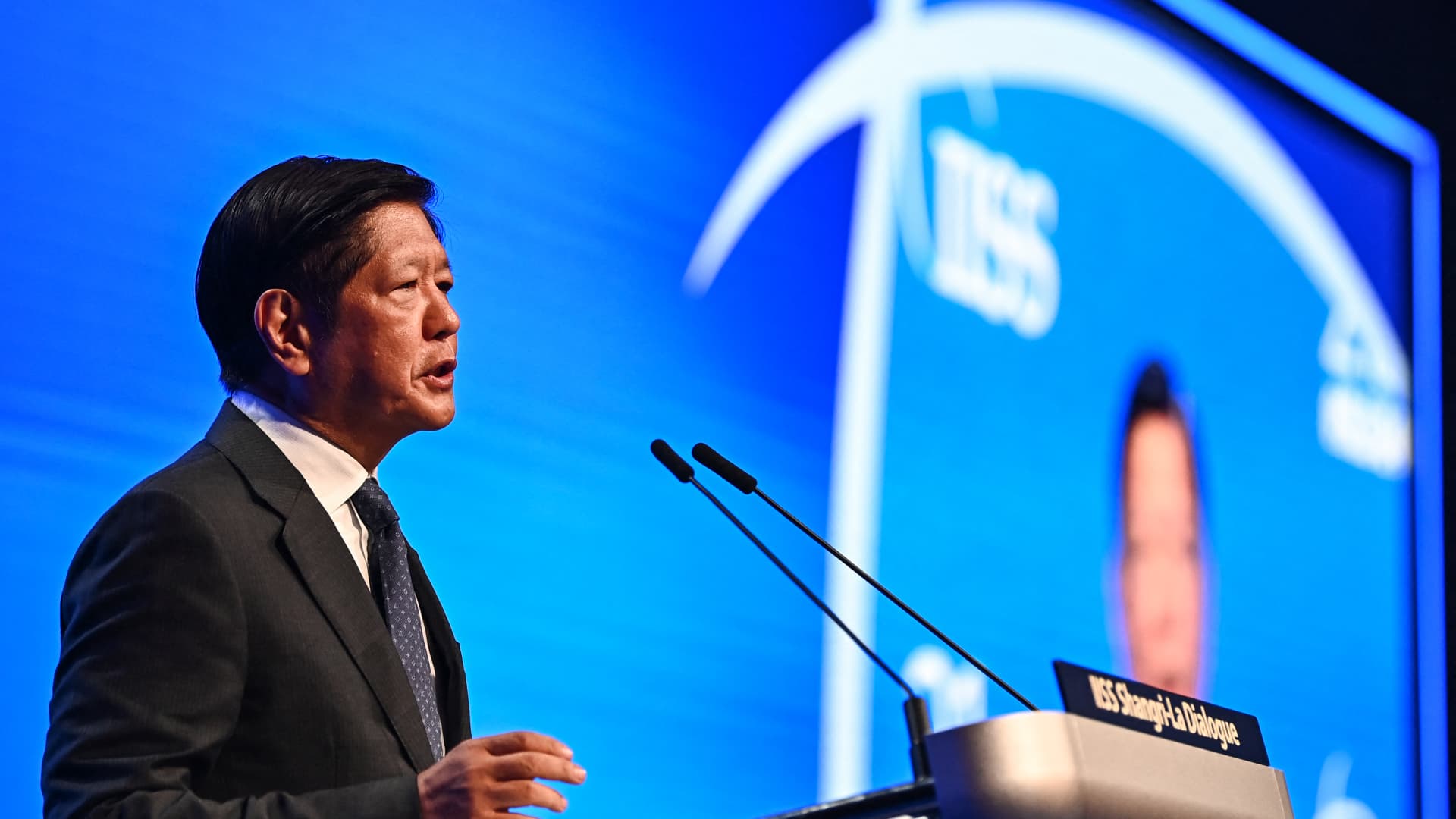
Philippine President Ferdinand Marcos Jr. stated that the killing of a Filipino by the Chinese Coast Guard in the South China Sea would be "very close" to an act of war, potentially invoking the U.S.-Philippines Mutual Defense Treaty. Marcos emphasized the Philippines' commitment to international law and the 2016 arbitration ruling that invalidated China's extensive claims in the region. He called for dialogue and diplomacy to ensure peace and stability in the South China Sea, which is crucial for global trade.
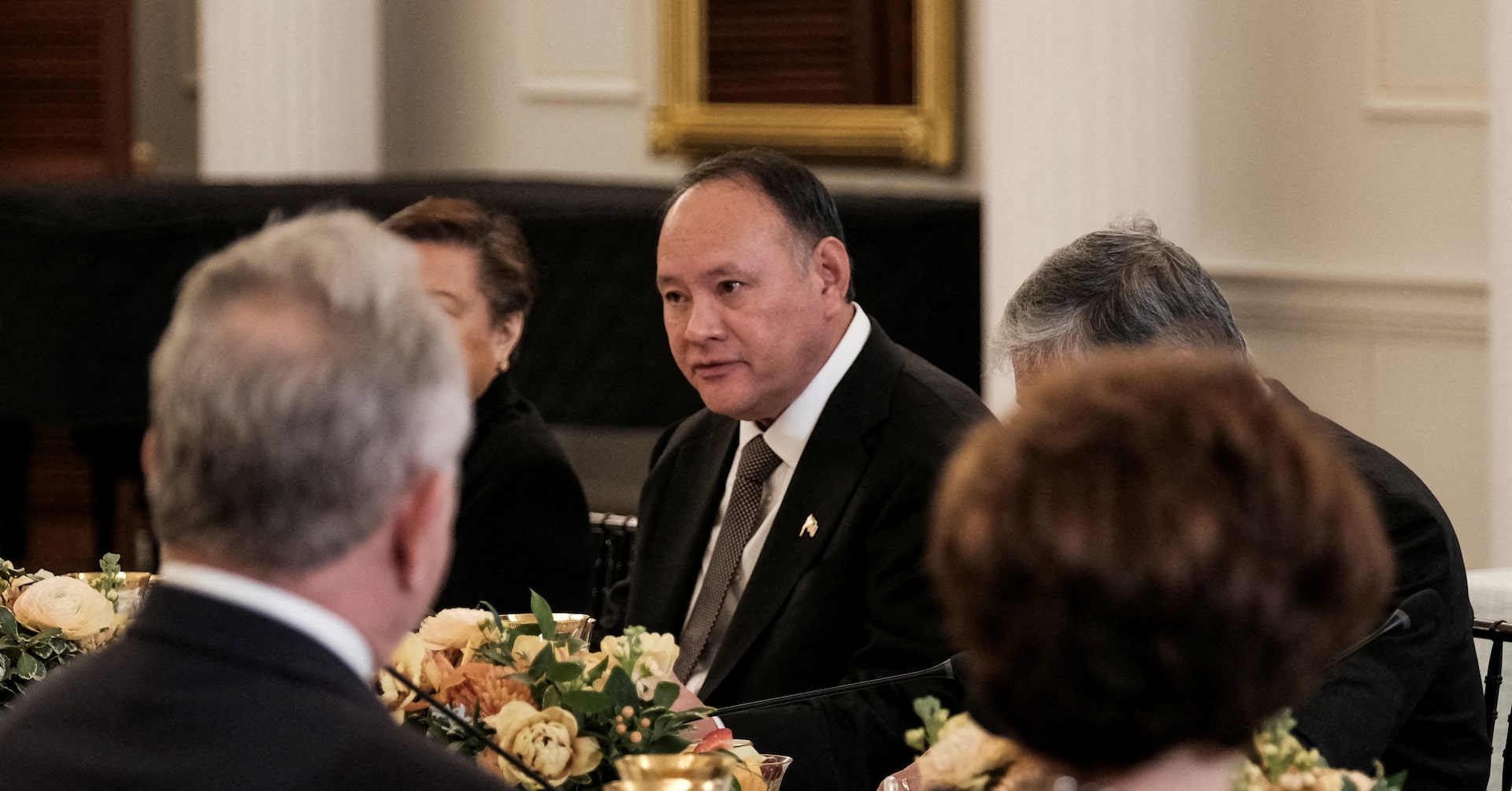
Philippine Defense Secretary Gilberto Teodoro has condemned China's new Coast Guard rules allowing the use of force in the South China Sea, calling them a provocation and a violation of international law. This comes amid ongoing maritime disputes and recent confrontations between the two nations. China maintains that the rules are to protect maritime order and pose no threat if no illegal activities occur.
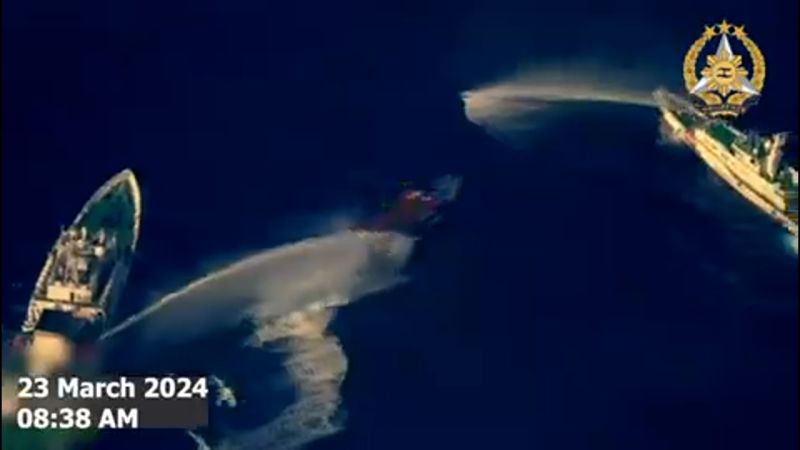
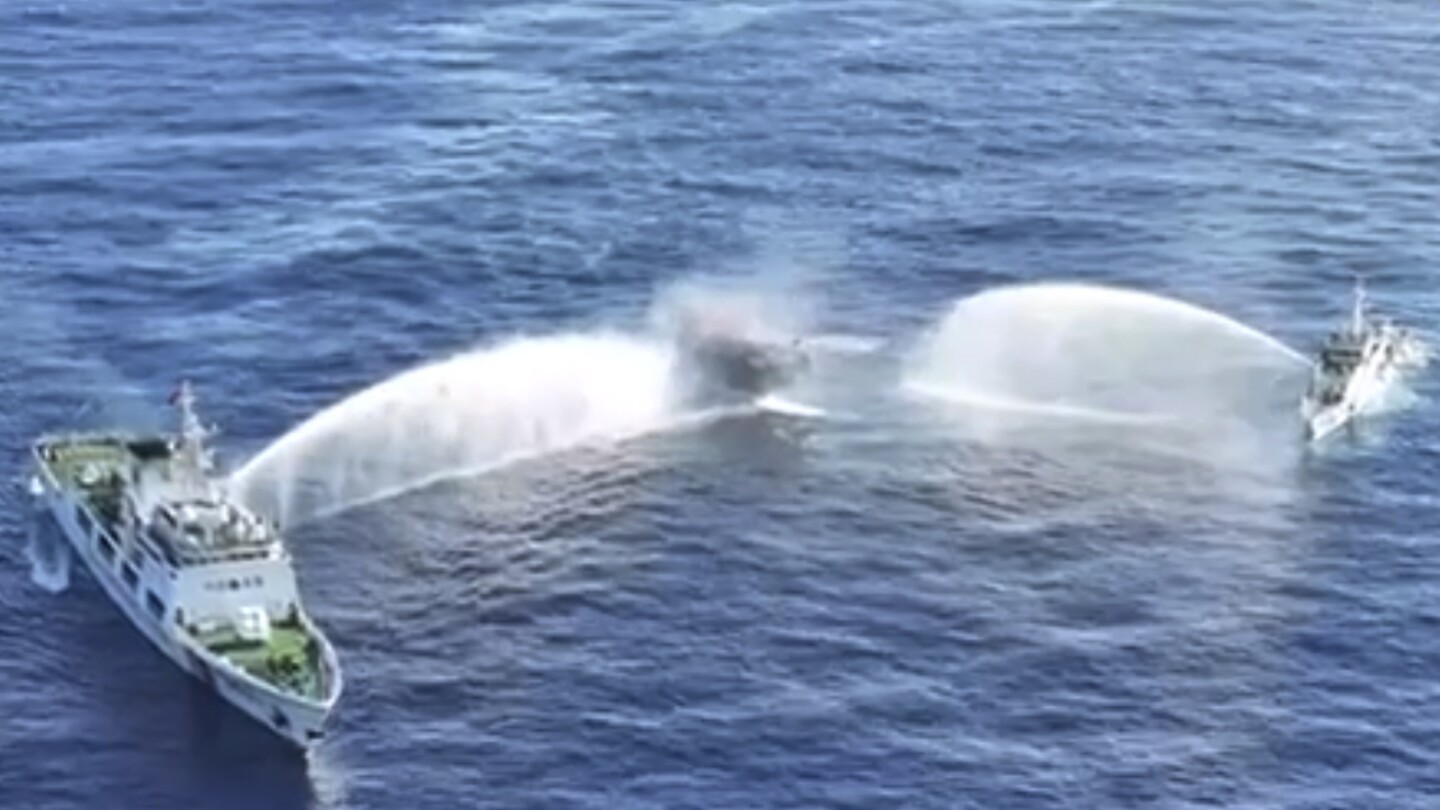
China's coast guard used water cannon against Philippine boats in the South China Sea, just days after US Secretary of State Antony Blinken reiterated Washington’s commitment to defending Philippine access to the area. The skirmish occurred near the contested Second Thomas Shoal, with the Philippine vessels being impeded and encircled by Chinese maritime forces. This incident is the latest in a series of clashes between the two countries in the disputed region, where China claims sovereignty.
In the disputed South China Sea, a Chinese coast guard ship aggressively approached and sideswiped a Philippine patrol vessel, while two other Chinese ships used water cannons against a Filipino supply boat, injuring the admiral and sailors. The Philippines has been exposing China's assertive actions in the region by embedding journalists on its coast guard patrol ships, aiming to pressure China to abide by international law. The latest confrontation has sparked tensions between the two countries, with the U.S. reiterating its obligation to defend the Philippines and China blaming the Philippines for the hostilities.
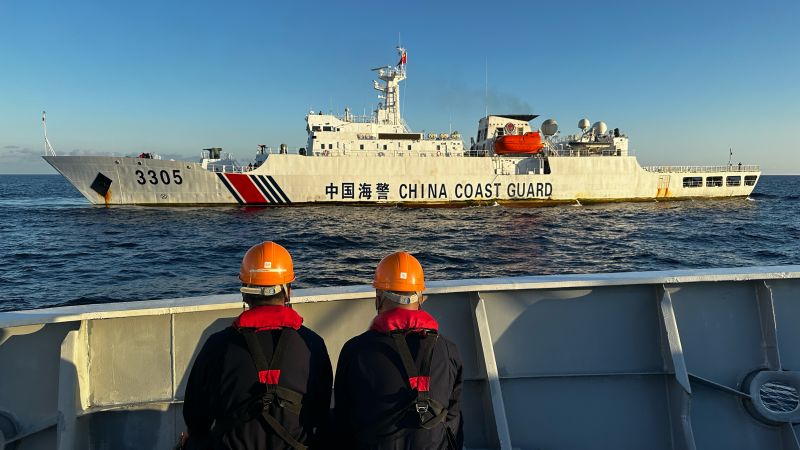
A Philippine Coast Guard ship, outnumbered by Chinese vessels, faced a harrowing confrontation in the South China Sea as it attempted to resupply troops on a contested reef. The incident highlights the ongoing struggle for control in the region, with China asserting sovereignty over the South China Sea and engaging in confrontations with neighboring countries, particularly the Philippines. The contested waters, a major global shipping route, have become a potential flashpoint for international conflict, with the US and Philippines expressing concerns over China's actions. The crew's dangerous and routine missions underscore the high stakes and tensions in the region, as both sides continue to assert their territorial claims.
The Philippines accused China of "unprovoked acts of coercion and dangerous manoeuvres" in the South China Sea, stating that Chinese ships fired water cannons at a Philippine vessel, injuring crew members. China claimed that Philippine vessels illegally intruded into the area. The incident is the latest in a series of maritime confrontations between the two countries, despite a 2016 ruling by the Permanent Court of Arbitration rejecting China's claims in the region. The Philippines has passed a bill to establish its maritime entitlements, while China opposes the move, describing it as an "evil law" that will complicate the situation in the South China Sea.
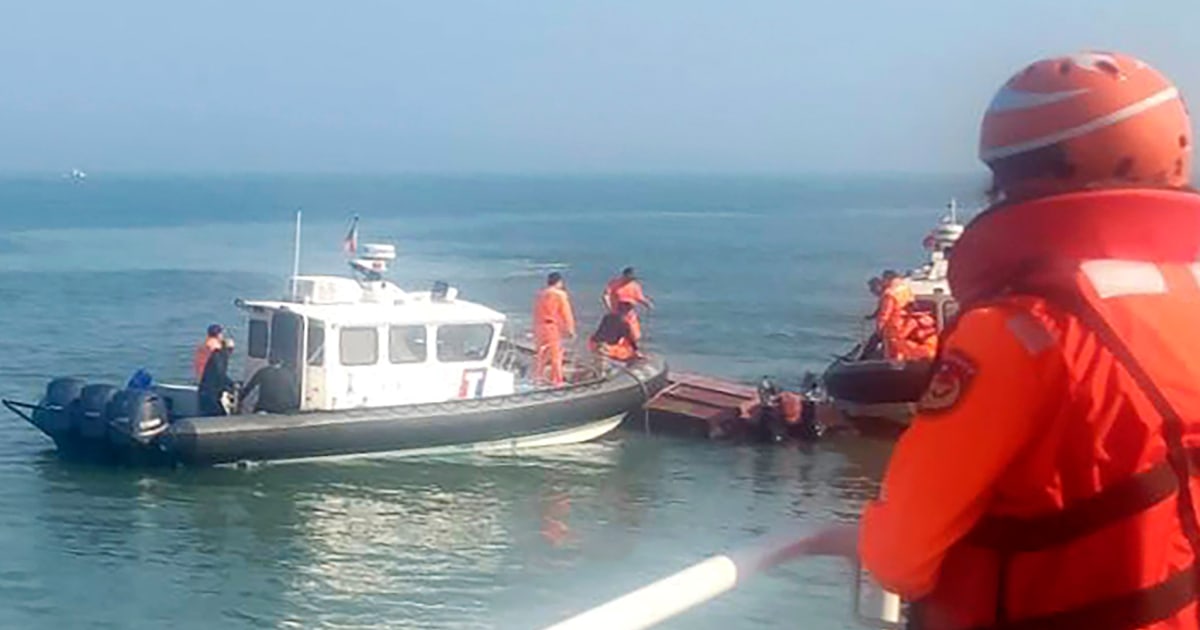
Two Chinese fishermen drowned off Taiwan's Kinmen archipelago while being chased by Taiwan's coast guard, prompting condemnation from China's Taiwan Affairs Office. The coast guard accused the fishermen of trespassing, while China called for an investigation and criticized Taiwan's Democratic Progressive Party for using "violent and dangerous methods" towards Chinese fishermen. The incident occurred during the Lunar New Year holiday, and the case has been reported to the Kinmen prosecutor's office. The area near Kinmen has seen increased Chinese activity, including sand dredger vessels and fishing ships, leading to tensions in the maritime dispute between China and Taiwan.
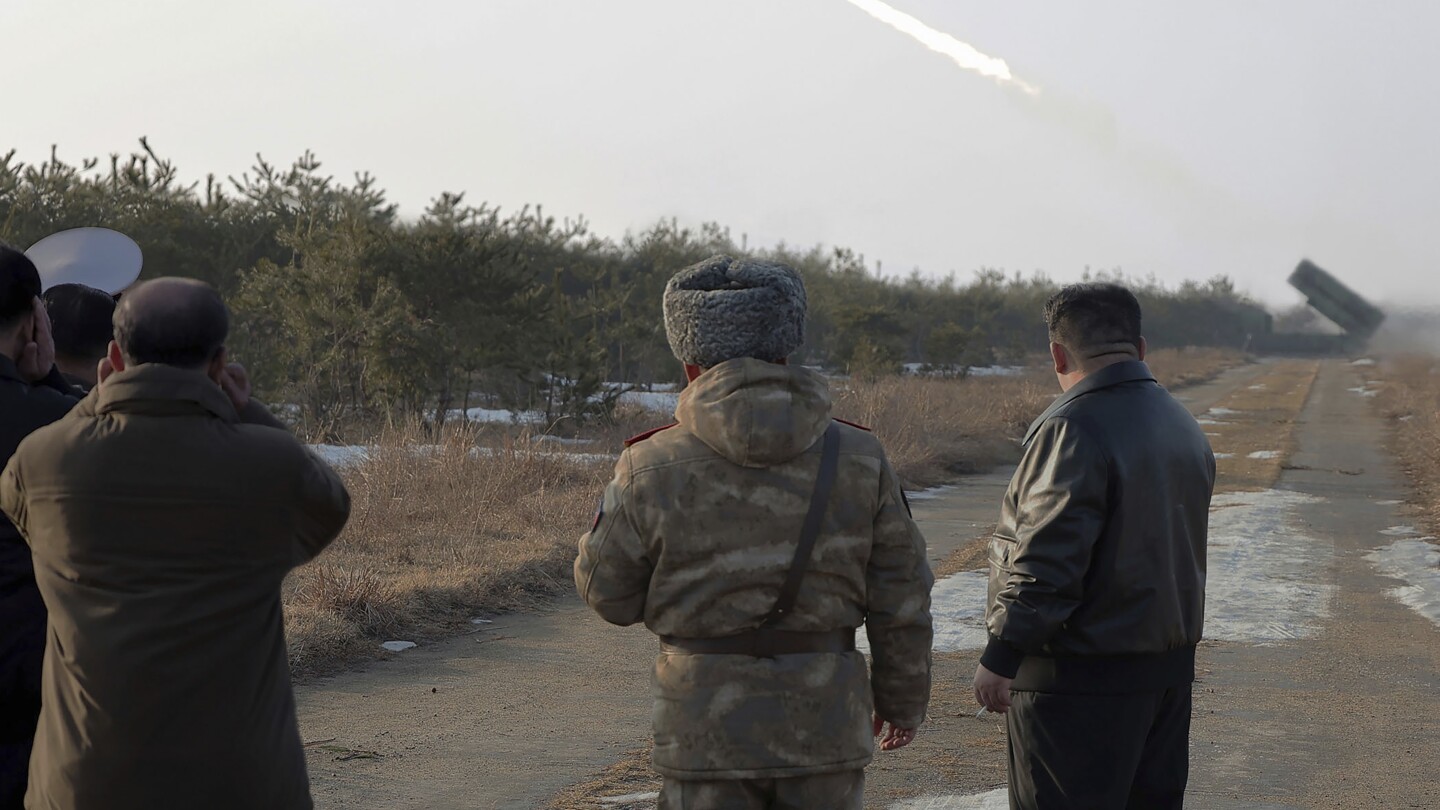
North Korean leader Kim Jong Un oversaw a test of new surface-to-sea missiles and warned of a more aggressive military stance in disputed seas, particularly in the western sea boundary with South Korea. He accused South Korea of violating North Korean territorial waters and ordered his navy to strengthen its defense posture. Kim also declared that North Korea does not recognize the Northern Limit Line drawn at the end of the Korean War and threatened to consider any intrusion into its recognized maritime border as an armed provocation. The United States and South Korea have accused North Korea of providing military equipment to Russia, and Kim has been seeking closer ties with Moscow and Beijing to break out of diplomatic isolation.
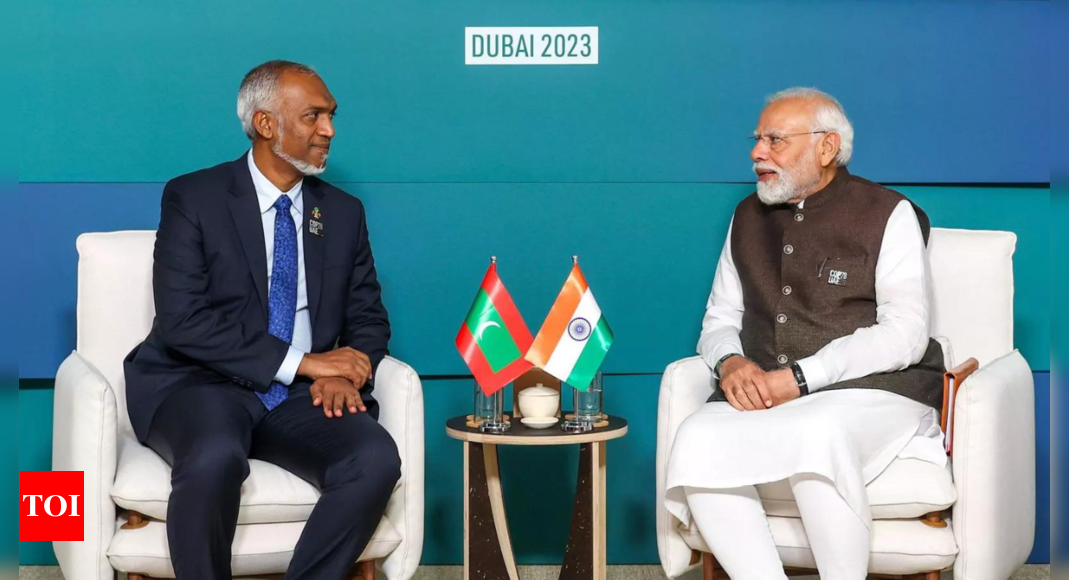
Maldives has formally requested India to provide details about an incident where Indian coast guard personnel allegedly boarded three Maldivian fishing vessels within its economic zone. The incident, which occurred on January 31, has the potential to escalate tensions between the two countries, particularly since the pro-China Maldivian President Mohamed Muizzu took office. The Indian government has not yet responded to the allegations, and the development comes amid discussions about defense cooperation and the withdrawal of Indian military personnel from the Maldives.
Tensions have escalated in the South China Sea as China continues to assert its dominance in the disputed waters. Chinese maritime forces have been accused of harassing and blocking Philippine vessels, damaging two Philippine Coast Guard vessels in the process. China claims that the Philippine vessels had illegally intruded into its waters. The incidents have sparked outrage in Manila, with calls for the expulsion of the Chinese envoy. China's actions are seen as an attempt to intimidate Southeast Asian nations and test the US's resolve to assist its regional allies. The US has condemned China's actions and reaffirmed its commitment to the Philippines under the US-Philippines Mutual Defense Treaty. The situation highlights the growing tensions and risks in the South China Sea, as well as the challenges faced by the US in countering China's assertiveness in the region.
Philippine President Ferdinand Marcos Jr. has pledged to defend the country's sovereignty in the South China Sea following a collision between Filipino and Chinese vessels. The Philippines accused China of causing severe damage to one of its vessels and endangering the lives of its crew. The incident occurred as the Philippines has been increasingly resisting China's aggressive claims in the region. Other Southeast Asian countries also claim parts of the South China Sea, and a 2016 ruling by the Permanent Court of Arbitration in The Hague invalidated China's expansive claims. The U.S. State Department supported the Philippines and criticized China's reckless maneuvers.
The United States Department of State expressed support for the Philippines after Chinese ships engaged in reckless maneuvers and obstructed the safe operations of Philippine vessels in the South China Sea. The actions by China not only jeopardized the safety of Filipino crew members but also violated international law. The United States called upon China to abide by the 2016 arbitral decision, which concluded that China has no lawful maritime claims to the waters around Second Thomas Shoal. The U.S. reaffirmed its commitment to the U.S.-Philippines Mutual Defense Treaty, which extends to armed attacks on Philippine armed forces, public vessels, or aircraft in the South China Sea.