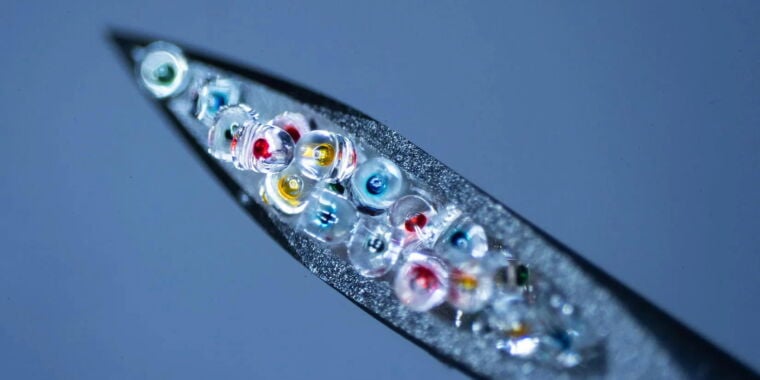
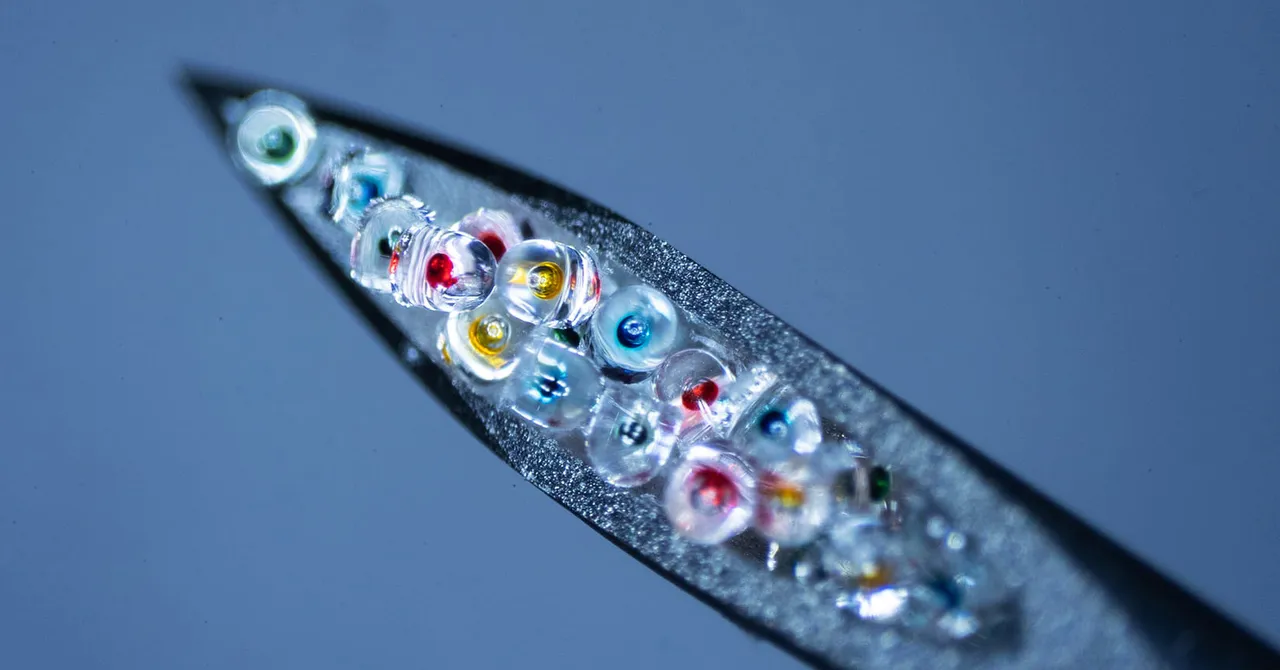
Researchers at Rice University have developed a drug-delivery system that uses microparticles to release medication in timed delays that can span days or even weeks. The system involves an injection containing hundreds of tiny microplastic particles, each encapsulating a small dose of a drug. By adjusting the molecular weight of the polymer used for each capsule, the scientists can control how fast they erode and release medication. The technology could help patients with chronic illnesses who struggle with dosing adherence and could be particularly useful for elderly patients who are dependent on family members for transportation and may skip appointments.
Researchers at Rice University have developed a drug-delivery system that uses microparticles to release medication in timed delays that can span days or even weeks. The system involves injecting hundreds of tiny microplastic particles, each encapsulating a small dose of a drug, into the body. By adjusting the molecular weight of the polymer used for each capsule, the scientists can control how fast they erode and release medication. The team envisions designing a library of these particles that can mimic different dosing schedules: daily, weekly, monthly, or something in between, depending on the patient.
Microparticles that activate regulatory T-cells, or Tregs, have shown promise in reversing physical disability due to multiple sclerosis (MS) in a mouse model of the neurodegenerative disorder. The microparticles, called tolerogenic microparticles (Tol-MPs), activate Tregs to help restore tolerance in MS. The particles were tested in mice with experimental autoimmune encephalitis (EAE), a common mouse model of MS, and the treatment immediately reversed the disease in 100% of the mice, with more than a third being cured of their disease. The researchers believe that their microparticle platform could be used to help induce tolerance in other autoimmune diseases.