Tag

Microfossils

All articles tagged with #microfossils

science2 years ago

"Unveiling the Enigmatic Identity of 200-Million-Year-Old 'Weird Fusion' Microfossils"

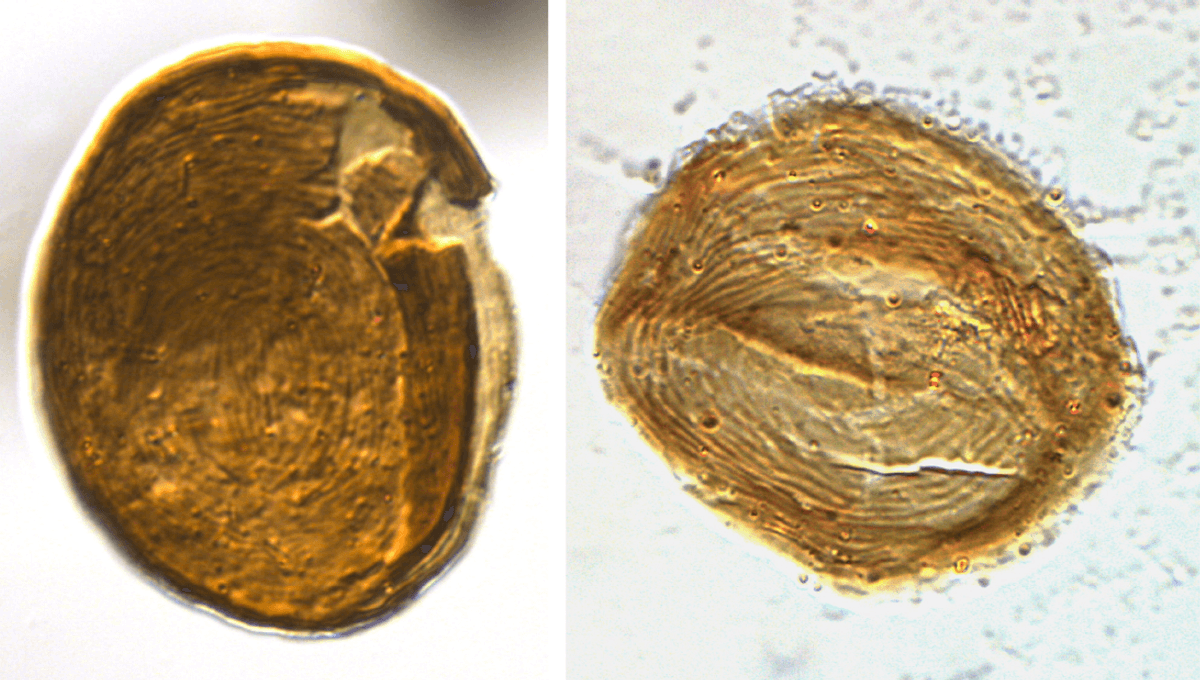
After years of misidentification, 200-million-year-old "problematic" microfossils have been identified as the encysted remains of euglenoids, single-celled protists that are neither plant nor animal. This discovery was made possible through a world-first microscope observation and extensive research. The findings have provided insight into the timeline and survival capabilities of euglenoids, shedding light on major upheavals in Earth's history and offering potential for paleo-environmental interpretations.
science2 years ago

"Unraveling the 1.75-Billion-Year Mystery of Life's Emergence on Earth"

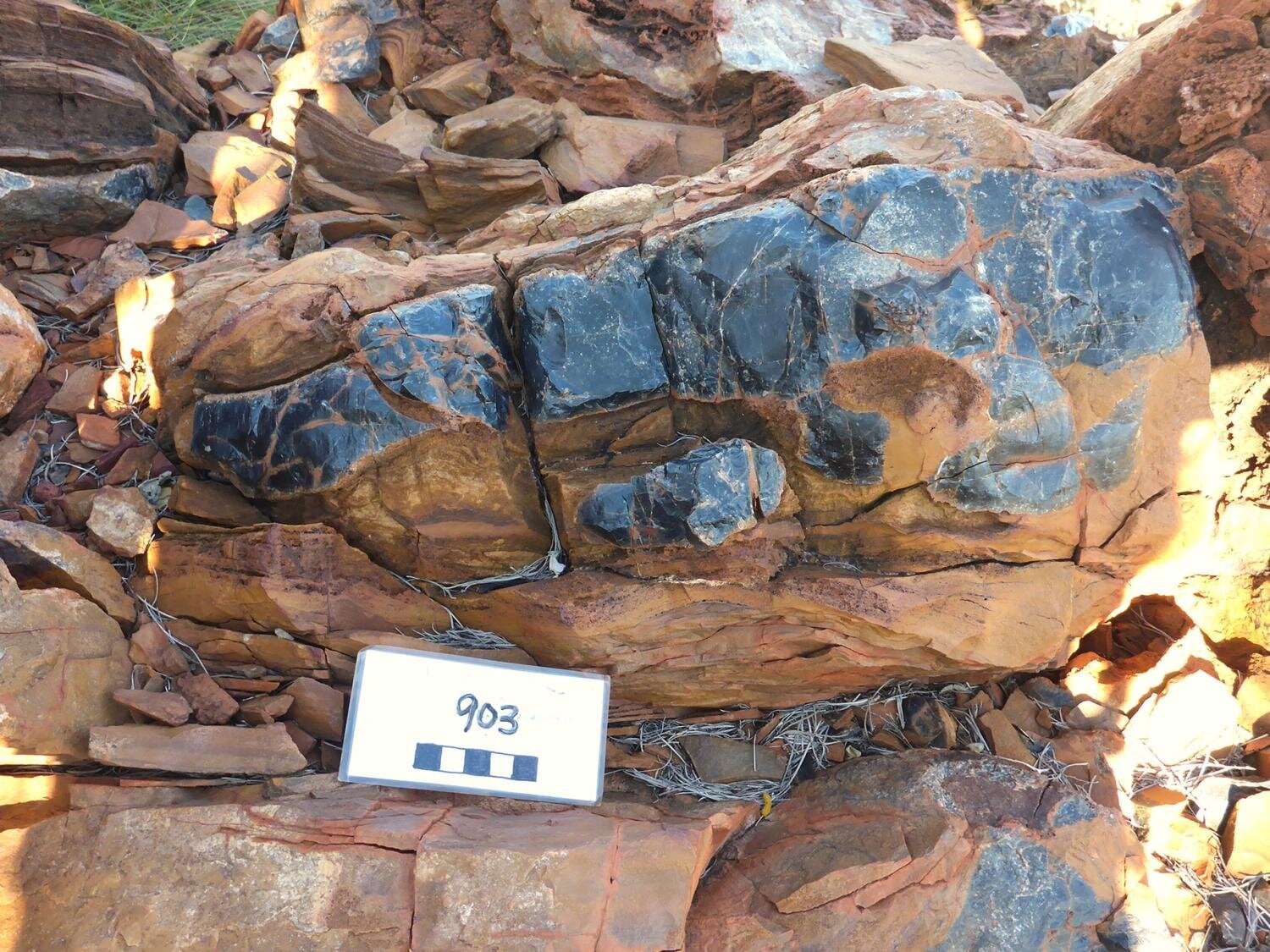
Researchers have discovered microfossils in Australia's desert that exhibit the earliest known evidence of photosynthesis, dating back 1.75 billion years. These remains of cyanobacteria, which may have existed for up to 3.5 billion years, provide insight into the origins of life and the development of Earth's atmosphere through photosynthesis during the Great Oxidation Event. The discovery extends the fossil record by at least 1.2 billion years and highlights the importance of examining the ultrastructure of fossil cells to understand early evolution.

science2 years ago

"Unveiling Life's Evolution: Microfossils Rewrite History"

Scientists have discovered ancient microfossils in Western Australia that provide new insights into the rise of complex life during the Great Oxidation Event. These microfossils, resembling algae, suggest a significant leap in life's complexity and could redefine our understanding of life's evolution and the potential for complex life forms in the universe. The findings, published in the journal Geobiology, offer direct evidence linking environmental change during the Great Oxidation Event with an increase in the complexity of life. Further research is needed to confirm if the microfossils represent early eukaryotic organisms, which would push back the known eukaryotic microfossil record by 750 million years. The discovery has implications for understanding the origins of complex life on Earth and the search for life elsewhere in the universe.

science2 years ago

Ancient microfossils reveal an earlier emergence of complex life

Microfossils discovered in Western Australia provide direct evidence of a rise in the complexity of life during the Great Oxidation Event, a time when oxygen concentration increased on Earth around 2.4 billion years ago. The microfossils resemble algae and suggest the presence of early eukaryotic organisms, pushing back the known eukaryotic microfossil record by 750 million years. The findings have implications for understanding the timeline of complex life formation on Earth and the potential for complex life elsewhere in the universe.

paleontology2 years ago

Preserved Musculature of Cycloneuralians Found in Early Cambrian Microfossils

Researchers have discovered well-preserved microfossils from the early Cambrian period that provide insights into the introvert musculature of cycloneuralians, a group of animals including roundworms and horsehair worms. The fossils, found in China, reveal the presence of four groups of muscles, suggesting a complex musculature similar to that of bilaterian animals. The findings shed light on the functional morphology and evolutionary significance of early Cambrian cycloneuralians, which are closely related to arthropods.

climate-change2 years ago

Unveiling an Ice-Free Ocean: Plankton's Testimony

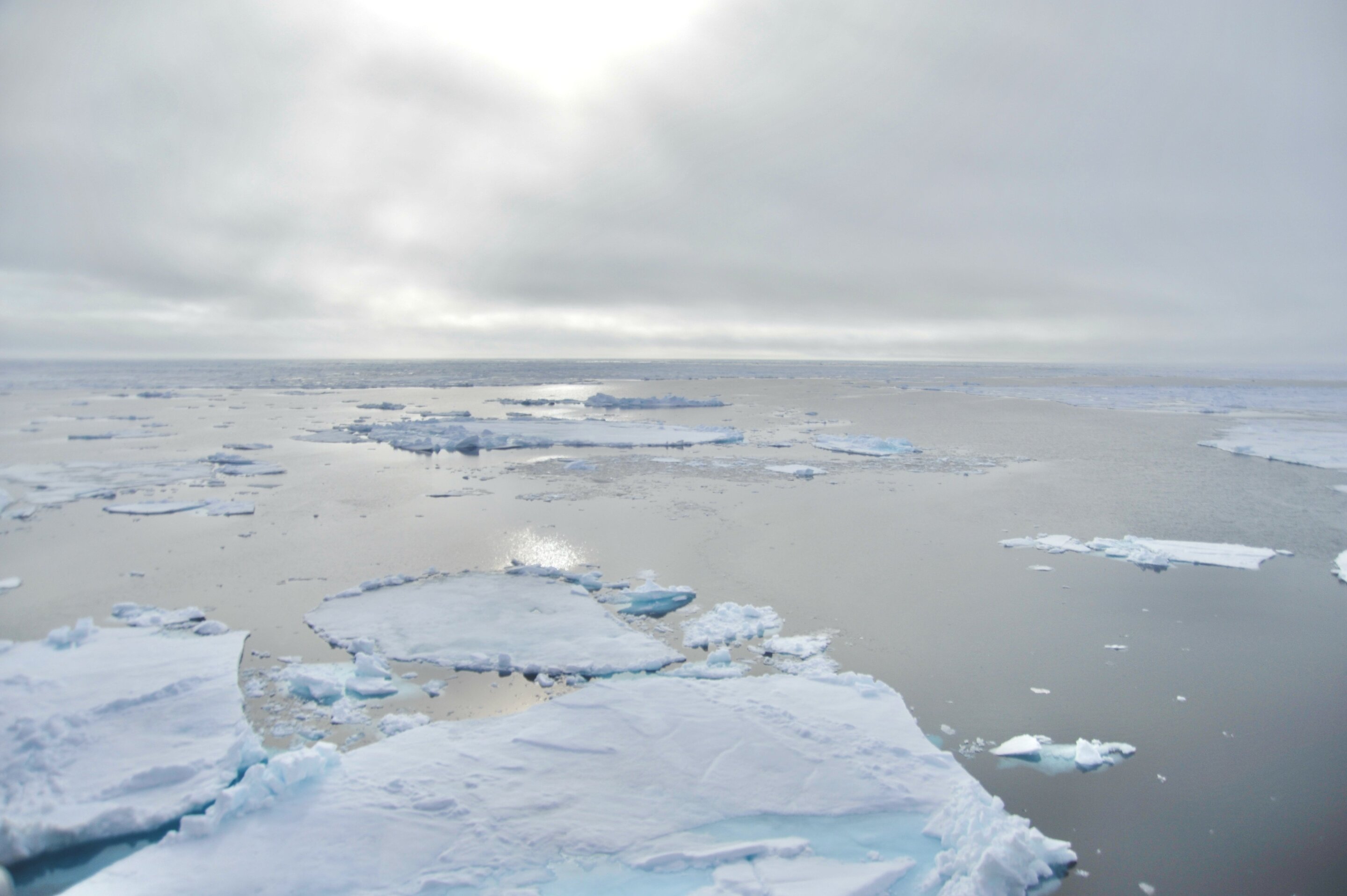
Analysis of microfossil content in sediment cores suggests that the Arctic Ocean was seasonally ice-free during the Last Interglacial period, between 129,000 and 115,000 years ago. Researchers found evidence of a subpolar species expanding far into the Arctic Ocean, indicating the absence of summer sea ice. This finding is concerning as it suggests that even a small increase in global temperatures, comparable to the targets of the Paris Agreement, could lead to a significant rise in sea levels. Further research is needed to understand the conditions of the Last Interglacial and its implications for the current climate crisis.