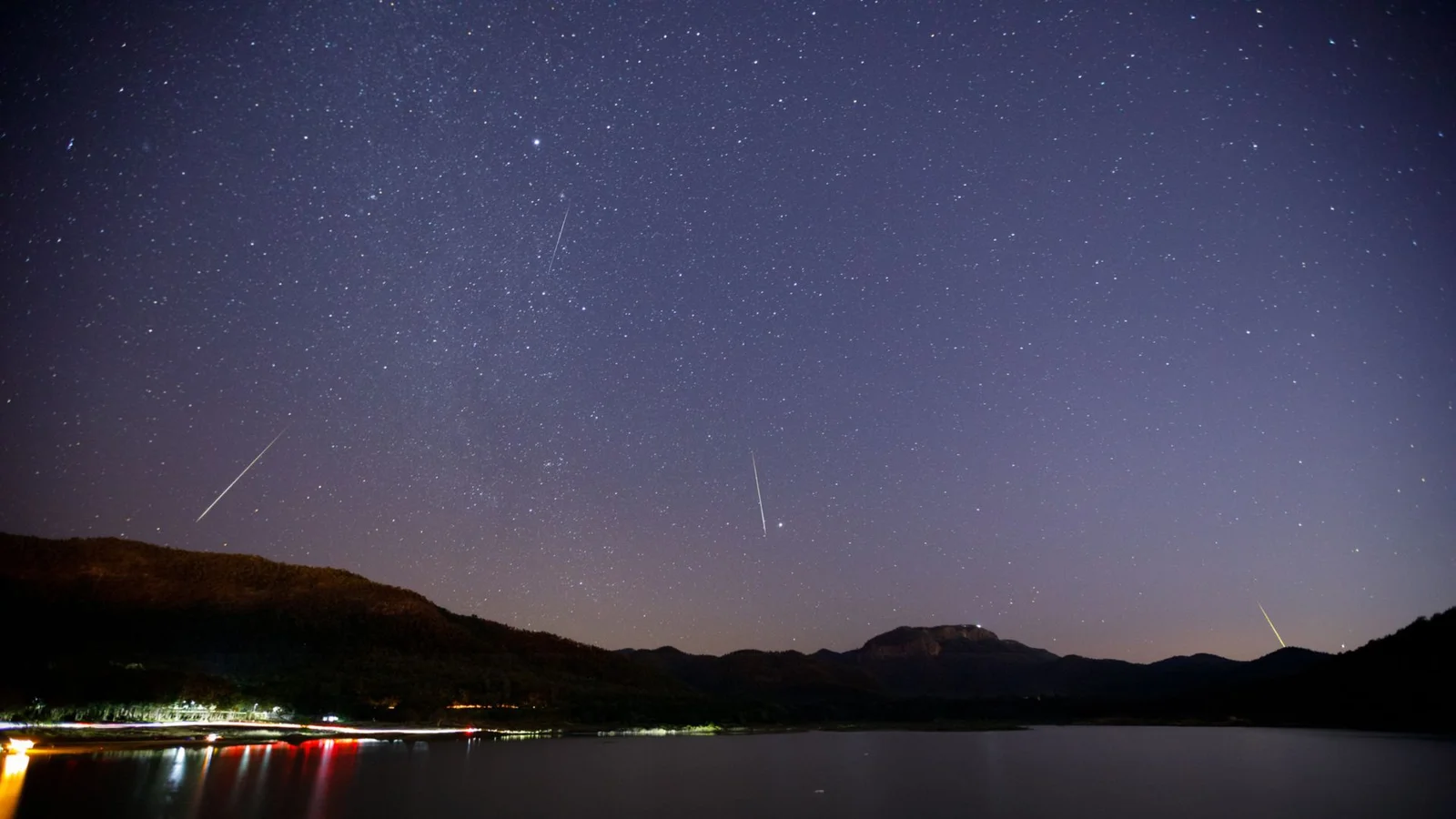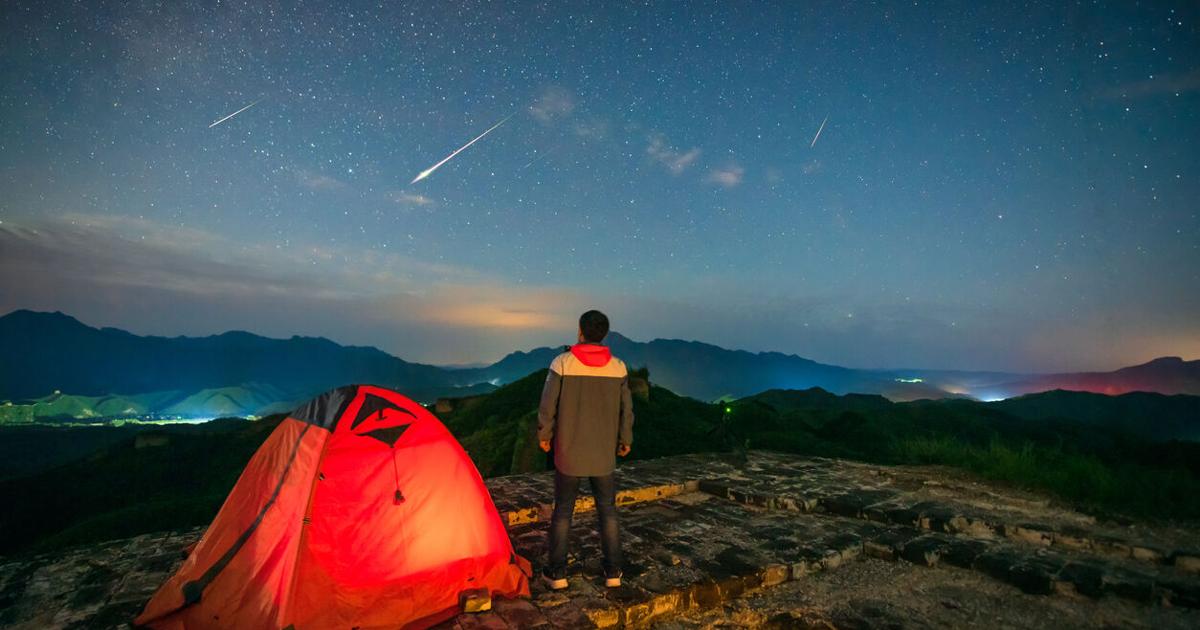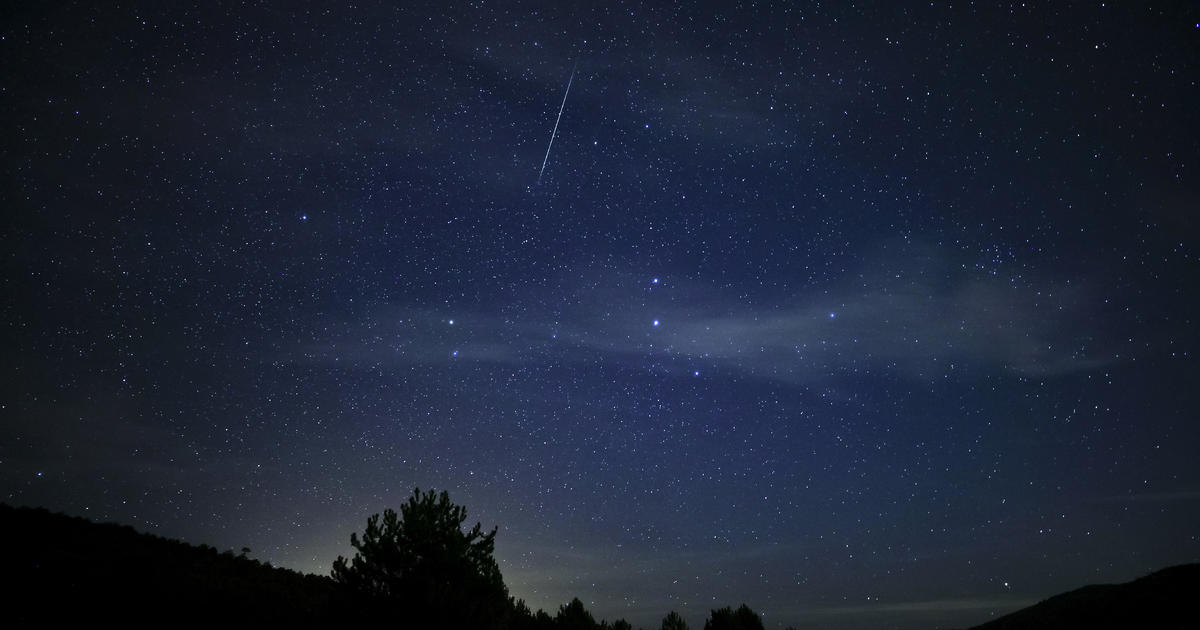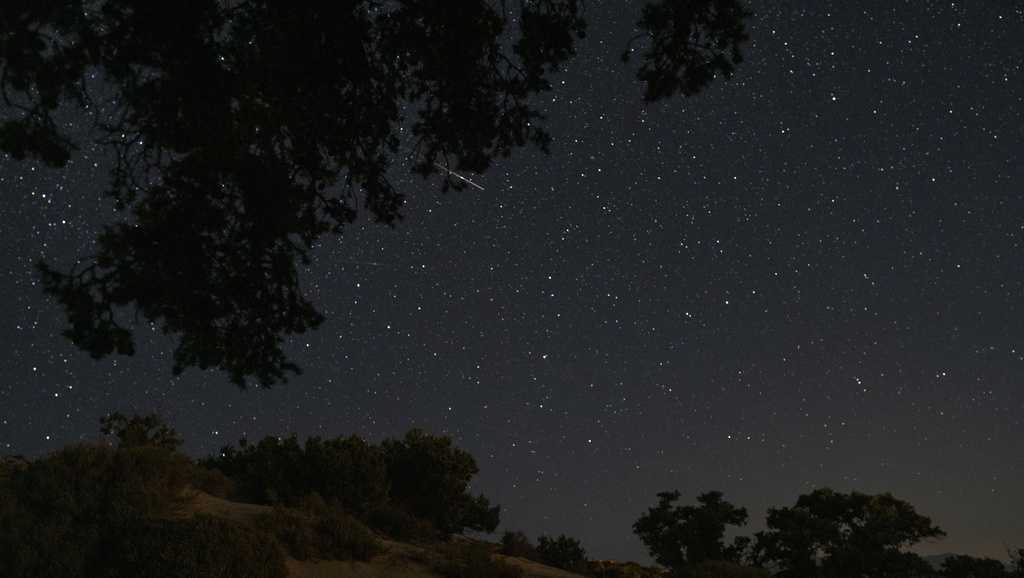
The first supermoon and meteor shower of 2026 will occur in January, with the Quadrantid meteor shower peaking and coinciding with a supermoon, though the bright moonlight may reduce the visibility of meteors. The event is mainly visible from the Northern Hemisphere, and the next major meteor shower will be in April.
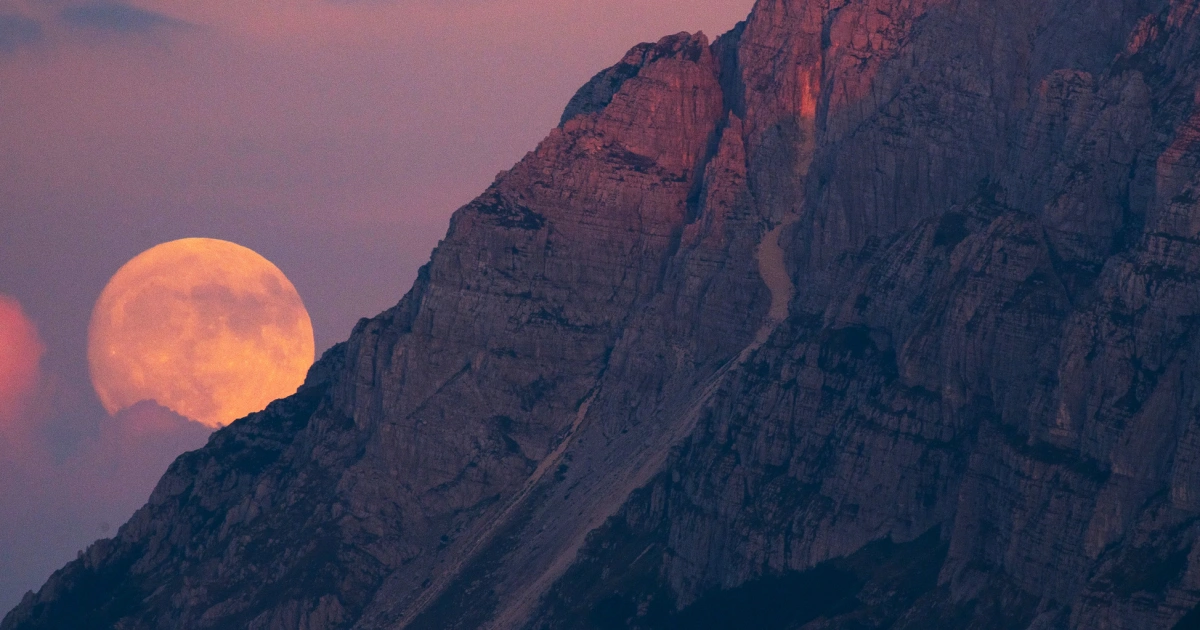
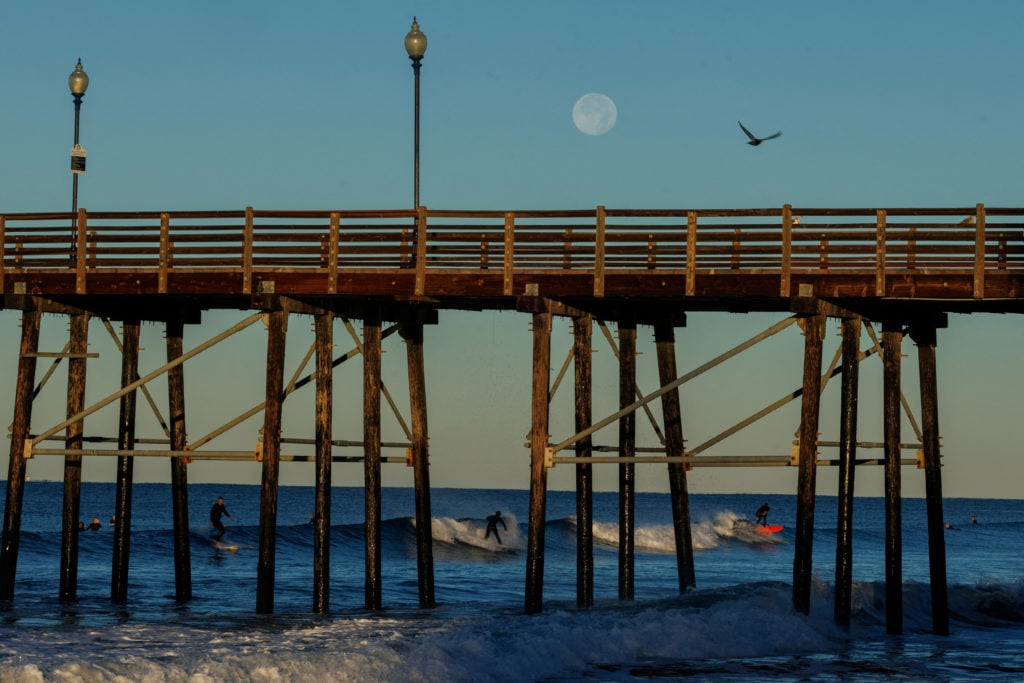
The first supermoon and meteor shower of the year will occur in January, with the Quadrantid meteor shower peaking and coinciding with a supermoon, though the bright moon may reduce the visibility of meteors to less than 10 per hour for observers.
The Quadrantid meteor shower, one of the year's most intense, peaks early January but will be poorly visible in 2026 due to the full moon coinciding with the peak time, making it difficult to observe all but the brightest meteors. The shower's origin is linked to debris from a small, possibly extinct comet, and future favorable viewing conditions are expected in 2028.
The Quadrantid meteor shower, potentially the strongest of the year, is occurring over Colorado and will continue until January 16. Despite the peak having passed on January 3-4, there's still an opportunity to see fireballs in the coming days, especially as the moon's illumination wanes, improving visibility. Stargazers will have to wait until April for the next major meteor shower after this one.
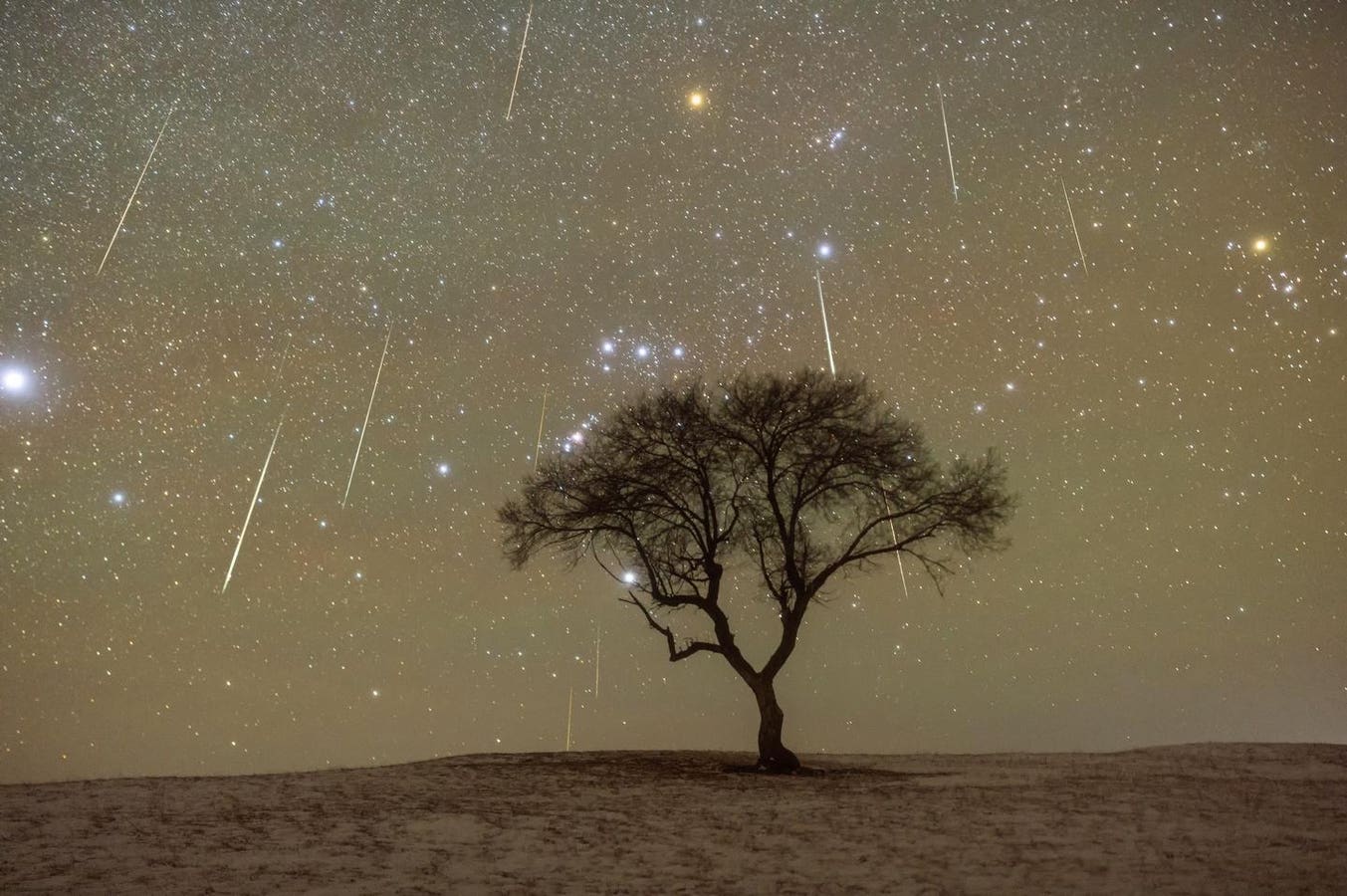
The Quadrantids meteor shower, the first of 2024, is set to peak after midnight on January 3, 2024, offering a brief but spectacular cosmic show, particularly in the Northern Hemisphere. With the potential to see 60-200 meteors per hour, the Quadrantids are known for bright fireball meteors and originate from the asteroid 2003 EH1, not a comet like most meteor showers. NASA recommends finding a dark spot away from city lights, lying flat on your back, and giving your eyes time to adjust to the darkness to best view the event. The Quadrantids are active until January 16, with the next meteor shower, the Lyrids, occurring in April.
The new year in the Omaha area begins with the Quadrantid meteor shower, the first of several meteor showers expected in 2024. Visible from January 3-4, with the potential to spot up to 120 meteors per hour, the Quadrantids are best viewed in the pre-dawn hours towards the northeast near the Big Dipper. Despite a few clouds and the light from a waning gibbous moon, conditions are favorable for witnessing this celestial event. Stargazers in Omaha can look forward to more meteor showers throughout the year, including the Lyrids, Eta Aquariids, Perseids, and more.
The Quadrantid meteor shower, peaking on the night of January 3rd into the morning of January 4th, offers a celestial spectacle with about 125 meteors per hour at its peak. Originating from the debris of asteroid 2003 EH1, these meteors are best viewed in the northern hemisphere, away from the light of a 51% full Moon. Stargazers are advised to find a dark spot and use the Big Dipper as a guide to catch these bright fireballs, despite the absence of meteor trails. This event marks the start of 2024's major meteor showers, with more to come throughout the year.
The Quadrantid meteor shower, the first of the year, is expected to peak overnight between January 3 and 4, with the best viewing times in the Northern Hemisphere from late night to dawn. Observers are advised to find a dark location, allow their eyes to adjust, and look north-to-northeastern sky with the moon at their back. The Quadrantids are known for their brief peak and potential to display over 100 meteors per hour, including bright fireballs. The shower originates from the now-defunct constellation Quadrans Muralis and is associated with asteroid 2003 EH1 and possibly Comet 96P/Machholz. After the Quadrantids, the next meteor shower won't occur until April.
The top three meteor showers to watch in 2024 are the Quadrantids in early January, the Eta Aquariids in May, and the Perseids in August, all occurring under dark skies with minimal moon interference. The Quadrantids can offer up to 120 shooting stars per hour, the Eta Aquariids up to 50 per hour, and the Perseids are the most popular with 100 per hour. To best experience these celestial events, find a dark location, be patient, and avoid using phones or binoculars to maintain night vision.