The article debunks common health misconceptions shared by medical professionals, emphasizing the importance of accurate information on topics like emergency responses, medication, dental procedures, mental health, and more, to promote better health decisions.
The article compiles various insights from healthcare professionals emphasizing the importance of understanding basic medical facts, making healthy lifestyle choices, and respecting medical advice to improve overall well-being and prevent serious health issues.
The article discusses how AI, particularly tools like ChatGPT, has amplified the spread of medical misinformation and charlatanism, reminiscent of historical quackery, and emphasizes the urgent need for robust governance and regulation to prevent AI from undermining scientific integrity and public health.
This article features 21 healthcare professionals debunking common health myths, such as ambulance wait times, misconceptions about vaccines, the overdiagnosis of developmental disorders, and misunderstandings about medical conditions and treatments, emphasizing the importance of accurate health information and appropriate medical care.
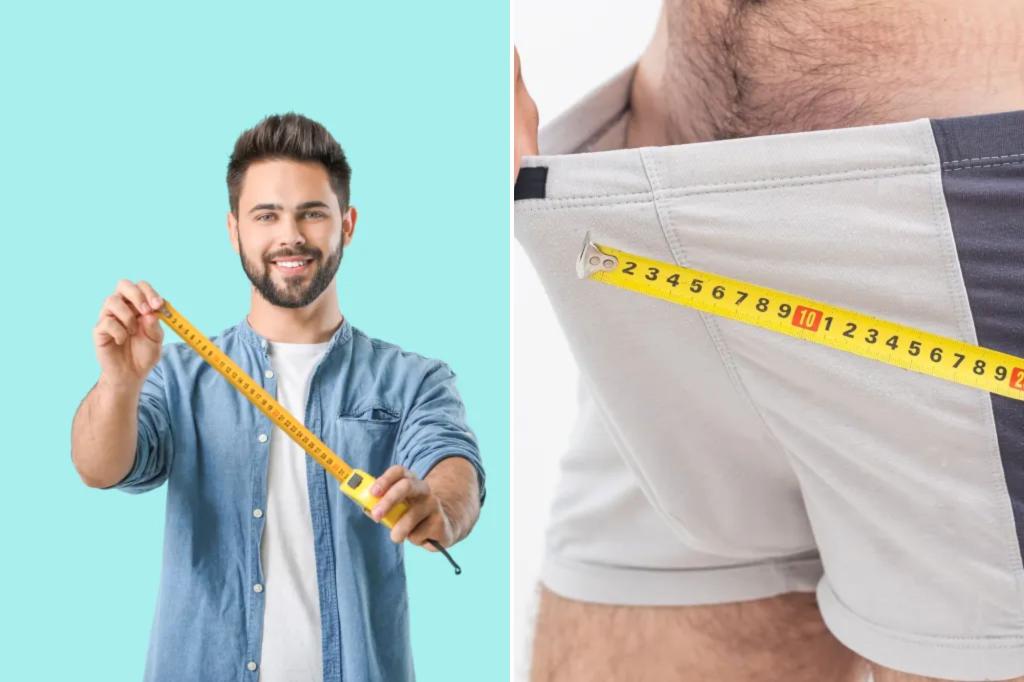
A surgeon specializing in sexual health debunked the myth that a man's penis size can be determined by the size of his hands and feet, citing a Japanese study that correlated nose length with penile length. She also mentioned the use of traction devices for penile lengthening and addressed concerns about Peyronie's disease. Another doctor emphasized that most people overestimate the average penis size, with the average flaccid penis measuring 3.6 inches and the erect penis measuring 5.17 inches.
Dr. Elizabeth Comen, a breast oncologist, highlights the impact of historical medical myths on women's body image and healthcare in her book. She debunks three pervasive myths: the assumption that women are tiny men, the binary approach to hormones, and the focus on reproductive health as the sole aspect of women's well-being. Comen emphasizes the need for gender-specific medical research and a more comprehensive understanding of women's health beyond reproductive issues, addressing the disparities in healthcare and the impact of cultural narratives on women's bodily experiences.
Despite the belief held by some medical staff, multiple large studies have shown no correlation between full moons and increased ER visits. An individual's concern about an EKG result indicating a possible heart attack was addressed by a cardiologist, who explained that the abnormal finding was likely a false positive, given the patient's overall good health. The doctor suggested rechecking the EKG during the next visit to confirm the absence of any serious condition.
Despite their dubious reputation, some old wives' tales have been proven to be true, such as the use of garlic for medicinal purposes, joint pain predicting rain, and the correlation between heartburn during pregnancy and a baby being born with a lot of hair. While the internet has made fact-checking easier, not all old wives' tales are false, and some have scientific backing. From herbal remedies to predicting rain, these traditional beliefs have some surprising truths behind them.
Cracking your knuckles does not cause arthritis, according to several studies. The sound is produced when tiny air bubbles in the synovial fluid pop under negative pressure. However, excessive knuckle cracking may lead to reduced grip strength and potential injuries. It is important to consult with a physician or healthcare provider for personalized medical advice.
Heart failure is a medical condition in which the heart muscle does not pump enough blood. There are several misconceptions about heart failure that must be busted. Heart failure does not imply that the heart will stop beating suddenly and without any prior symptoms. It is not the same as a heart attack. Although heart failure is a serious condition, it can be managed with the right treatment and regular cardiologist consultations. There are several treatment options available for patients with severe heart failure.
Some home remedies can actually be harmful, such as using syrup of ipecac to induce vomiting in case of accidental poisoning, applying butter or egg whites to burns, using breast milk as a cure-all, drinking arnica tea, using vinegar compresses on the skin, eating oysters to induce a miscarriage, using teething gels containing benzocaine on babies, taking St. John's Wort and other herbal remedies without considering potential interactions, pouring hydrogen peroxide on wounds, and using baking soda for stomach troubles. It's important to be aware of the potential health risks associated with these remedies and to seek medical advice when necessary.