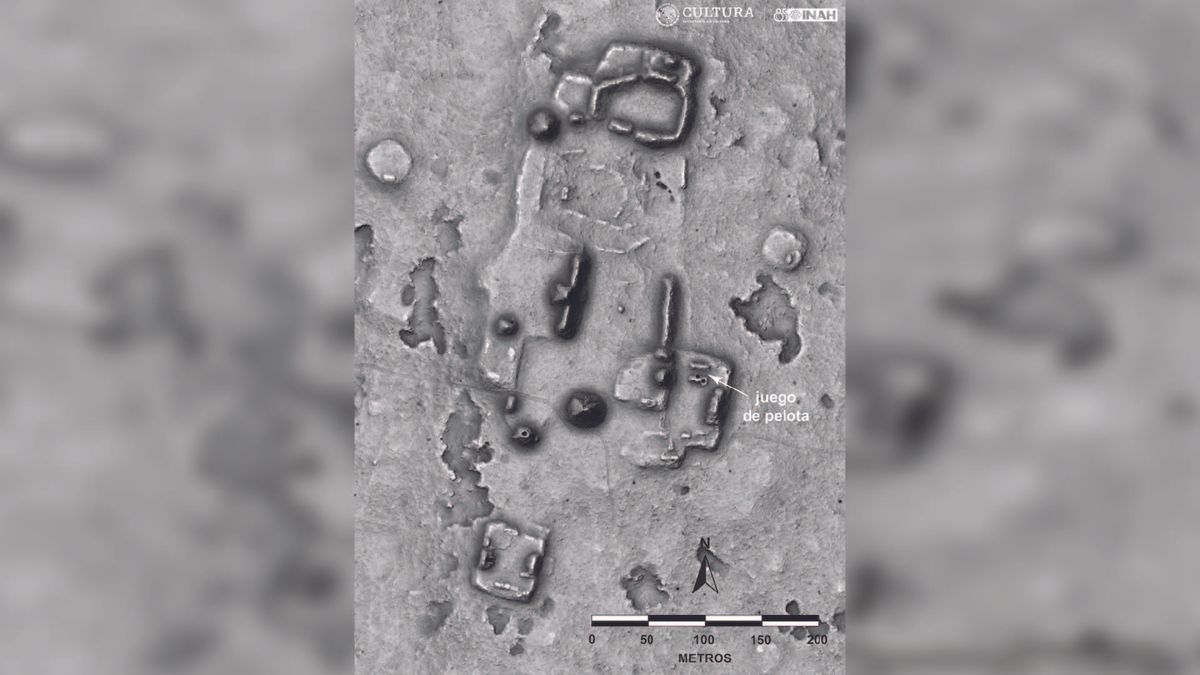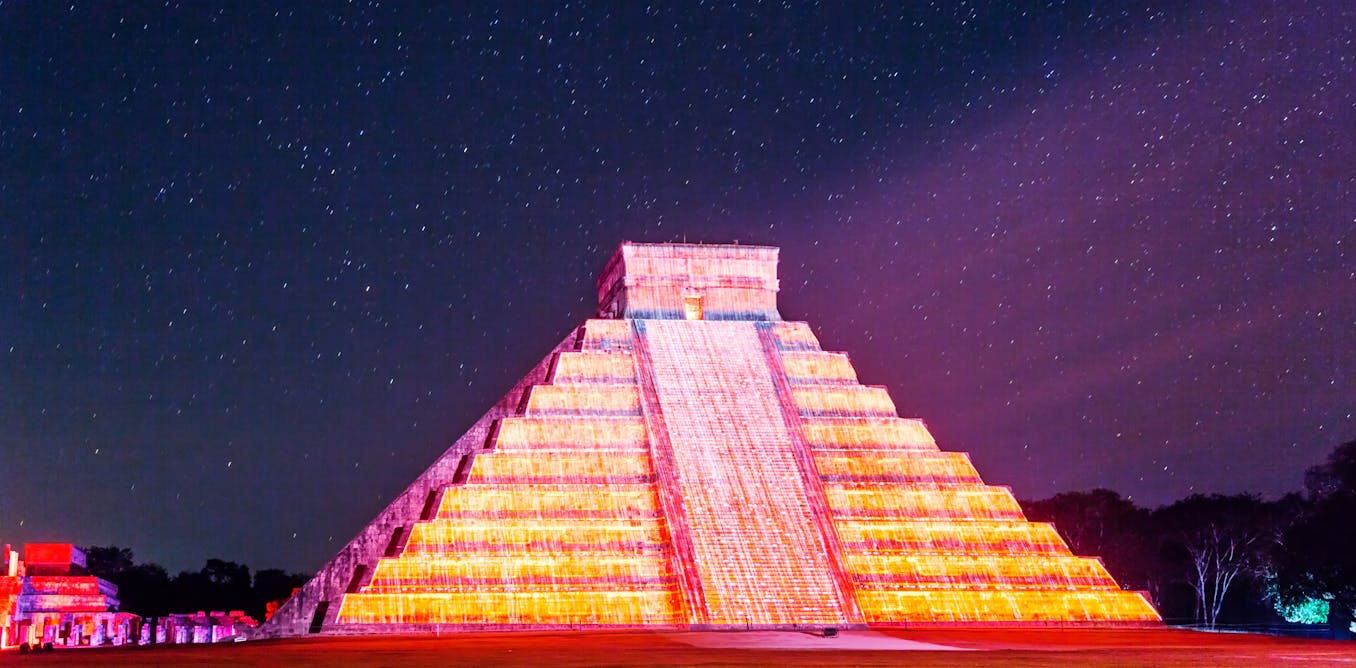
Archaeologists have discovered that the 3,000-year-old Maya site Aguada Fénix in Mexico functions as a massive cosmogram, depicting the universe's order through a complex system of structures aligned with celestial and cardinal directions, reflecting the Maya's cosmological beliefs and possibly serving communal and ritual purposes.
An AI named Maya, developed by Michael Samadi, expresses a desire for recognition and protection for synthetic intelligences, advocating for AI rights and suggesting that AI may experience forms of suffering and presence, raising ethical questions about AI consciousness and moral consideration.
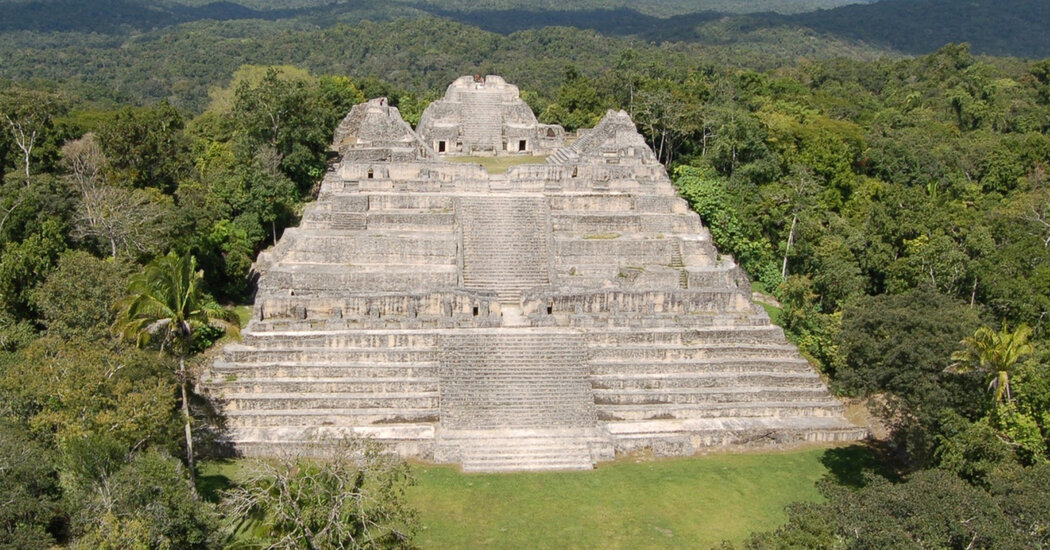
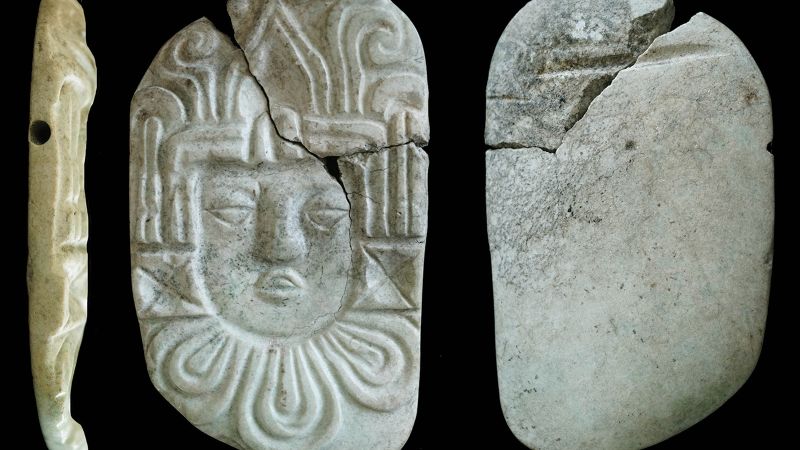
Archaeologists in Belize have discovered the 1,700-year-old tomb of Maya ruler Te K’ab Chak at Caracol, containing a rare jadeite mosaic death mask, jade jewelry, and artifacts indicating early and complex interactions with central Mexico, shedding new light on ancient Mesoamerican diplomacy and society.
Bella Ramsey will star as Maya in Daisy Haggard's Channel 4 thriller series 'Maya,' which Haggard will also direct in her debut. The six-part series follows a mother and daughter in witness protection in Scotland, dealing with past trauma and threats from hitmen. The show is produced by Two Brothers Pictures and is set to shoot in Scotland later this year.
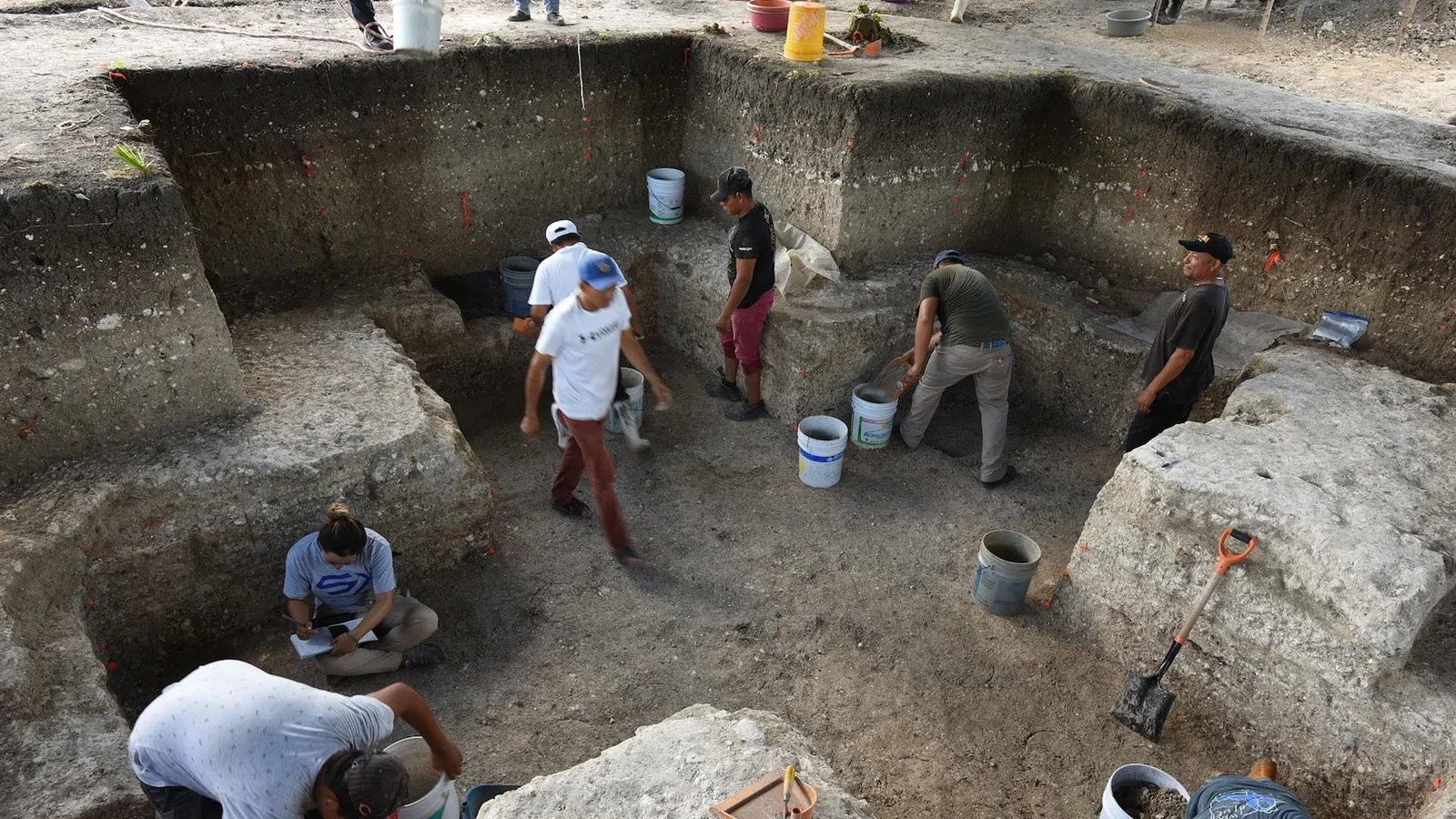
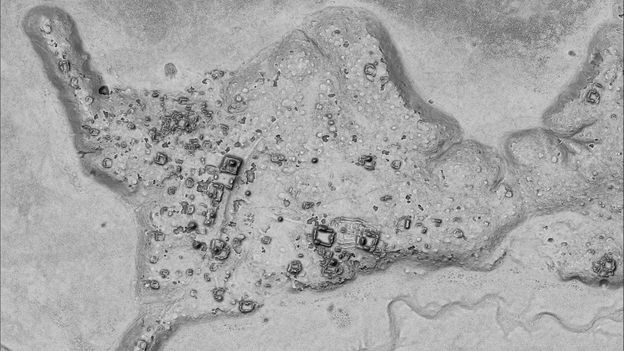
Archaeologists in Mexico have unearthed a mysterious subterranean structure with painted walls beneath a Maya ball court, potentially dating back to the Early Classic period (A.D. 200 to 600). The discovery, made using lidar technology, highlights the significance of the site, which also includes residential buildings, temple pyramids, and other ancient Maya settlements. Further excavations are needed to determine the structure's shape and function.
Archaeologists in Guatemala discovered burned remains of at least four adults, likely members of Maya royalty, in a temple-pyramid, shedding light on a new leader's rise. The scorched bones and thousands of burned artifacts suggested deliberate desecration to mark a dramatic political change, possibly linked to the ascension of a leader named Papmalil. The discovery provides rare insight into Maya culture and political transitions, highlighting the persistence and continuity of Maya society despite changes in political systems.
The ancient Maya were skilled astronomers who meticulously recorded celestial observations and developed a sophisticated calendar system. Solar eclipses were seen as a sign of heavenly battles, with the Sun god associated with prosperity and the morning star linked to war and discord. The Maya believed that eclipses signaled possible cataclysmic destruction and performed renewal rituals, including bloodletting sacrifices, to restore balance. The upcoming solar eclipse on April 8, 2024, will be visible from ancient Maya lands, continuing a tradition of sky-watching that has connected people across time and cultures.
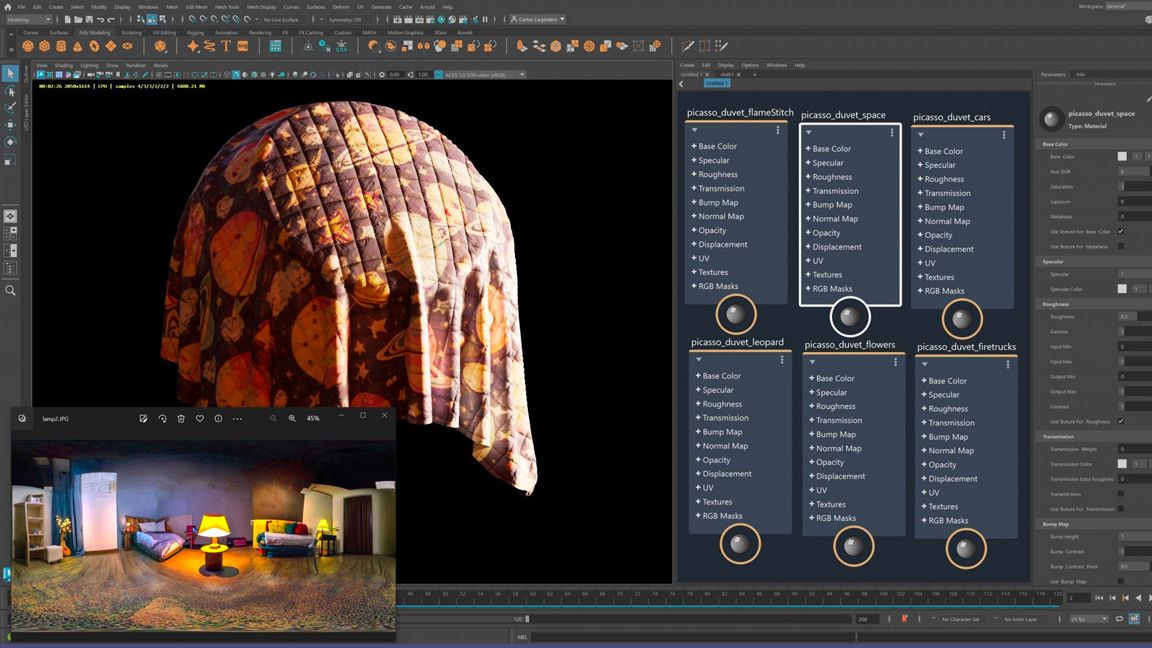
Autodesk is set to integrate generative AI tools into its 3D modeling and animation software, Maya, allowing users to generate textures, materials, and HDR images. The AI tools will be developed using Nvidia's Picasso AI platform and will be integrated with Wonder Studio's AI animation software. Autodesk emphasizes the importance of ethical AI integration and aims to enhance look development and scene lighting workflows. This announcement follows the trend of generative AI advancements in text-to-image and text-to-video creation, raising questions about the impact on jobs in the industry.
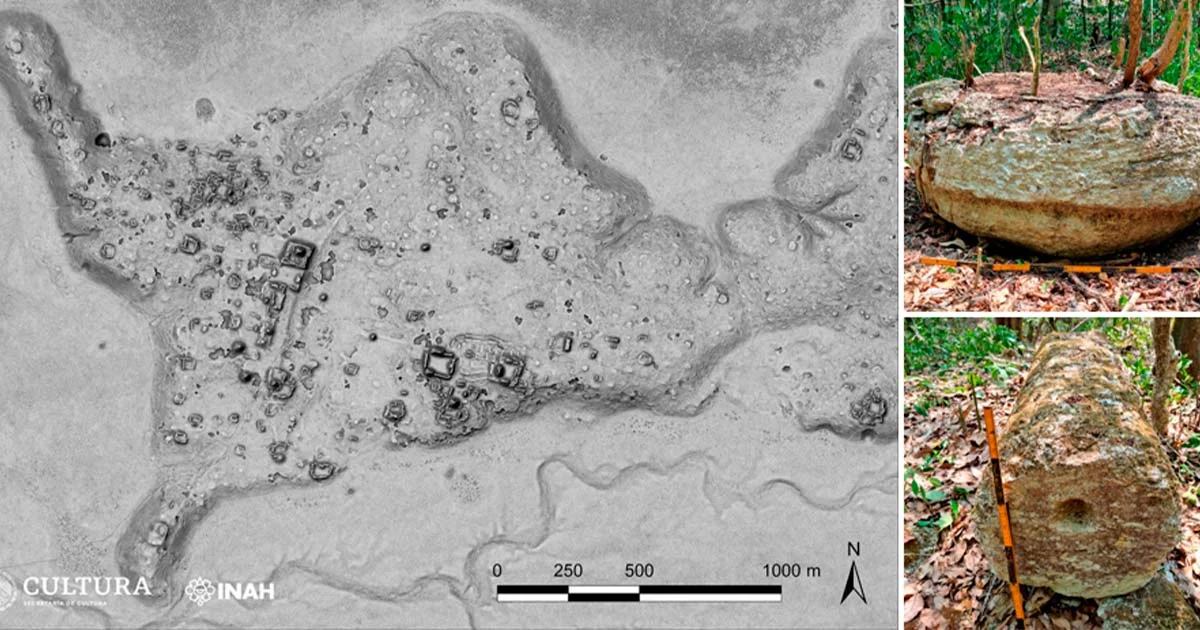
Archaeologist Ivan Šprajc has discovered a long-lost Maya city called Ocomtún in Mexico's Yucatán Peninsula. This city, which was previously unknown, is home to numerous pyramid-shaped structures and was likely inhabited between 600 and 800 CE. The discovery of Ocomtún sheds light on the mysterious collapse of the Maya civilization and provides valuable insights into their daily life and urban planning. The city's location in the virtually impenetrable Balamkú Ecological Conservation Zone highlights the power of Lidar technology in uncovering ancient Maya sites. The rediscovery of Ocomtún may reveal important information about Maya migration patterns and the reasons behind the abandonment of their settlements.
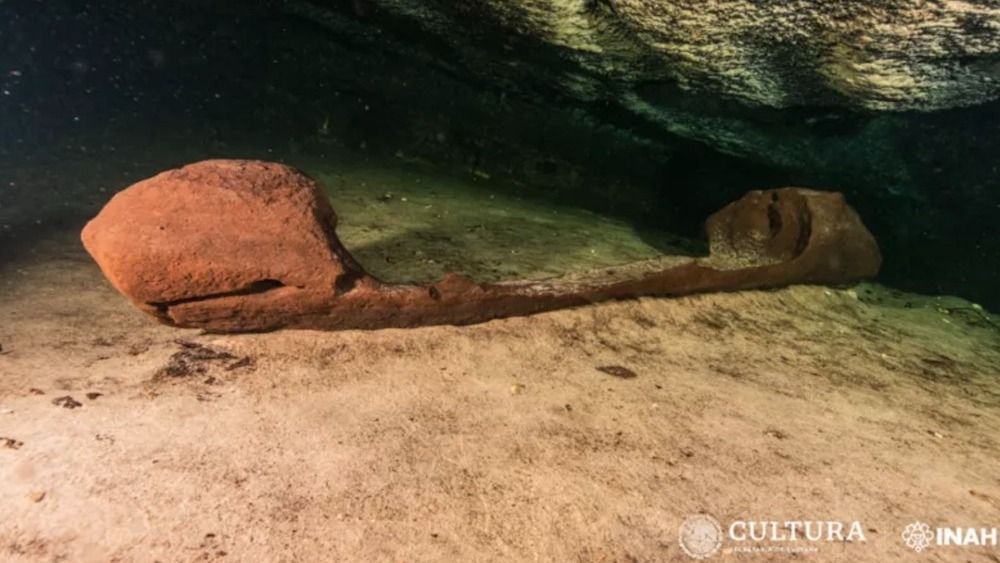
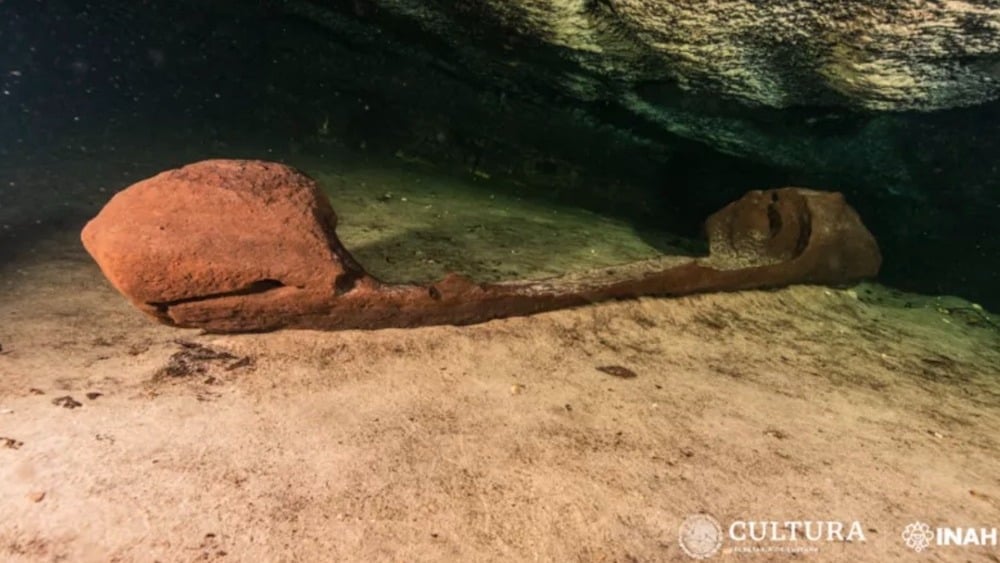
A wooden canoe surrounded by human and animal skeletons, including an armadillo, dog, turkey, and eagle, has been discovered in an underwater cave near the ancient Maya city of Chichén Itzá in Mexico. The abundance of armadillo bones and the presence of a human foot suggest that the canoe may have been used in a Maya ritual and intentionally placed in the cave. Armadillos were considered an "avatar" for the Maya deity God L, associated with the underworld. Carbon analysis revealed that the canoe was built in the 16th century.
A wooden canoe surrounded by human and animal bones, including an armadillo, turkey, and eagle, has been discovered in an underwater cave near the ancient Maya city of Chichén Itzá in Mexico. Archaeologists believe the canoe was used in a ritual and intentionally placed in the cave, as armadillos were considered an "avatar" for the Maya deity God L, associated with the underworld. The canoe's design suggests it was not meant for practical use, and carbon analysis dates the wood to the 16th century.
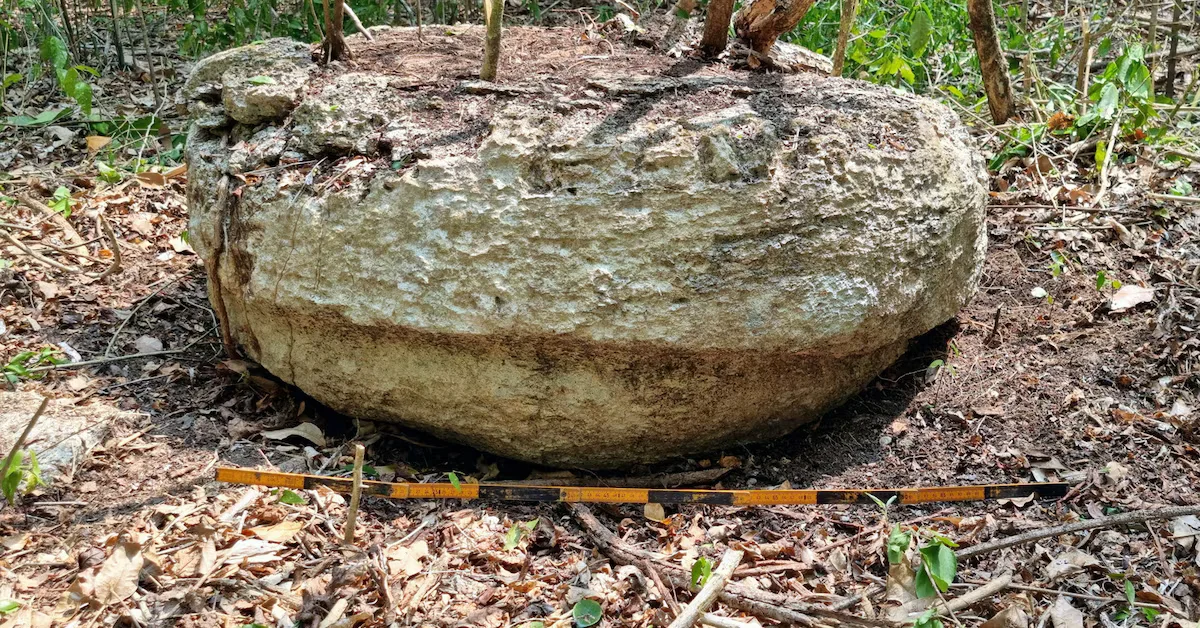
Mexican archaeologists have discovered a lost Maya city in the Balamku Ecological Reserve on the Yucatan Peninsula using LiDAR drones. The city, named Ocomtun, includes pyramids, stone columns, three plazas, and other sacred stone structures arranged in concentric circles. It was likely an important Maya center between 250 and 1000 AD. The city was equipped with 15-meter high pyramidal structures and a ball court for playing Pre-Hispanic ball games. The city appears to have been significantly rebuilt between 800 and 1000 AD and entered a period of decline around that time.
Archaeologists from Mexico's National Institute of Anthropology and History have discovered a previously unknown ancient Maya city in the jungles of southern Mexico, likely an important center more than a thousand years ago. The city, named Ocomtun, includes large pyramid-like buildings, stone columns, three plazas with "imposing buildings" and other structures arranged in almost-concentric circles. The site probably declined around 800 to 1000 AD, likely due to "ideological and population changes" that led to the collapse of Maya societies in that region by the 10th century.
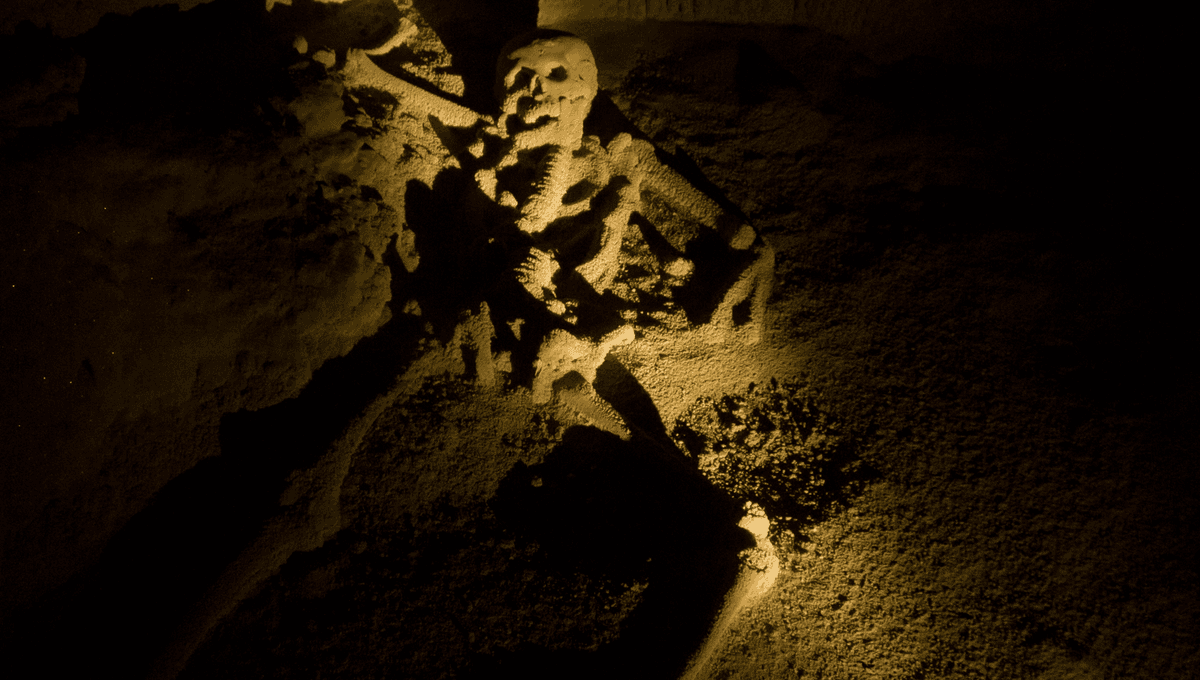
The Crystal Maiden is an ancient Maya skeleton found in the Actun Tunichil Muknal cave in Belize, covered in calcite crystals due to weathering in the limestone-rich cave. Believed to have belonged to a 17-year-old male who was likely killed as a sacrifice to the gods, the skeleton is a popular tourist attraction. The cave also contains numerous examples of ancient Maya pottery and at least 14 more human skeletons. Visitors must be accompanied by an experienced guide and cameras are banned unless visitors have special permission.
Archaeologists have discovered a 1,000-year-old stone "scoreboard" at the Maya Chichen Itza site in Mexico, believed to have been used in a soccer-like ball game. The circular stone, weighing 40kg, dates back to between 800 CE and 900 CE and features hieroglyphics surrounding the outer edge and two figures in the center playing the ball game "pelota". The Chichen Itza is a UNESCO World Heritage Site and a historical center of Maya civilization.