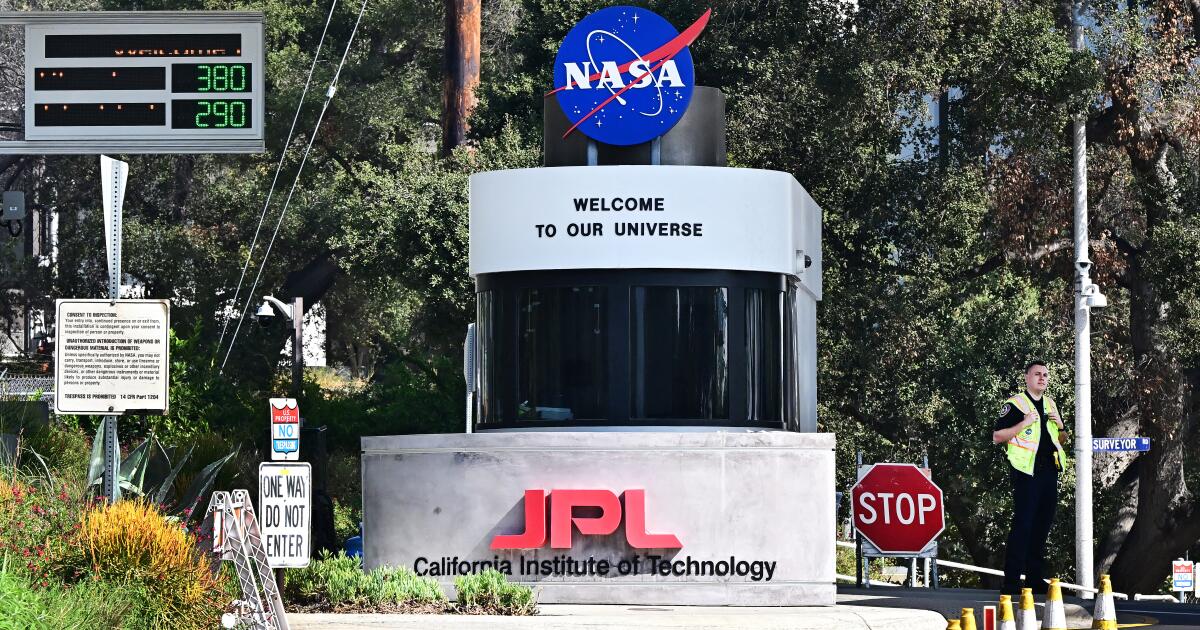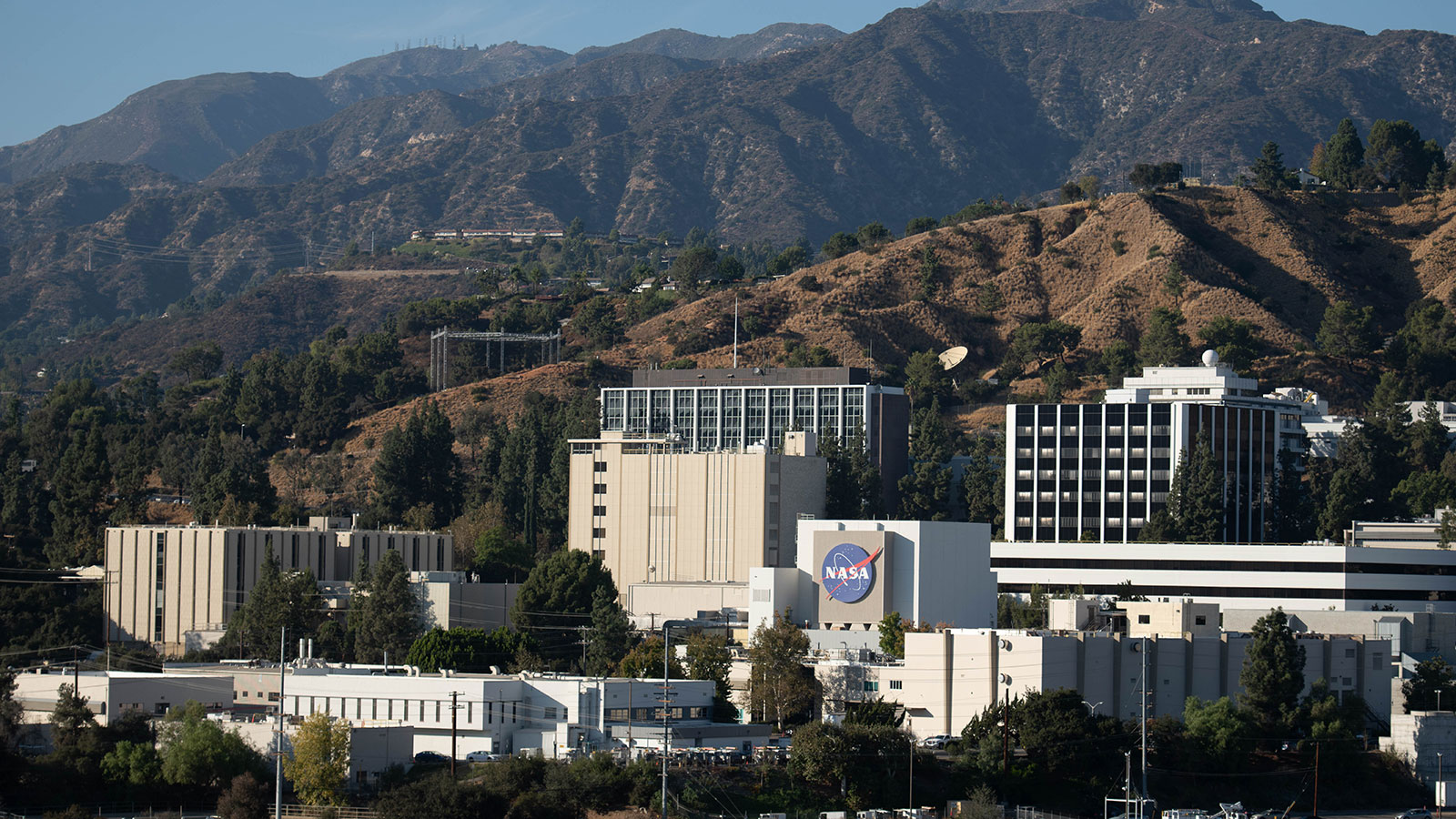
NASA's Jet Propulsion Laboratory in La Cañada Flintridge has laid off 550 employees, over 10% of its staff, as part of a reorganization to address ongoing budget issues and focus on core capabilities, amid a challenging financial and political environment that threatens its future projects and leadership in space exploration.
NASA's Jet Propulsion Laboratory (JPL) will lay off about 550 employees, or 11% of its workforce, as part of a restructuring effort aimed at creating a leaner organization to better compete in the evolving space industry, with the changes beginning immediately and not related to the government shutdown.
NASA's Jet Propulsion Laboratory (JPL) is undergoing a workforce reduction of about 550 staff members as part of a restructuring effort to ensure future success, focusing on core capabilities and fiscal discipline, amid a lapse in federal funding.
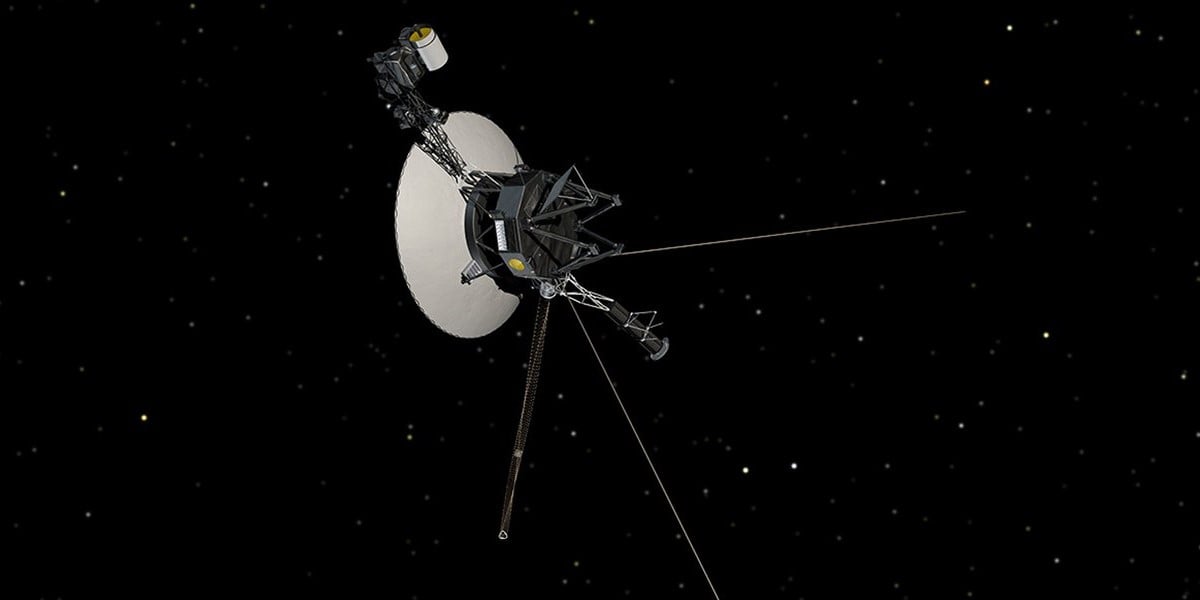
NASA's Voyager mission, launched nearly 50 years ago, faces a 26% budget cut amid government shutdown concerns, threatening its ongoing scientific operations and affecting other missions like Juno, with fears of job losses and mission deactivation.
JPL in Pasadena has announced upcoming layoffs this month, affecting the well-known science hub that operates in Pasadena and La Cañada Flintridge, as part of federal space and earth agency restructuring.
The article discusses the strategic timing of pre-emptive union busting efforts at NASA's Jet Propulsion Laboratory (JPL), with insights from Keith Cowing, a space industry journalist and former NASA employee.
The article discusses ongoing efforts to unionize NASA's Jet Propulsion Laboratory (JPL), including a recent town hall on the topic and an anti-union email sent by management, highlighting tensions around employee organization at JPL.
The article is a brief acknowledgment to JPLers by Keith Cowing, a space journalist and former NASA employee, highlighting his background and affiliations.
NASA's Europa Clipper radar instrument successfully tested during a Mars flyby, demonstrating its capability to study Europa's icy shell and underlying ocean, paving the way for future exploration of potential habitability on the moon.
NASA's Jet Propulsion Laboratory is reportedly attempting to sell off its satellites, including Earth-monitoring ones, amid budget cuts and plans to shut down certain projects, raising concerns about the future of space science and environmental monitoring. The move appears to be driven by the Trump administration's budget proposals and a broader anti-science stance, with NASA trying to offload assets to private and government buyers. The scientific community is alarmed by these developments, which threaten ongoing and future space research efforts.
NASA is reportedly planning to decommission several satellites, including OCO-2, OCO-3, and others, ahead of the FY 2026 budget, with internal discussions indicating a sale or shutdown of these assets.
John R. Casani, a pioneering NASA engineer and project manager instrumental in historic missions like Voyager and Galileo, passed away at 92. His work significantly advanced deep space exploration technology and management, leaving a lasting legacy at JPL and NASA.
The article discusses the cessation of work orders at NASA's Jet Propulsion Laboratory (JPL), with insights from Keith Cowing, a space journalist and former NASA employee.
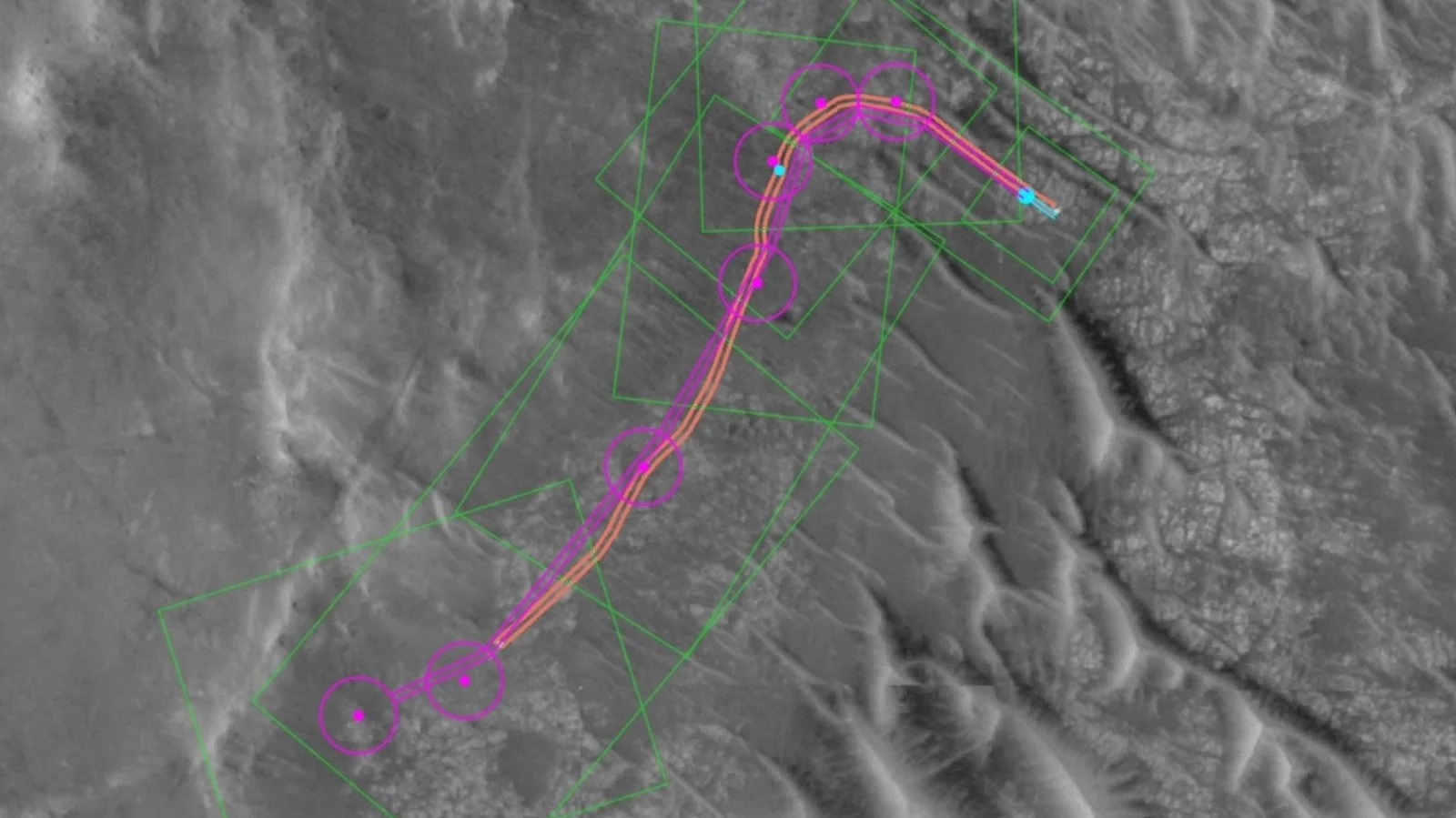
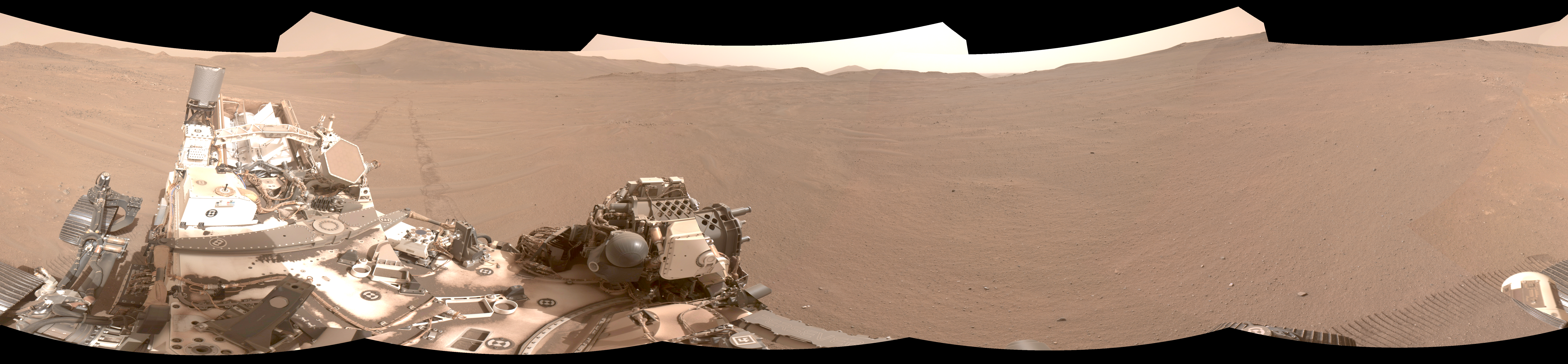
NASA's Ingenuity helicopter has been permanently grounded on Mars after its 72nd flight ended abruptly due to navigation errors caused by the featureless Martian terrain. The helicopter's rotor blades were damaged, with one completely detached, following a hard landing on a sand ripple. Despite being designed for only five flights, Ingenuity completed 72, showcasing the potential of using commercial off-the-shelf components in space missions. While it will no longer fly, Ingenuity continues to transmit data to the Perseverance rover, and its success has inspired future Mars rotorcraft projects.
NASA's Ingenuity Mars Helicopter, which crashed during its 72nd flight, may continue to serve as a weather station on Mars for up to 20 years, despite being unable to fly again. The helicopter's avionics and sensors remain functional, allowing it to record telemetry and images. However, communication with Earth may soon be lost as the Perseverance rover, which relays data, moves further away. Ingenuity's mission was a success, having far exceeded its initial flight goals, and NASA is already conceptualizing a new, larger Mars helicopter for future missions.