The Supreme Court rejected Kim Davis's attempt to revisit the 2015 Obergefell marriage equality ruling, highlighting procedural issues and the unlikely interest of the court's full bench in overturning substantive due process protections, while emphasizing ongoing concerns about the court's direction on LGBTQ rights and other issues.
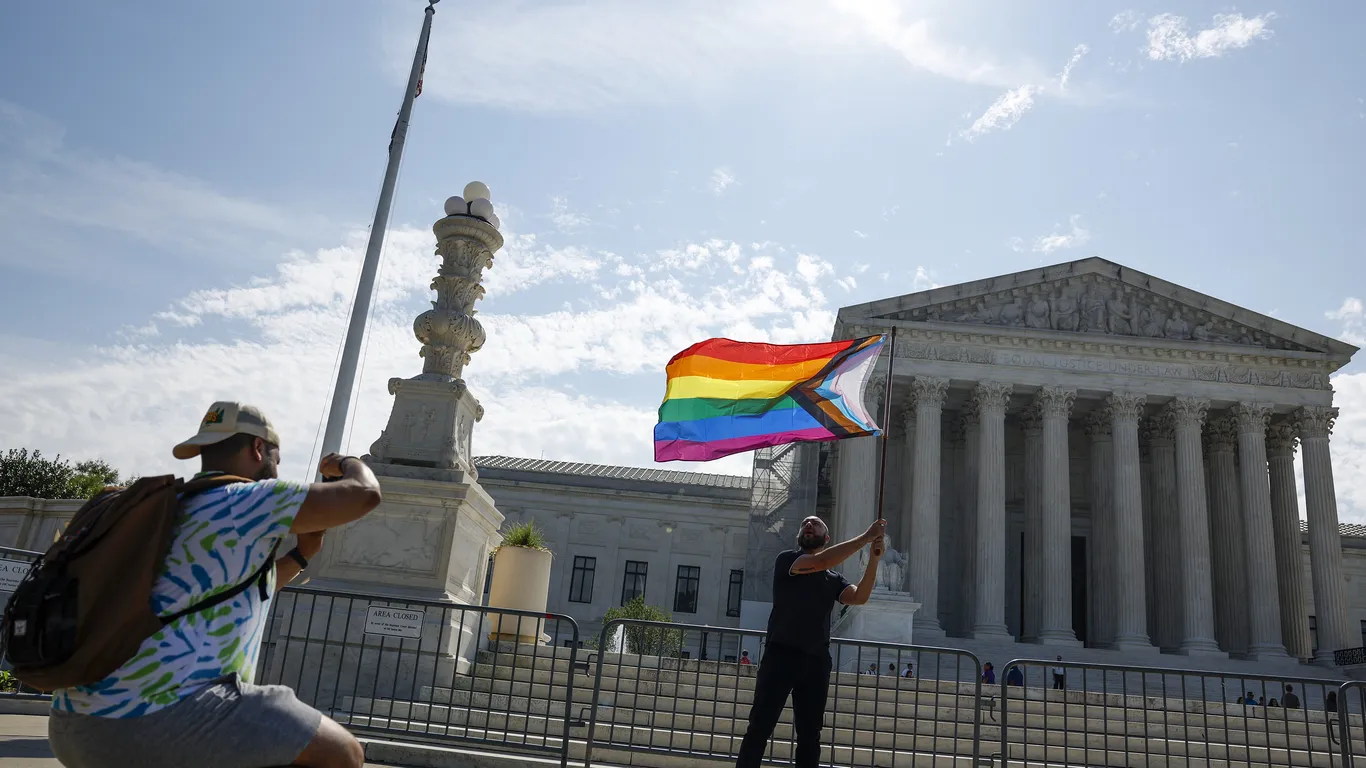
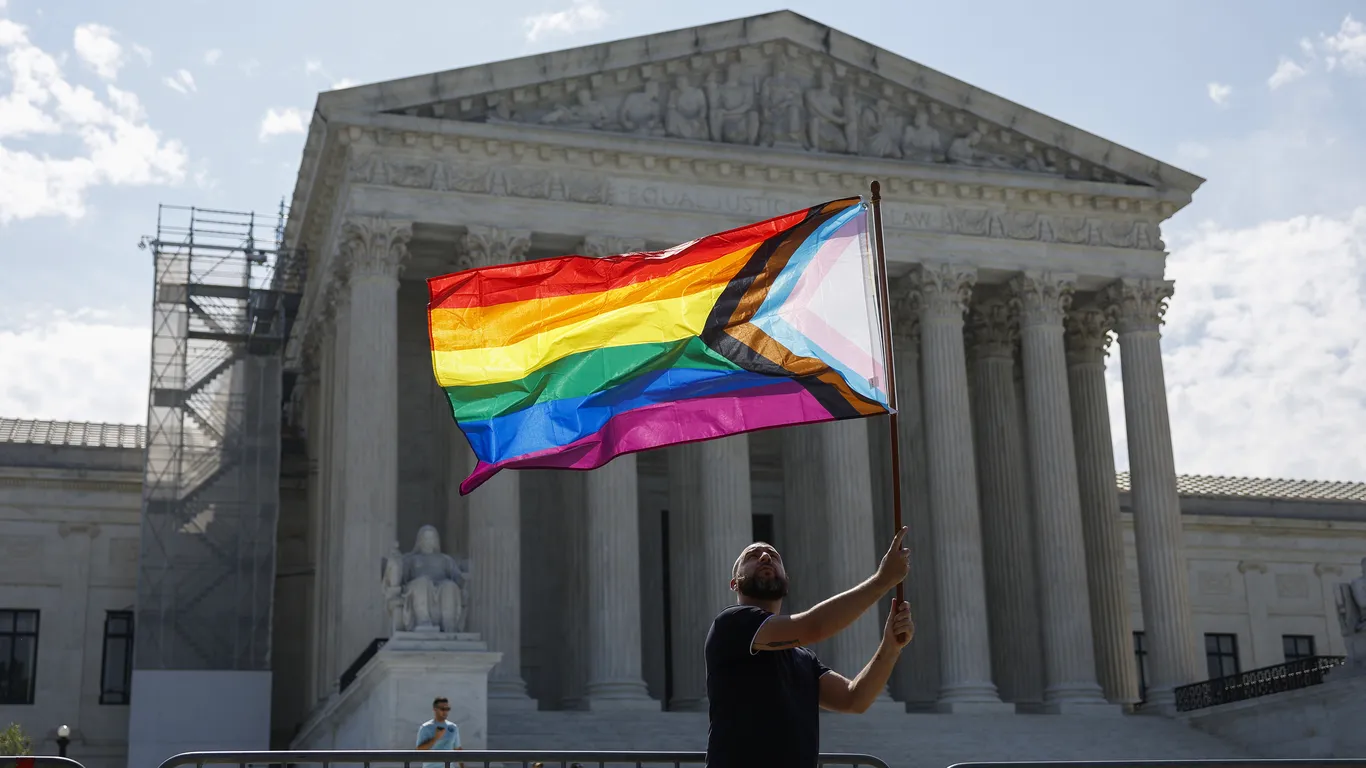
The Supreme Court declined to hear a challenge to the 2015 landmark decision recognizing same-sex marriage nationwide, affirming that marriage equality remains settled law despite ongoing efforts to overturn it. The case was brought by Kim Davis, a former Kentucky clerk, who argued the decision was wrong, but the Court's rejection signals continued support for marriage rights for LGBTQ+ individuals.
The U.S. Supreme Court is considering whether to hear an appeal that could challenge the 2015 ruling that established marriage equality, with potential implications for LGBTQ+ rights and state laws. The case involves Kim Davis, a former Kentucky clerk, who refused to issue a marriage license to a same-sex couple and argues that the Supreme Court's decision was wrong. While some justices have suggested revisiting the ruling, many oppose it, citing the broad societal support for marriage equality. The outcome could significantly impact legal protections for same-sex marriages across the U.S.
Legal experts believe the Supreme Court is unlikely to revisit the landmark Obergefell v. Hodges decision that established marriage equality nationwide, especially given recent court tendencies to reverse long-standing precedents. The current case involves Kim Davis, who refuses to issue marriage licenses to same-sex couples, but most advocates see it as a narrow challenge unlikely to overturn marriage rights. Reversing Obergefell could cause legal chaos and suffering, and public support for marriage equality has significantly increased over the years. The Supreme Court's decision on whether to hear the case is expected this fall.
Ten years after the Supreme Court's decision in Obergefell v. Hodges legalized same-sex marriage nationwide, individuals share personal stories of how the ruling has positively impacted their lives, including moments of acceptance and newfound freedom.
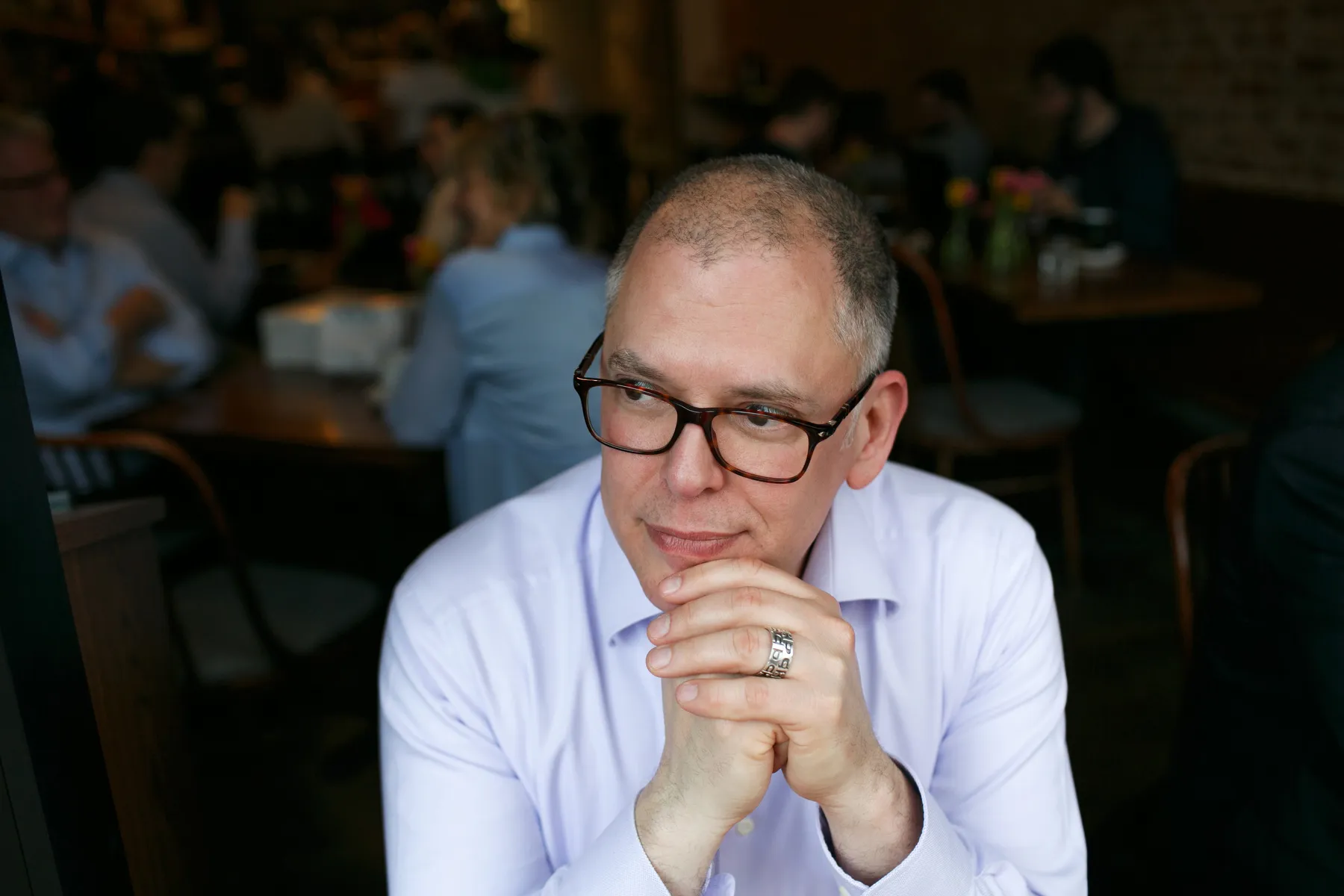
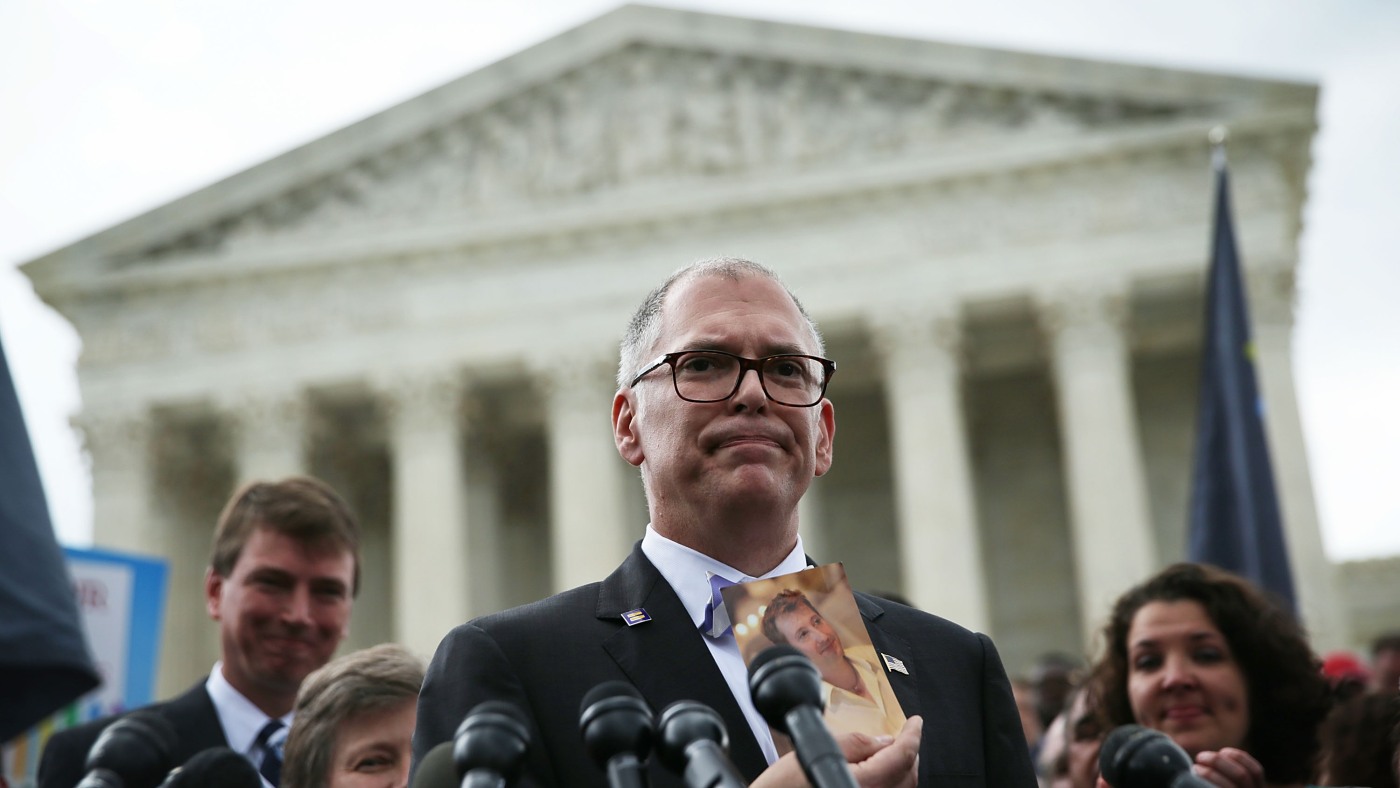
Jim Obergefell, the plaintiff in the landmark 2015 Supreme Court case that legalized same-sex marriage nationwide, reflects on a decade of impact, personal growth, and ongoing struggles for LGBTQ+ rights, while expressing hope for future progress and his own journey beyond the fight for marriage equality.
Jim Obergefell, the plaintiff in the landmark 2015 Supreme Court case that legalized same-sex marriage nationwide, reflects on the decade since the ruling, the progress made, and the current threats to LGBTQ+ rights, expressing both pride and concern for the community's future.
The article recounts the pivotal role of Massachusetts couples who married in 2004, helping to pave the way for nationwide legalization of same-sex marriage, culminating in the 2015 Supreme Court decision. It highlights personal stories of couples affected by these legal changes and discusses the ongoing political and social challenges faced by the LGBTQ community.
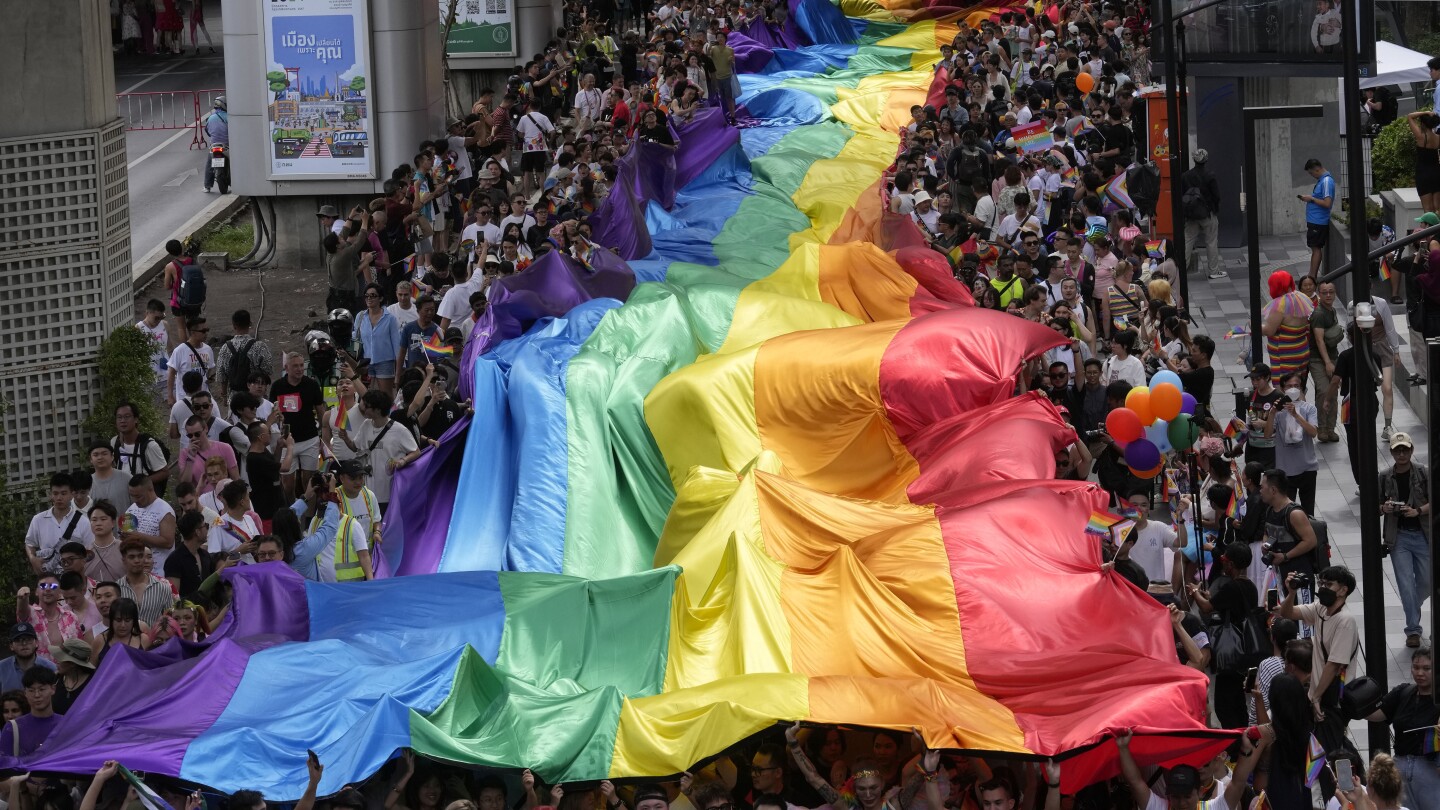
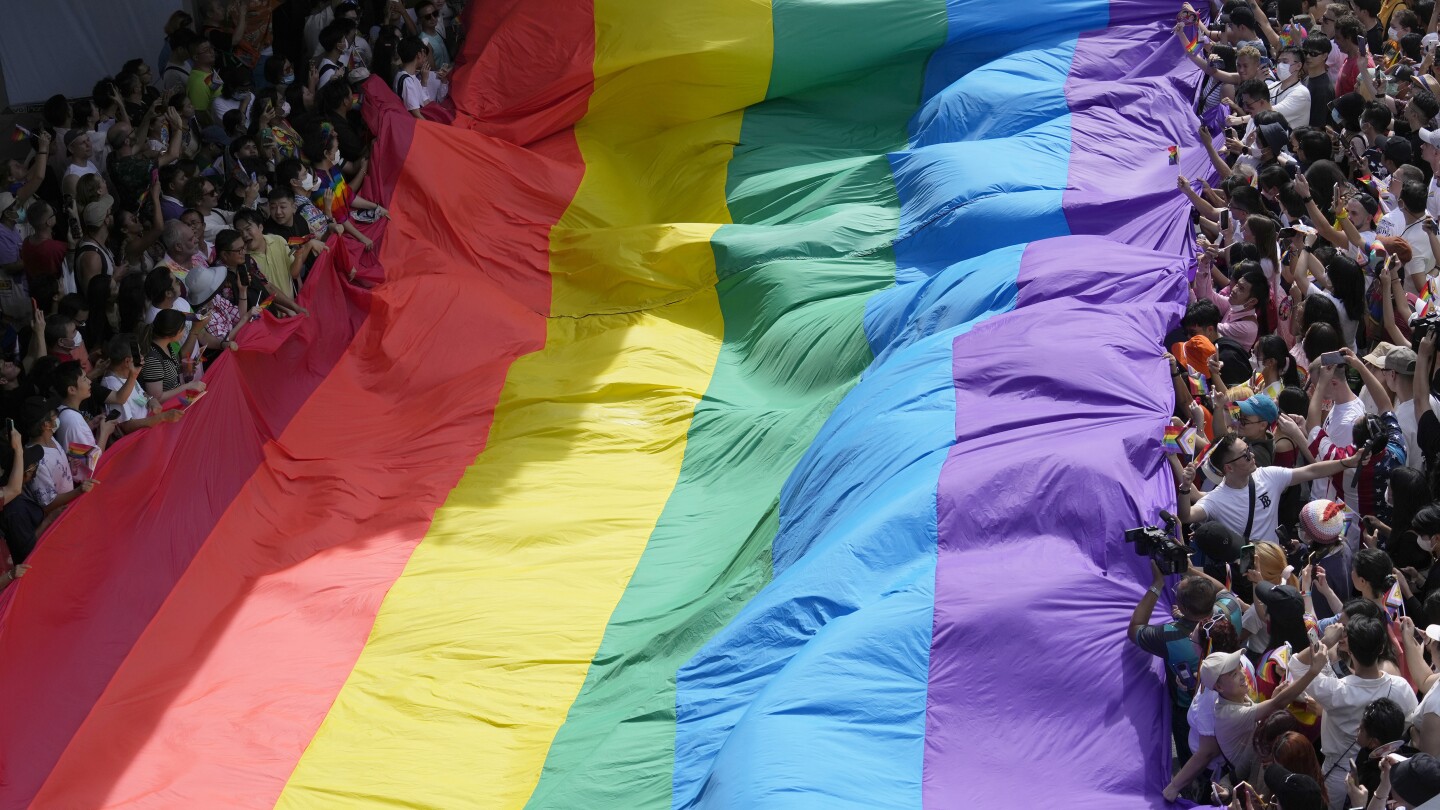
Thailand's Bangkok Pride Parade, marking the start of Pride Month, has grown into a significant social and political event, with the country poised to become the first in Southeast Asia to legalize marriage equality. The parade, supported by politicians, government agencies, and major businesses, reflects a shift in Thai society towards greater acceptance and advocacy for LGBTQ+ rights. The event's political significance has increased, driven by activists like Ann "Waaddao" Chumaporn, who have worked to raise awareness on gender equality and diversity.
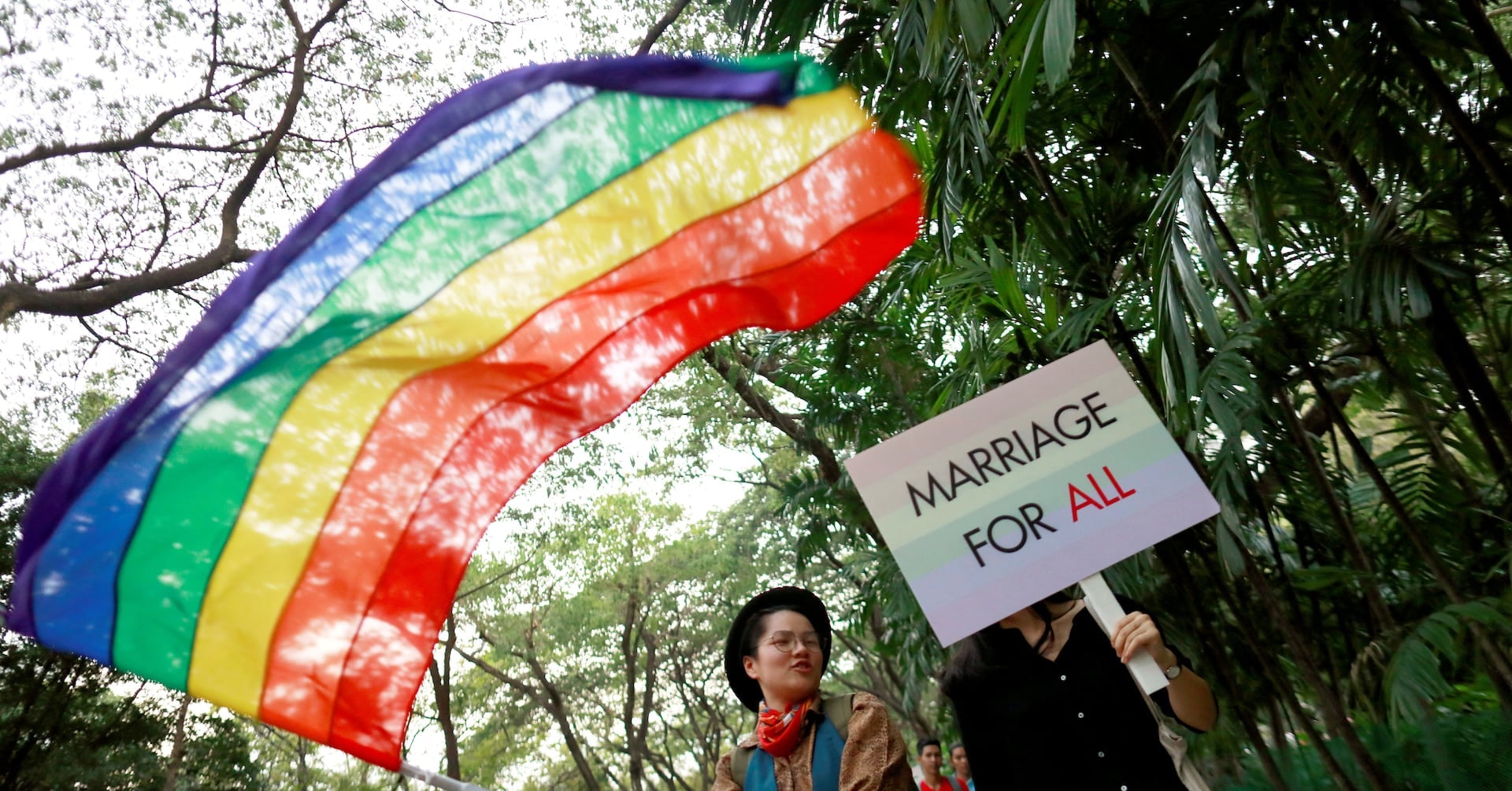
Thailand's lower house of Parliament overwhelmingly approved a marriage equality bill, making the country the first in Southeast Asia to legalize equal rights for marriage partners of any gender. The bill now goes to the Senate and then to the king for royal endorsement. If passed, it would amend the Civil and Commercial Code to provide full legal, financial, and medical rights for LGBTQ+ couples, but did not include the word "parent" alongside "father and mother," which activists say would limit parental rights for LGBTQ+ couples.
Thailand's parliament overwhelmingly approved a marriage equality bill, recognizing marriage between two people regardless of gender, with only 10 lawmakers voting against it. The bill, which still requires approval from the Senate and endorsement from the king, could see Thailand join Taiwan and Nepal in legalizing same-sex unions. While the legislation marks a significant step towards equality, some unresolved issues remain, as LGBT advocates had unsuccessfully pushed for gender-neutral terms in references to the family unit.
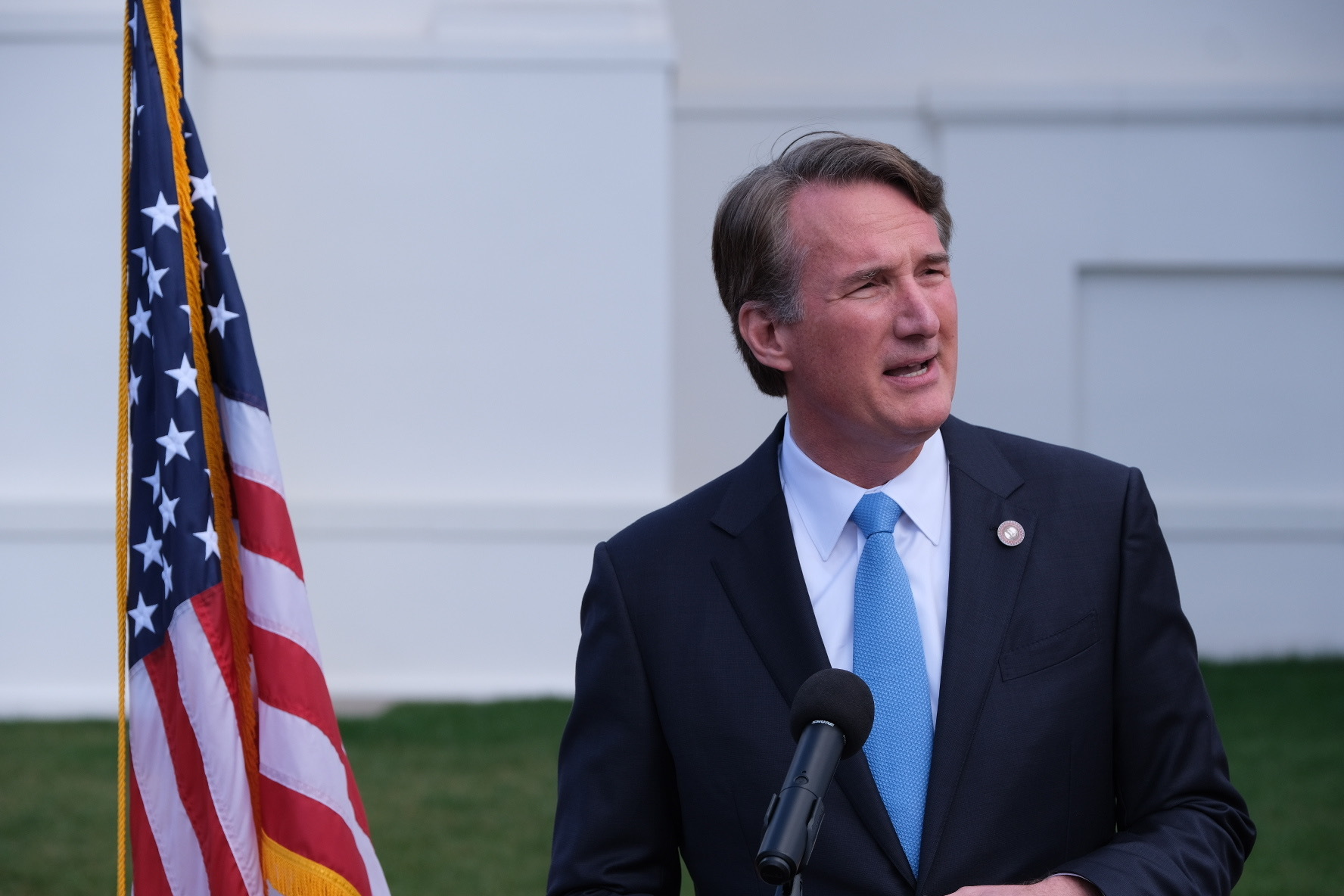
Virginia Governor Glenn Youngkin signed a bill protecting same-sex marriage while taking a tougher stance on gun control, reproductive rights, and marijuana legislation. He vetoed bills related to gun safety, reproductive rights, and marijuana, and recommended changes to a bill requiring parental notification about gun risks. Youngkin also proposed a religious exemption to a bill mandating health insurers to cover contraception and vetoed a bill repealing a prohibition on for-profit surrogacy brokers. Additionally, he vetoed a bill meant to reenter a voter roll maintenance program and vetoed a minor bill clarifying that marijuana use and possession isn't necessarily evidence of child abuse or neglect.
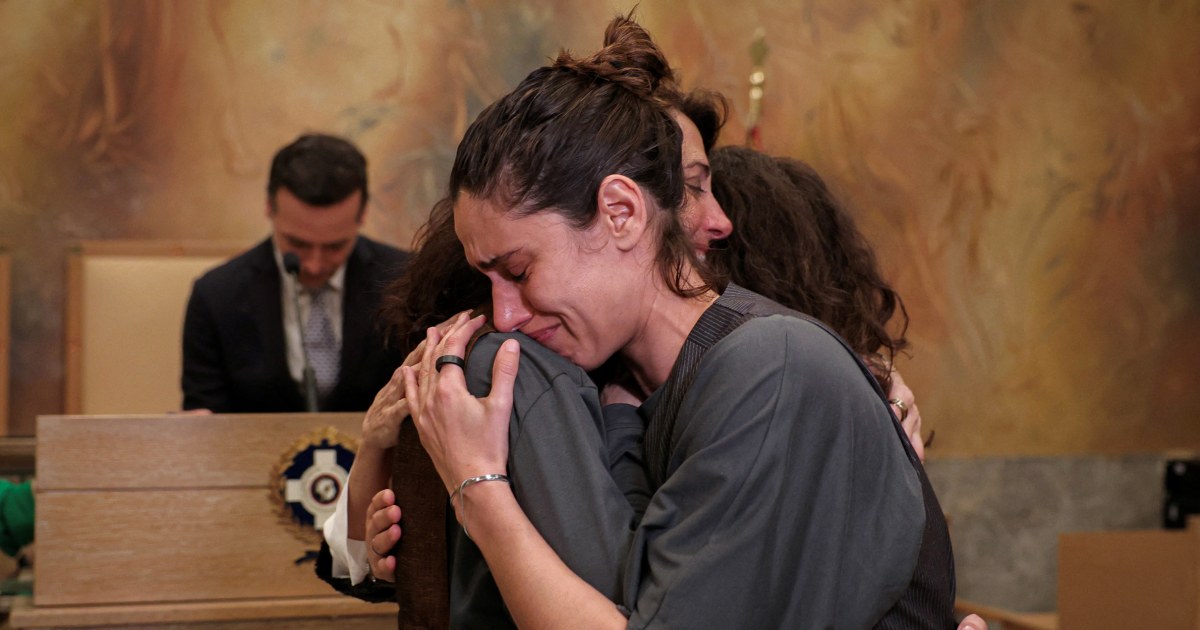
Danai Deligeorges and Alexia Beziki became one of the first lesbian couples in Greece to marry after parliament passed a landmark bill allowing same-sex couples to tie the knot, marking a historic moment for LGBTQ rights in the socially conservative country. The couple, who had campaigned for marriage equality, celebrated their wedding in a low-key ceremony in central Athens, expressing joy and gratitude for the progress made while acknowledging the ongoing challenges and opposition from the Orthodox Church.
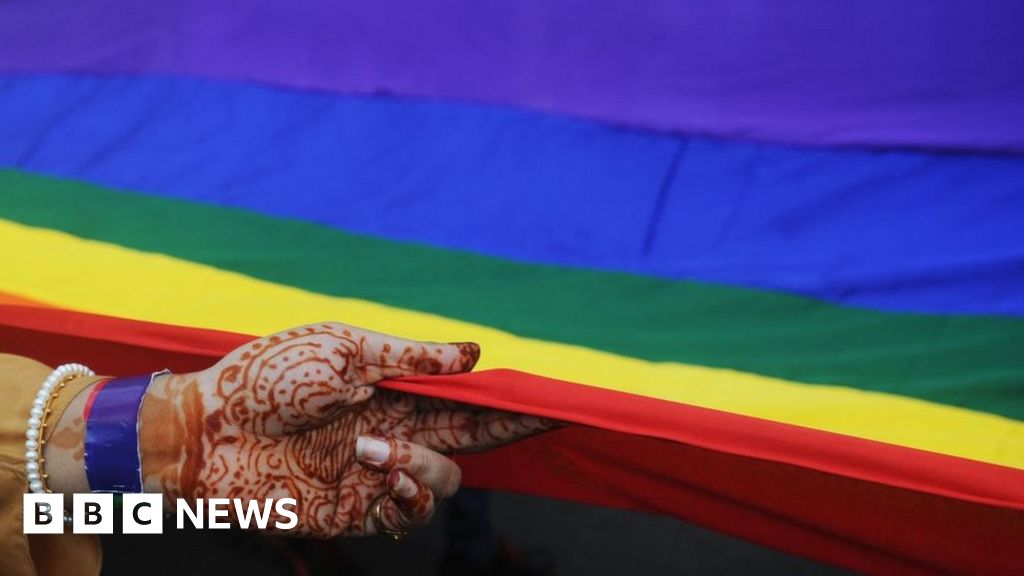
India's Supreme Court has refused to legalize same-sex marriage, disappointing LGBTQ+ couples and activists. However, experts argue that same-sex unions have roots in Indian tradition, with evidence of same-sex love and romantic friendships flourishing in ancient and medieval India. Historians point to depictions of homosexuality in temples and ancient texts like the Kamasutra. While Indian perspectives on sex and love underwent a transformation during British rule, same-sex attachments were recognized and accepted. Despite the lack of legal recognition, same-sex marriages have taken place in India, predominantly involving young Hindu women from lower-middle-class backgrounds. The Supreme Court has suggested setting up a panel to consider granting social and legal rights to same-sex couples, but the path to marriage equality in India still depends on shifting public opinion and political will.
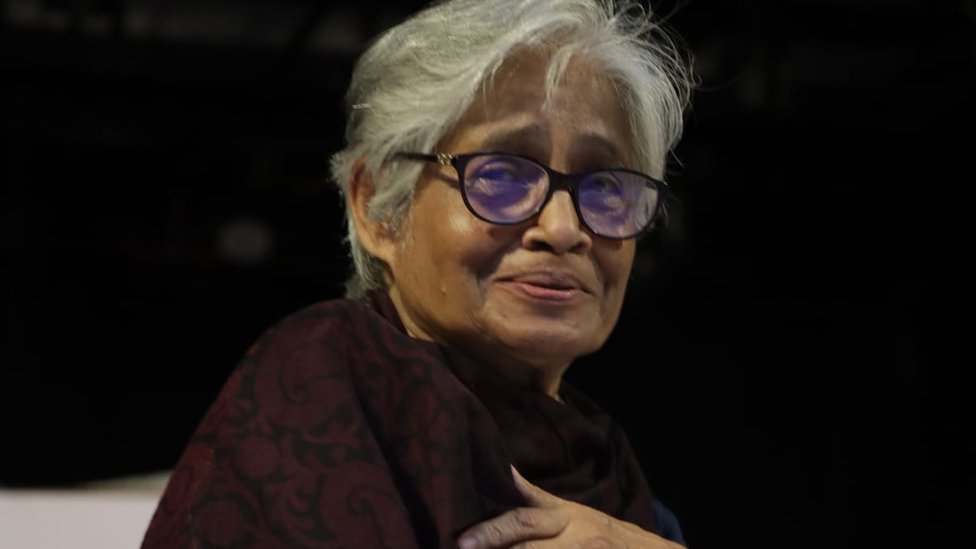
Maya Sharma, a 73-year-old LGBTQ+ activist in India, is among the petitioners seeking marriage equality as India's Supreme Court prepares to rule on legalizing same-sex marriages. While she personally despises the concept of marriage, she believes the verdict could help highlight the violence faced by LGBTQ+ couples and give them the opportunity to choose their families on their own terms. Sharma's activism dates back to the 1960s, and she has witnessed the slow progress and setbacks in the fight for LGBTQ+ rights in India. She believes that regardless of the court's decision, the movement will continue to work towards societal change.