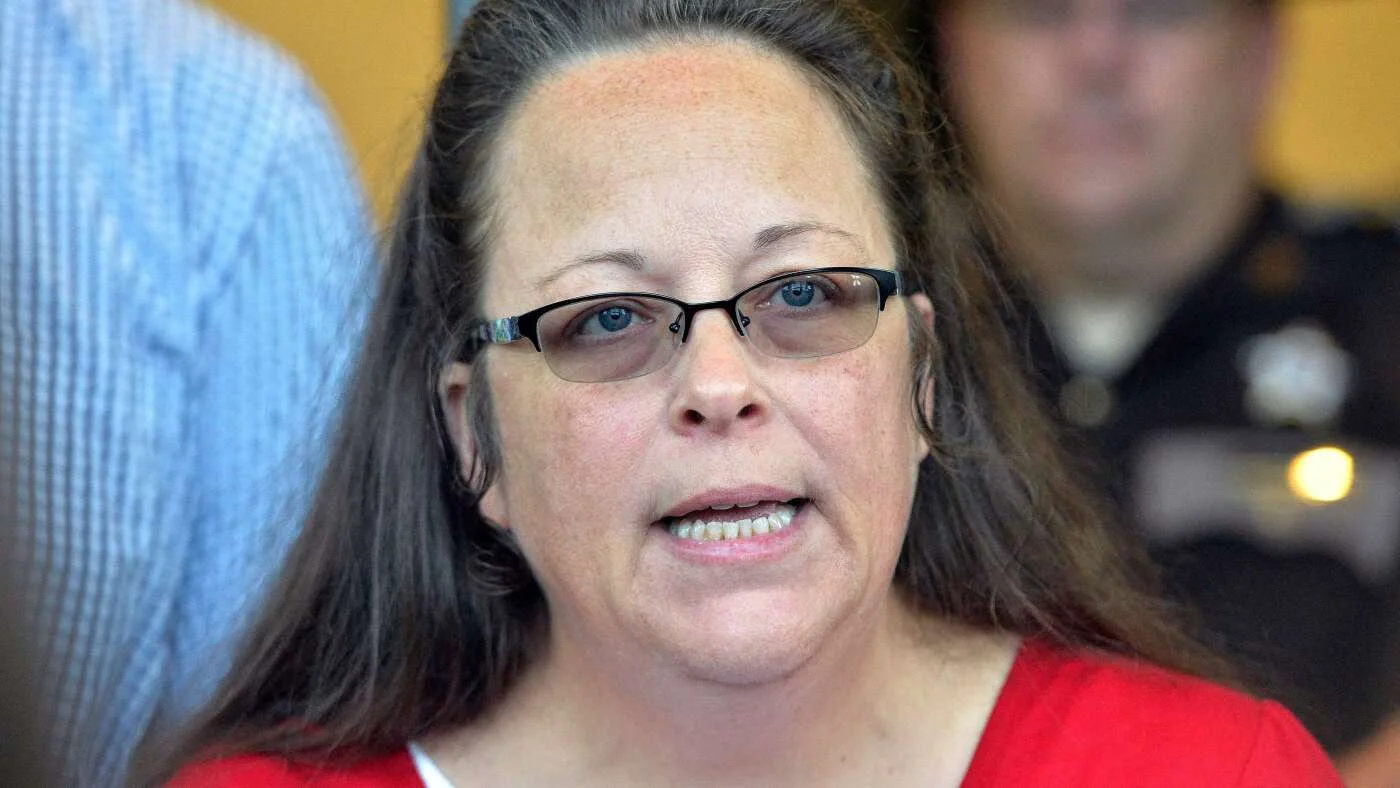
The U.S. Supreme Court declined to review a case challenging its 2015 decision legalizing gay marriage nationwide, reaffirming the ruling and rejecting Kim Davis's religious liberty claim against issuing same-sex licenses.
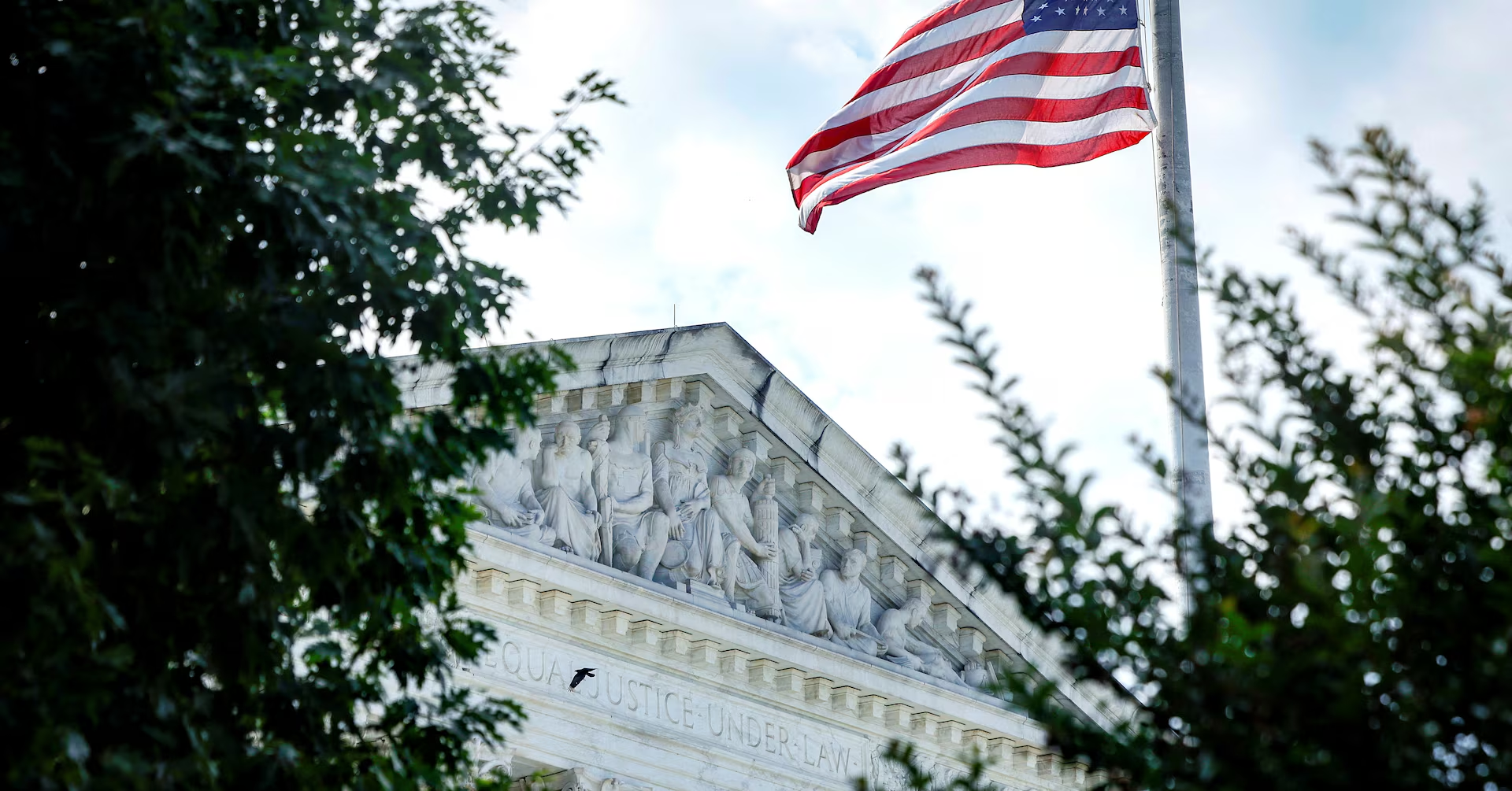
The U.S. Supreme Court is set to hear a challenge to Colorado's 2019 law banning conversion therapy for minors, which opponents argue infringes on free speech, while supporters cite the practice's harms. The case highlights ongoing cultural and legal debates over LGBT rights and professional regulation, with the Court's conservative majority potentially influencing future protections.
The Slovak parliament approved a constitutional amendment under Prime Minister Robert Fico that limits the rights of same-sex couples, emphasizes traditional gender roles, and asserts national law over EU law, sparking criticism and protests.
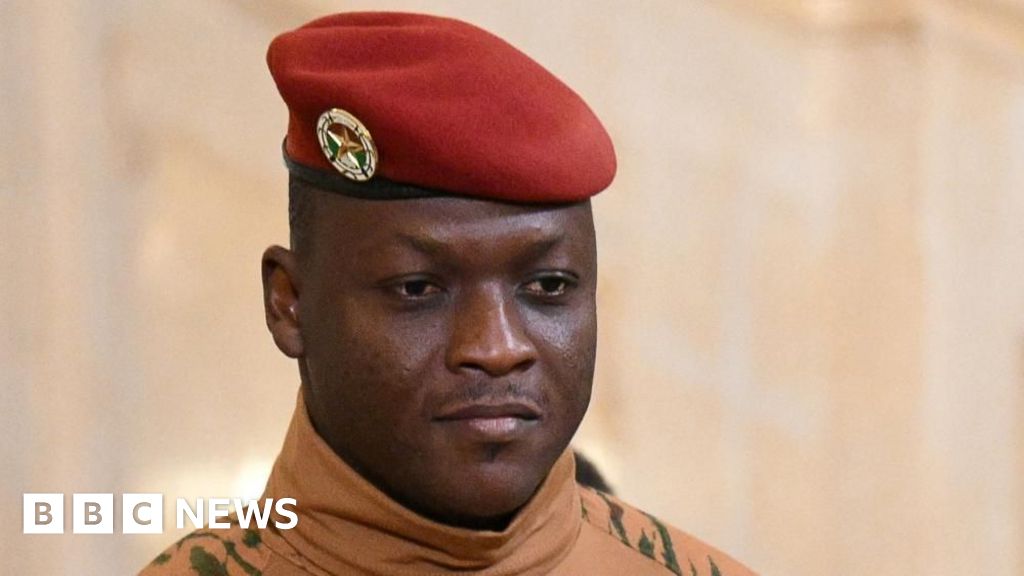
Burkina Faso's parliament has unanimously approved a bill criminalizing homosexual acts, with penalties of up to five years in prison, as part of a broader regional crackdown on LGBT rights, pending the signature of the military leader.
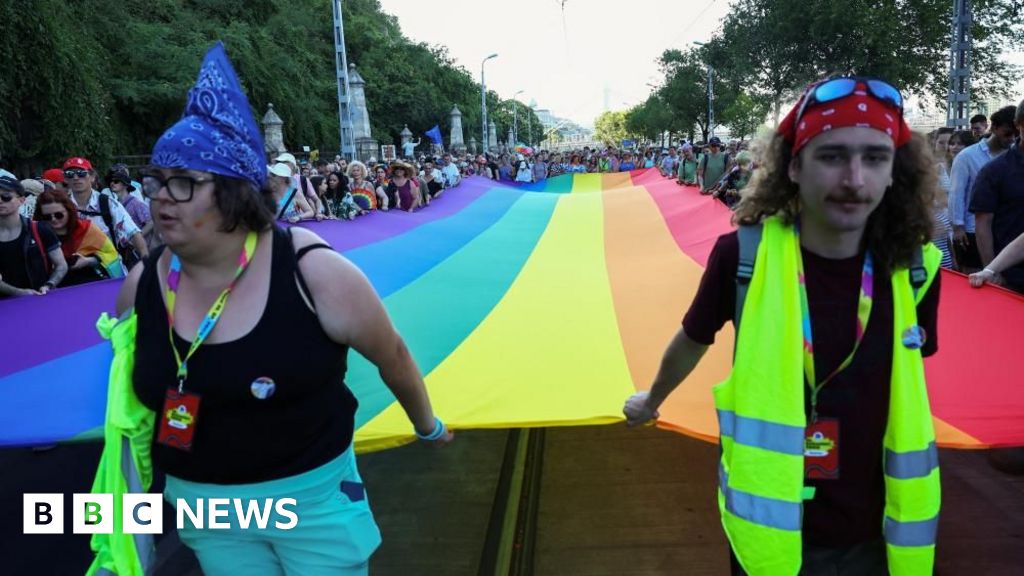
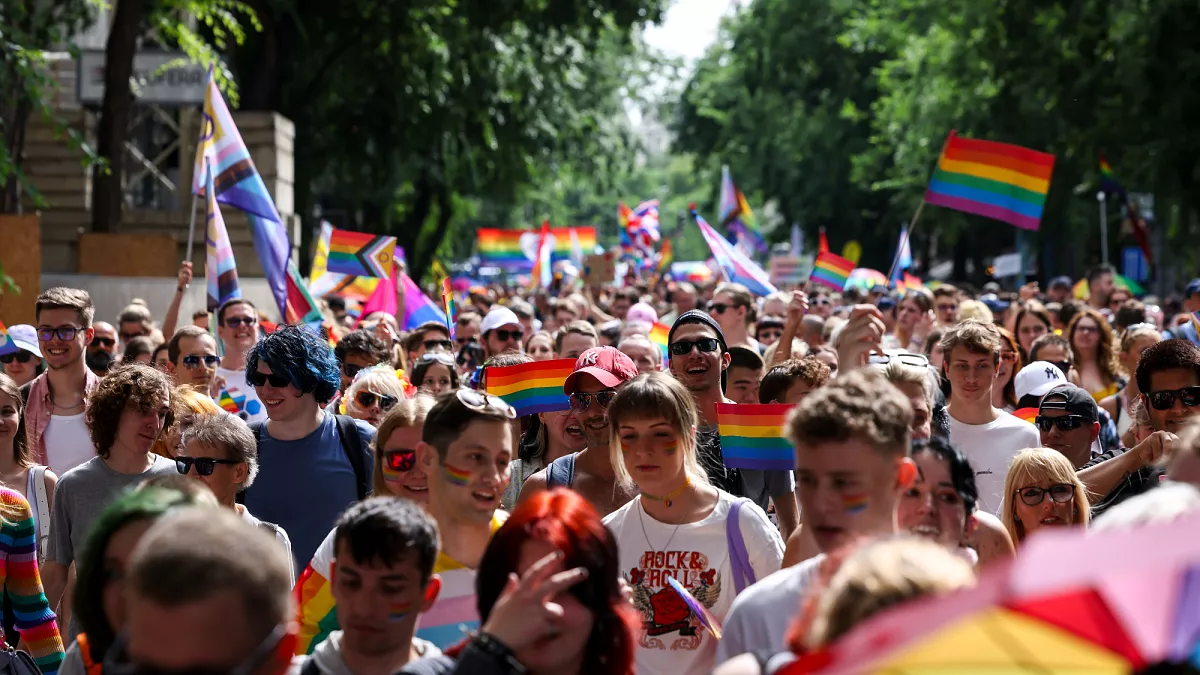
Thousands of people attended Budapest Pride in defiance of a government ban, with the event turning into a celebration of human rights and solidarity, despite legal and police restrictions imposed by Prime Minister Viktor Orban's government.
Several European countries have issued travel warnings and cautions for their citizens planning to attend the Budapest Pride march, which the Hungarian government has banned citing child protection concerns. Despite the ban, organizers expect large attendance, and warnings include potential fines, facial recognition monitoring, and safety risks due to counter-demonstrations and police actions. European officials, including Ursula von der Leyen, have called for the ban to be lifted, highlighting ongoing tensions over LGBT rights in Hungary.
The US Navy plans to rename the USNS Harvey Milk, a ship honoring gay rights leader and Navy veteran Harvey Milk, amid broader efforts by the Trump administration to reduce diversity and inclusion initiatives in the military, sparking criticism from Democratic leaders.
Several EU countries have urged the European Commission to take action against Hungary for banning LGBT events in public spaces, with discussions around using Article 7 to suspend Hungary's voting rights, amid broader tensions over national sovereignty and EU reforms.
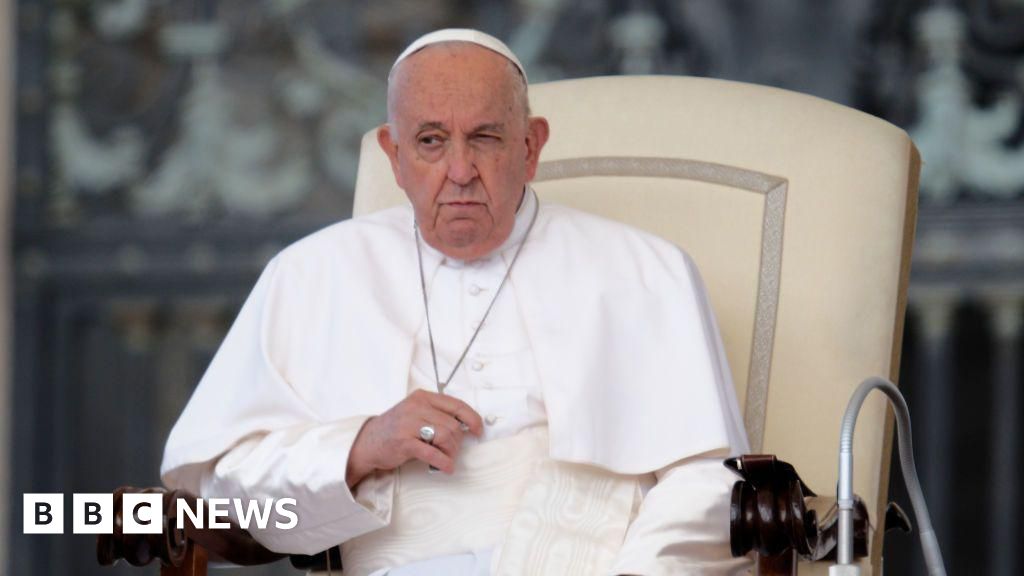
Pope Francis has apologized for reportedly using a homophobic slur during a private meeting with Italian bishops, stating he did not intend to offend anyone. The Vatican emphasized his commitment to inclusivity, despite the backlash and shock from the LGBT community and progressive supporters.
French LGBT+ organizations have filed a complaint against far-right politician Marion Maréchal-Le Pen for transphobic comments she made about Karla Sofía Gascón's historic Best Actress win at the Cannes Film Festival. Maréchal-Le Pen dismissed the complaint, asserting biological definitions of gender, while LGBT+ groups argue her remarks contribute to violence and discrimination against transgender individuals.
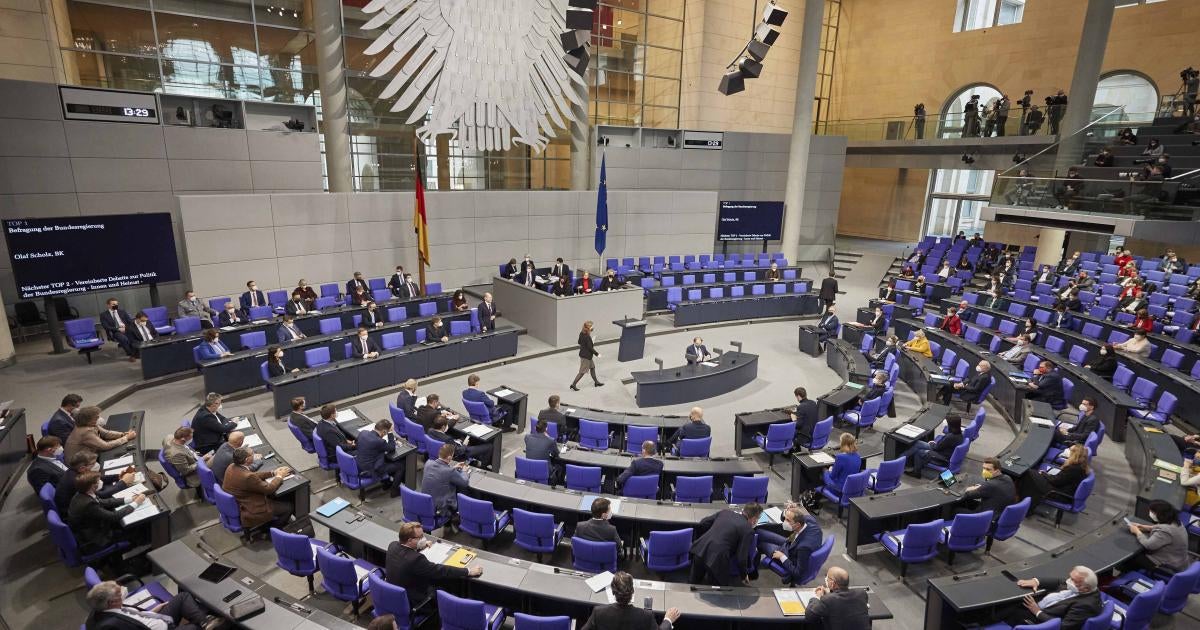
Germany's parliament passed a landmark law allowing transgender and non-binary individuals to change their legal documents to reflect their gender identity through a simple administrative procedure based on self-identification, replacing outdated and burdensome requirements. The law, effective in August 2024, aims to promote recognition and protection for trans and non-binary people without discrimination. This reform aligns with international human rights standards and reflects Germany's commitment to advocating for LGBT rights domestically and internationally.
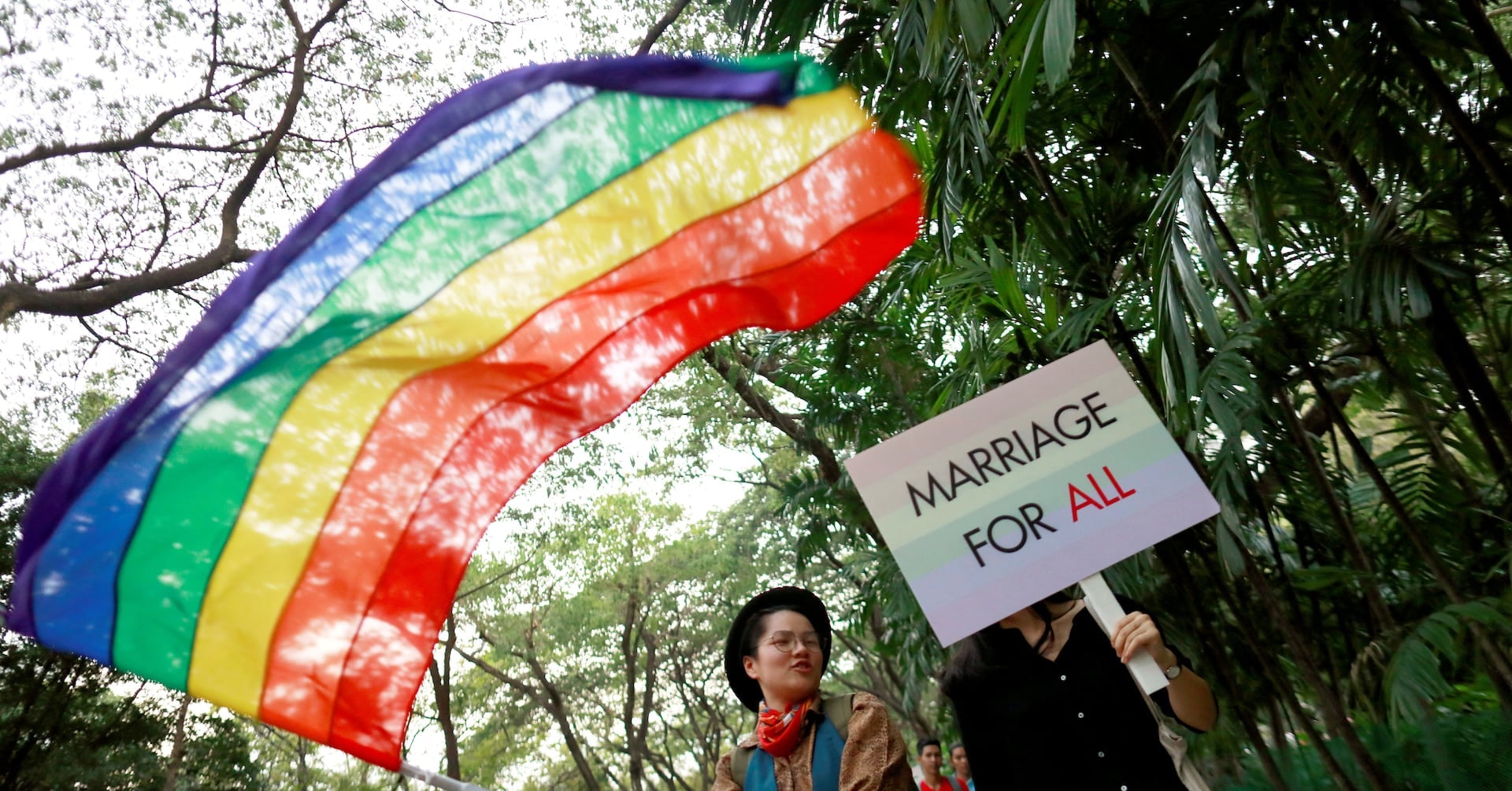
Thailand's parliament overwhelmingly approved a marriage equality bill, recognizing marriage between two people regardless of gender, with only 10 lawmakers voting against it. The bill, which still requires approval from the Senate and endorsement from the king, could see Thailand join Taiwan and Nepal in legalizing same-sex unions. While the legislation marks a significant step towards equality, some unresolved issues remain, as LGBT advocates had unsuccessfully pushed for gender-neutral terms in references to the family unit.
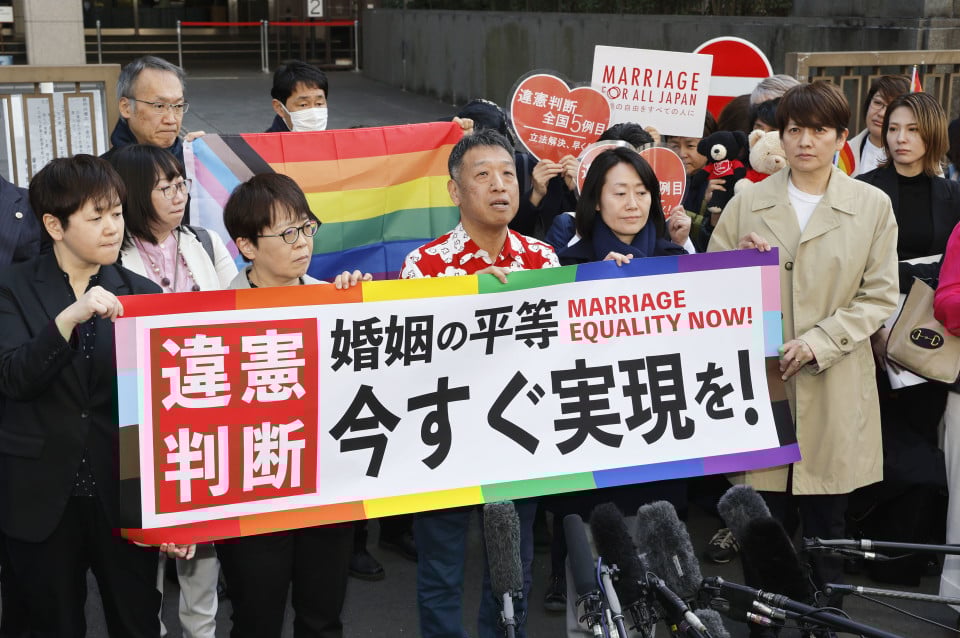
The Sapporo High Court in Japan has ruled the country's lack of legal recognition of same-sex marriage as unconstitutional, upholding a lower court's verdict from 2021. While rejecting damages sought by three same-sex couples, the court stated that the current laws' unacceptance of same-sex marriage violates the right to equality and the provision of marriage being based on mutual consent of "both sexes." The ruling marks a significant step in the ongoing legal battle for marriage equality in Japan, where same-sex marriage and civil unions remain unrecognized despite growing pressure from the LGBT community and its supporters.
During Prime Minister's Questions, Rishi Sunak defended the government's handling of the steel industry, outlined plans to tackle knife crime, and addressed questions about the Post Office scandal, LGBT rights, and digital consent for children. He also expressed the government's commitment to finding a lasting resolution to the Israel-Gaza conflict and discussed various other topics raised by MPs, including safeguarding football clubs, supporting farmers, and addressing the oil and gas industry.
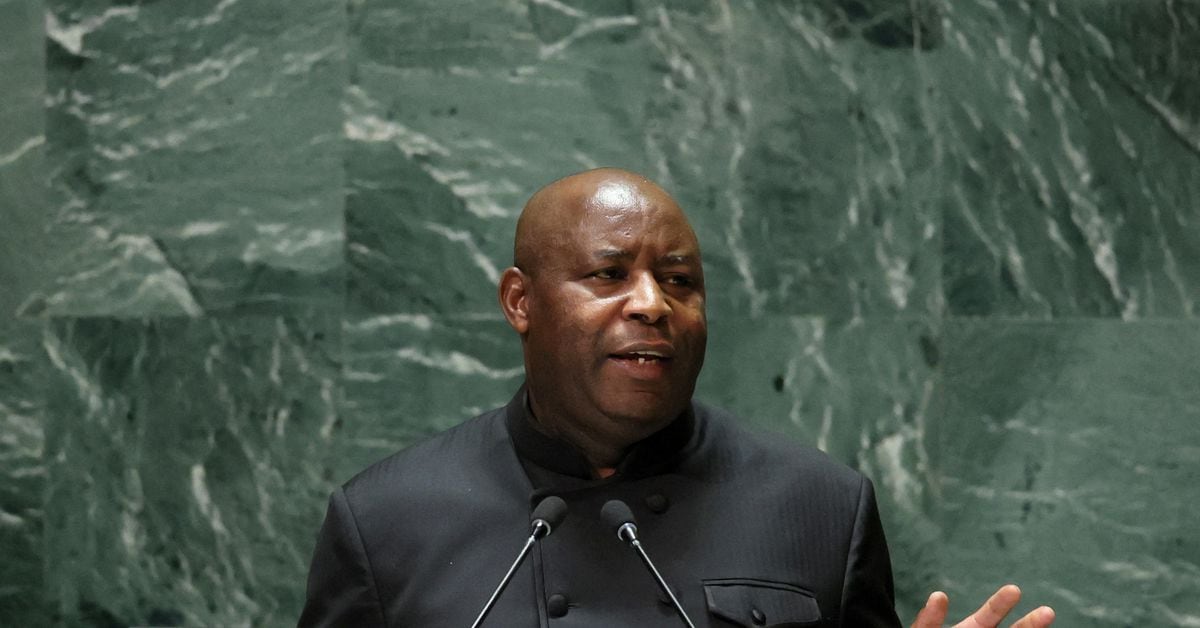
Burundi's President Evariste Ndayishimiye has publicly called for the stoning of gay people, intensifying the persecution of LGBT individuals in the country. During a public Q&A, he suggested that homosexuality, which he views as a Western import, should be punished by death in a stadium setting. This statement reflects a broader trend of growing anti-LGBT sentiment and legislation in the region, with countries like Uganda enacting harsh laws against same-sex relations, prompting international condemnation and sanctions.