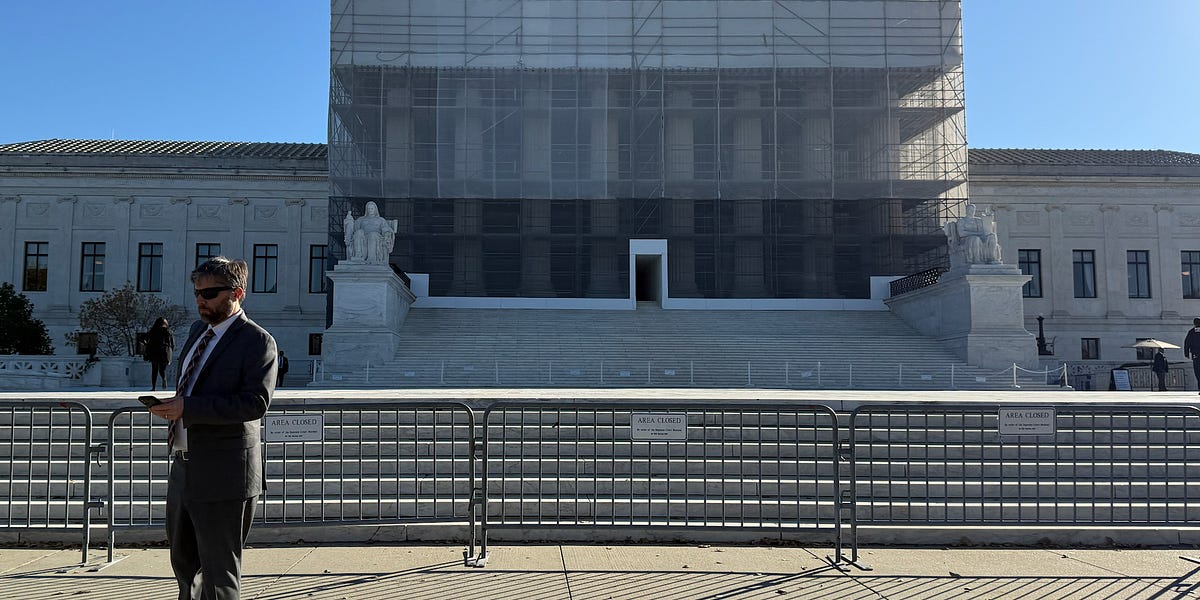
The Supreme Court rejected Kim Davis's attempt to revisit the 2015 Obergefell marriage equality ruling, highlighting procedural issues and the unlikely interest of the court's full bench in overturning substantive due process protections, while emphasizing ongoing concerns about the court's direction on LGBTQ rights and other issues.
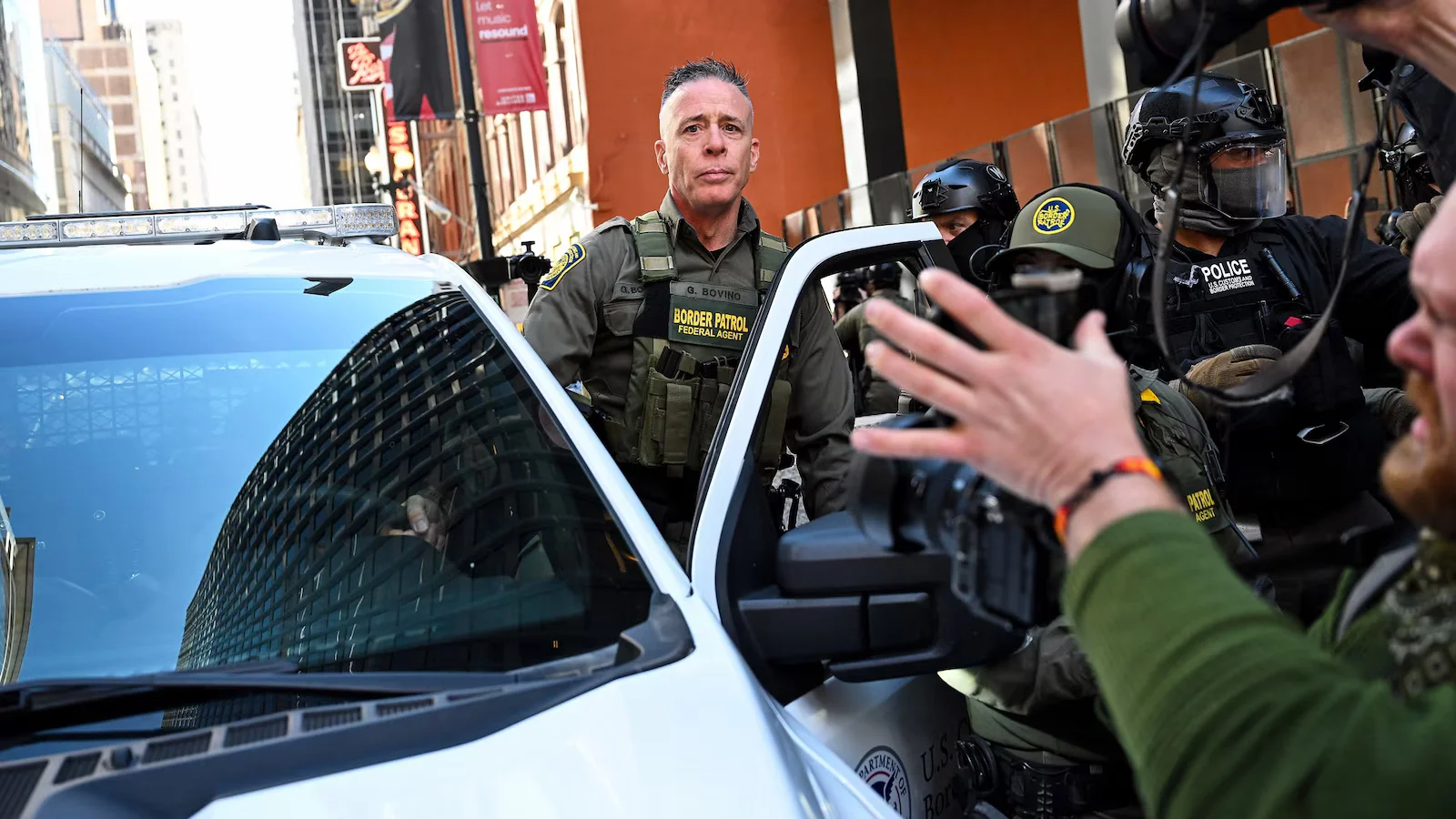
An appeals court has temporarily halted a judge's order requiring CBP's Greg Bovino to meet daily with a judge regarding immigration enforcement in Chicago, after the DOJ appealed the order, arguing it oversteps judicial authority.
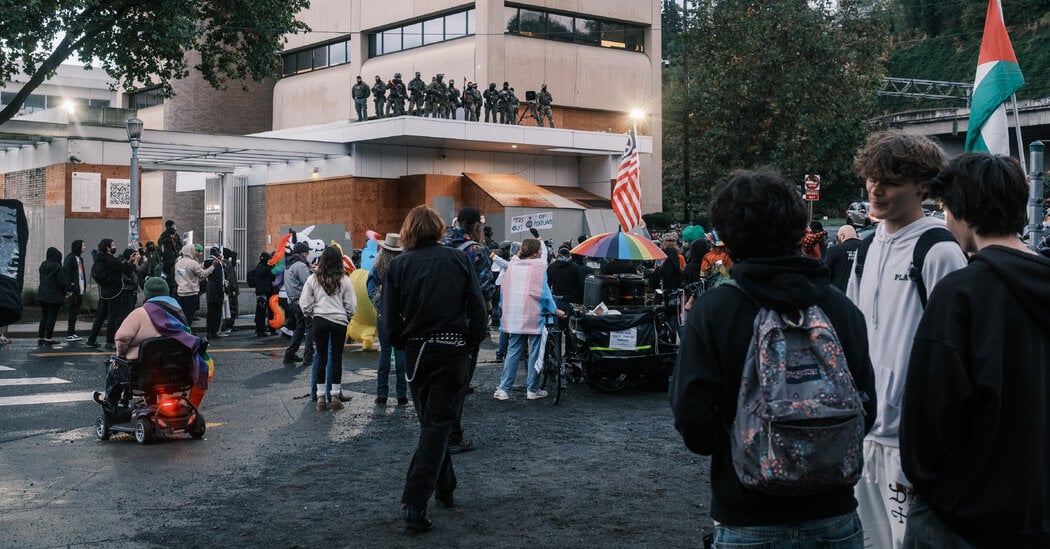
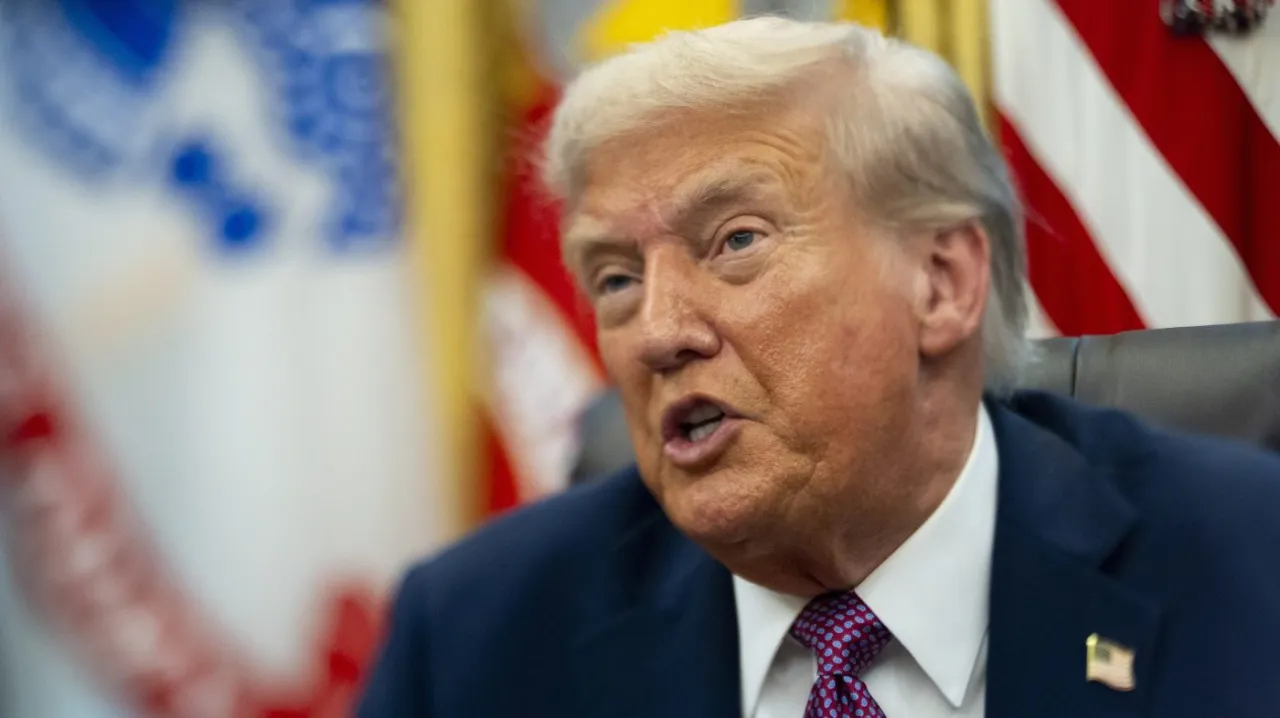
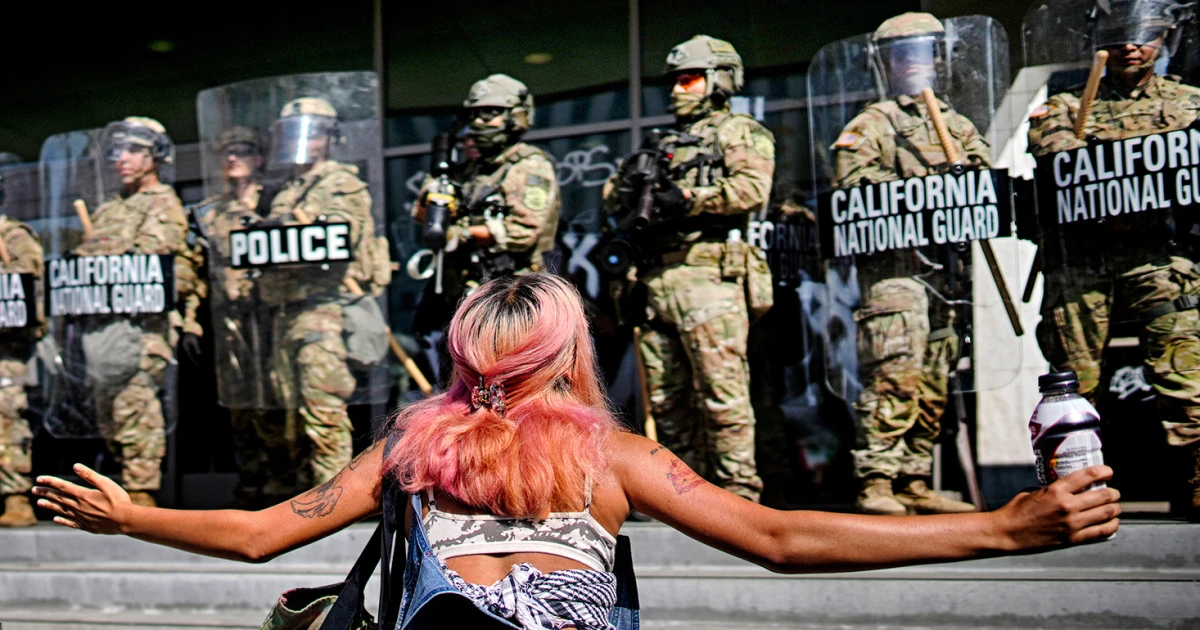
The Ninth Circuit Court of Appeals has decided to reconsider a previous ruling that could have allowed President Trump to deploy National Guard troops in Portland, Oregon, maintaining the current uncertain status of 200 troops under federal control as legal proceedings continue.
Gregory Bovino, a U.S. Border Patrol commander known for his role in Chicago's aggressive deportation efforts, is scheduled to appear before a federal judge in Chicago to address allegations related to the use of tear gas on protesters and a lawsuit challenging federal tactics. The hearing, presided over by Judge Sara Ellis, may include Bovino's testimony and possible contempt findings, amid ongoing scrutiny of federal law enforcement practices in Chicago.
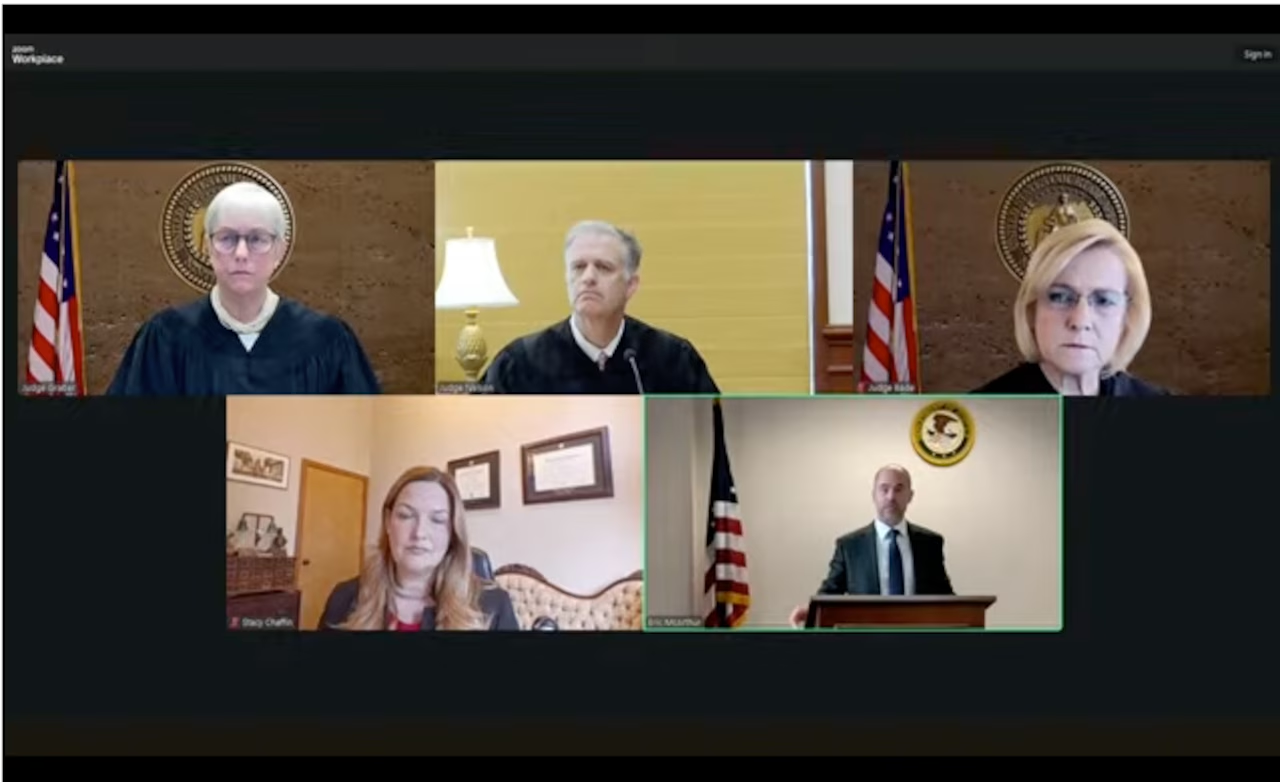
A three-judge panel of the 9th U.S. Circuit Court of Appeals appeared skeptical of an Oregon judge's order that restricted the Trump administration's deployment of National Guard troops to Portland, indicating they may lift the restriction.
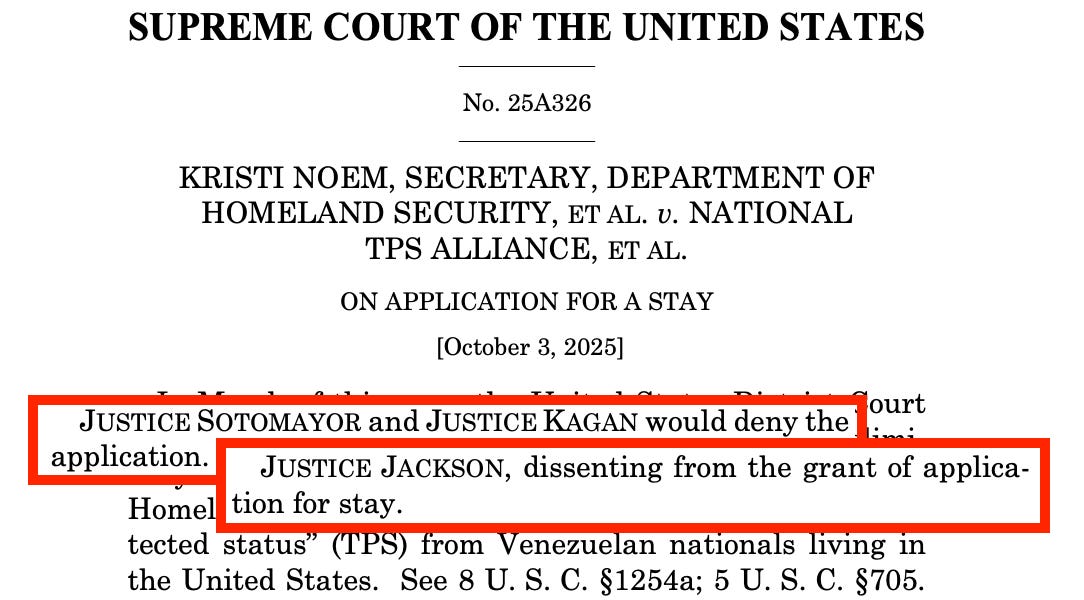
The U.S. Supreme Court has allowed Homeland Security Secretary Kristi Noem to end temporary protected status for over 600,000 Venezuelans in the U.S., dismissing lower court rulings and raising concerns about the court's use of the shadow docket and the impact on affected families.
The Supreme Court is fast-tracking a case to determine if President Trump can use emergency powers to impose tariffs globally, with a decision potentially impacting presidential authority and international trade policies. The case involves legal questions about the authority granted by the International Emergency Economic Powers Act and includes multiple challenges from different groups, with oral arguments scheduled for early November.
The Supreme Court temporarily lifted a lower court's restriction on federal immigration patrols in Los Angeles, allowing them to conduct stops without specific suspicion, amid ongoing legal disputes over Fourth Amendment rights and immigration enforcement practices.
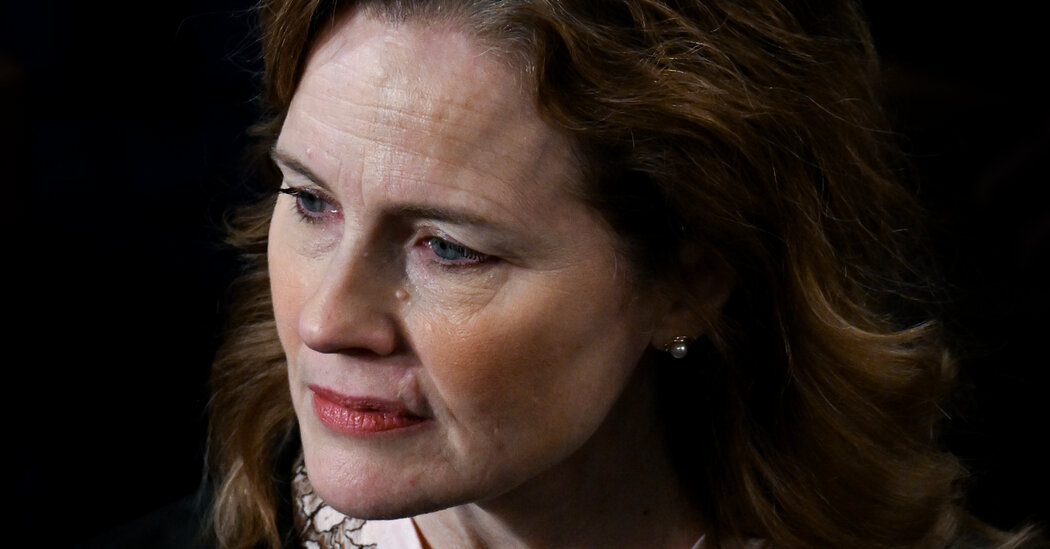
Justice Amy Coney Barrett's new book, 'Listening to the Law,' aims to explain her judicial reasoning and rebuild public trust in the Supreme Court amid political polarization and recent controversial decisions, while emphasizing her commitment to neutrality and the rule of law.
An appeals court panel temporarily blocks the Trump administration's attempt to end Temporary Protected Status (TPS) for Hondurans, Nepalis, and Nicaraguans, with debates focusing on the legal basis and the impact on long-term residents, amid criticism of the court's reasoning and concerns over potential deportations.
An appeals court blocked contempt proceedings against Trump officials over deportation flights, ruling that a judge abused his authority, and highlighting ongoing legal disputes over the use of the Alien Enemies Act and executive power in immigration enforcement.
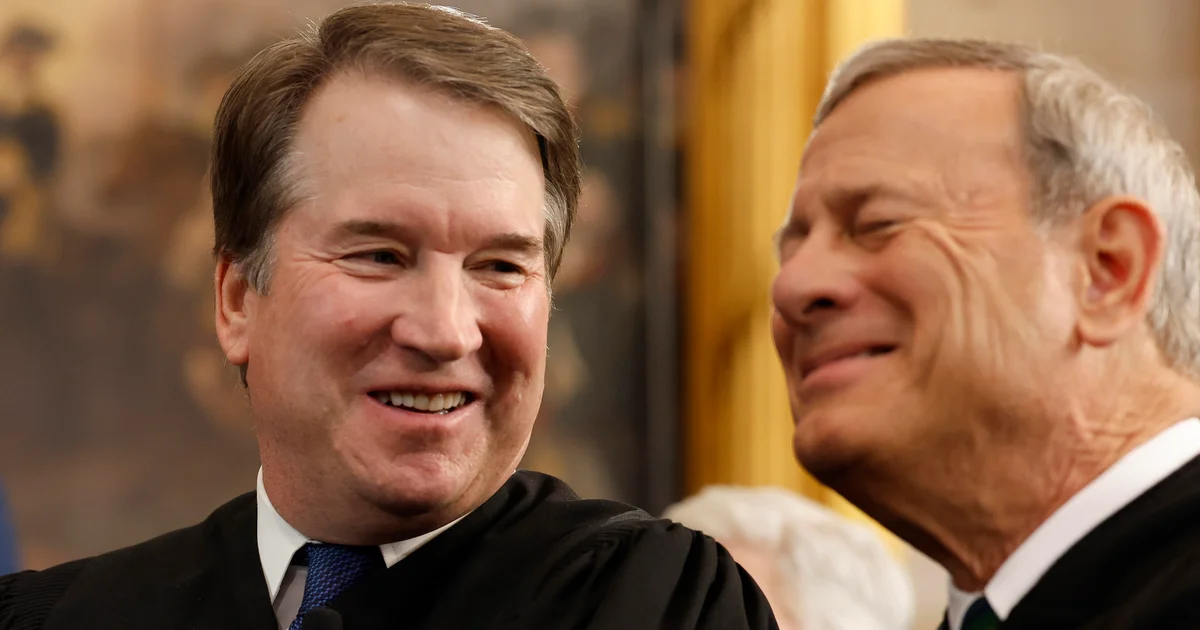
Justice Brett Kavanaugh defended the Supreme Court's handling of an increased number of emergency appeals, attributing it to presidents relying more on executive orders amid congressional gridlock, and highlighted efforts to improve transparency and process in decision-making.
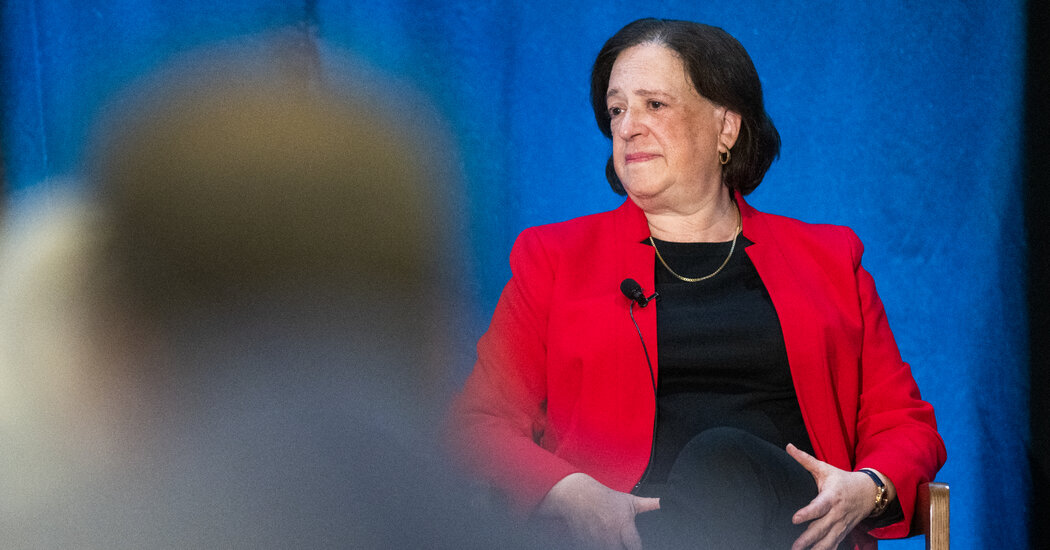
Justice Elena Kagan emphasized the importance of respecting court orders amid conflicts with the Trump administration, criticizing the Supreme Court's handling of emergency cases for lack of transparency and expressing frustration over ideological disagreements within the court.
Justice Elena Kagan emphasized the need for the Supreme Court to better explain its reasoning in emergency decisions, criticizing the lack of transparency in the court's handling of urgent cases, especially on the shadow docket, to aid lower courts and the public's understanding.
The Supreme Court upheld the constitutionality of the ACA's preventive services mandate and the U.S. Preventive Services Task Force, emphasizing the Secretary of HHS's authority to appoint and remove members, which could influence future health policy decisions. The ruling also signals potential shifts in legal challenges focusing on the evidence behind federal health recommendations, amid ongoing debates over executive power and health policy implementation.