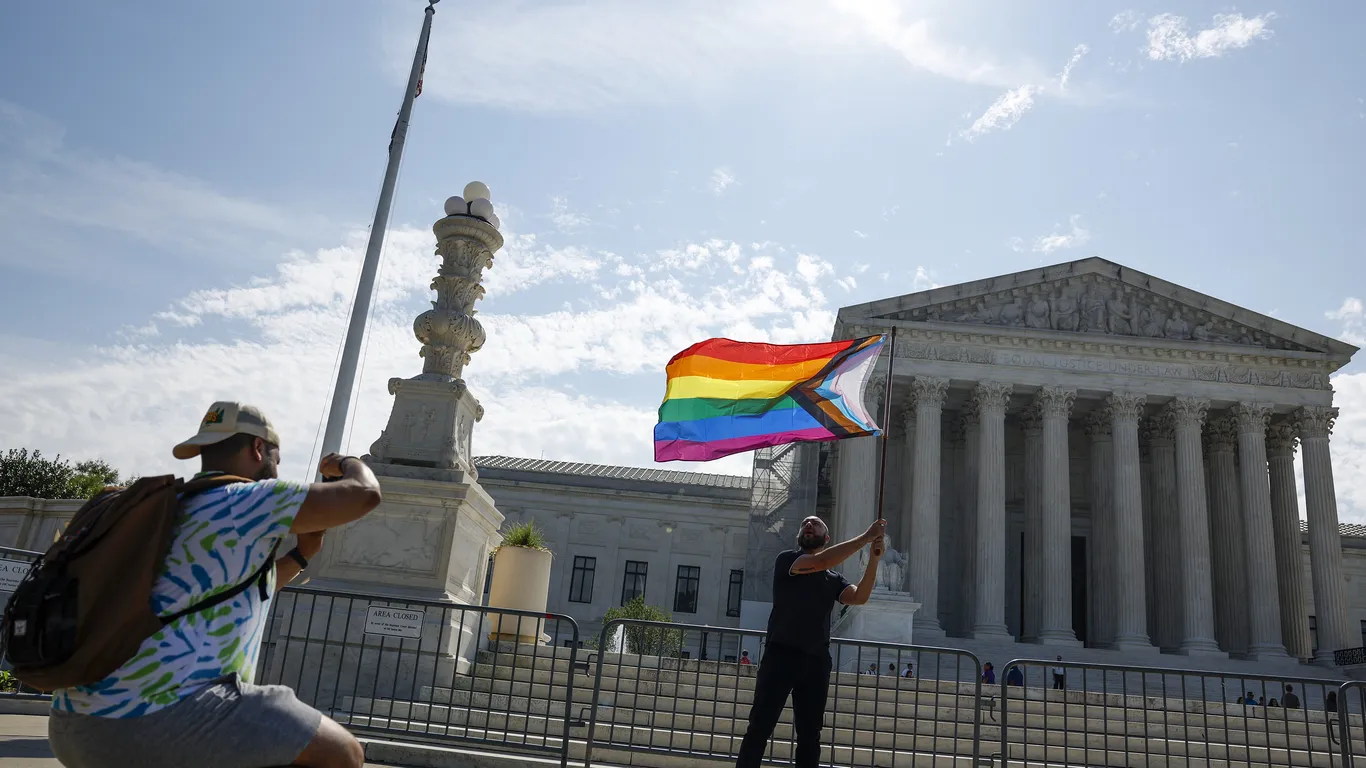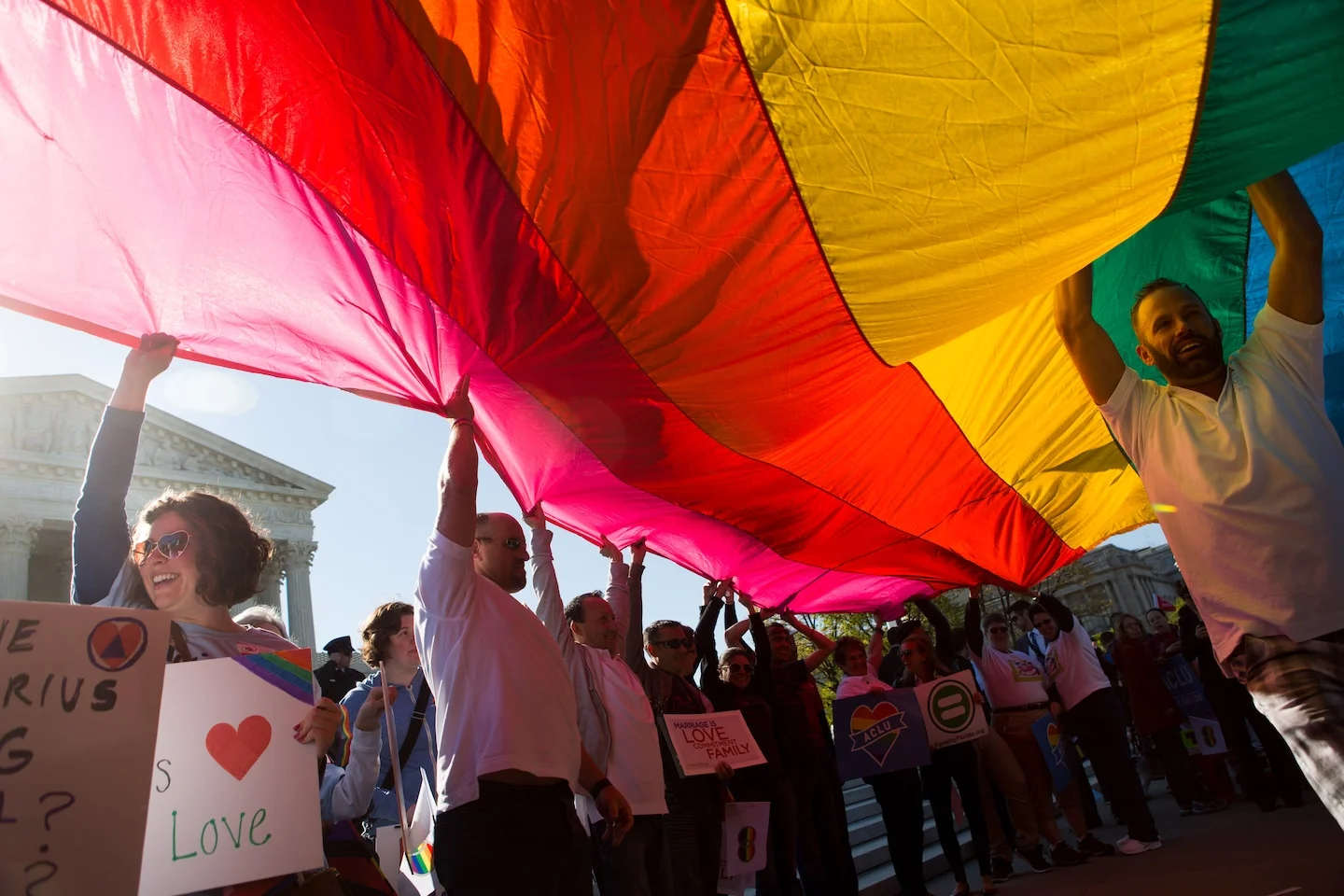
A Waco judge who refused to marry same-sex couples filed a lawsuit seeking to overturn the 2015 Supreme Court decision in Obergefell v. Hodges, arguing it was unconstitutional and that courts lack authority to recognize such rights, aiming to challenge the legal recognition of gay marriage and influence future judicial rulings.
The Supreme Court recently declined to hear a case that could have challenged same-sex marriage rights, indicating that, for now, same-sex marriage remains protected following the 2015 Obergefell v. Hodges decision, despite conservative opposition and recent shifts in judicial attitudes.
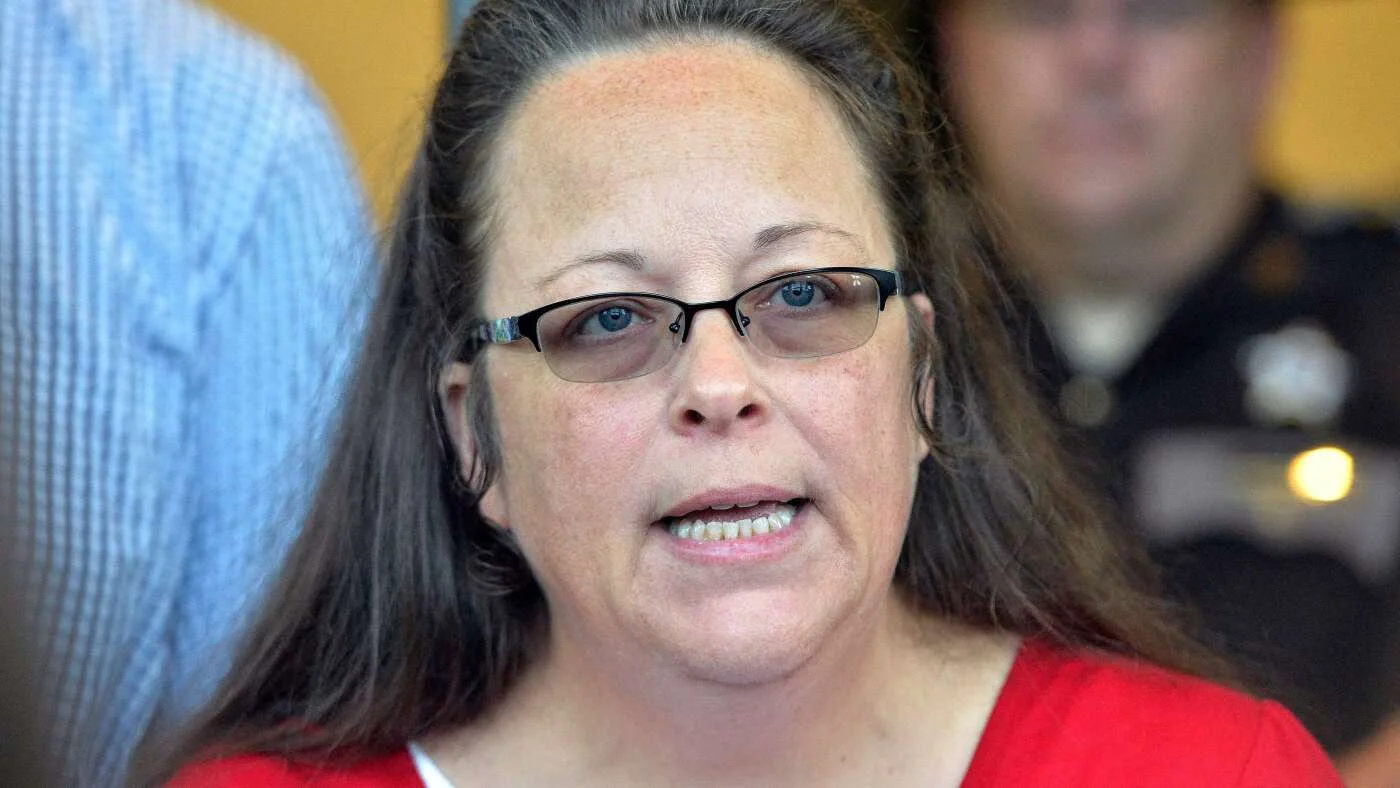
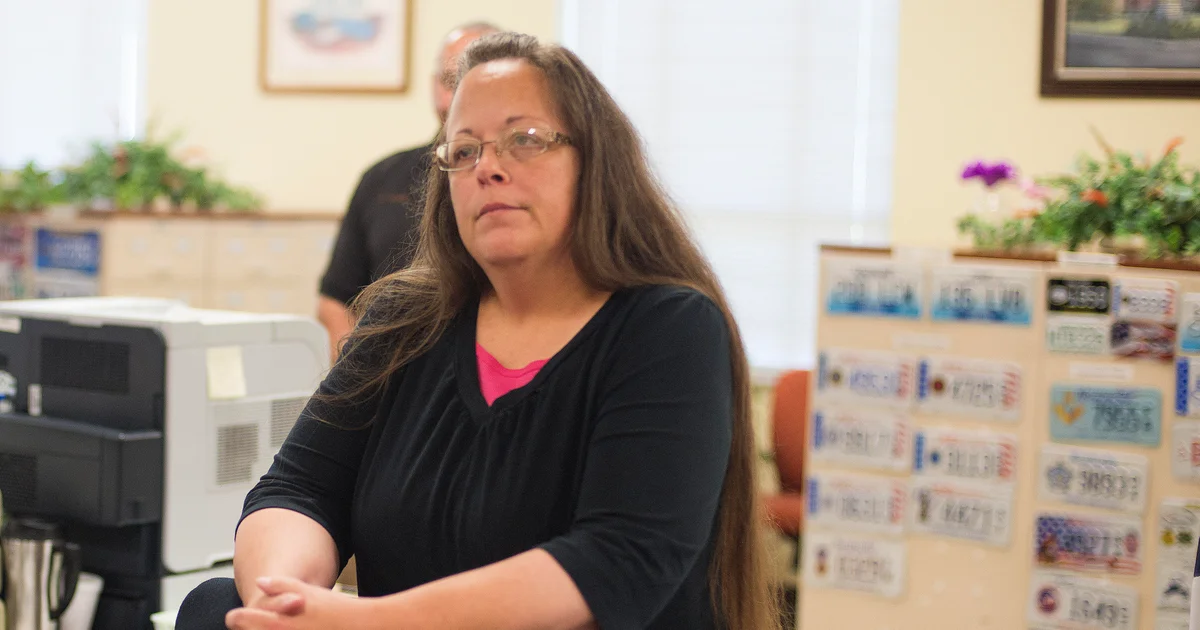
The Supreme Court declined to hear a challenge to the 2015 landmark decision recognizing same-sex marriage nationwide, affirming that marriage equality remains settled law despite ongoing efforts to overturn it. The case was brought by Kim Davis, a former Kentucky clerk, who argued the decision was wrong, but the Court's rejection signals continued support for marriage rights for LGBTQ+ individuals.
The Supreme Court denied Kim Davis' attempt to revisit the 2015 same-sex marriage ruling in Obergefell v Hodges, affirming the constitutional right to marry for LGBTQ couples and dismissing her claims of religious protection. This decision reinforces the legal precedent for marriage equality in the U.S., despite ongoing political and religious opposition.
The Supreme Court declined to hear a challenge to its 2015 ruling that recognized a constitutional right to same-sex marriage, indicating no current interest in revisiting the case.
The U.S. Supreme Court rejected an appeal to overturn its 2015 decision legalizing same-sex marriage nationwide, dismissing efforts by Kim Davis, a Kentucky clerk, who sought to challenge the ruling after refusing to issue marriage licenses to same-sex couples. The decision underscores the Court's stance on upholding the landmark ruling, despite some dissenting opinions and ongoing debates about its scope.
The U.S. Supreme Court declined to hear a case by Kim Davis, a former Kentucky clerk who refused to issue marriage licenses to same-sex couples on religious grounds, thereby upholding the 2015 ruling in Obergefell v. Hodges that legalized same-sex marriage nationwide. The decision affirms that the constitutional right to marry for same-sex couples remains protected, despite ongoing efforts by some to overturn it.
The U.S. Supreme Court declined to review a case challenging its 2015 decision legalizing gay marriage nationwide, reaffirming the ruling and rejecting Kim Davis's religious liberty claim against issuing same-sex licenses.
The Supreme Court declined to overturn its 2015 decision legalizing same-sex marriage nationwide, rejecting an appeal from Kim Davis, a Kentucky clerk who refused to issue marriage licenses to same-sex couples due to her religious beliefs. The court's decision maintains the landmark ruling, despite dissenting opinions from some justices.
The U.S. Supreme Court rejected an appeal from Kim Davis to overturn its 2015 decision legalizing same-sex marriage nationwide, affirming the ruling despite dissenting opinions from some justices.
The Supreme Court declined to hear a case that sought to overturn the 2015 decision legalizing same-sex marriage nationwide, providing relief to LGBTQ advocates amid fears of potential rollback, though some conservative justices have indicated interest in revisiting the precedent in future cases.
The Supreme Court declined to reconsider its landmark 2015 ruling that established the constitutional right to same-sex marriage, rejecting Kim Davis's bid to overturn the decision. Davis, a Kentucky county clerk, had refused to issue marriage licenses to same-sex couples on religious grounds, leading to legal battles and a jury award for damages. The Court's decision affirms the continued validity of Obergefell v. Hodges and the constitutional protections for same-sex marriage.
The Supreme Court declined to revisit its 2015 landmark decision in Obergefell v. Hodges, which recognized a constitutional right to same-sex marriage, thereby maintaining the precedent amid concerns from conservatives about potential reversals. The case involved Kim Davis, a Kentucky clerk who refused to issue marriage licenses to same-sex couples due to religious objections, but the court's decision to deny her appeal does not set a new legal precedent.
The Supreme Court is considering whether to overturn its 2015 decision legalizing same-sex marriage nationwide, with a key case involving Kim Davis, a Kentucky clerk who refused to issue marriage licenses to same-sex couples, potentially challenging the precedent set by Obergefell v. Hodges.
The U.S. Supreme Court is considering whether to hear an appeal that could challenge the 2015 ruling that established marriage equality, with potential implications for LGBTQ+ rights and state laws. The case involves Kim Davis, a former Kentucky clerk, who refused to issue a marriage license to a same-sex couple and argues that the Supreme Court's decision was wrong. While some justices have suggested revisiting the ruling, many oppose it, citing the broad societal support for marriage equality. The outcome could significantly impact legal protections for same-sex marriages across the U.S.