A jury awarded $10 million to Virginia teacher Abby Zwerner, shot by a 6-year-old student, in a civil case against an assistant principal for failing to act on safety concerns, potentially setting a precedent for liability in school shootings.
The Supreme Court is hearing a critical case, Callais v. Louisiana, which could significantly restrict or overturn protections against racial vote suppression under the Voting Rights Act of 1965, raising concerns about potential overreach and the future of multiracial democracy. Janai Nelson of the NAACP Legal Defense Fund emphasizes the importance of upholding longstanding legal precedents and the constitutional protections embedded in the Act, warning that a decision to weaken or eliminate these protections could have widespread and lasting impacts on voting rights and democracy in the U.S.
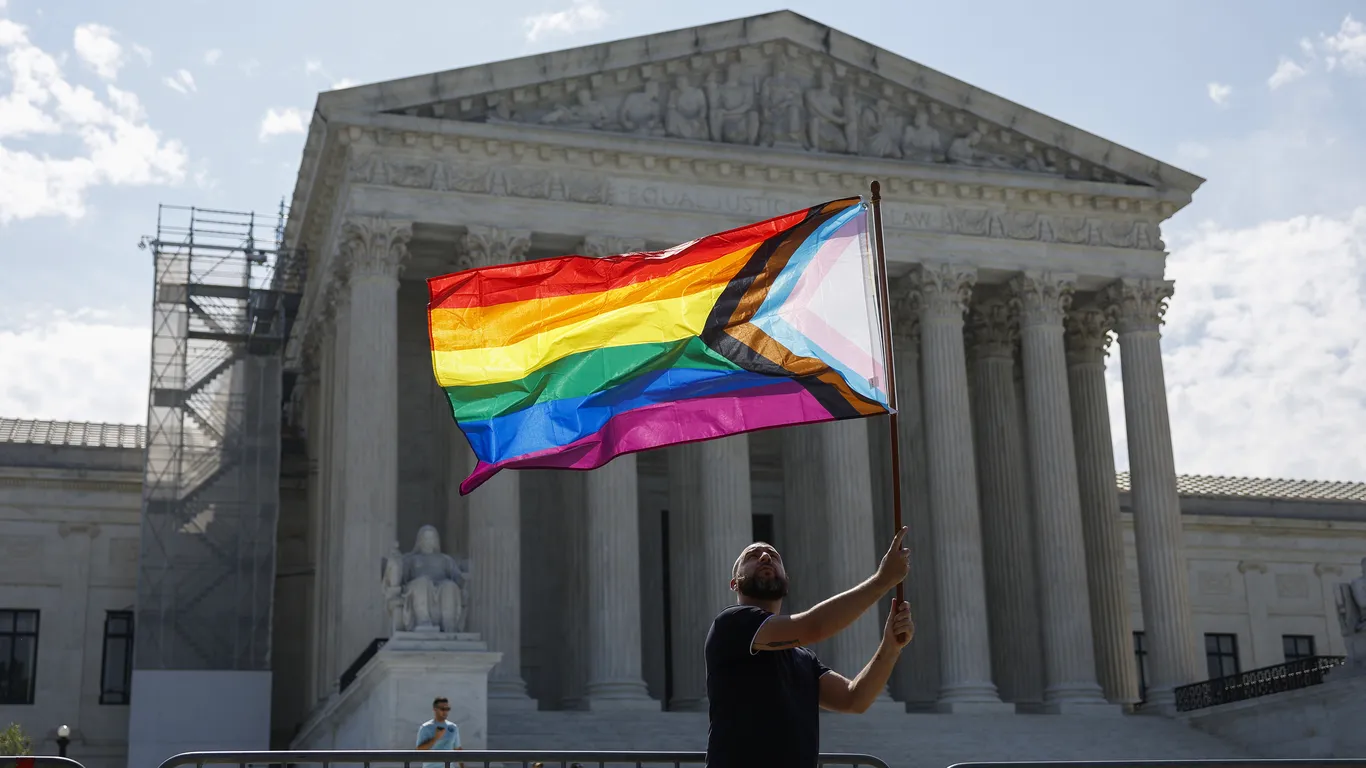
Legal experts believe the Supreme Court is unlikely to revisit the landmark Obergefell v. Hodges decision that established marriage equality nationwide, especially given recent court tendencies to reverse long-standing precedents. The current case involves Kim Davis, who refuses to issue marriage licenses to same-sex couples, but most advocates see it as a narrow challenge unlikely to overturn marriage rights. Reversing Obergefell could cause legal chaos and suffering, and public support for marriage equality has significantly increased over the years. The Supreme Court's decision on whether to hear the case is expected this fall.
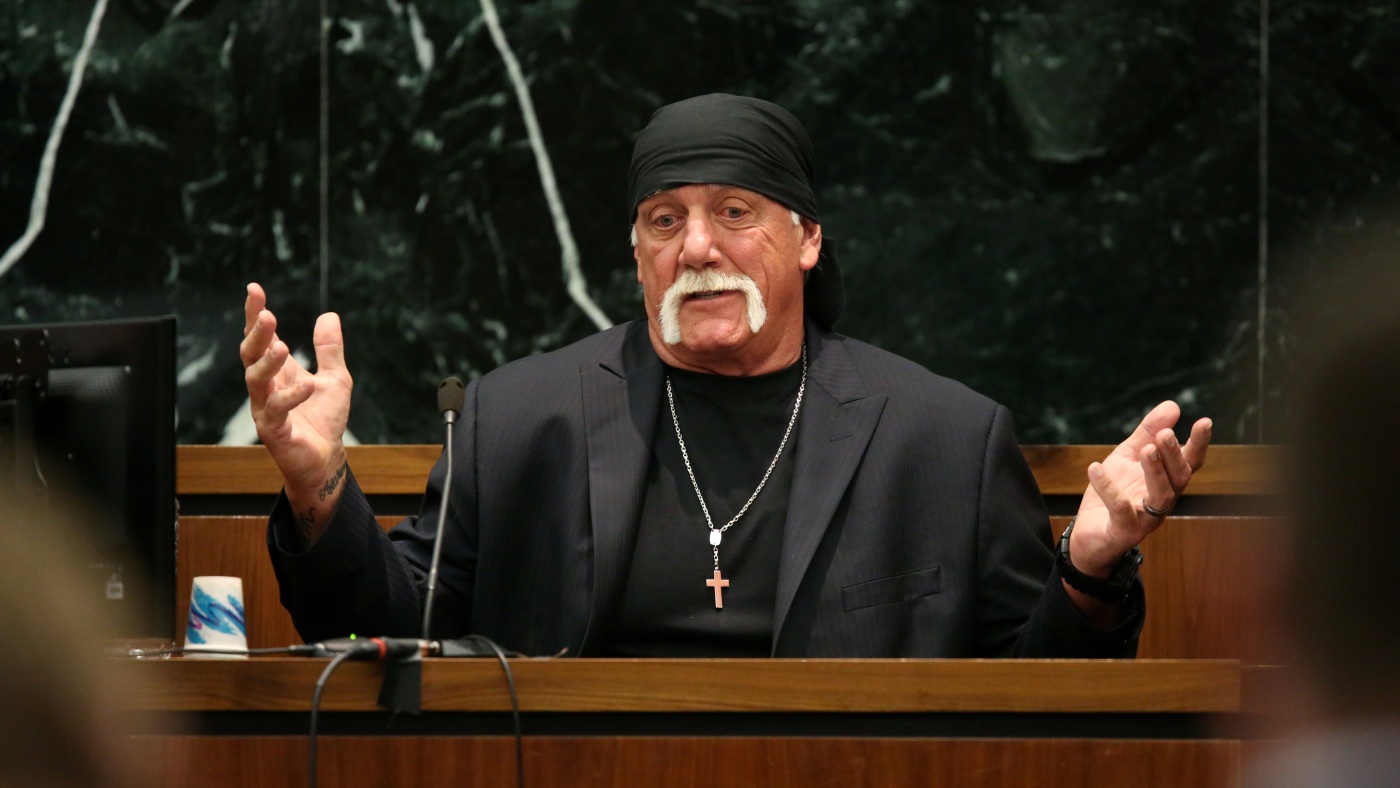
Hulk Hogan's 2016 lawsuit against Gawker Media over the publication of a sex tape resulted in a $140 million verdict, highlighting the limits of free speech and emphasizing individual privacy rights in the digital age, with lasting implications for media responsibility and celebrity privacy.
The Massachusetts Supreme Judicial Court ruled that a woman must return a $70,000 engagement ring to her former fiancé, establishing a new precedent that engagement rings must be returned to the giver if the marriage does not occur, regardless of who is at fault for the breakup. This decision overturns a previous rule requiring judges to determine fault in such cases.
Bungie won a significant lawsuit against cheat-maker AimJunkies, with a federal jury finding the company and its associates liable for copyright infringement and awarding $63,210 in damages. This case sets a potential legal precedent for future game-cheating lawsuits in the US. AimJunkies plans to appeal the verdict, while a separate arbitration ruling has already granted Bungie $4.4 million in damages.
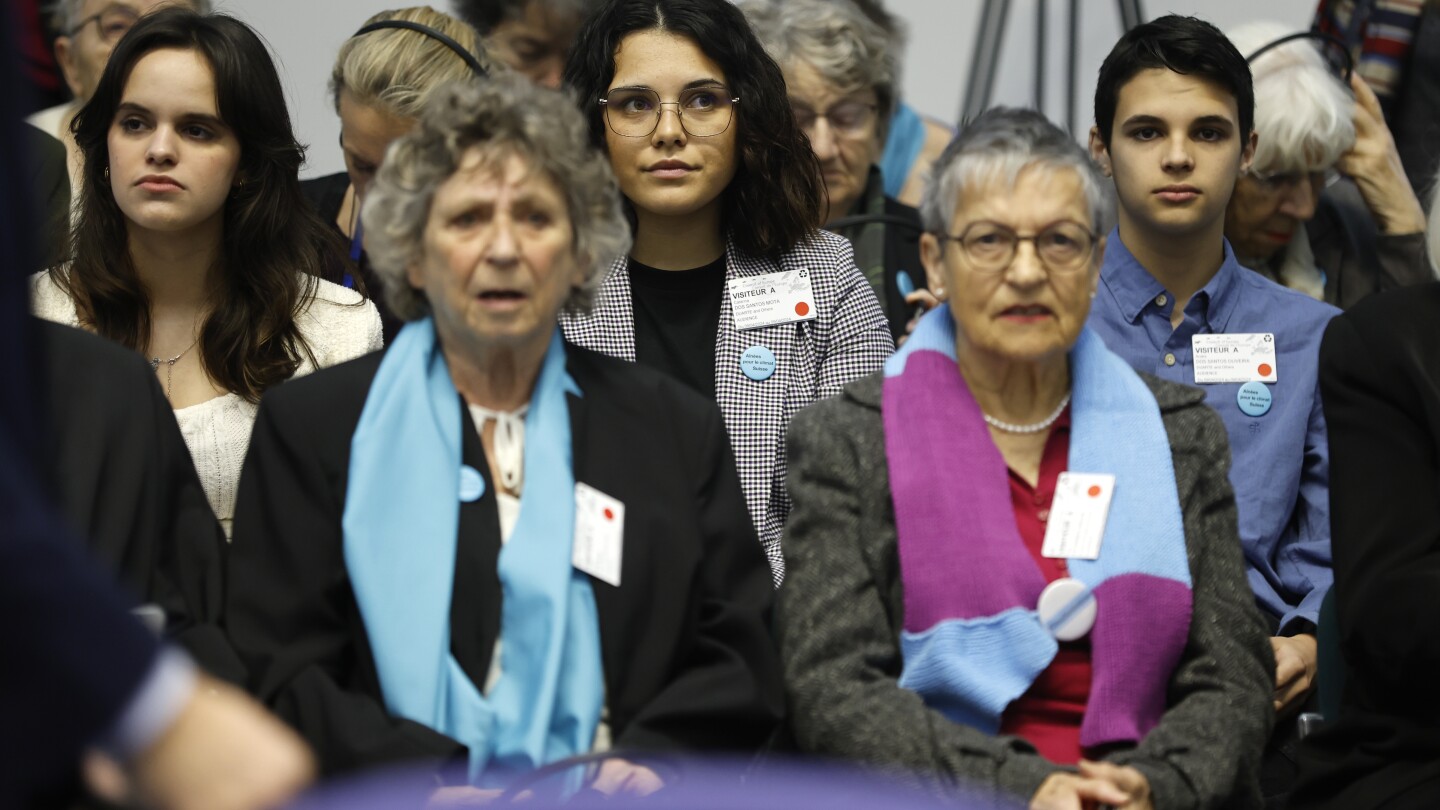
Europe's highest human rights court ruled in favor of a group of older Swiss women, stating that countries must better protect their people from the consequences of climate change. The ruling sets a legal precedent in the Council of Europe's 46 member states and could lead to more legal challenges. The court found that Switzerland had failed to comply with its duties to combat climate change, violating the women's rights. This decision could have implications for other countries in the Council of Europe, including the 27 EU nations.
The European Court of Human Rights is set to rule on three climate cases, including a lawsuit by Portuguese youths against 32 European countries for failing to avert catastrophic climate change, and cases brought by elderly Swiss women and a former French mayor. The verdicts will determine whether weak climate change policies violate human rights, potentially setting a precedent for future climate litigation and influencing national emissions reduction targets. A ruling against the governments could lead to revised targets and further litigation, while a loss for the claimants could deter future legal action. The outcomes will also have implications beyond Europe, potentially impacting climate litigation in other countries.
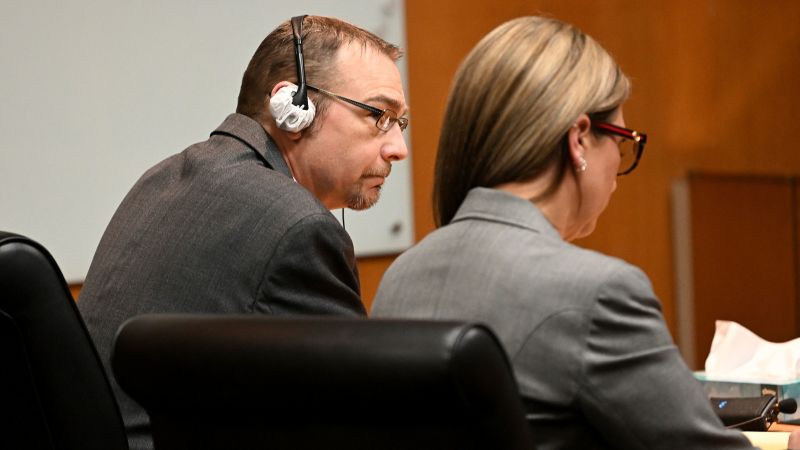
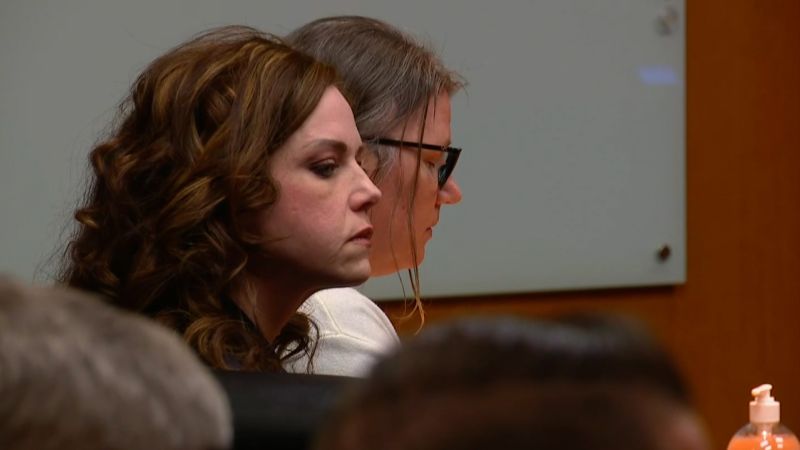
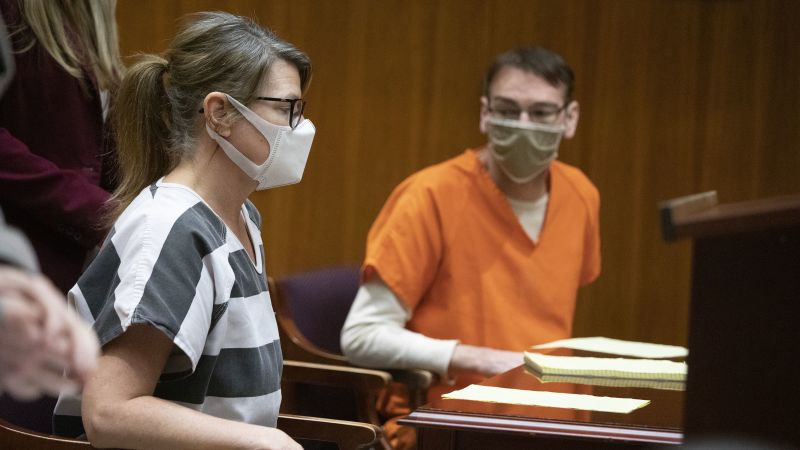
The convictions of James and Jennifer Crumbley, parents of the teenage school shooter Ethan Crumbley, set a legal precedent that could lead to more cases against parents for their children's actions. While the prosecutor hopes it will prevent gun violence, legal experts warn that the verdicts could open the floodgates to similar prosecutions. The couple faces up to 15 years in prison for involuntary manslaughter, and their case has sparked concerns about the potential prosecution of parents for their children's crimes, leading to increased scrutiny on parental responsibility and gun storage laws.
A Michigan jury found James Crumbley guilty of involuntary manslaughter for buying the gun used by his son in a school shooting, setting a precedent for parental accountability in such cases. His wife, Jennifer Crumbley, was previously convicted of the same charges. Legal experts believe the verdicts could be used by prosecutors in similar cases. The couple's negligence was deemed far outside the norm, and their guilty verdicts could have a significant impact on who can be held responsible for mass shootings. The severity of the charges against the Crumbleys is considered unique, and their cases may not lead to a surge in similar prosecutions.
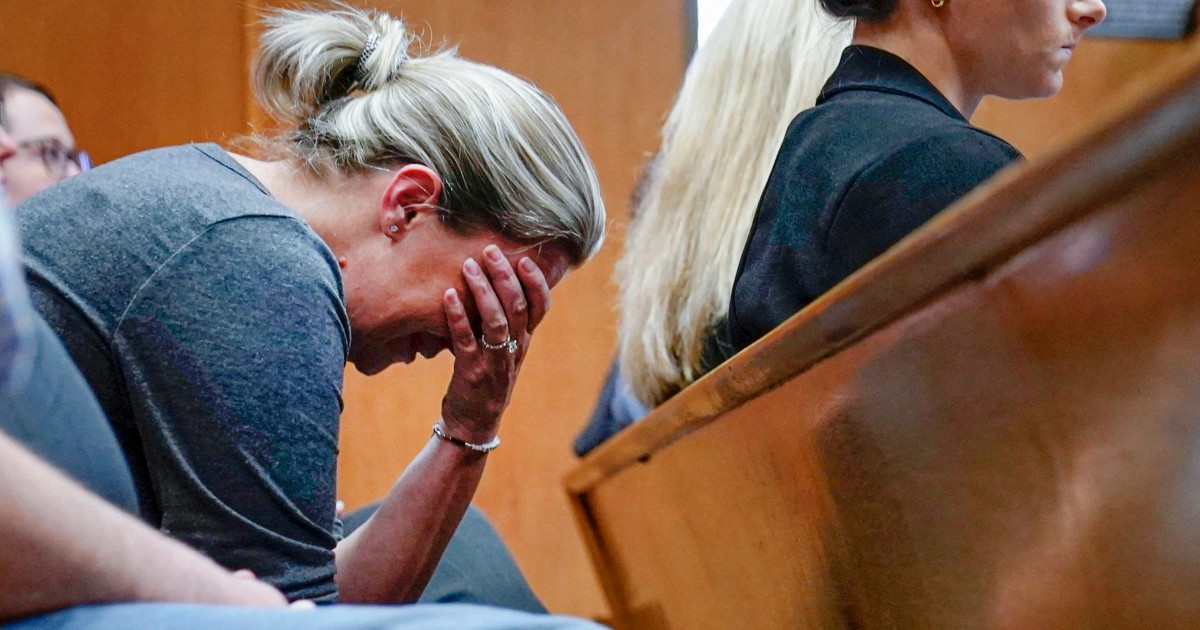
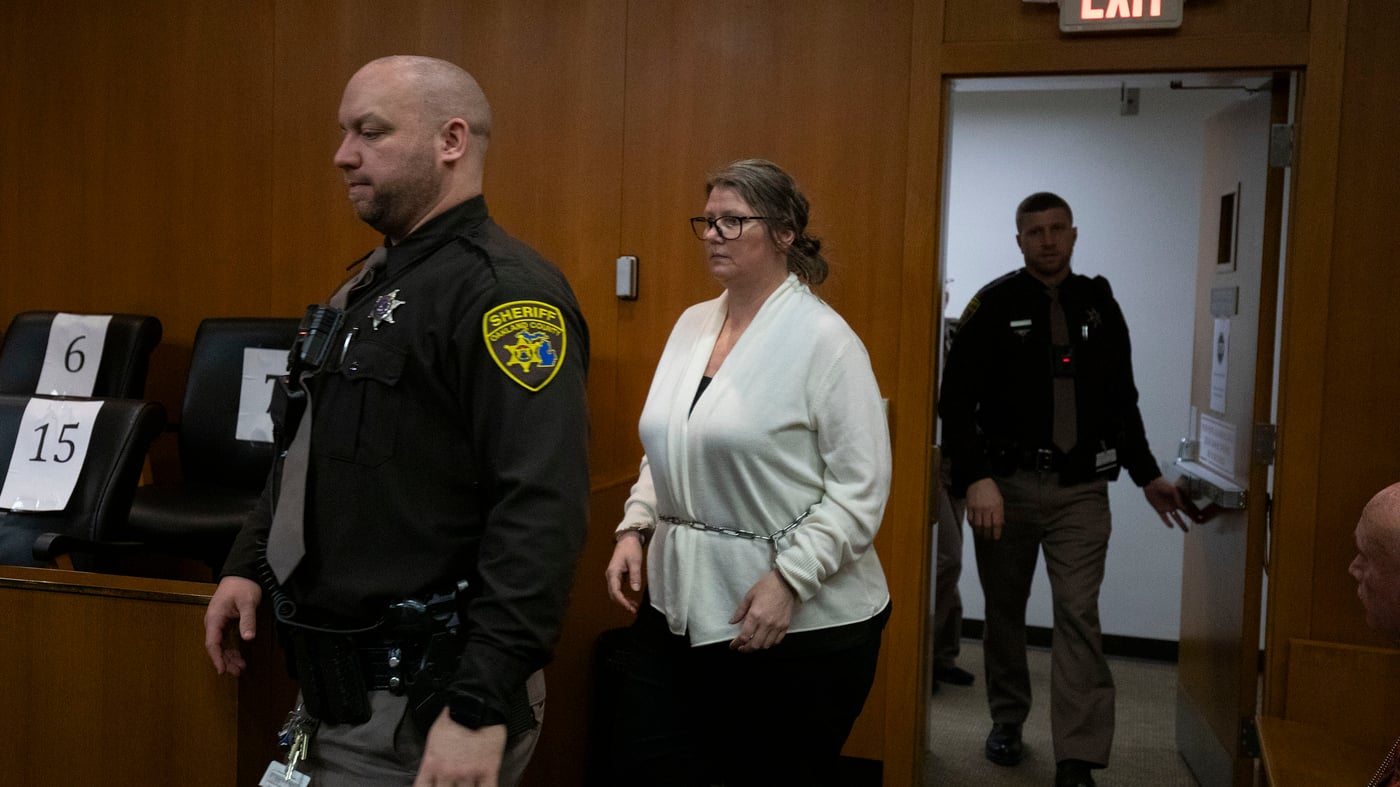
Jennifer Crumbley, the mother of a school shooter, was found guilty of involuntary manslaughter in a case that sets a precedent for holding parents accountable for their children's actions in school shootings. Prosecutors argued that she was aware of her son's deteriorating mental health and had failed to take action, including not properly storing the gun he used. Legal experts note the rarity of such a verdict and the high requirements for proving involuntary manslaughter. The guilty verdict raises important questions about parental responsibility in school shootings, while the upcoming trial of Crumbley's husband will further test the legal implications of parental accountability.
Jennifer Crumbley, the mother of the Oxford school shooter Ethan Crumbley, has been convicted of four counts of involuntary manslaughter in connection with her son's mass shooting at Oxford High School in 2021. This marks the first time a parent has been tried for manslaughter in connection with a mass shooting conducted by their child and could set a legal precedent. Prosecutors argued that Jennifer and her husband ignored signs of their son's troubles, bought him the handgun used in the shooting, and failed to prevent the tragedy. Her husband, James, is scheduled to go on trial next month on identical charges.
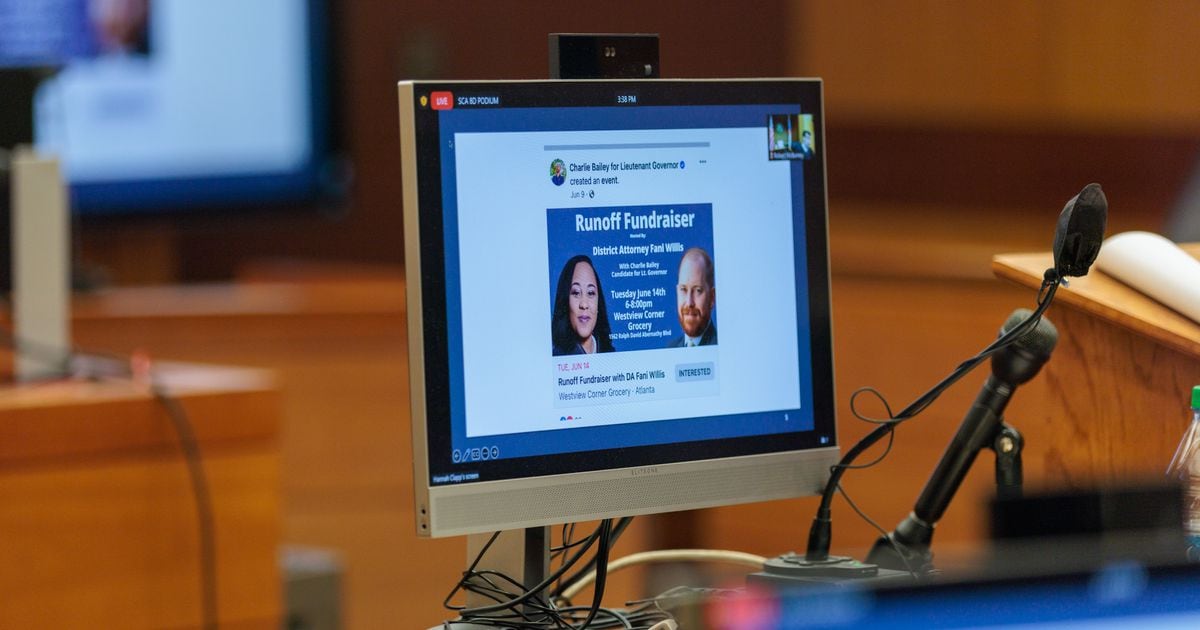
As a Fulton County judge considers disqualifying District Attorney Fani Willis and her office from prosecuting Donald Trump, attention has turned to a previous ruling that disqualified Willis from investigating Lt. Gov. Burt Jones due to a political conflict of interest. The decision is being scrutinized as a potential legal precedent for the current case, in which Willis and her colleagues are accused of an undisclosed romantic relationship with the case's top prosecutor. Both supporters and critics of Willis are examining the earlier ruling, with some arguing that it set an unfairly high standard for the DA, while others see it as persuasive. The decision on whether to remove Willis and her office from the Trump case is expected on February 15, and if they are disqualified, the Prosecuting Attorneys' Council of Georgia will decide on the next steps.
The parents of Ethan Crumbley, the teenager who carried out a mass shooting at his high school in Michigan, are facing manslaughter charges for their alleged roles in the incident, which left four students dead and seven others wounded. Prosecutors argue that the parents disregarded warning signs and provided their son with a gun despite his mental health struggles. The trials will test the limits of parental responsibility in mass shootings, with the defense arguing that the charges have no legal justification. The outcome of these trials could set a new precedent for holding parents responsible for their children's actions in cases of severe negligence.
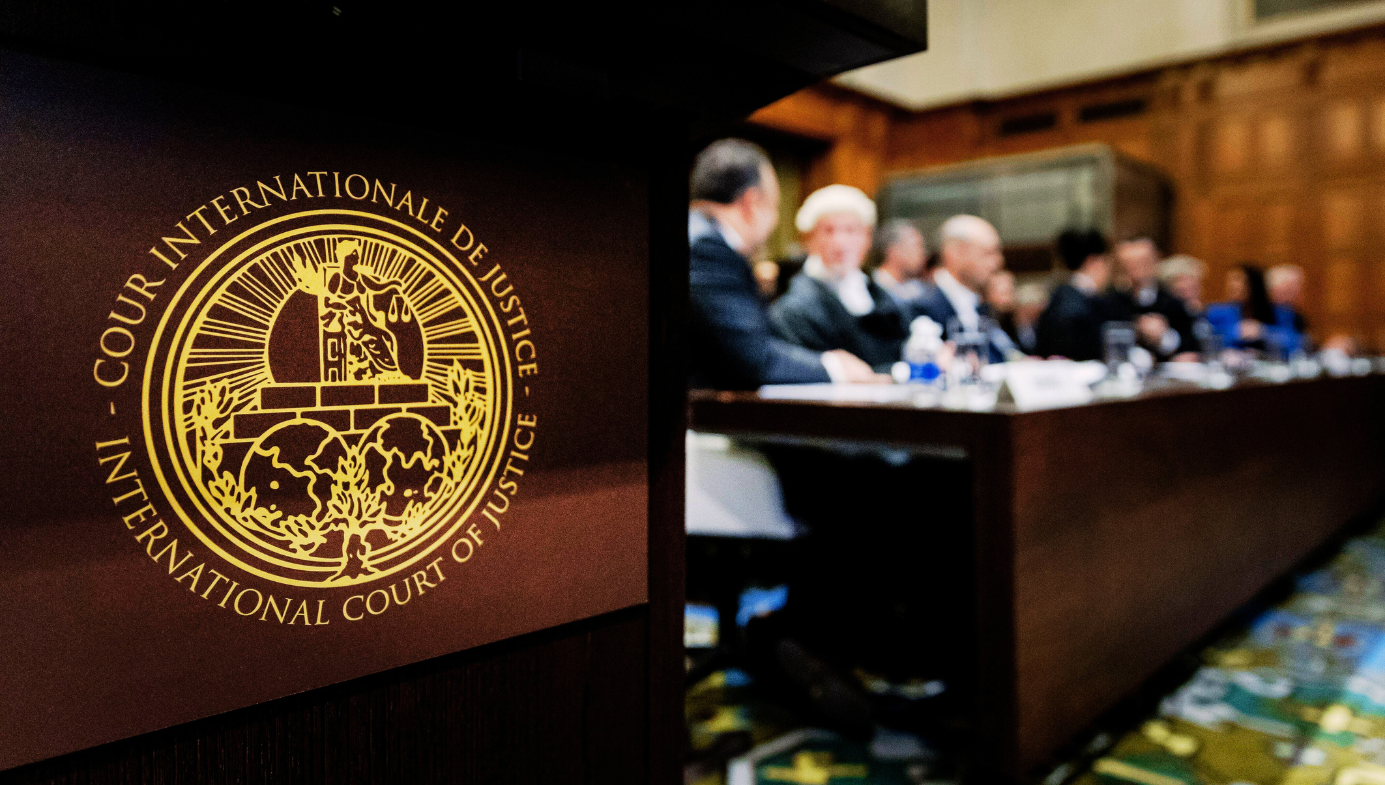
South Africa has brought a genocide case against Israel to the International Court of Justice (ICJ) in The Hague, citing the 1948 United Nations Convention on the Prevention and Punishment of Genocide. However, the application lacks hard evidence and careful legal precedent, relying on biased sources and flawed arguments. The case is criticized for its deceptive propaganda and lack of substantial evidentiary basis, with the hope that the ICJ will see it as anti-Israeli propaganda and dismiss it.