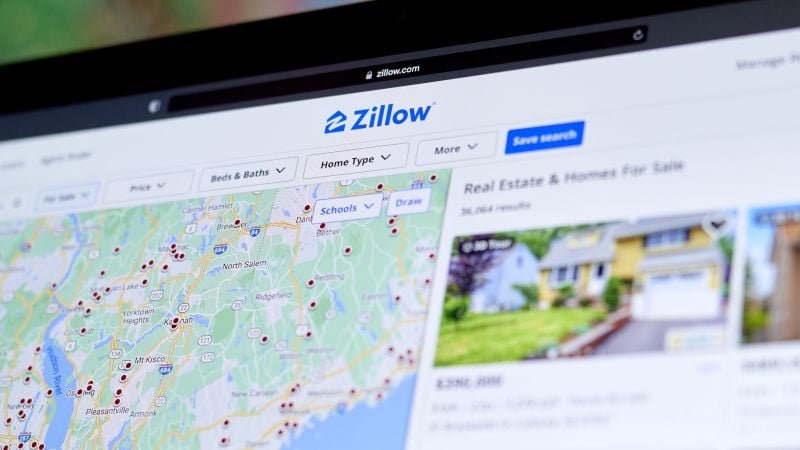
Zillow is implementing a new policy to ban publicly marketed home listings that are not shared in local databases within one business day, as part of a broader industry conflict over 'exclusive inventory' and 'hidden homes.' This move aims to increase market transparency but has sparked legal disputes and industry resistance, affecting how buyers and sellers access and market properties.

A legal dispute has erupted between Zillow and Compass over the handling of home listings, with Compass suing Zillow for allegedly using monopoly power to restrict access to certain listings, which could impact market transparency and consumer choice. The conflict centers on Zillow's upcoming policy to ban non-MLS shared listings, potentially pushing more homes into shadow markets, affecting buyers and sellers alike.
Compass has sued Zillow, accusing it of anti-competitive practices related to a new rule requiring listings to be posted on Zillow within one day, which Compass claims aims to stifle competition and control over home listings. Zillow defends the rule as promoting transparency and consumer choice, while the lawsuit highlights ongoing tensions in the real estate industry over listing control and market dominance.
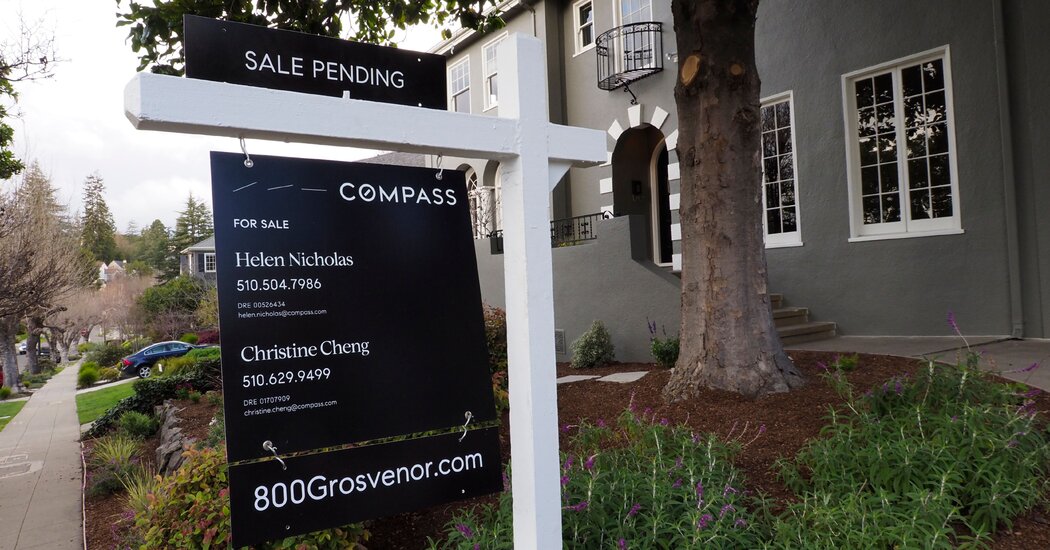
Compass, the top home-selling brokerage, has sued Zillow, accusing it of monopolizing digital home listings and violating antitrust laws by enforcing a 24-hour ban on private listings not listed on Zillow, which Compass claims is an anti-competitive move to protect Zillow's business model. The lawsuit seeks to challenge Zillow's policy and promote consumer choice.
Real estate company Compass has sued Zillow, accusing it of anti-competitive practices through a policy that bans private home listings off Zillow, aiming to protect Zillow's market dominance. Zillow denies the claims, asserting their goal is to create a level playing field. The lawsuit seeks an injunction and damages amid a challenging housing market with declining sales and high mortgage rates.
Real estate firm Compass has sued Zillow, accusing it of anti-competitive practices through a policy that bans private home listings off Zillow for more than a day, aiming to protect Zillow's monopoly and reduce homeowner choice. Zillow denies the claims, asserting they promote a level playing field. The lawsuit seeks an injunction, damages, and a jury trial amid a competitive housing market with declining home sales and rising mortgage rates.
Compass has sued Zillow, accusing the real estate giant of anti-competitive practices by banning private listings that are not immediately posted on Zillow, aiming to maintain its monopoly over digital home listings and suppress competitors like Compass and Redfin.
U.S. home sellers are holding nearly $700 billion worth of listings, a record high, due to increased inventory, slowing demand, and rising prices, leading to longer market times and a significant amount of stale inventory, which may push home prices down by year-end.
The number of homes for sale in the US hit a record low in May, dropping 7.1% to 1.4 million, the lowest level since 2012, according to a report by Redfin. The supply of homes has been hit by rock-bottom mortgage rates, which have prompted many people to buy homes, and a drop-off in home building following the Great Recession in 2008. The shortage of homes is contributing to bidding wars in some areas, which is preventing prices from plunging even with the drop-off in buyer demand. However, Redfin's chief economist warned that prices still might fall if mortgage rates continue to rise.
Less than a quarter of the 1.1 million home listings are within financial reach of the typical American household, according to a joint report from the National Association of Realtors and Realtor.com. The housing market is short about 320,000 listings within the price range of buyers earning the median household income of $75,000 a year. The affordability crunch is even worse for people of color. The nation's most expensive metropolitan areas had the fewest homes priced for middle-income buyers. Buyers on a budget will find the greatest selection of affordable homes in the cheaper parts of the country, such as the Rust Belt and Deep South.
New home listings fell by over 22% in April, one of the largest declines since the pandemic began, as homeowners refuse to give up their locked-in mortgage rates despite rising interest rates. The scarcity of inventory is causing homes to sell quickly, with almost half of all homes on the market selling within two weeks. This shortage is also keeping home prices from falling further, with the US median sale price down 2.8% YoY. However, in certain parts of the country, sellers who price their homes in line with the market are attracting multiple offers.