The article discusses the emerging concept of 'Physical AI,' which refers to autonomous systems like self-driving cars and robots that interact with the real world using sensors and AI, highlighting the automotive industry's push towards advanced autonomous technology and the significant role of chipmakers like Nvidia and ARM in this trend.
Asian stock markets opened the new year higher, led by gains in Hong Kong and South Korea driven by a rally in technology and semiconductor stocks, amid subdued trading volumes due to holiday closures, with optimism around artificial intelligence fueling the rally.
The stock market ended 2025 with declines across major indices, testing key levels, while specific stocks like Tesla, Palantir, Nvidia, and Taiwan Semiconductor are in focus due to their recent performance and upcoming earnings reports. The market experienced a continued post-Christmas downturn, with major indexes falling and some leading stocks showing signs of damage, amid a broader economic backdrop of falling oil prices and bond yields. Investors are advised to review their positions and stay alert for opportunities in the new year.
Bank of America recommends six large-cap chip stocks, including Nvidia, Broadcom, and Lam Research, as top investments for 2026, driven by an expected AI capex surge reaching $1.2 trillion by 2030, despite market volatility.
The future of AI may depend more on demand from lesser-known chipmakers rather than market leaders like Nvidia, with recent developments including Coforge's acquisition of US-based Encora for $2.35 billion, highlighting ongoing growth and strategic moves in the tech industry.
Big Tech companies like Alphabet, Meta, and Microsoft are significantly increasing their capital expenditures to expand AI and cloud infrastructure, signaling a major investment boom that could drive the next AI rally, with chipmakers like Nvidia poised to benefit.
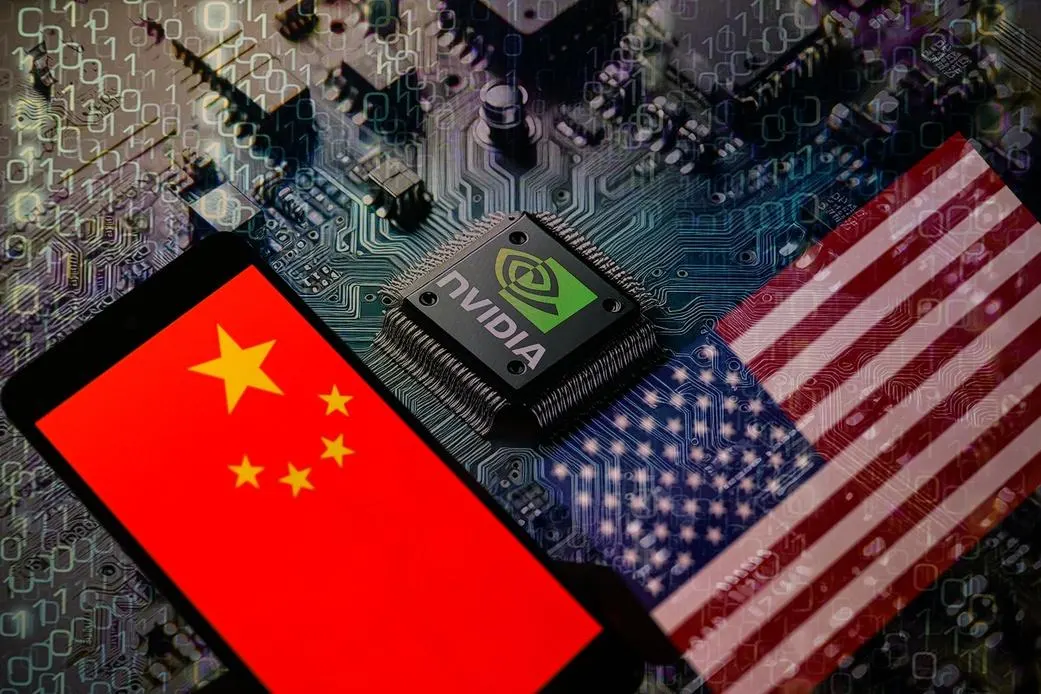
Nvidia's stock declined over 1% amid China's investigation into its 2020 acquisition of Mellanox and broader trade tensions, including investigations into U.S. chipmakers and allegations of predatory pricing, reflecting escalating geopolitical conflicts impacting the semiconductor industry.
Oracle's recent strong financial results and record backlog of $455 billion indicate a surge in demand for its AI-focused data centers, which will require significant capital expenditures, benefiting chipmakers like Nvidia, AMD, Broadcom, and Micron. This growth is driven by leading AI developers using Oracle's efficient and scalable cloud infrastructure, prompting Oracle to plan over $35 billion in capital investments in 2026.
Cambricon, a Chinese semiconductor company, posted a 4,300% revenue increase in the first half of the year, reflecting China's push for local chip development amid U.S. export restrictions that have limited Nvidia's sales in China. While Nvidia faces increased competition from Chinese firms like Cambricon and Huawei, it continues to seek regulatory approval to sell its high-performance chips in China, aiming to maintain its market presence despite geopolitical tensions.
U.S. Senator Bernie Sanders supports President Trump's plan to convert federal grants for chipmakers like Intel into government equity stakes, aligning with Trump's broader policy shift towards state intervention in the economy, despite previous opposition from other Democrats like Elizabeth Warren.
During a period of tariffs and export restrictions, Nvidia and AMD struck unusual revenue-sharing deals with the US government, paying 15% of their Chinese sales to secure export licenses, amidst ongoing US-China tech tensions and efforts to expand sales in China. The article also covers OpenAI's GPT-5 launch, AI development race, and the end of AOL's dial-up internet service, highlighting significant shifts in tech and internet history.
The article discusses the positive outlook for small-cap stocks and chipmakers, highlighting their potential benefits from increased defense spending as a new spending bill progresses through Congress.
The semiconductor industry is bracing for potential impacts from rising geopolitical tensions and impending tariffs between the US and China, expected to take effect in 2025. Chipmakers with significant exposure to China, such as ASML and Qualcomm, face substantial risks, while companies like Nvidia and AMD have lower exposure. The tariffs could lead to a decline in China's wafer fab equipment spending and push Chinese firms to increase domestic production. This situation presents uncertainties for semiconductor stocks, with potential opportunities for AI-focused companies.
Nvidia, a leading AI chipmaker, faces scrutiny from Chinese antitrust regulators and competition from other tech giants like Amazon and Google, who are developing their own chips. Despite these challenges, Nvidia's financial performance remains strong, with significant revenue growth and dominance in the AI hardware market. The company's ability to invest in innovation and absorb potential financial hits keeps it ahead, even as it navigates geopolitical tensions and market competition.
U.S. stock futures are down on Thursday as Nvidia's earnings guidance fell short of some expectations, impacting other chipmakers like Qualcomm and Intel. Despite Nvidia's strong revenue growth, its shares fell 2.6% in premarket trading. Analysts remain optimistic about Nvidia's long-term potential, with some predicting a tech-driven market surge. Meanwhile, crude oil prices rose amid geopolitical tensions, and investors await key economic data releases, including jobless claims and home sales figures.