
The article discusses concerns about the growing AI debt boom and its potential negative implications for investors, highlighting the risks associated with the rapid expansion of AI-related borrowing and investments.
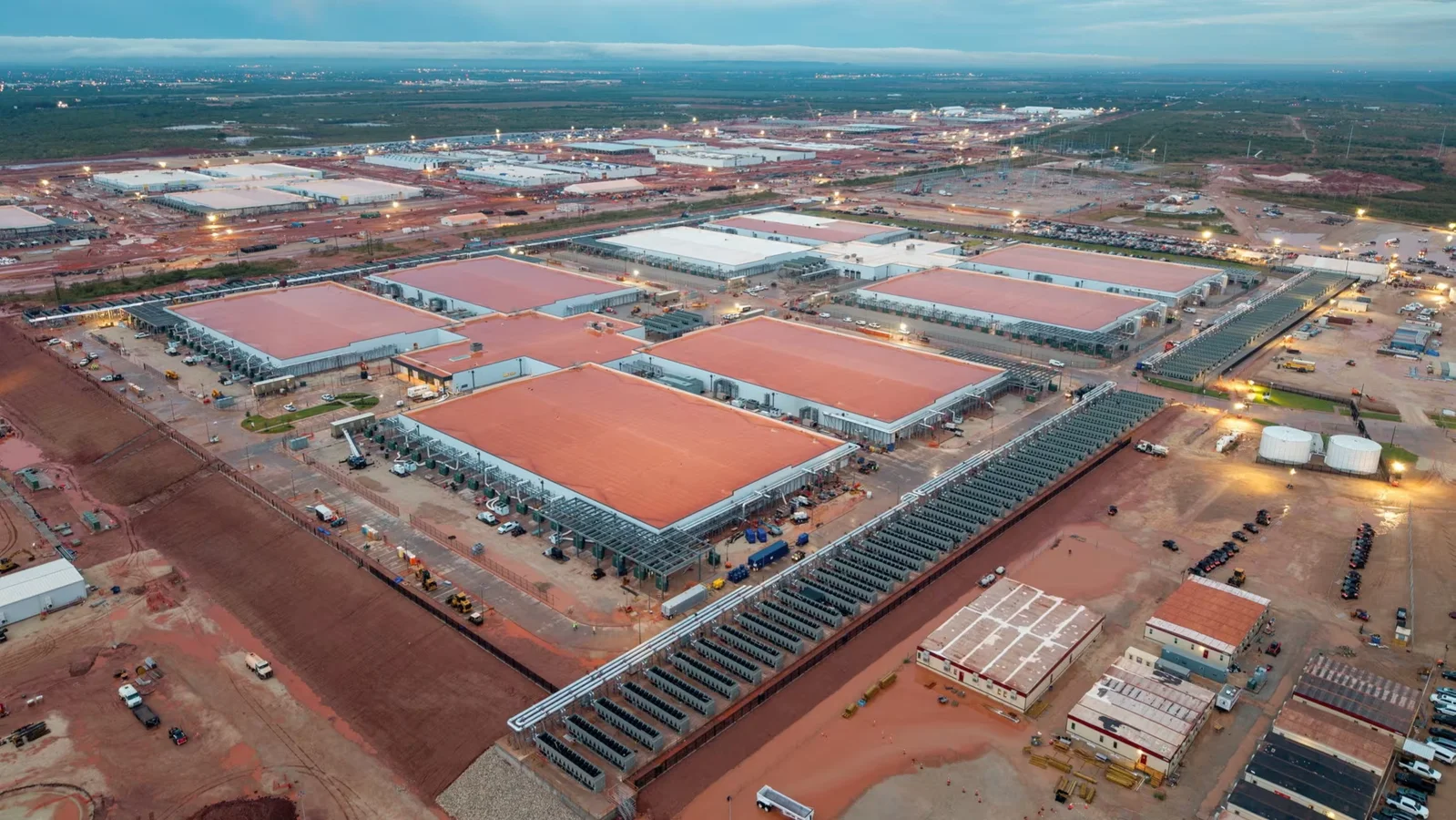
The US corporate bond market is experiencing a significant increase in sales, nearing record levels, driven by a surge in AI-related debt, indicating a substantial growth in borrowing linked to artificial intelligence investments.
The tech sector declined as Oracle failed to secure a $10 billion AI debt deal, raising concerns about AI investment bubbles, while investor Michael Burry warned of a potential bear market due to increased stock market wealth and AI-driven risks, despite his own short positions in AI stocks.
The S&P 500 has fallen for four consecutive days, led by tech stocks like Oracle and Nvidia, amid concerns over AI-related debt and a warning from investor Michael Burry about a potential market downturn due to increased household wealth in stocks and risky AI investments. Oracle's failed $10 billion debt deal and rising concerns over AI bubble risks contribute to the cautious market sentiment, with analysts highlighting potential overexuberance in data center spending and a shift away from the top-performing Magnificent Seven stocks.
Investors are seeking safeguards against potential risks associated with a possible AI debt crisis, highlighting concerns over financial stability in the evolving AI industry.
Companies rushing to adopt AI are facing significant costs due to poor implementation, leading to 'AI debt' that includes security risks, inefficiencies, and increased burnout among workers. Experts emphasize the importance of careful planning, testing, and infrastructure development to maximize AI benefits and minimize disruptions.