The article compares the current AI 'bubble' to historical market bubbles, analyzing similarities and differences to understand potential risks and opportunities in AI investments.
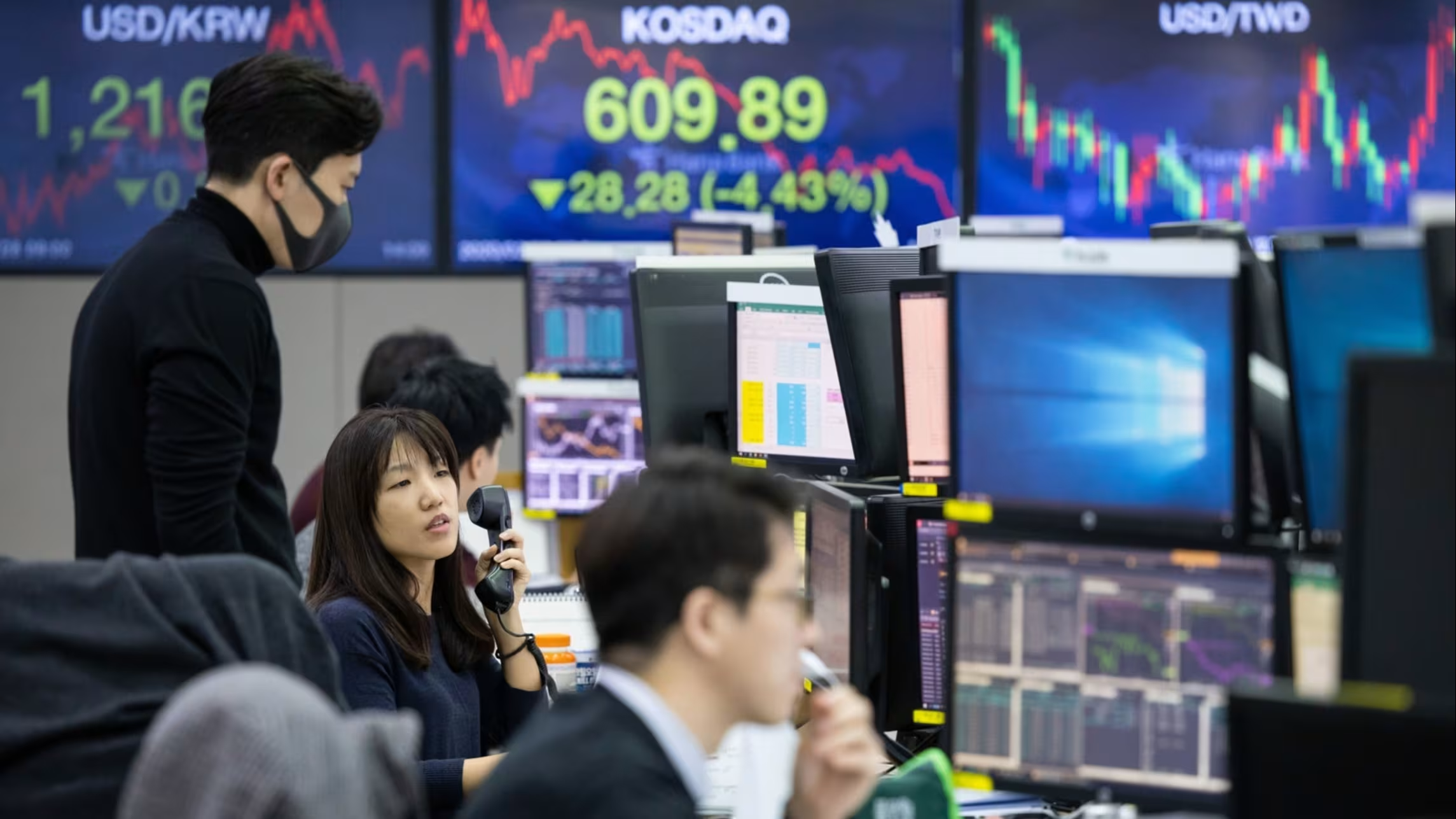
In 2025, US stocks are being overshadowed by other global markets as investors diversify their portfolios, reflecting changing investment strategies and global economic shifts.
The article discusses the top-performing and underperforming stocks of 2025, providing insights into market trends and investment opportunities, though full details require a subscription to the Financial Times.
Despite a 63% decline in direct investments by family offices in 2025, they continue to participate in large funding rounds for AI startups, with deal values tripling and a shift towards bigger investments over the past decade, reflecting rising ambitions and pursuit of higher returns.
AI is dominating startup investment in 2025, with over half of all VC money going into AI companies, primarily benefiting marquee firms like Anthropic, while overall startup funding has significantly decreased, creating a divide between AI and non-AI startups.
Family offices are increasing their investments in stocks and AI-related assets while reducing private equity holdings, driven by market dislocations and geopolitical concerns, with notable regional differences in risk management strategies such as gold and cryptocurrency holdings.
Originally Published 4 months ago — by Hacker News
Anthropic raised $13 billion in a Series F funding round, highlighting the massive capital required for AI model development, driven by hardware and infrastructure costs. The article discusses concerns about the sustainability of current AI scaling, the top-down nature of innovation, and the potential for new entrants to challenge incumbents, while also reflecting on the broader economic and societal implications of AI advancements.
Carlyle is strengthening its position by focusing on private credit and secondary market trends, reflecting shifts in investment strategies within the financial sector.
Global equities have outperformed U.S. stocks in 2025, driven by factors like currency movements, geopolitical shifts, and divergent fiscal policies, suggesting that international investments may continue to outperform U.S. assets despite recent market gains and trade tensions.
The article discusses the growing popularity of ETFs and the interest from mutual funds to adopt ETF-like marketing strategies, highlighting a potential major shift in the investment landscape and the increasing accessibility for retail investors.
Hong Kong stocks, especially H-shares, have outperformed mainland Chinese A-shares in 2025 due to a re-rating of tech and consumption stocks, driven by AI breakthroughs and global rebalancing flows, while onshore markets remain subdued amid economic woes and uncertain stimulus prospects.
Major investors are moving away from US markets, indicating a shift in investment trends, as reported by FT, which offers exclusive financial insights.
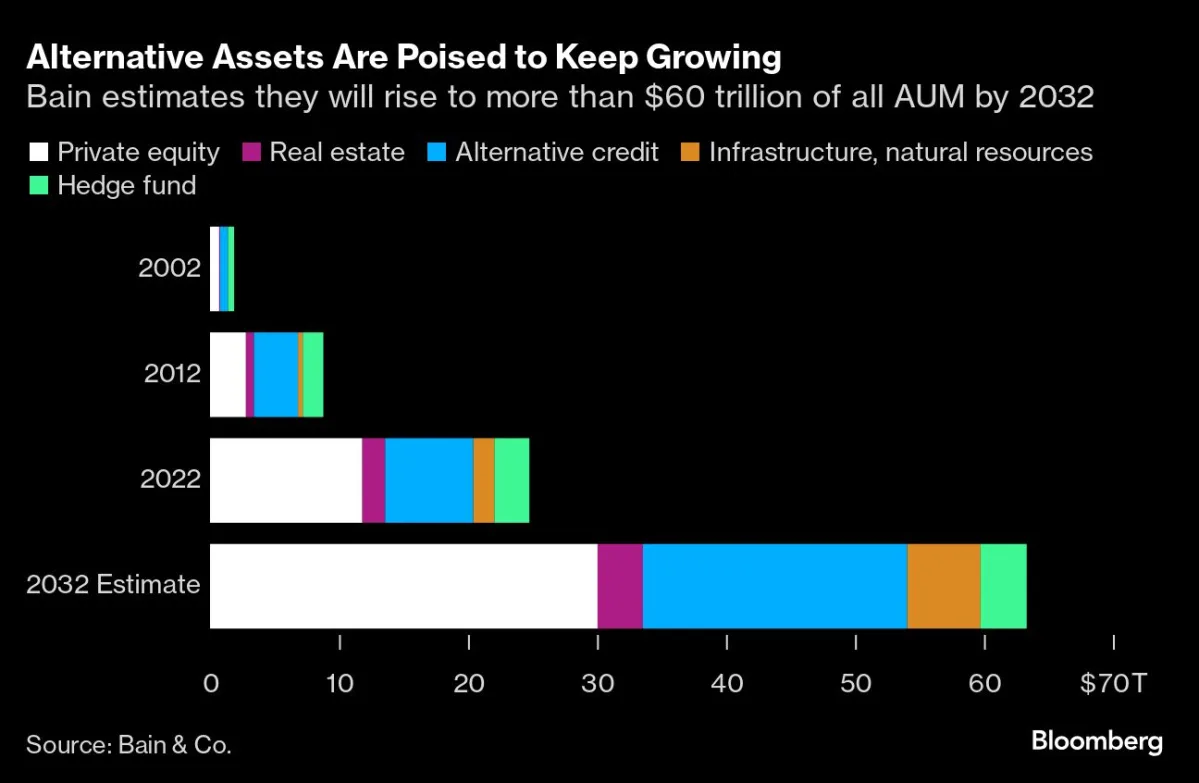
Morgan Stanley and Citigroup wealth executives are increasingly focusing on private markets, as these investments become a significant part of their business strategies. This shift is driven by companies delaying IPOs and the growing influence of wealthy investors in private markets. Private-market assets are projected to reach $65 trillion within a decade, highlighting a trend comparable to the rise of passive investing. Wealthy clients are allocating more of their portfolios to private markets, with investment firms doubling their allocations in 2023.
Nvidia's stock has surged due to its dominance in AI infrastructure, but history suggests that it may be the latest in a series of next-big-thing bubbles that eventually burst. The company faces challenges such as potential cannibalization of its own pricing power, competition from traditional and internal rivals, and regulatory restrictions on exports to China. With a valuation that may not align with reality, some believe Nvidia could be the bubble stock of the century.