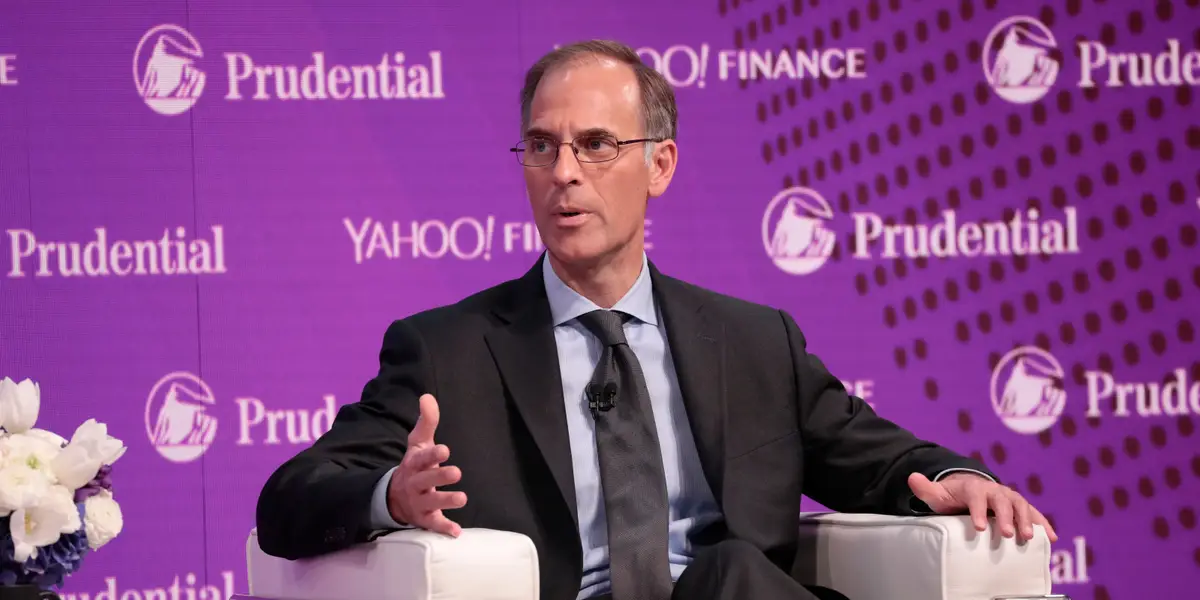
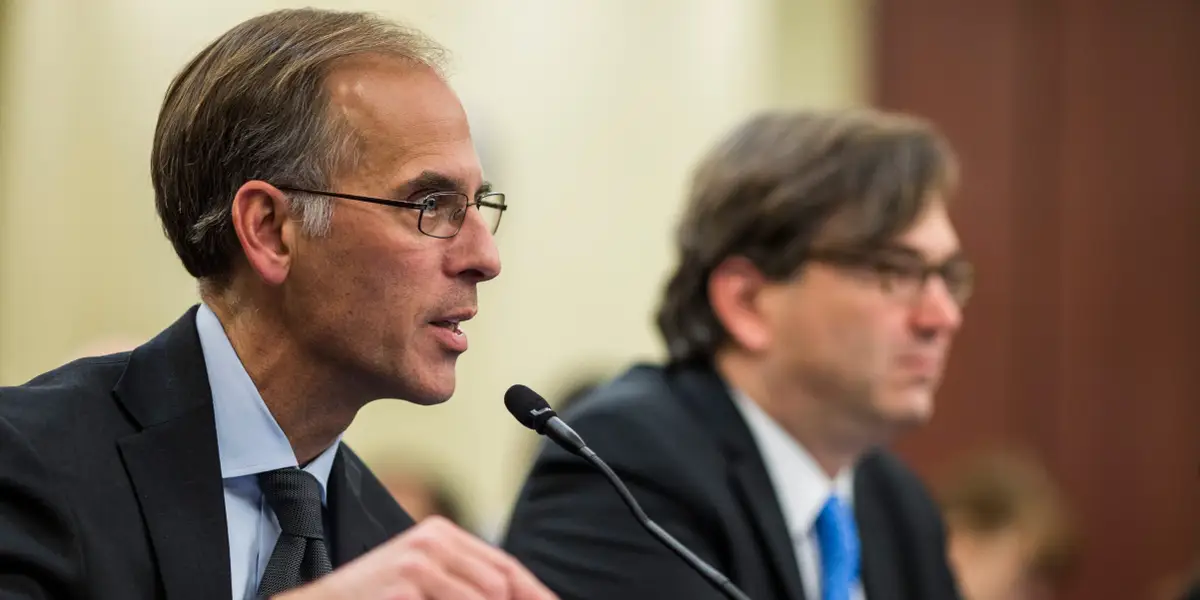
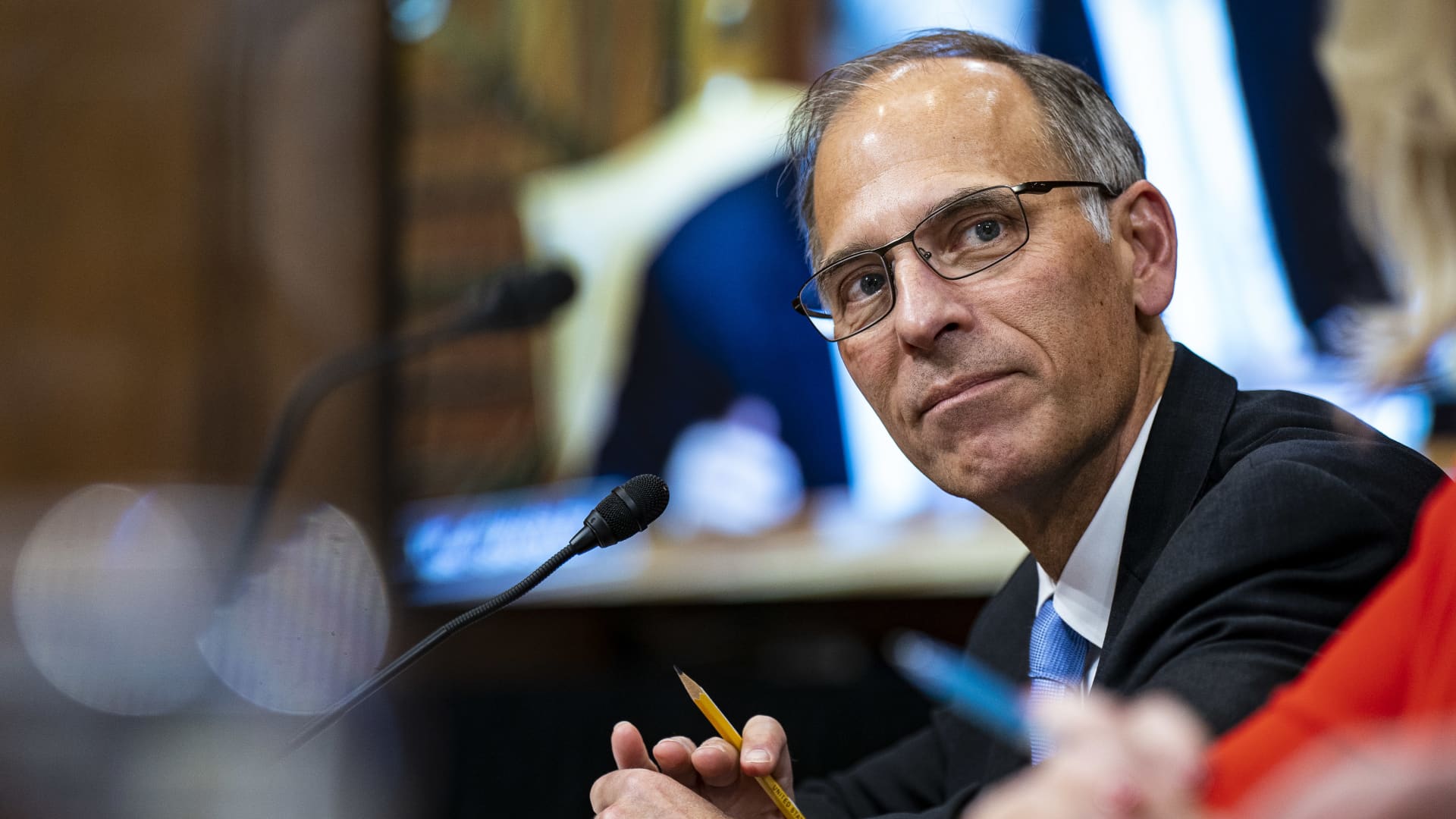
Top economist Mark Zandi warns there's an 'uncomfortably high' 48% chance of a US recession within the next year, citing declining housing permits and other economic indicators as signs of potential downturn, despite expectations of a Federal Reserve rate cut.
Mark Zandi, chief economist at Moody's Analytics, warns that the US economy is on the verge of a recession due to weakening consumer spending, rising inflation, and the impacts of tariffs and immigration policies, with rate cuts unlikely to prevent a downturn.
Dr. Mark Zandi, the chief economist at Moody's Analytics, has listed five reasons why he believes the US will avoid a recession in 2023, despite warnings from economists and analysts. Zandi argues that excess savings, labor hoarding, light debt loads, anchored inflation expectations, and low oil prices will help the US economy to keep moving forward. He notes that consumers have been spending just enough to keep the economy growing, while companies are avoiding layoffs and relying on foreign immigrants to fill jobs. Additionally, household borrowing has remained prudent, and low oil prices have helped to keep inflation down.
Moody's Analytics' chief economist, Mark Zandi, believes that while artificial intelligence (AI) presents both challenges and opportunities for workers and employees, concerns about job loss may be premature. Zandi suggests that AI is still in its early stages and will take several years, even a couple of decades, to be incorporated into business practices. He also believes that AI will be implemented differently across various sectors of the economy and will create winners and losers.
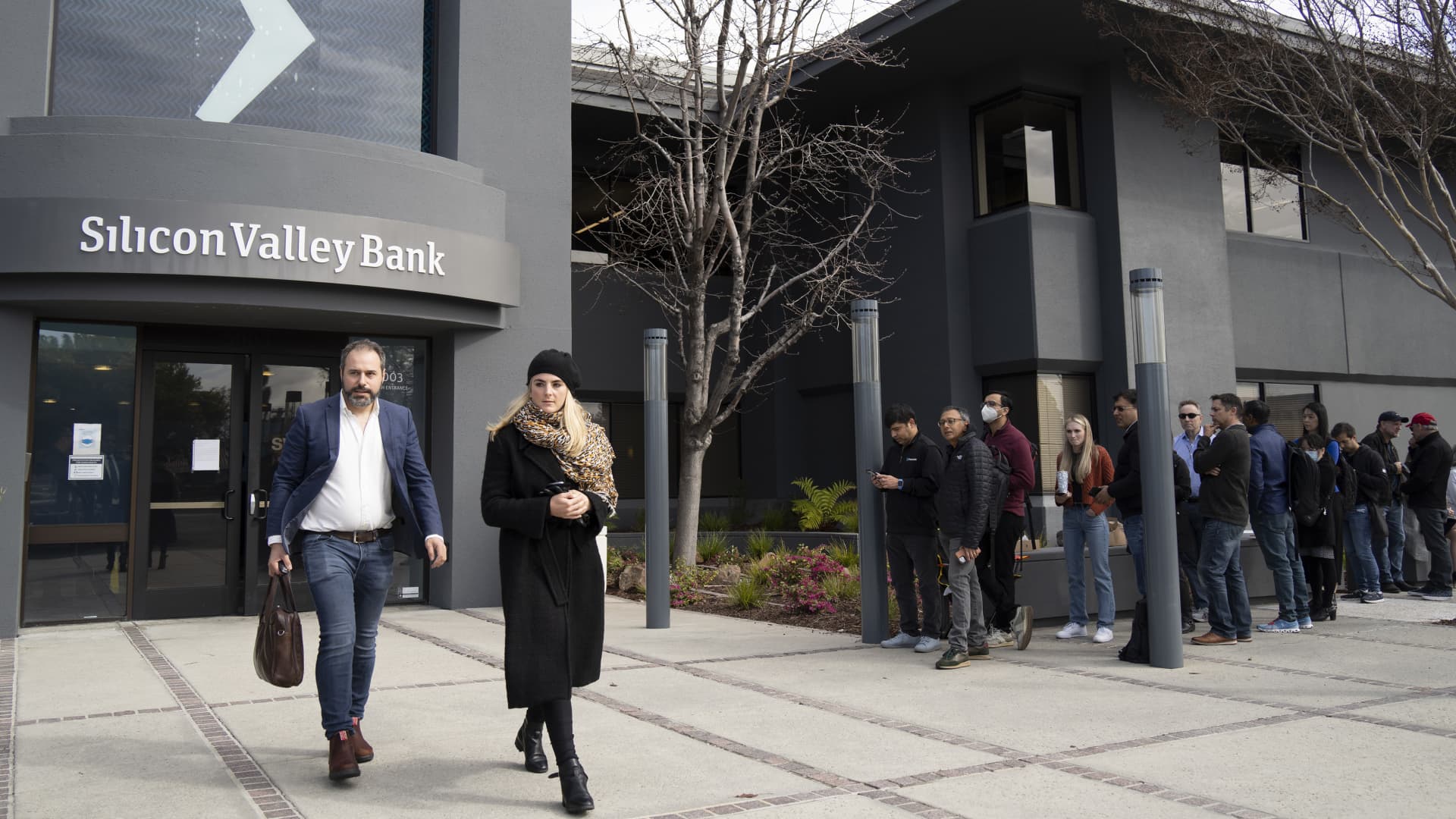
Moody's Analytics chief economist Mark Zandi thinks the Federal Reserve is unlikely to raise interest rates at its March meeting due to the recent bank failures causing uncertainty. The US economy is still fighting high inflation, but it is moderating and moving in the right direction. Zandi believes the US banking system is in a pretty good spot, but the Fed should still pause its rate hikes to gauge how much conditions have tightened and what the impact is on the broader economy and ultimately inflation.