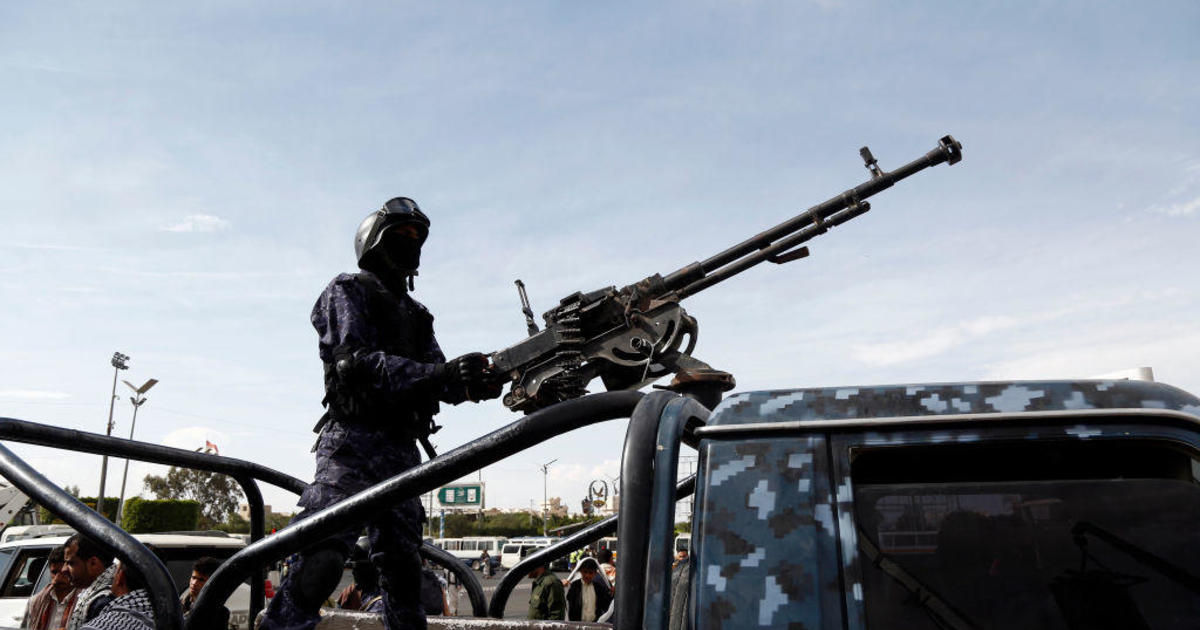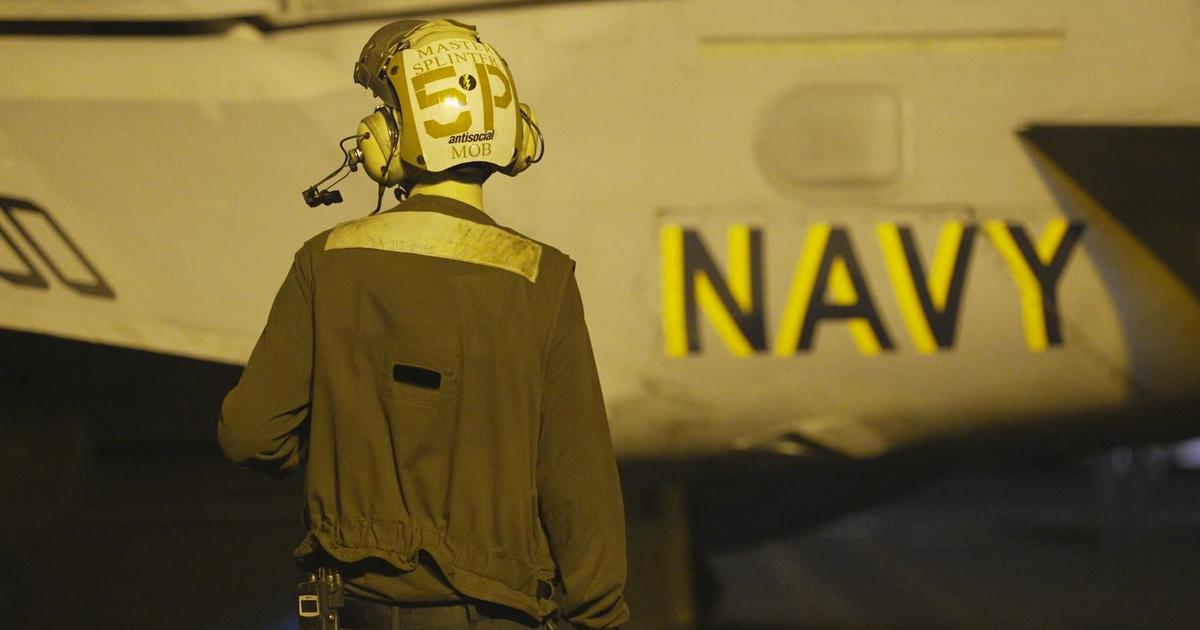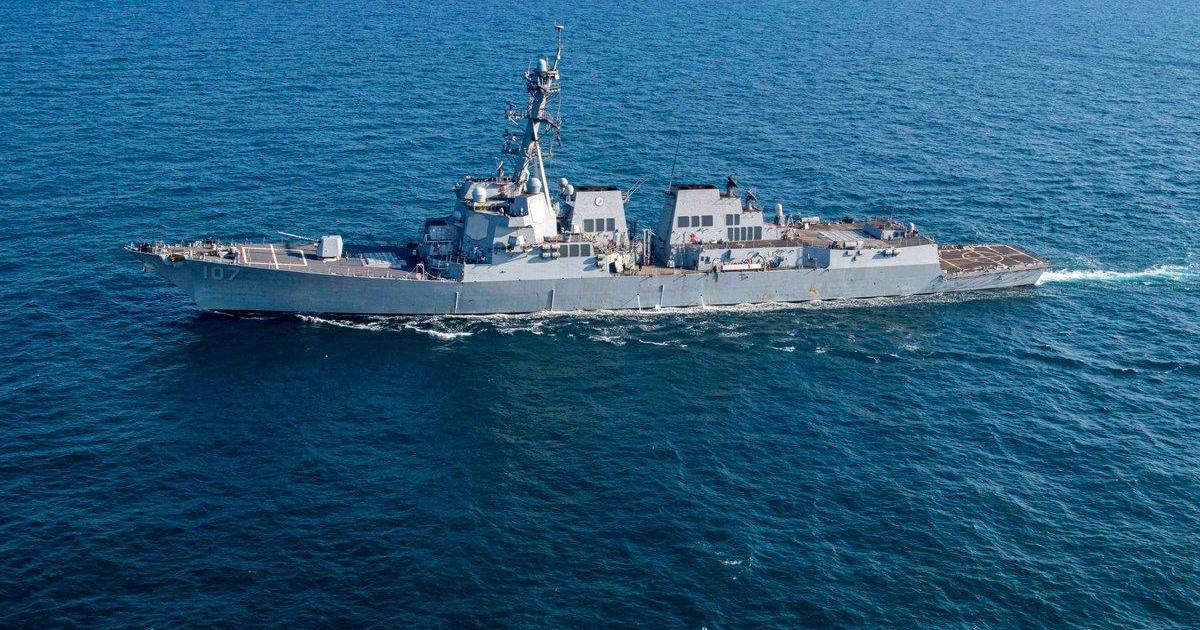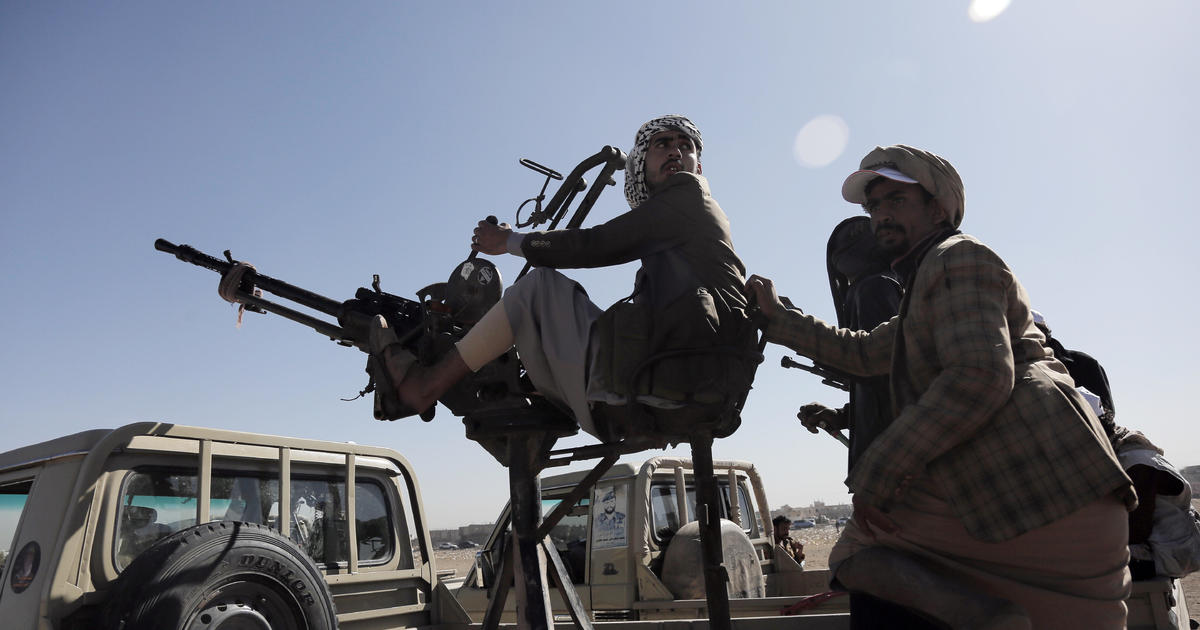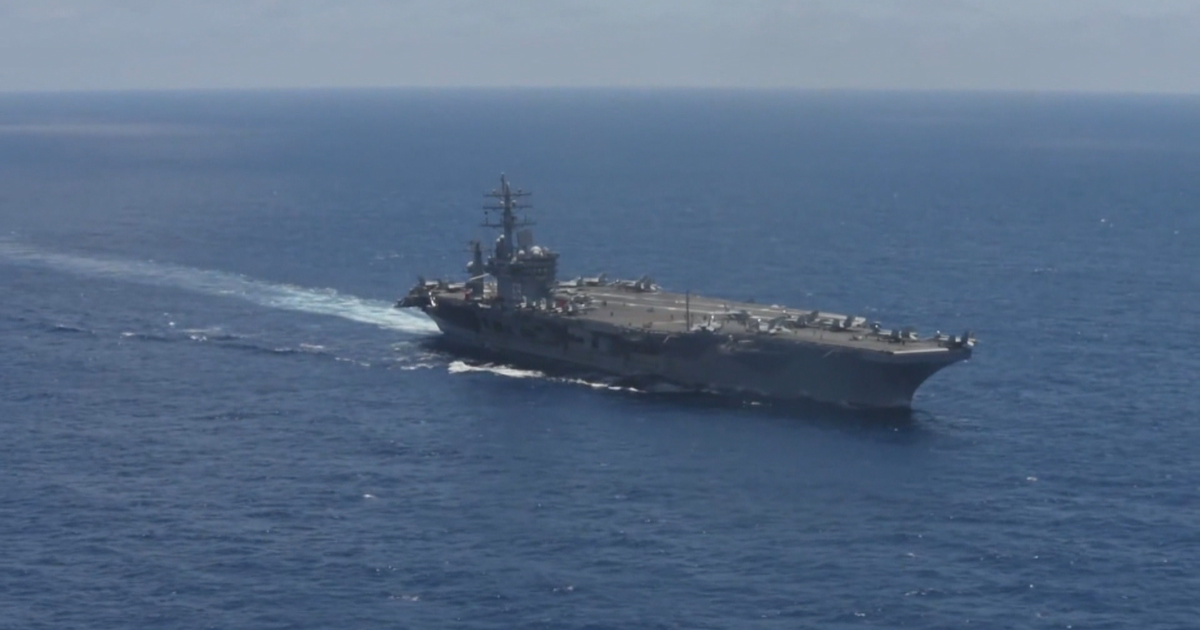
A disinformation campaign falsely claimed that Yemen's Houthi rebels attacked the USS Dwight D. Eisenhower in the Red Sea, using doctored images and videos that were widely shared on social media by pro-Chinese and pro-Russian accounts. The U.S. Navy confirmed the aircraft carrier was not attacked and remains operational. The fake footage, some of which was linked to the video game Arma 3, was quickly debunked by fact-checkers and community members.
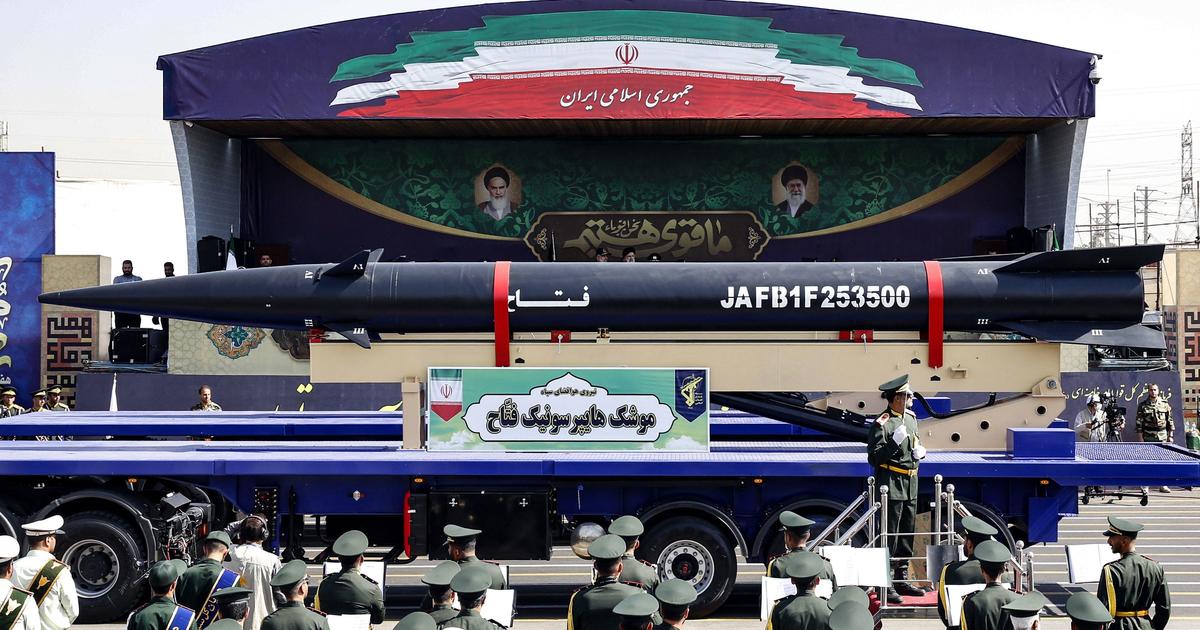
Russian state media reports that Yemen's Houthi rebels claim to possess a new hypersonic missile, potentially escalating their attacks on shipping in the Red Sea and surrounding areas. The claim, which lacks evidence, comes amid ongoing tensions in the region, including indirect talks between Iran and the U.S. in Oman. Hypersonic missiles, if confirmed, could pose a significant challenge to air defense systems. The Houthis have been targeting ships in response to Israel's war on Hamas, with recent attacks resulting in fatalities and damage. Iran, the Houthis' main supporter, is also claimed to possess hypersonic missiles, raising concerns about the potential transfer of advanced weaponry to the rebels.
The U.S. military and its allies intercepted 28 drones launched by Iranian-backed Houthi militants in the Red Sea, with no reported damage to vessels. The attacks, in solidarity with Hamas, have disrupted shipping routes and resulted in fatalities, including the recent killing of three crew members on a commercial ship. The U.S. and U.K. have conducted airstrikes on Houthi military targets, and the Biden administration has designated the Houthis as a "specially designated global terrorist group."
Several undersea communications cables in the Red Sea have been cut, affecting 25% of data traffic between Asia and Europe, with the cause still unclear. Hong Kong-based HGC Global Communications has rerouted traffic after four of the 15 cables were severed, while the US is investigating whether the cables were deliberately cut or snagged by an anchor. The Iran-backed Houthi movement in Yemen has been accused of sabotaging the cables, but they deny targeting them and blame US and British military strikes. HGC has taken measures to mitigate disruptions for its clients, and the US military's Central Command reported that the Houthis fired missiles at a ship in the Gulf of Aden.
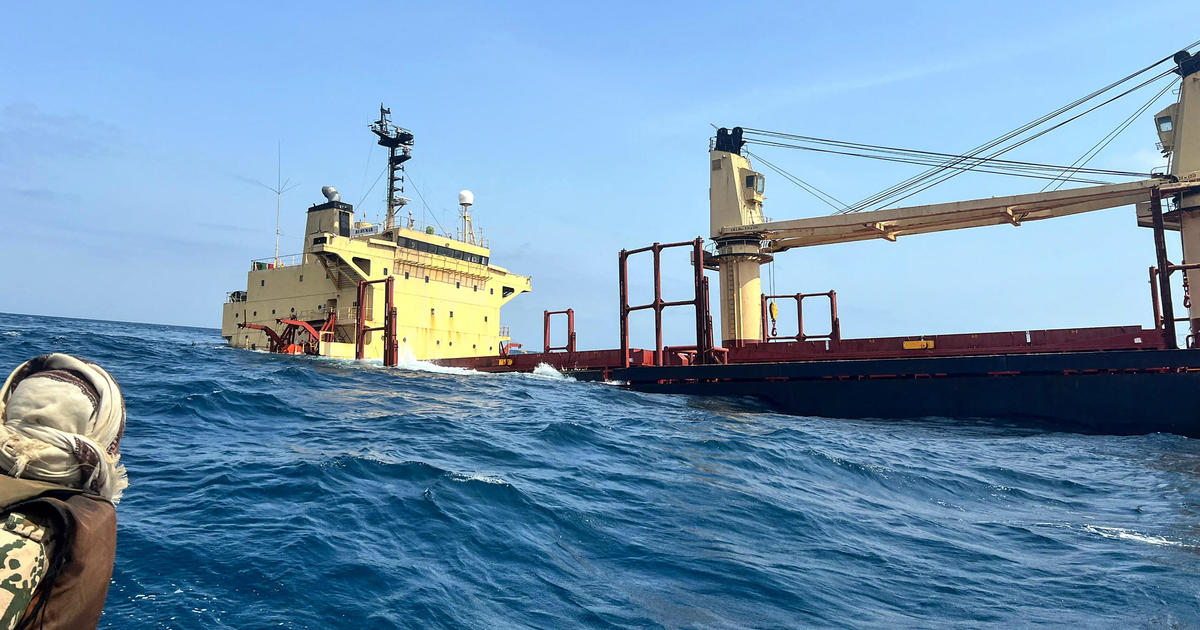
The Rubymar, a cargo ship attacked by Yemen's Houthi rebels on February 18, has sunk in the Red Sea after days of taking on water, becoming the first vessel to be fully destroyed in the conflict over Israel's war against Hamas. The ship, carrying combustible fertilizer, was damaged in a missile strike claimed by the Iran-backed Houthi rebels on February 25. Yemen's exiled government confirmed the sinking, attributing it to stormy weather, while the Houthi rebels did not immediately acknowledge the ship's sinking.
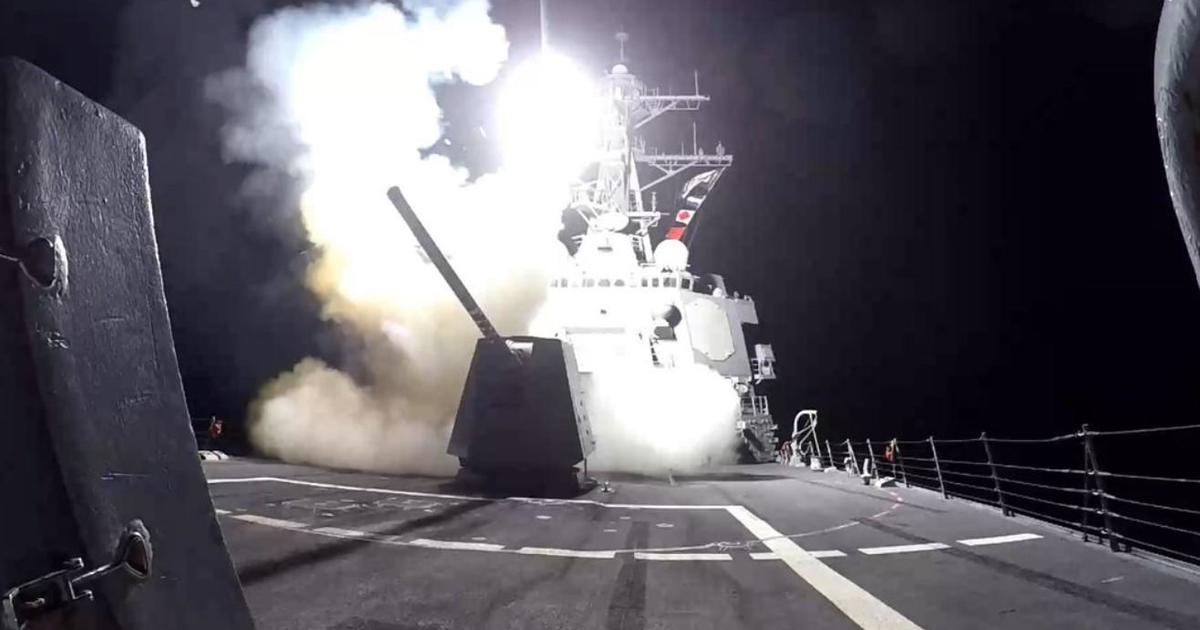
The U.S. and U.K. conducted a fourth round of joint airstrikes on Houthi targets in Yemen, hitting 18 locations and involving a coalition of nations. Despite the strikes, the Houthis have continued launching missiles and drones at ships in the Red Sea and Gulf of Aden, prompting U.S. defense officials to take more than 30 self-defense strikes. The coalition remains committed to protecting freedom of navigation and international commerce, holding the Houthis accountable for their attacks on commercial shipping and naval vessels. Defense Secretary Lloyd Austin emphasized the need to defend lives and the free flow of commerce in critical waterways, while the Houthis have linked their attacks to the conflict between Israel and Hamas.
A suspected Houthi missile attack set a cargo ship ablaze in the Gulf of Aden, while Israel intercepted another apparent Houthi attack near Eilat, amid the ongoing conflict over Israel's war against Hamas. The rebels have targeted ships in the Red Sea and surrounding waters, imperiling trade routes, and despite U.S.-led airstrikes, they remain capable of launching significant attacks. The U.S. State Department criticized the attacks for delaying humanitarian aid, and Vice Adm. Brad Cooper stated that the U.S. military is degrading the Houthis' capability in the vital shipping lanes.
The U.S. Navy has engaged in its first major battle at sea of the 21st century, countering Houthi attacks in the Red Sea. The Houthis, backed by Iran, have targeted commercial ships, leading to disruptions in global trade. The Navy has deployed over 7,000 sailors and shot down numerous drones and missiles. The Houthis' use of advanced weapons, including anti-ship ballistic missiles, poses a significant threat. The U.S. has conducted airstrikes against Houthi targets in Yemen and aims to restore the free flow of commerce in the southern Red Sea.
The U.S. military conducted self-defense strikes in Houthi-controlled areas of Yemen, including against the first observed Houthi unmanned underwater vessel in the Red Sea. The strikes targeted mobile anti-ship cruise missiles and an unmanned surface vessel, aiming to protect freedom of navigation and ensure the safety of U.S. Navy and merchant vessels in the region. The Houthi attacks have disrupted international shipping in the Red Sea, leading shipping giants to bypass the area, causing increased costs for goods and supplies worldwide.
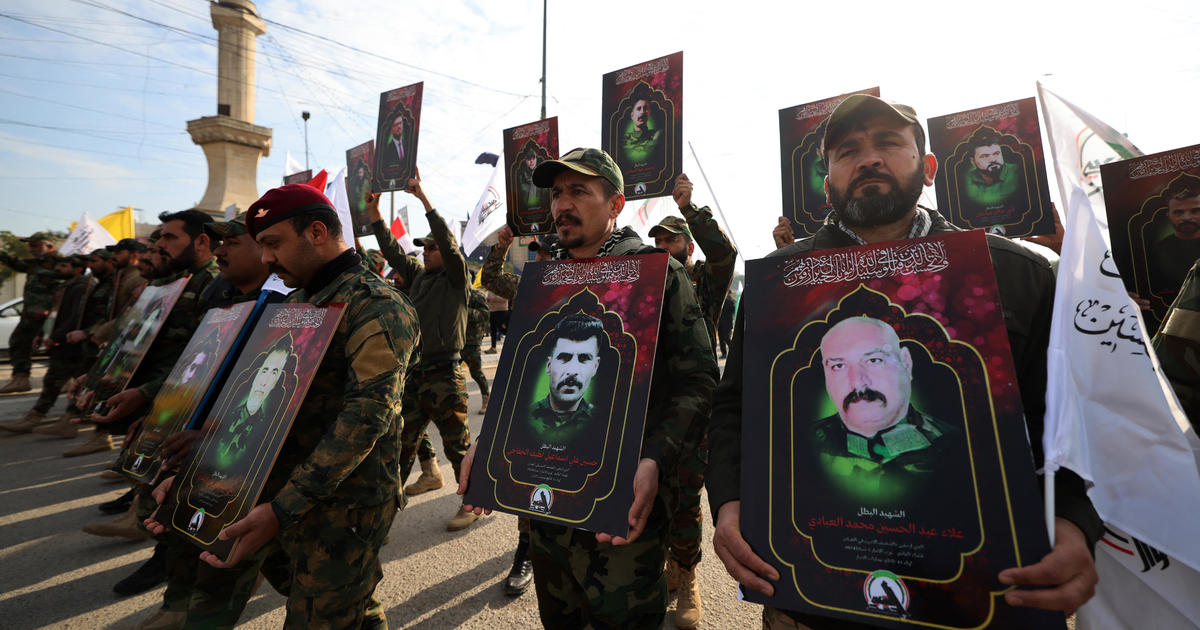
An Iran-backed militia group in Iraq claimed responsibility for a drone strike on a base in eastern Syria used by U.S. troops, killing six American-allied Kurdish fighters, in response to U.S. airstrikes against the militias in the region. The U.S. has also launched strikes against Houthi rebels in Yemen, who have been targeting ships in the Red Sea, as part of ongoing retaliation against Iran's affiliates across a wide geographical area. The groups claim to be attacking U.S. and Israeli interests in solidarity with Palestinians amid the Israel-Hamas war, and the U.S. has vowed to continue retaliating for any attacks by these groups.
President Biden has vowed to respond after three U.S. soldiers were killed in an attack on a small American base in Jordan, near the border with Syria, claimed by an Iran-backed group called Islamic Resistance in Iraq. There are approximately 40 militant groups backed by Iran in the Middle East, including the Houthis in Yemen and Hezbollah in Lebanon. These groups aim to ensure the survival of the Syrian regime and closely monitor U.S. activities in the region. Iran supports these groups in various ways, including funding and providing weapons. The attack on the U.S. base is seen as an escalation connected to the ongoing conflict between Israel and Hamas. The U.S. has vowed to retaliate while emphasizing the priority of avoiding a wider war in the region.
The Houthi movement's escalating attacks in the Red Sea have garnered unprecedented international attention and support from Iran, as the group aims to increase its power in the region and project influence across the Middle East. The partnership between the Houthis and Iran poses challenges for the United States, which has struggled to thwart their plans through military strikes. Diplomatic efforts to halt the war in Gaza and stabilize the region's security framework are seen as crucial in containing the growing conflict and managing the Houthi-Iranian partnership.
Yemen's Houthi rebels targeted a U.S. warship, USS Carney, with a missile in the Gulf of Aden, prompting the ship to shoot down the projectile, while also striking a British merchant vessel, M/V Marlin Luanda, causing a major fire. The attacks mark an escalation in the ongoing confrontations at sea, with the U.S. conducting airstrikes against the Houthis to degrade their capabilities. The rebels have been targeting ships in the Red Sea and surrounding waters, disrupting global trade, and have now threatened to target American and British vessels as well.
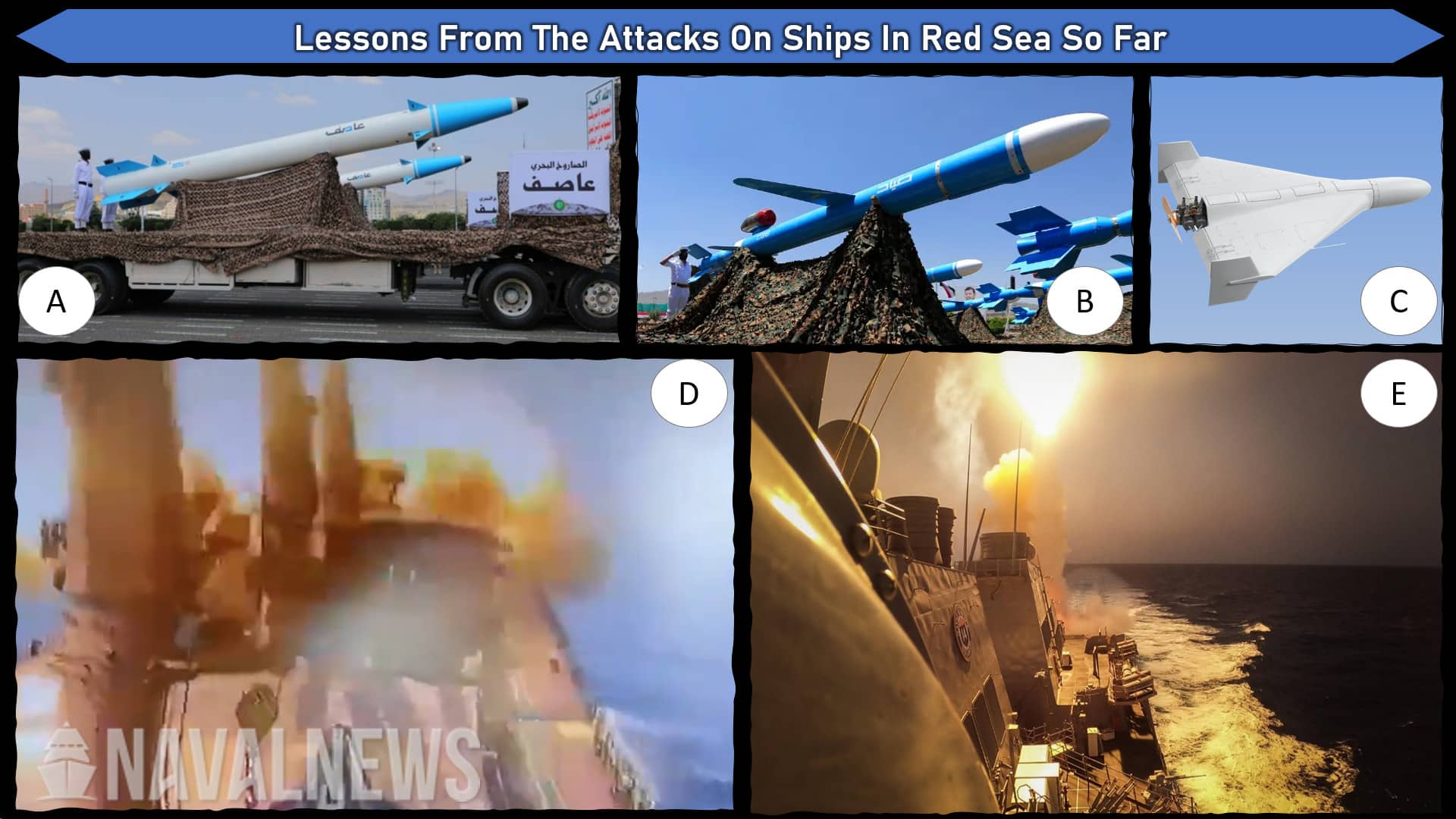
Ongoing attacks on ships in the Red Sea by the Houthi Movement and Iran have revealed several key lessons, including the development of modular anti-ship ballistic missiles, low-cost simplified cruise missiles, the use of drones against ships, the limitations of "dark ships," the survivability of merchant ships, the importance of air defense for naval vessels, the limited effectiveness of deterrence, the underestimated Iranian technology, and the unpredictability of future developments in the conflict.
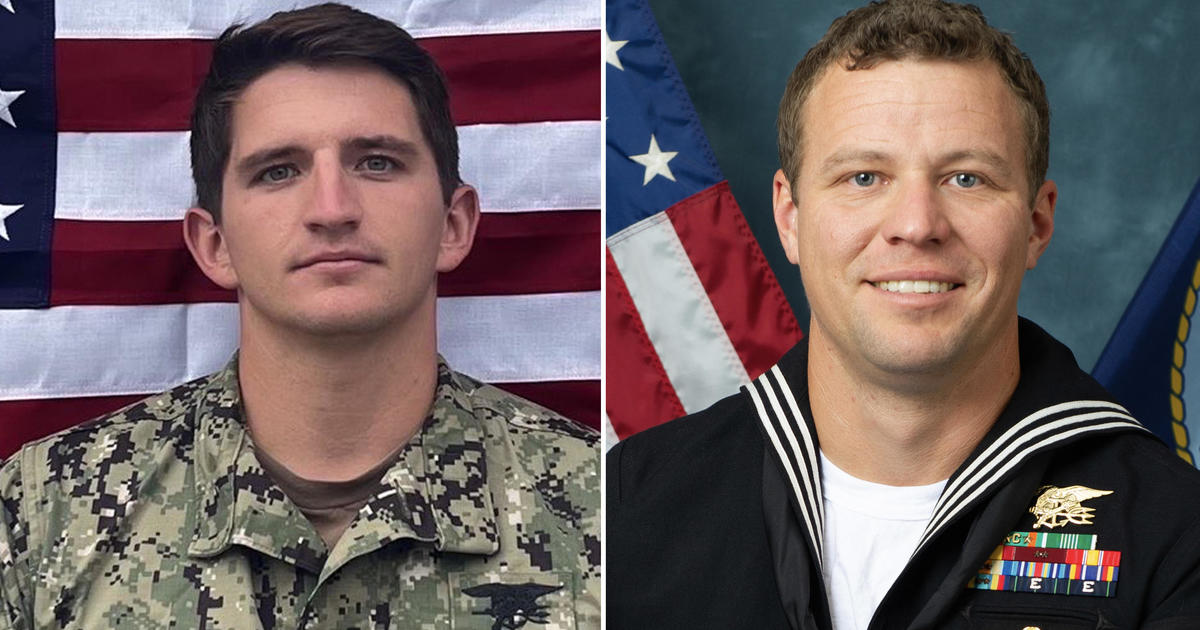
Two Navy SEALs, Christopher J. Chambers and Nathan Gage Ingram, who went missing during a mission to board a ship carrying Iranian weapons near the coast of Somalia are considered dead, with recovery efforts underway. The U.S. military seized "advanced lethal aid" being sent to supply Houthi rebels in Yemen during the raid, and the ship was subsequently sunk. The missing SEALs were identified and praised for their service, while the Biden administration declared Yemen's Houthi rebels to be a "specially designated global terrorist group."