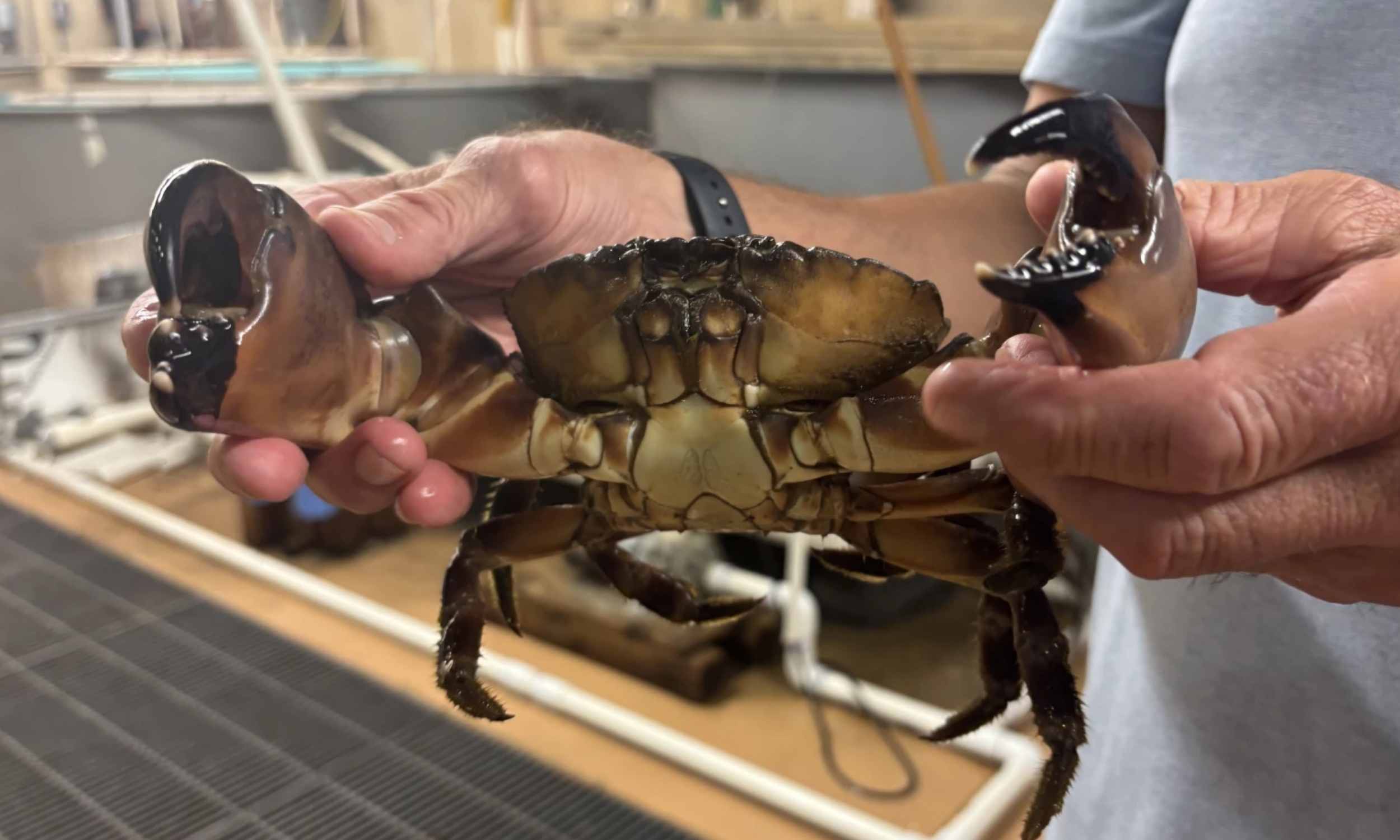
Virginia scientists confirmed the first sighting of stone crabs in Chesapeake Bay, likely due to warming ocean temperatures that facilitate the poleward migration of tropical species, indicating a broader impact of climate change on marine ecosystems along the Atlantic coast.
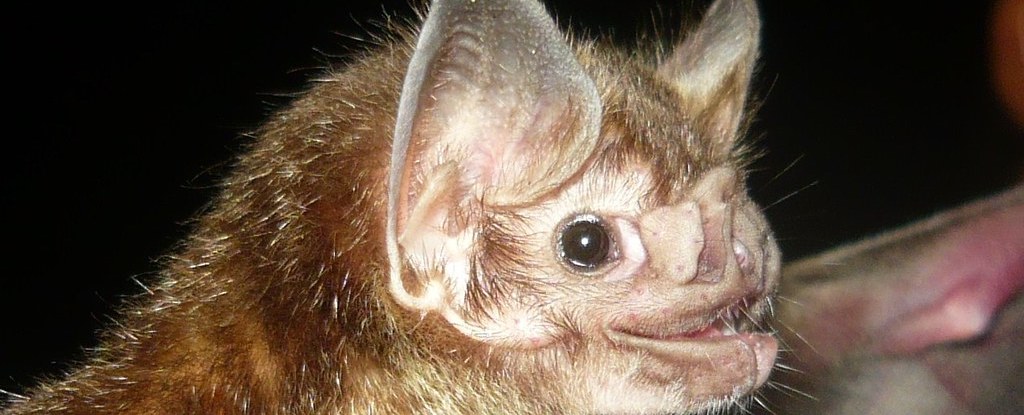
Vampire bats, known carriers of diseases like rabies, may soon expand their range into the southern United States due to human-induced global warming, according to a study. The research suggests that warming climates in southern regions of the US could attract vampire bats, potentially leading to the spread of diseases to wildlife, livestock, and even humans. The study highlights the historical northward movement of vampire bats in response to past climate change and the increase in rabies cases in Latin American countries. While the arrival of vampire bats alone may not be alarming, their ability to transmit diseases, particularly to livestock, poses a significant concern. The study emphasizes the need to track the movement of vampire bats and their potential impact on disease transmission.
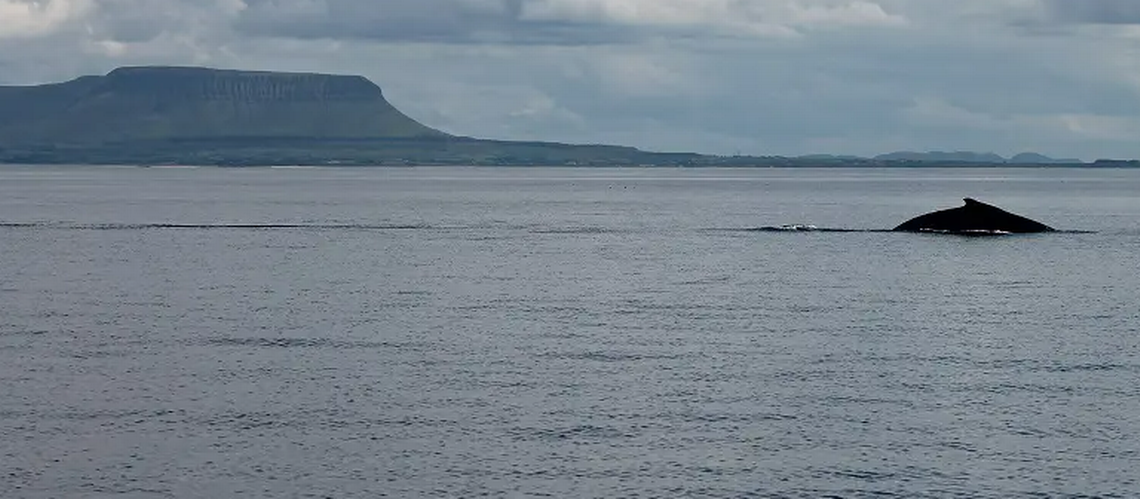
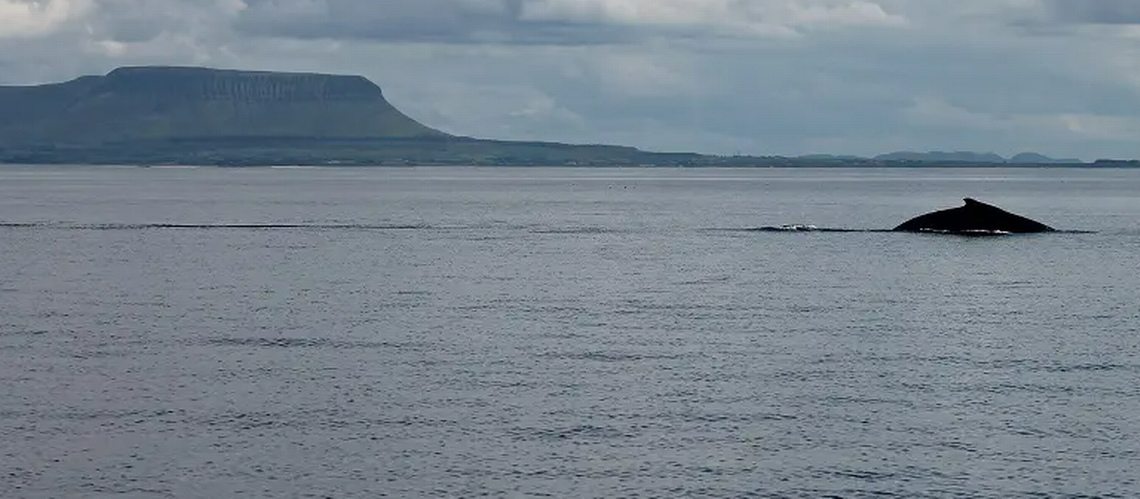
A humpback whale known as HBIRL24 put on a 30-minute show in Donegal Bay, Ireland, during a feeding frenzy with other whales and dolphins. Experts have noticed a "complete shift" in humpback whale sightings as they move north, with 11 validated sightings in Northwest Ireland since June 1. This could be evidence of "range expansion" among the Irish cohort of humpbacks, which could provide more opportunities for whale watching enthusiasts in the area.