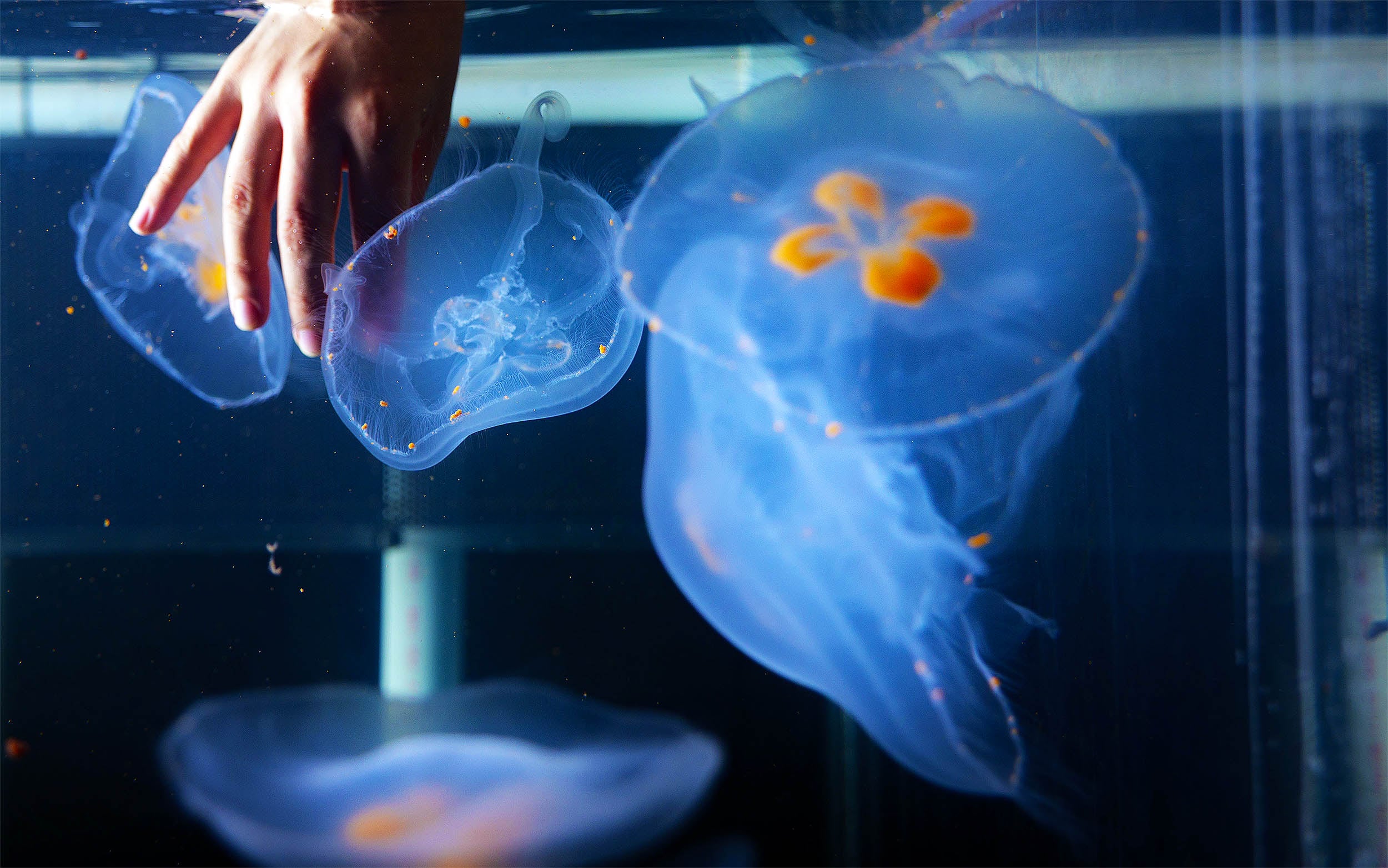
Scientists have developed 'cyborg' moon jellyfish by attaching electronic devices to steer and equip them with sensors, enabling the study of deep-sea environments and climate change effects more efficiently and ethically, leveraging the jellyfish's natural resilience and energy efficiency for ocean exploration.
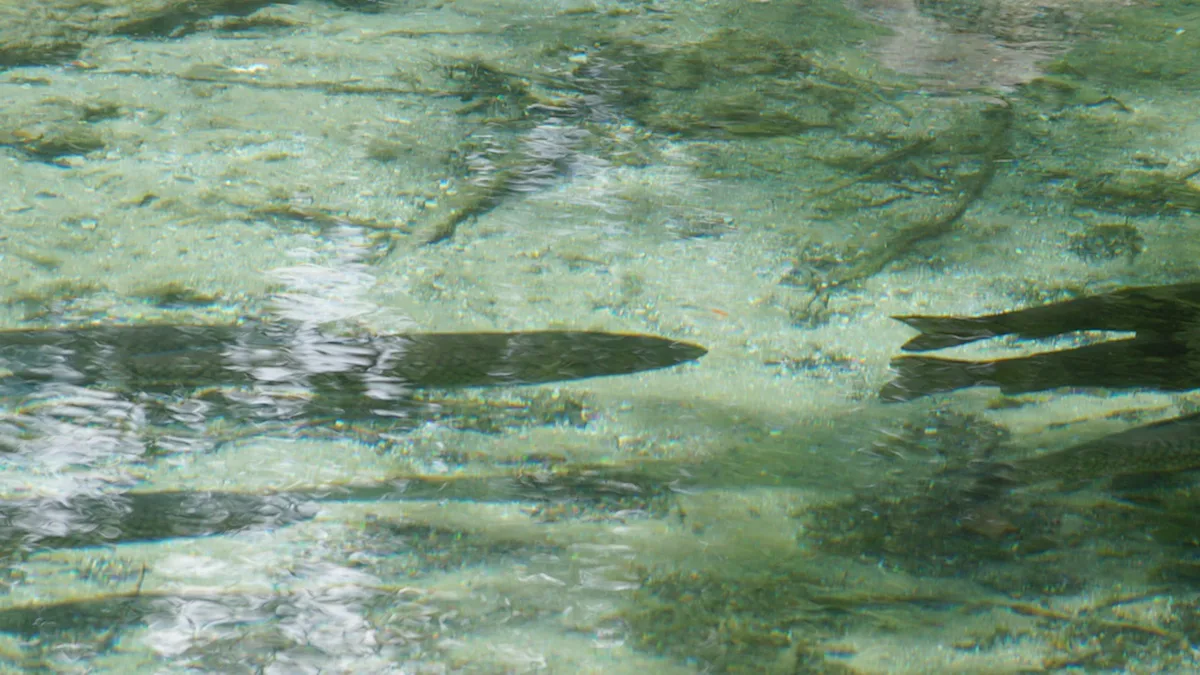
Scientists captured the first-ever footage of the elusive roughskin dogfish in the Caribbean, expanding knowledge of its distribution and highlighting the importance of noninvasive video methods for deep-sea biodiversity research and conservation.
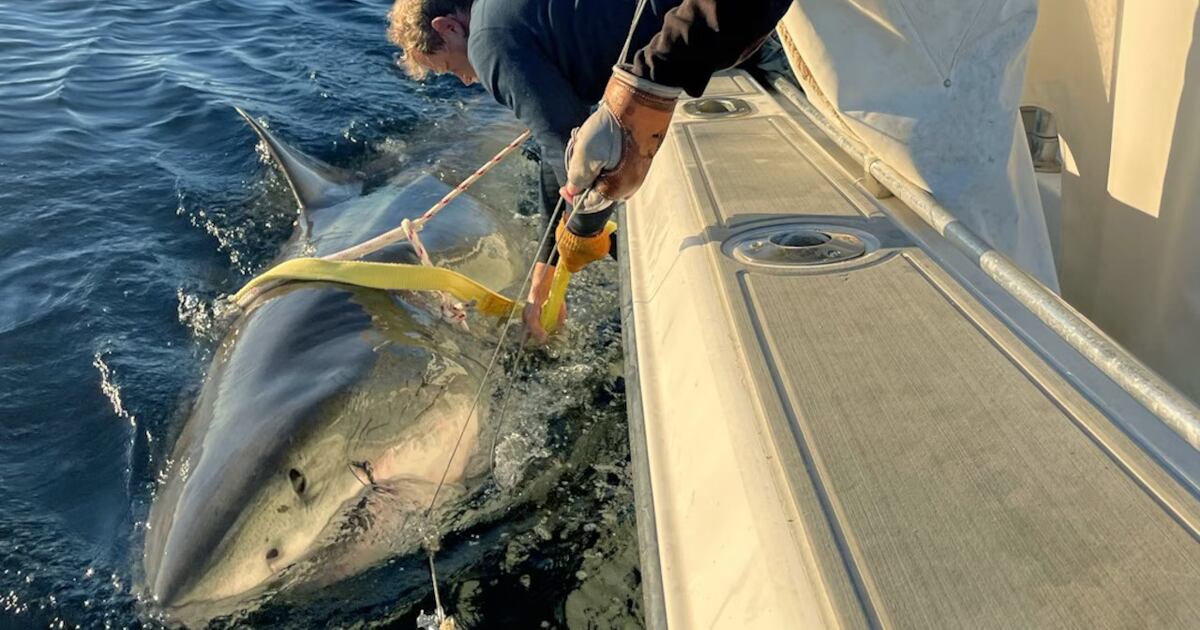
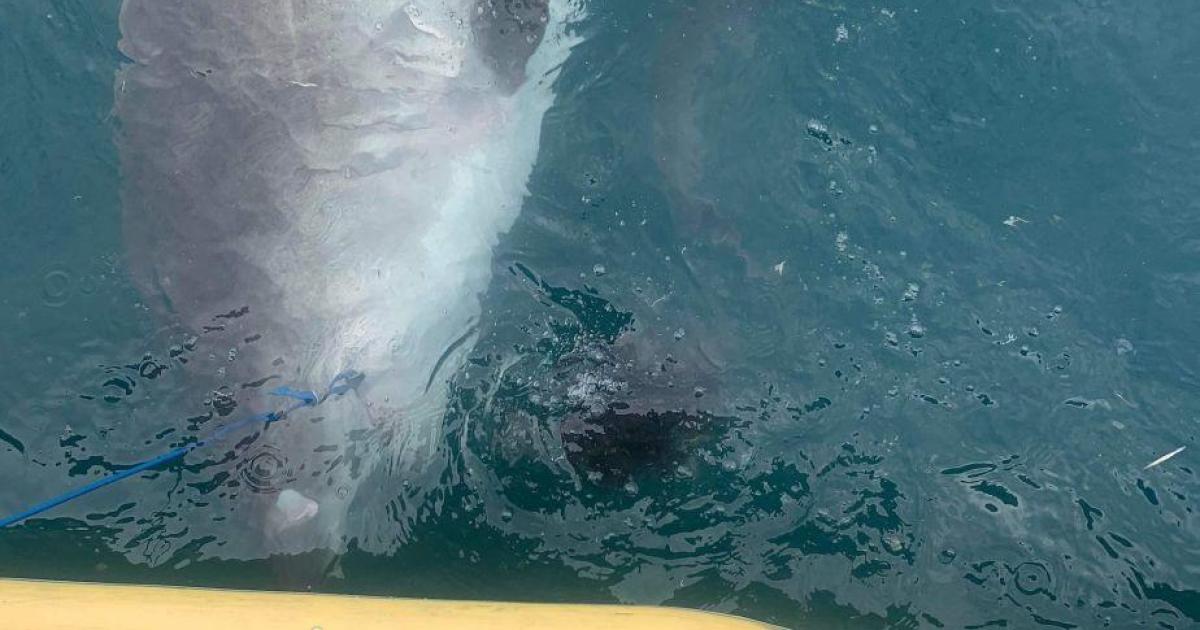
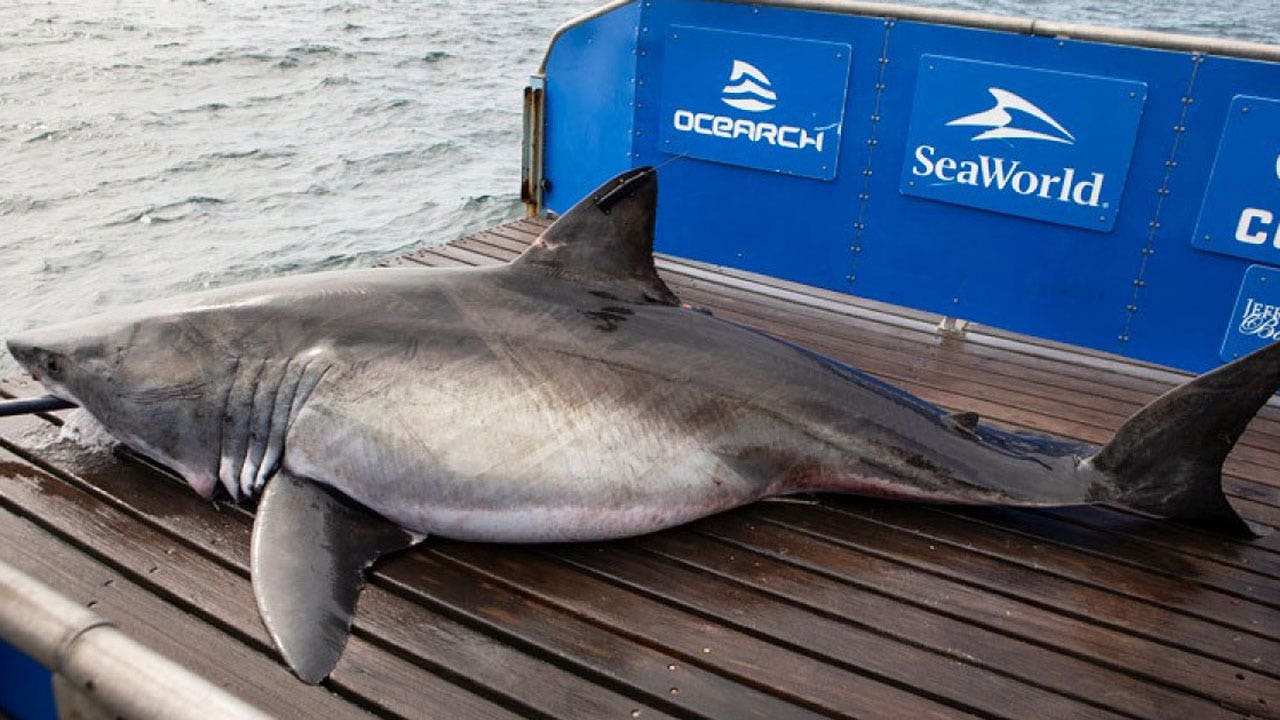
Researchers have spotted their largest recorded Great White Shark, nicknamed 'Contender,' off the coast of Nantucket, measuring over 13.5 feet and weighing more than 16,000 pounds. The shark, tagged earlier in Florida, has migrated northward along the Atlantic coast, and scientists plan to track it for five more years to study shark migration patterns amid increasing white shark populations due to climate change. Despite the presence of large sharks, Massachusetts has had only one fatal attack this century.
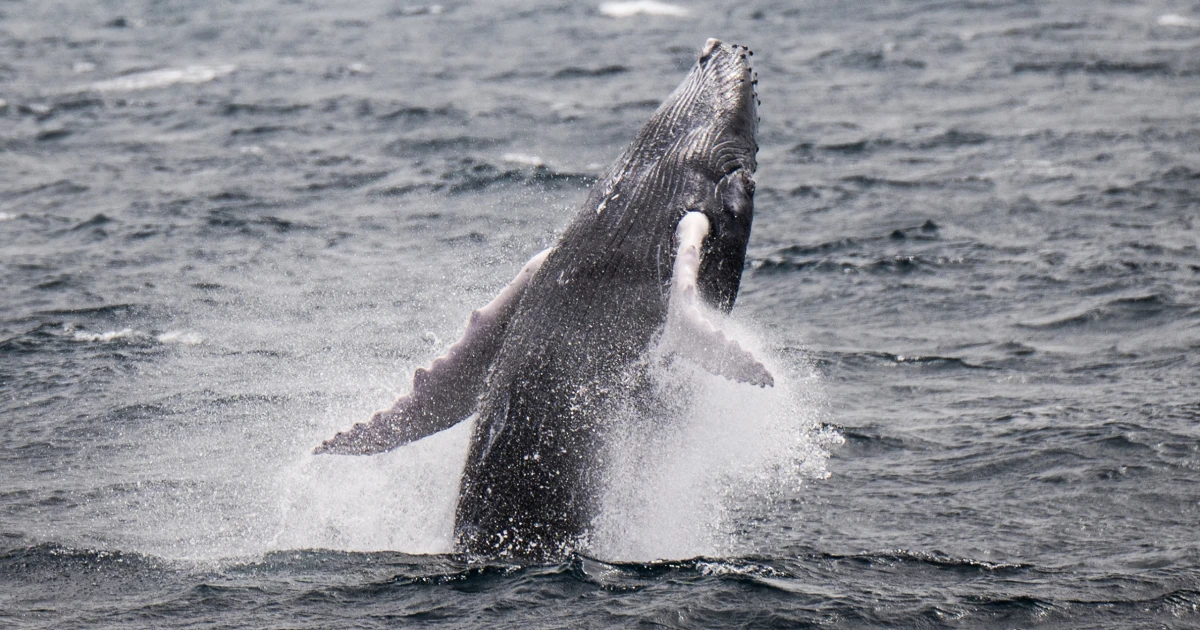
A humpback whale has set a record for the longest known migration between breeding grounds, traveling over 8,000 miles across three oceans. This journey, documented in the journal Royal Society Open Science, may be influenced by climate change affecting ocean conditions and food availability, or changes in mating strategies. The whale was first spotted off Colombia in 2013 and later off Zanzibar in 2022. The research highlights the extensive migrations of humpback whales and utilizes citizen science and AI to track whale movements globally.
Australian scientists were shocked when a tiger shark they were tagging regurgitated a dead echidna, a spiky land-loving creature, off the coast of Orpheus Island. The incident occurred during a research project by James Cook University aimed at understanding marine life behavior. The shark was unharmed and released back into the water with an acoustic tracker.
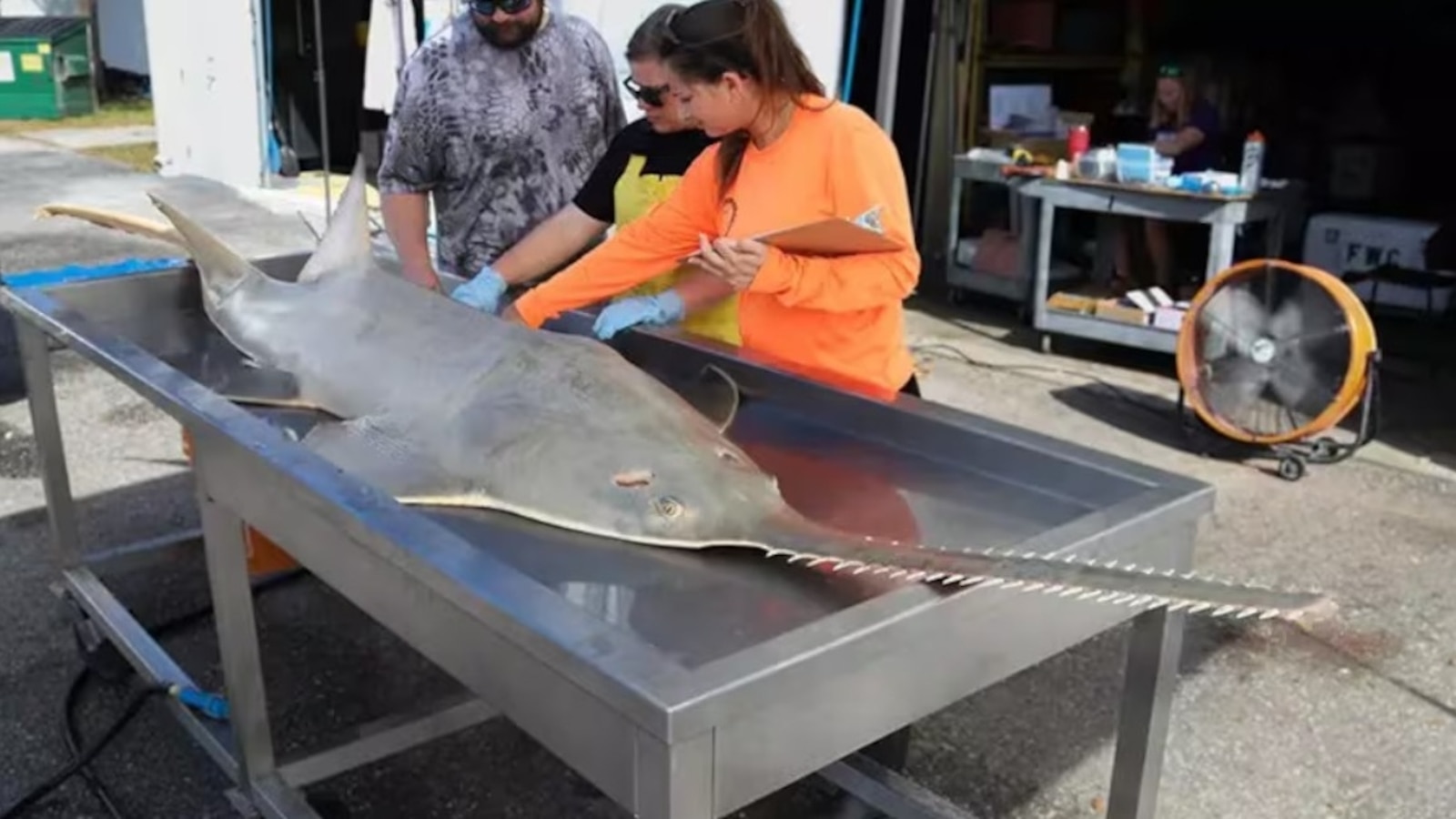
Scientists are puzzled by the mysterious deaths of hundreds of fish, including the critically endangered smalltooth sawfish, washing up on South Florida shores. The fish are exhibiting abnormal behavior, spinning and whirling onto shore, and researchers are unable to determine the cause despite extensive testing. The Florida Fish and Wildlife Commission and other agencies are working to solve the environmental mystery, with concerns raised about potential harmful algal blooms or neurotoxins. Efforts to rescue sick sawfish are underway, as the population has been severely impacted by habitat loss and fishing bycatch. Residents are advised not to consume fish from affected areas, and public participation in reporting unusual fish behavior is encouraged.
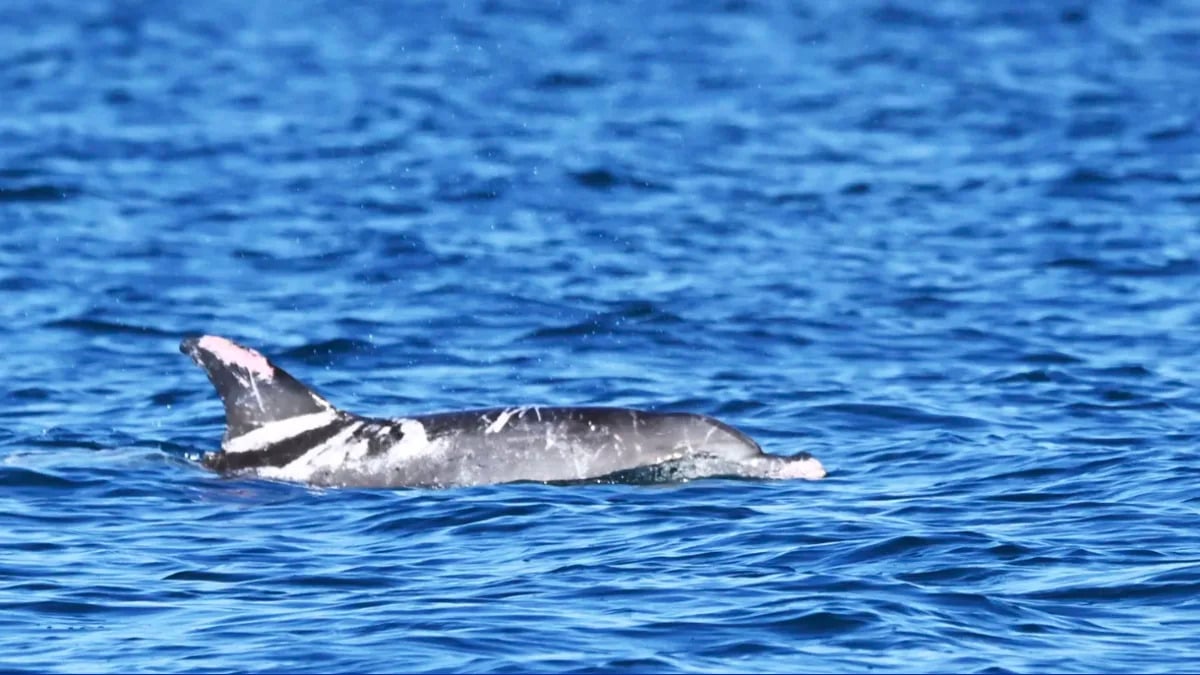
Researchers in Australia have discovered a rare coloration on a bottlenose dolphin, which they believe is caused by an extremely rare skin condition called piebaldism. The dolphin, named Speckles, is one of only six photographed cases of dolphins with this condition in the world and the first documented case in Australia. The discovery, published in the scientific journal Aquatic Mammals, has left researchers excited as they hope to learn more about this unique condition through genetic sampling and further observation.
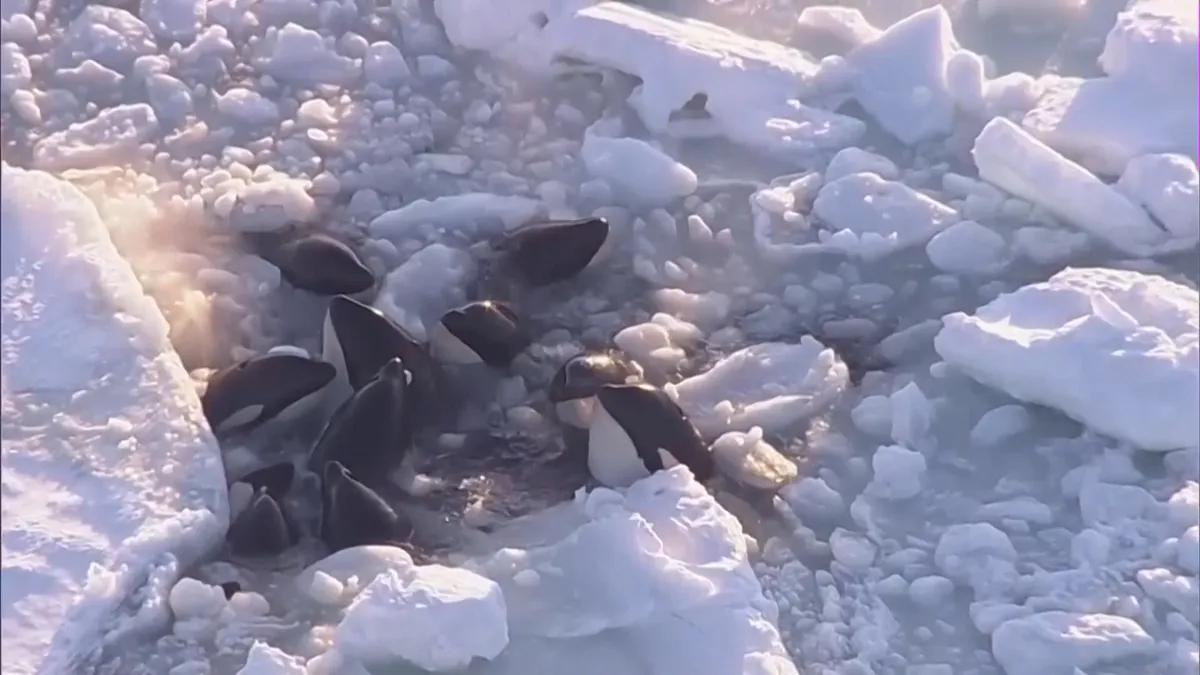
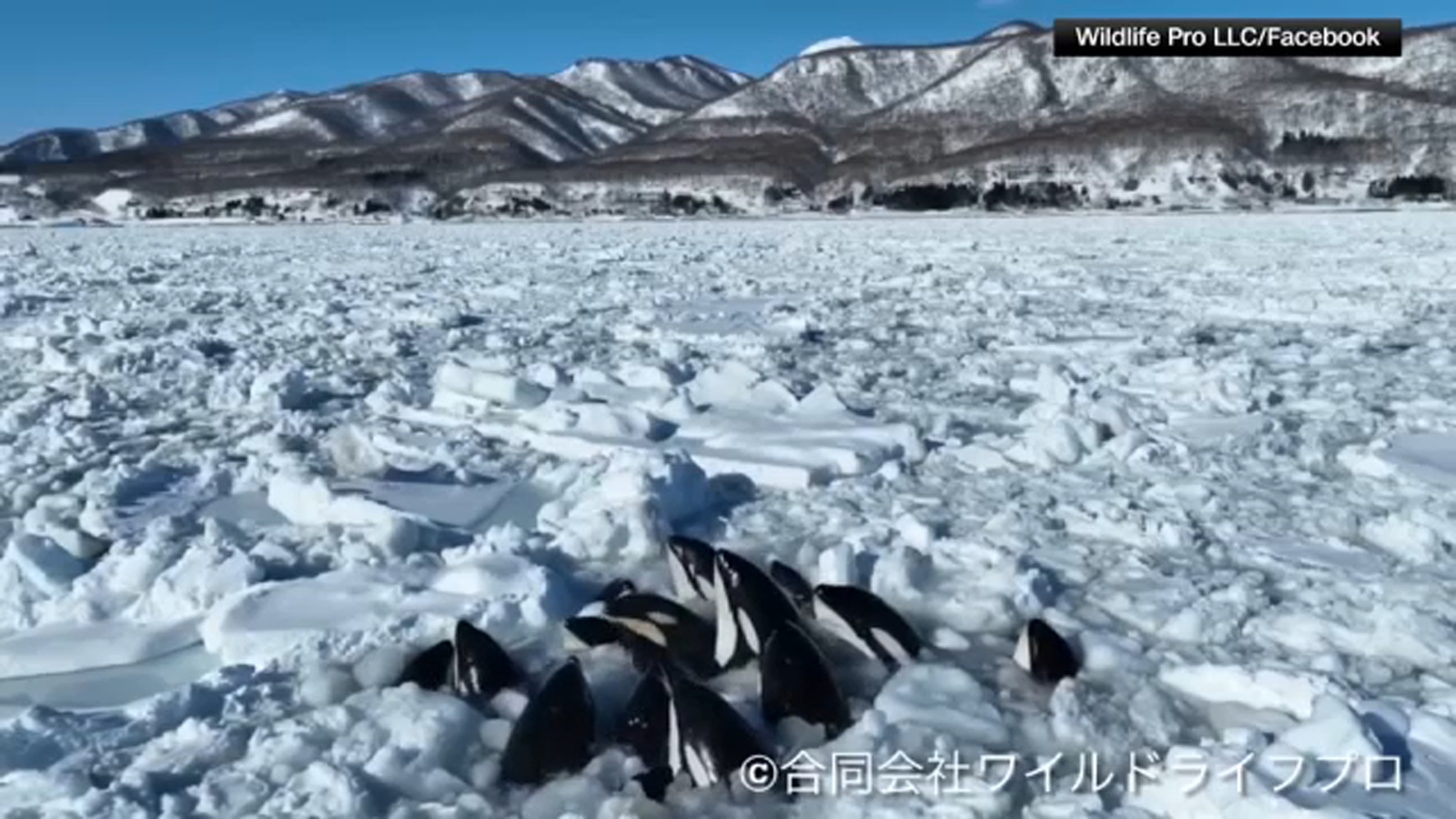
A pod of at least 10 orcas was trapped by sea ice near the coastal town of Rausu in northern Japan, but was nowhere to be found the following day, leaving officials hopeful that they were able to free themselves. Drone footage initially spotted the pod, including four calves, struggling to breathe as they poked their heads out of a small section where the ice broke up. Despite the ice floes appearing to have loosened, the seas remain packed with ice floes, posing potential dangers to the trapped orcas.
A pod of at least 10 killer whales is trapped by sea ice off Japan's Hokkaido island, with officials unable to rescue them and hoping for the ice to break up naturally. Drone footage shows the whales struggling to breathe in a small gap between ice flows, with declining sea ice levels attributed to global warming. This situation is reminiscent of a 2005 incident where a group of killer whales trapped in drift ice off the same coast later died.
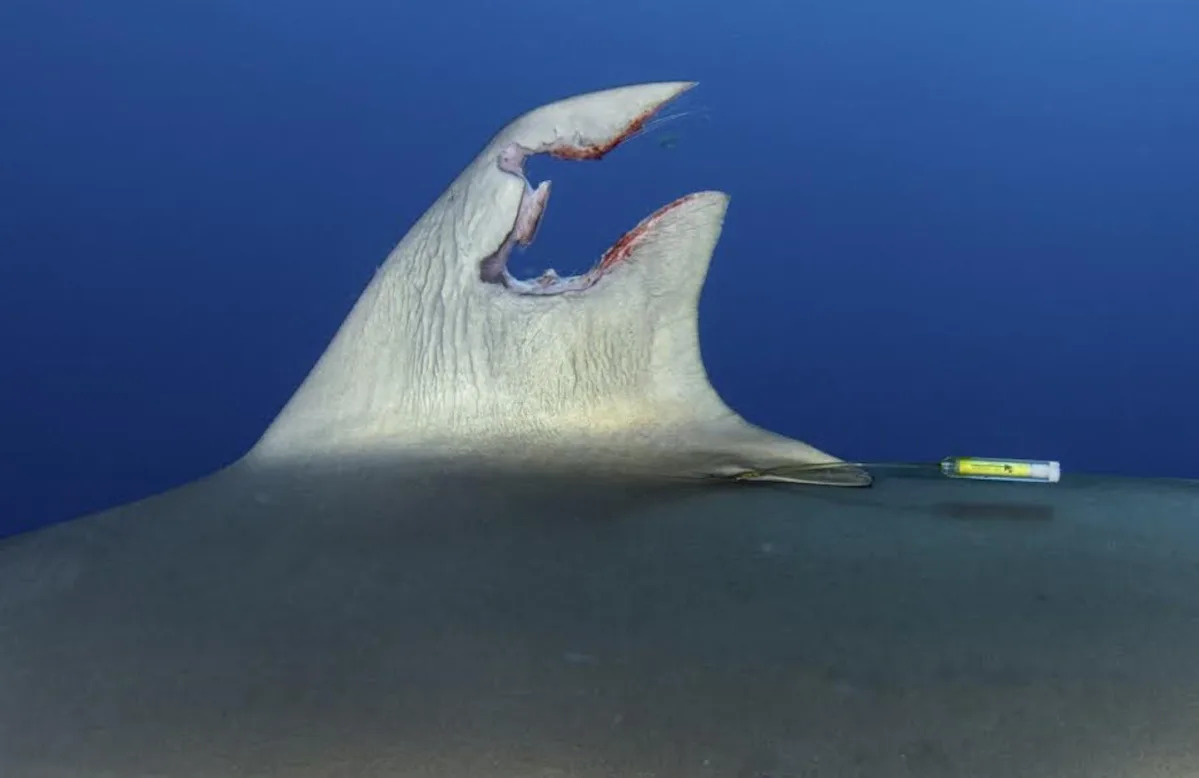
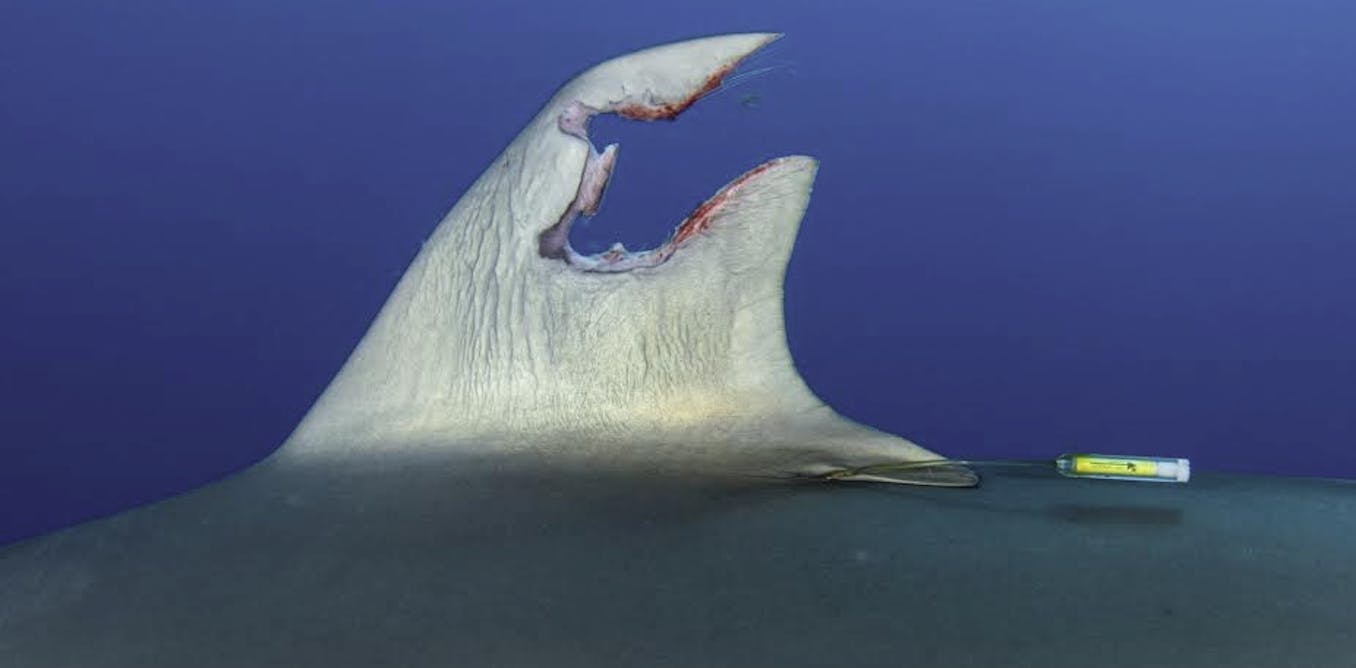
While studying the migration of silky sharks off the coast of Florida, researcher Chelsea Black accidentally documented the rare phenomenon of a shark regenerating a sabotaged dorsal fin. After tagging the sharks for her Ph.D. research, she discovered one of the tagged sharks with a large wound in its dorsal fin, likely caused by human interference. A year later, the shark was spotted with a completely healed and 10.7% larger dorsal fin, showcasing an extraordinary feat of regeneration. This discovery sheds light on the remarkable resilience of sharks and highlights the importance of wildlife protection and conservation efforts.
While studying the migration patterns of silky sharks off the coast of Jupiter, Florida, a researcher inadvertently documented the rare phenomenon of a shark regenerating a dorsal fin that had been sabotaged by human interference. The injured shark, tagged as #409834, was found to have completely healed and regenerated more than half of its dorsal fin within 332 days, showcasing the species' remarkable resilience and ability to endure. This discovery sheds light on the extraordinary healing capabilities of sharks and underscores the importance of conservation efforts for these ancient and resilient creatures.
OCEARCH, a marine research organization, has tracked the movement of a massive 1,700-pound great white shark named Mahone off the coast of Georgia. Mahone was initially tagged in October 2020 near Lunenburg, Nova Scotia, and has since traveled over 17,800 miles. OCEARCH's current expedition aims to learn more about white sharks as they migrate to the southeast United States for winter residency and understand their reproductive cycle. The organization has successfully tagged 92 white sharks in the western North Atlantic and aims to reach a goal of 100 sharks sampled, tagged, and released.
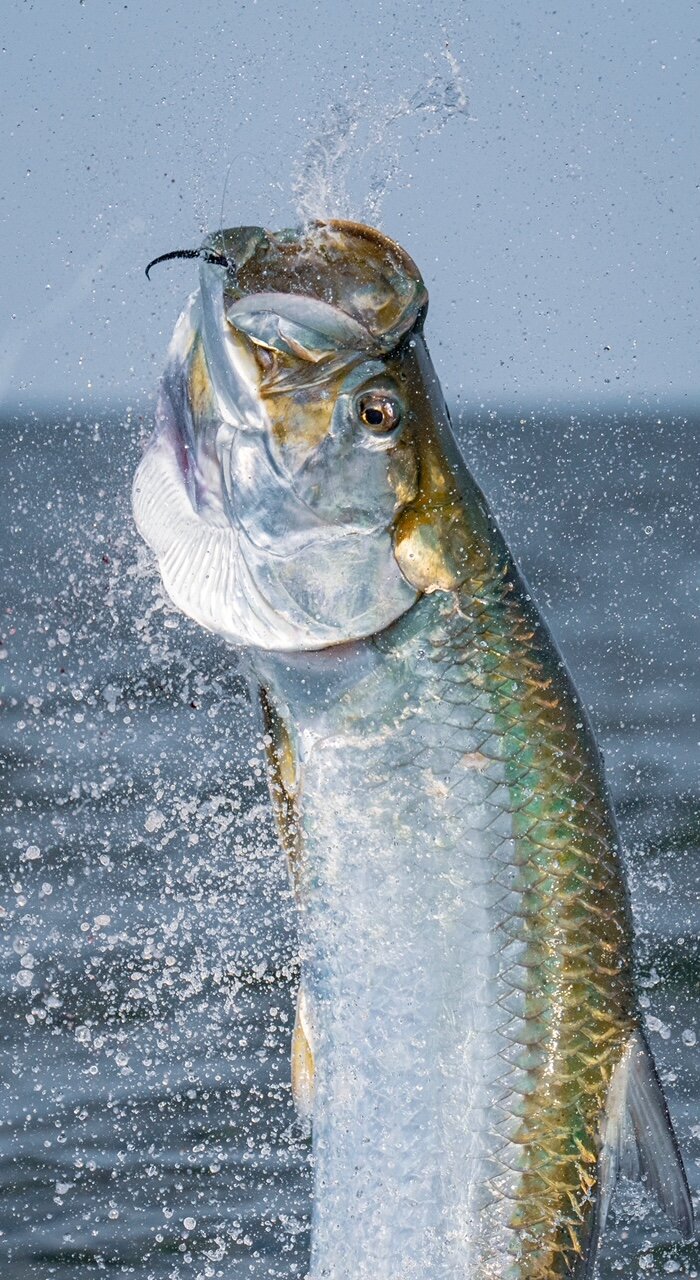
Researchers from the University of Massachusetts have conducted a groundbreaking study on tarpon migration, using a network of acoustic receivers to track the movements of 200 tarpon over five years. The study revealed two distinct subgroups of tarpon, with one group migrating up the Southeast coast and the other heading for the Gulf of Mexico. This finding has important implications for conservation efforts, as different groups of tarpon face different threats along their migration routes. The research highlights the need for regional conservation policies and management strategies to protect this iconic fish species.
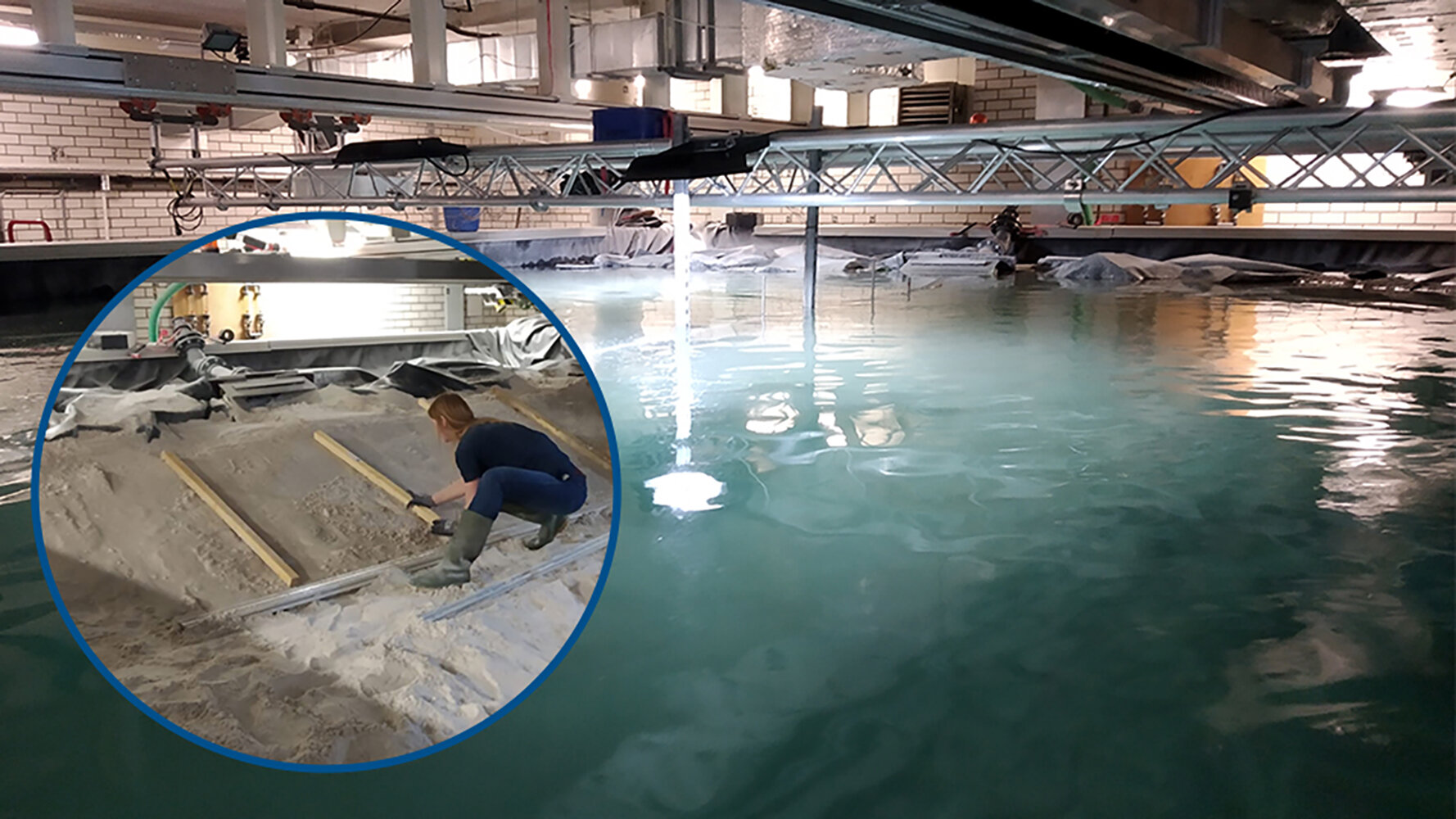
Researchers from the University of Bremen have conducted flume-tank experiments to simulate how ocean currents shape the seafloor and control sediment deposition. These experiments provide insights into past marine conditions and help in reconstructing climate history. The study focuses on contourites, sediment deposits formed by near-bottom currents, which contain valuable information about past ocean conditions. The experiments aim to better understand the mechanisms behind contourite formation and their influence on the seafloor. The findings have potential applications in various fields, including paleoceanographic reconstructions, benthic ecology, and the study of microplastic particle transport in the ocean.
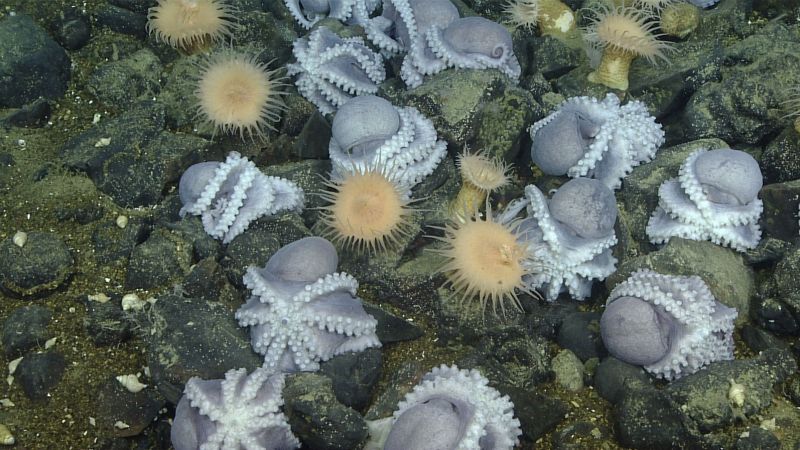
Scientists have solved the mystery of a large aggregation of octopuses found in the deep-sea near an underwater volcano off the coast of California. The researchers believe that the warm waters emanating from hydrothermal vents attract the octopuses to mate and nest, providing optimal conditions for their eggs to develop. The presence of adult males, females, developing eggs, and hatchlings indicates that the site is exclusively used as a breeding ground and nursery. The study found that the eggs hatched in less than two years, much quicker than expected. The researchers will continue to study the site and search for similar locations that could host other octopus gardens.