A new drug called GanLum shows promise as an effective alternative to artemisinin-based treatments for malaria, especially in areas facing resistance issues, potentially extending the lifespan of current therapies and saving lives.
Researchers in Uganda have found evidence of drug resistance in children with severe malaria, raising concerns about the effectiveness of artemisinin, a key treatment. The study, published in JAMA, indicates that some children are experiencing delayed parasite clearance, suggesting partial resistance. This is the first documented case of such resistance in African children with severe malaria, a condition that poses a high risk of death. The findings highlight the urgent need for new treatments and underscore the importance of malaria vaccines in combating the disease.
A study in Uganda has found evidence of partial resistance to the frontline malaria drug artemisinin in young children, raising concerns about the spread of drug-resistant malaria in Africa. The study, presented at a major conference, found that 11 out of 100 children showed signs of resistance, with some experiencing repeat infections. This resistance, previously observed in Southeast Asia, poses a significant threat to public health in Africa, where malaria is a leading cause of death among children.
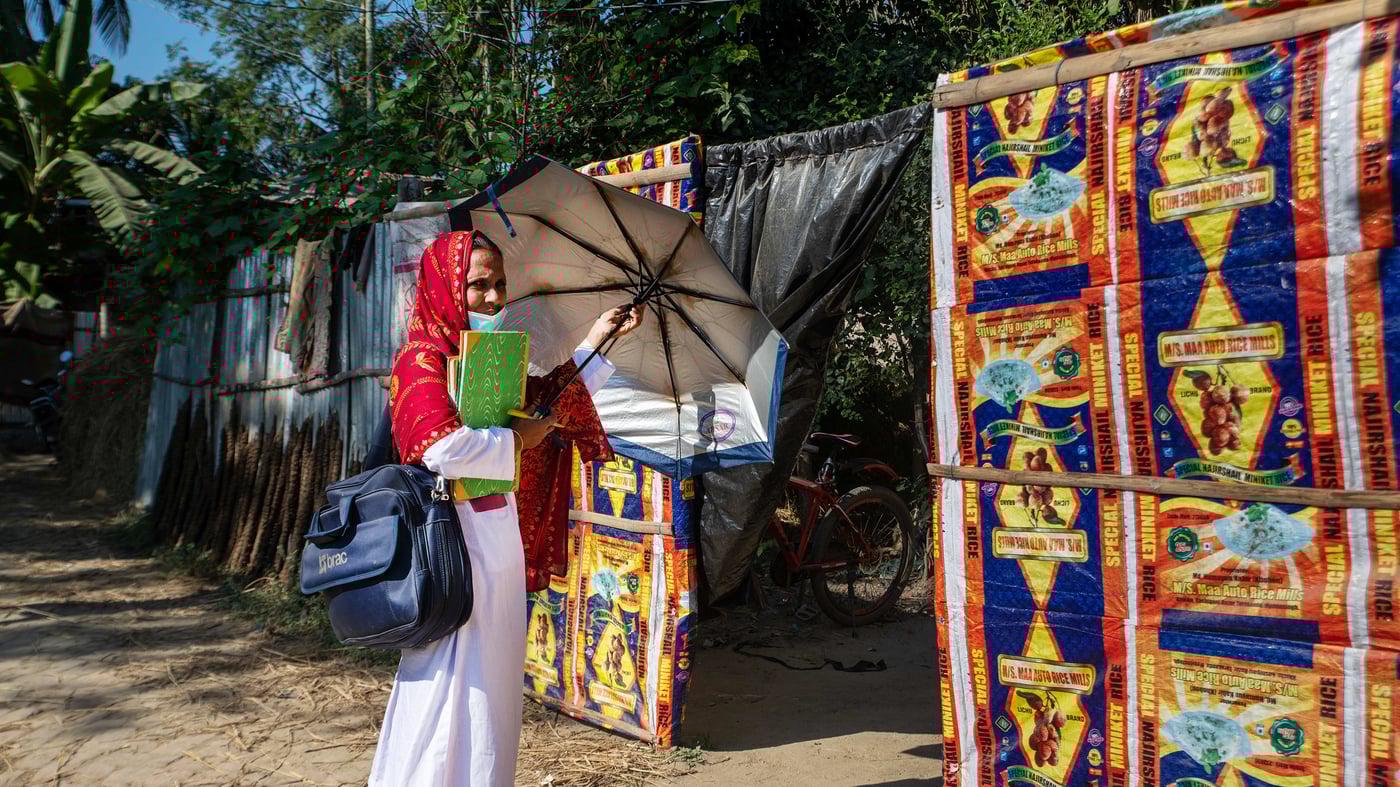
Bangladesh has made significant progress in its fight against malaria, with cases plummeting by 93% between 2008 and 2020, thanks to the use of the drug artemisinin and the efforts of community health workers who go door to door to diagnose and treat patients. However, there are concerns that a strain of the parasite resistant to artemisinin, which has appeared in neighboring Myanmar, could soon reach Bangladesh. Despite the progress, malaria remains a global health challenge, with over 600,000 deaths annually, mostly in Africa, and its footprint expanding due to climate change.