Tag

Magnetic Anomaly

All articles tagged with #magnetic anomaly

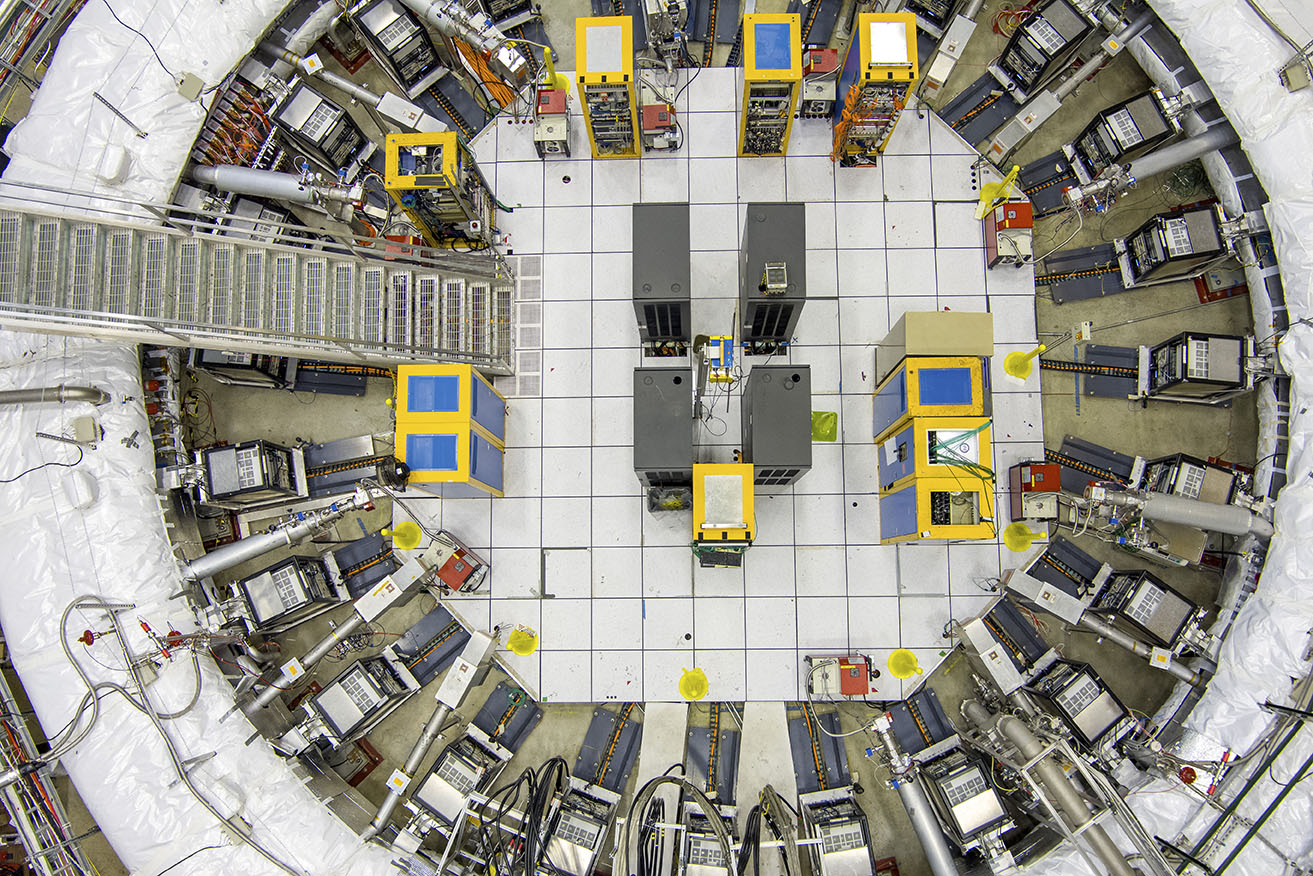
Muon g-2 experiment achieves most precise magnetic anomaly measurement

Originally Published 7 months ago — by Fermilab (.gov)

Featured image for Muon g-2 experiment achieves most precise magnetic anomaly measurement
Source: Fermilab (.gov)

Scientists at Fermilab have achieved the most precise measurement of the muon magnetic anomaly, confirming previous results with improved accuracy of 127 parts-per-billion, which provides a critical benchmark for testing the Standard Model and exploring potential new physics.

"Uncovering a Magnetic Anomaly Beneath New Zealand's Lake Rotorua"

Originally Published 1 year ago — by Interesting Engineering

Featured image for "Uncovering a Magnetic Anomaly Beneath New Zealand's Lake Rotorua"
Source: Interesting Engineering

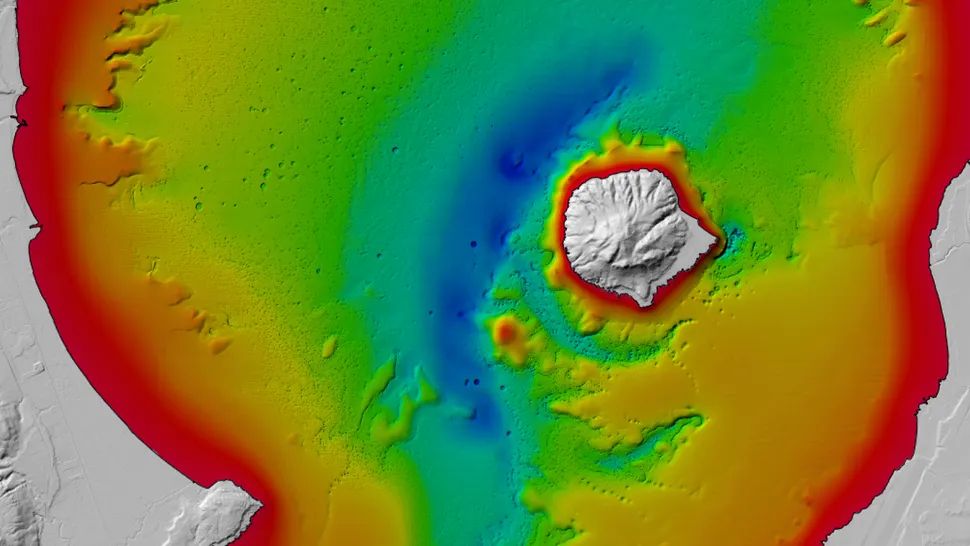
Detailed maps of Lake Rotorua in New Zealand have uncovered hidden subsurface features, including hydrothermal explosion craters, traces of an old river, and a significant magnetic anomaly in the lake's southern section. GNS Science researchers used various measurement techniques to probe beneath the lake's surface, revealing the presence of hydrothermal activity and pinpointing active regions.

"Uncovering a Magnetic Anomaly Beneath Lake Rotorua in New Zealand"

Originally Published 1 year ago — by Space.com

Featured image for "Uncovering a Magnetic Anomaly Beneath Lake Rotorua in New Zealand"
Source: Space.com

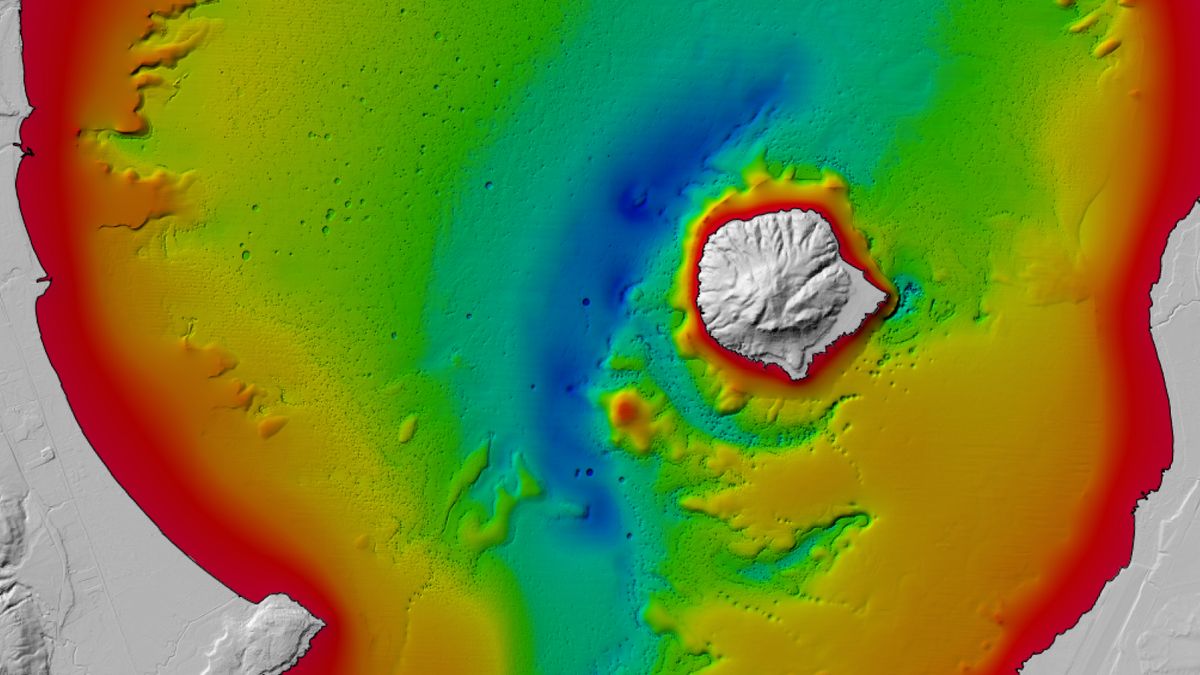
New maps have revealed a hidden hydrothermal system beneath New Zealand's Lake Rotorua, located in the crater of a dormant volcano. The maps, created by researchers at GNS Science, show eruption craters, an ancient river, and a large magnetic anomaly in the lake's southern part, indicating that the mainland hydrothermal systems extend into the lake's depths. The anomaly is likely due to hydrothermal fluids transforming highly magnetic minerals into fool's gold, severely diminishing the magnetic signal. Despite this activity, water temperatures near the lake's bottom remain cool due to the large size of the lake.

"Uncovering a Magnetic Anomaly Beneath Lake Rotorua in New Zealand"

Originally Published 1 year ago — by Livescience.com

Featured image for "Uncovering a Magnetic Anomaly Beneath Lake Rotorua in New Zealand"
Source: Livescience.com

New maps have revealed a hidden hydrothermal system beneath New Zealand's Lake Rotorua, uncovering eruption craters, an ancient river, and a large magnetic anomaly in the southern part of the lake. The anomaly is likely due to hydrothermal fluids transforming highly magnetic minerals into fool's gold, severely diminishing the magnetic signal. Despite this activity, water temperatures near the lake's bottom remain cool due to the lake's size, with enough cool water counteracting the heat from below.

Mysterious Magnetic Anomaly Found in Mesopotamian Bricks

Originally Published 2 years ago — by Giant Freakin Robot

Featured image for Mysterious Magnetic Anomaly Found in Mesopotamian Bricks
Source: Giant Freakin Robot

Scientists studying Mesopotamian bricks have discovered traces of a magnetic anomaly from the Levantine Iron Age, shedding light on the strength of Earth's magnetic field 3,000 years ago. By subjecting the bricks to extreme heat and comparing the original magnetic field with a recreated one, researchers were able to date the bricks and develop a new technique for dating ancient artifacts. This innovative method may revolutionize the field of archeology and provide insights into the periodic peaks of Earth's magnetic field throughout history.

NASA Investigates Mysterious Lunar Magnetic Anomaly with Advanced Spectrometer

Originally Published 2 years ago — by The Debrief

Featured image for NASA Investigates Mysterious Lunar Magnetic Anomaly with Advanced Spectrometer
Source: The Debrief

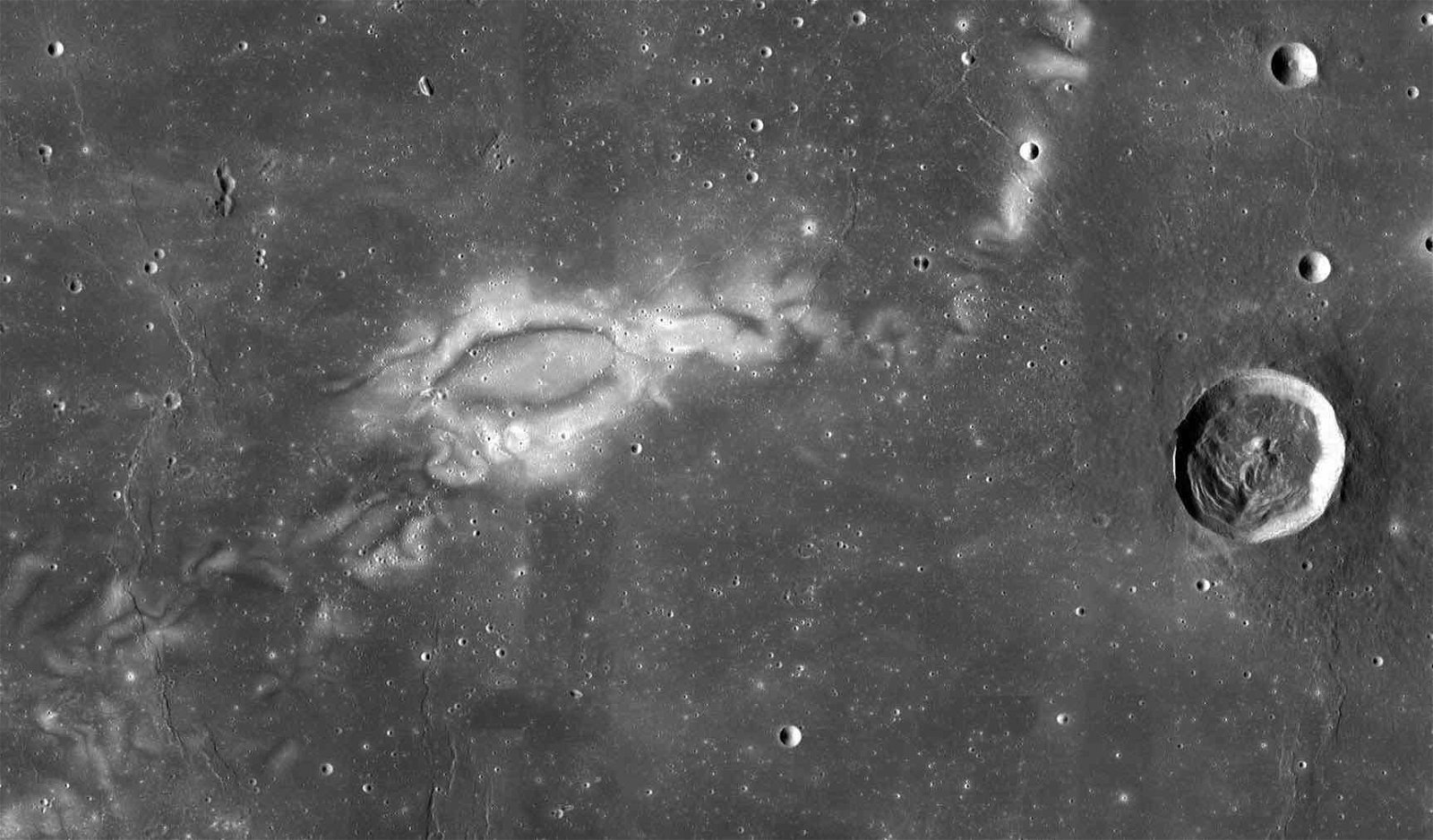
NASA is investigating an unexplained magnetic anomaly on the Moon's nearest-facing side using a next-generation plasma spectrometer called the Magnetic Anomaly Plasma Spectrometer (MAPS). Developed by Southwest Research Institute (SwRI), MAPS will be incorporated into NASA's Lunar Vertex lander for the upcoming Lunar Vertex investigation. The spectrometer will study the interaction between the solar wind and the Moon's surface materials, particularly in the Reiner Gamma region, which produces a localized magnetic field. MAPS aims to understand the influence of the magnetic anomaly on the solar wind and provide insights into the Moon's formation and evolution.