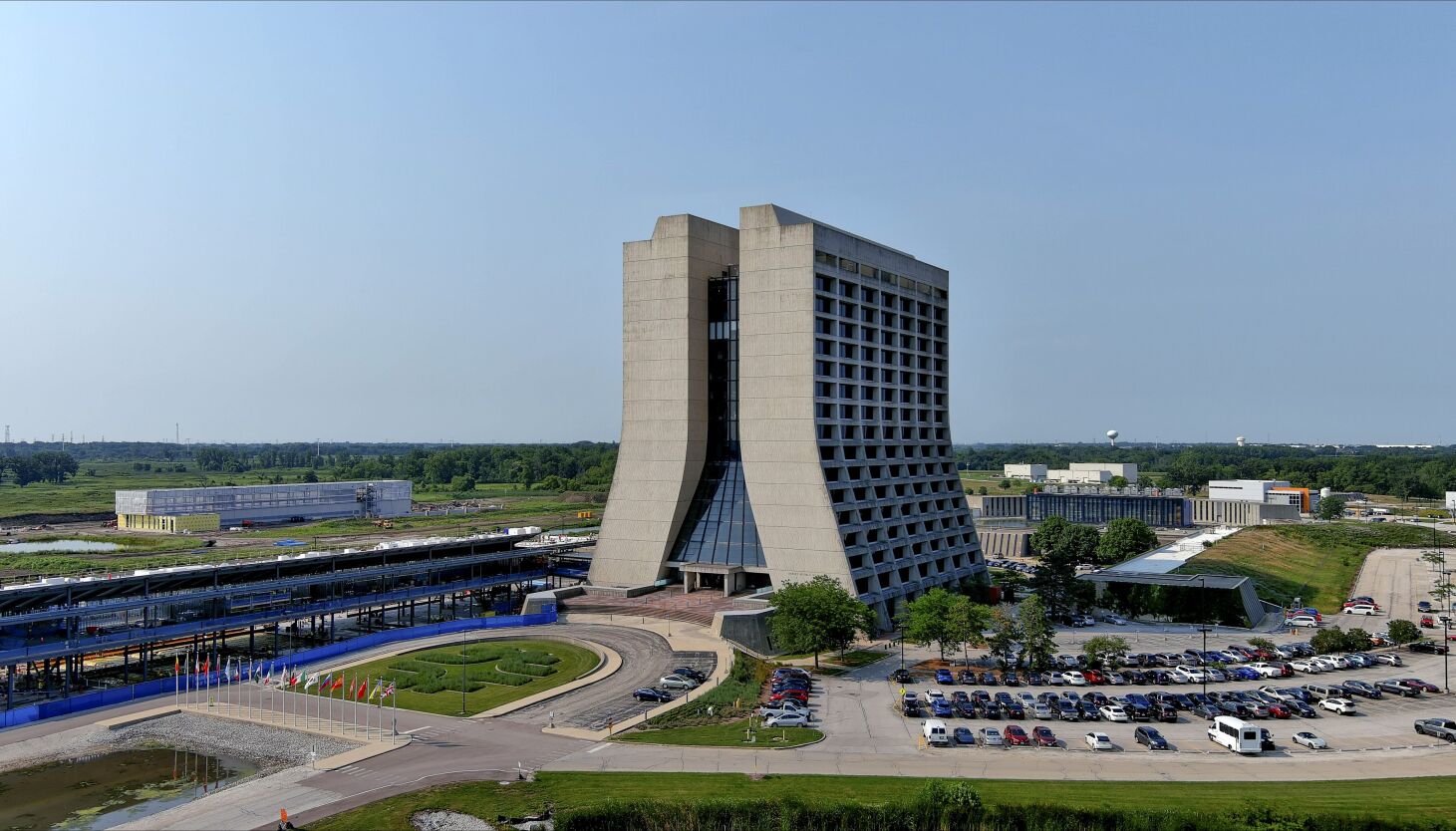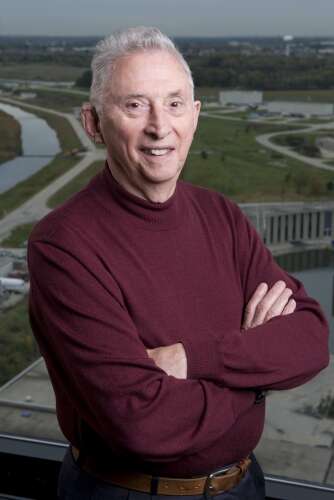
John Peoples, a key figure in particle physics and former director of Fermilab during the discovery of the top quark and the Tevatron's prominence, passed away at age 92. He contributed significantly to Fermilab's research and leadership, including the development of the antiproton source and supporting astrophysics programs.
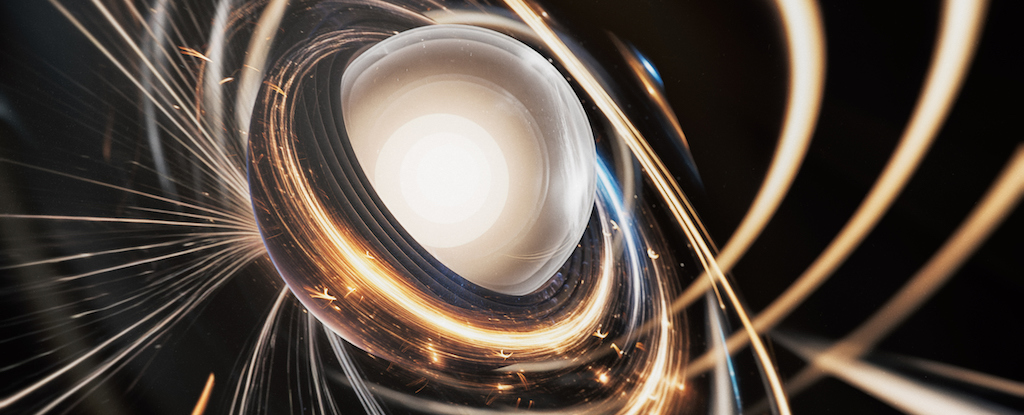
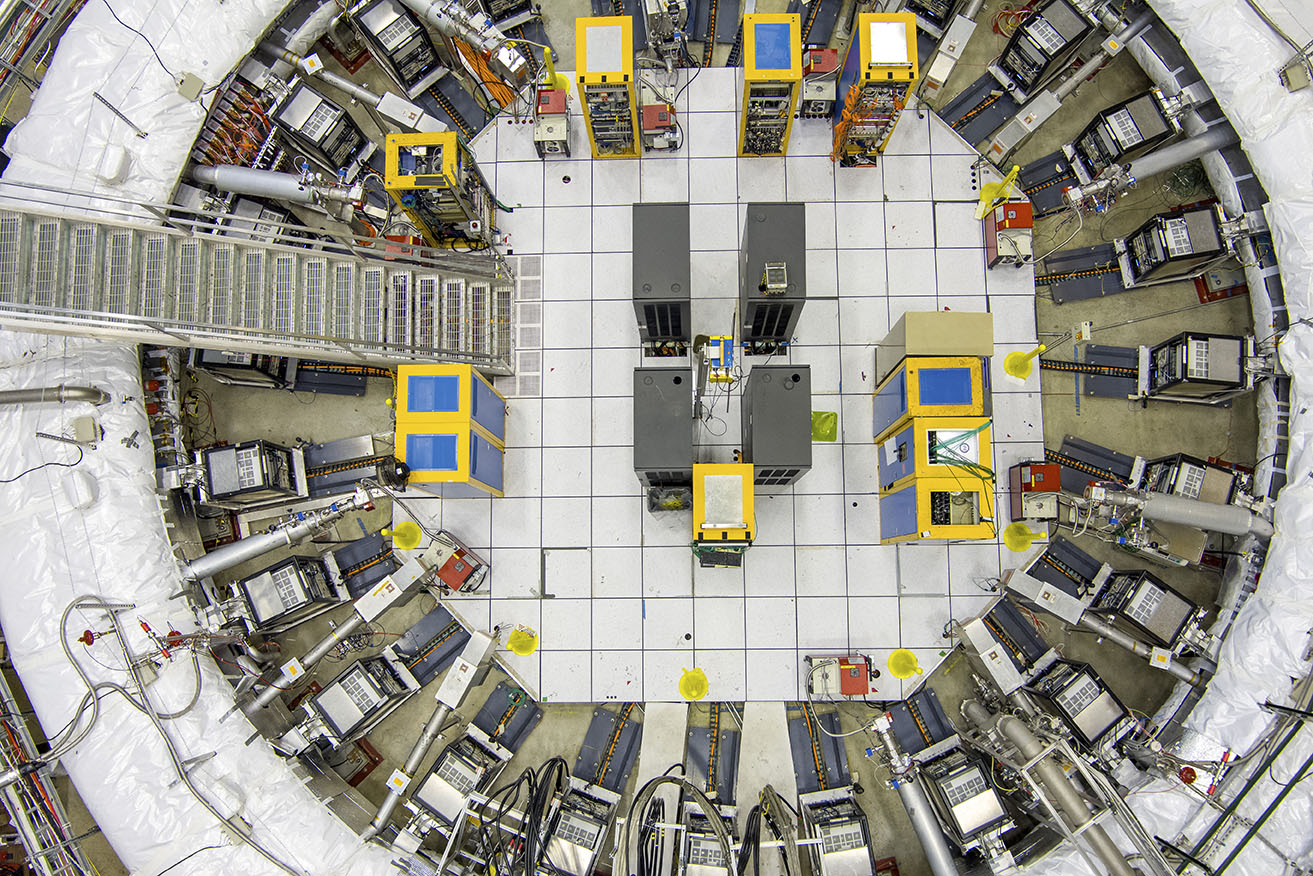
Fermilab's precise measurement of the muon's magnetic 'wiggle' aligns closely with the Standard Model, suggesting no new exotic physics is involved, though the muon's behavior continues to be a key probe for potential new particles or forces.
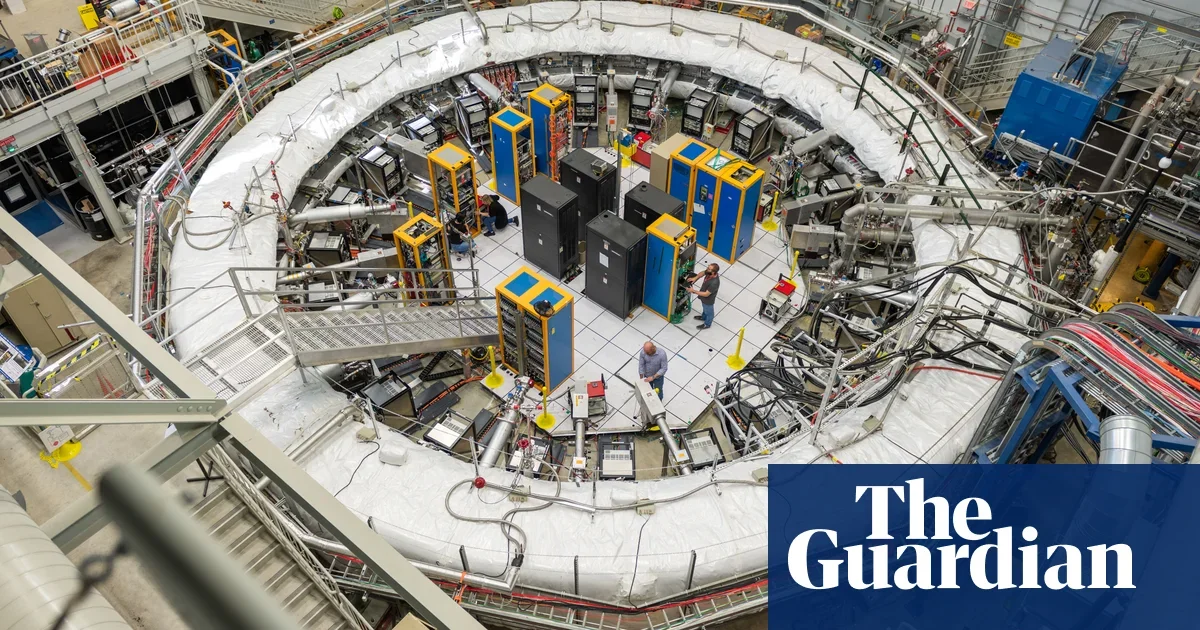
Scientists at Fermilab have achieved the most precise measurement of the muon magnetic anomaly, confirming previous results with improved accuracy of 127 parts-per-billion, which provides a critical benchmark for testing the Standard Model and exploring potential new physics.
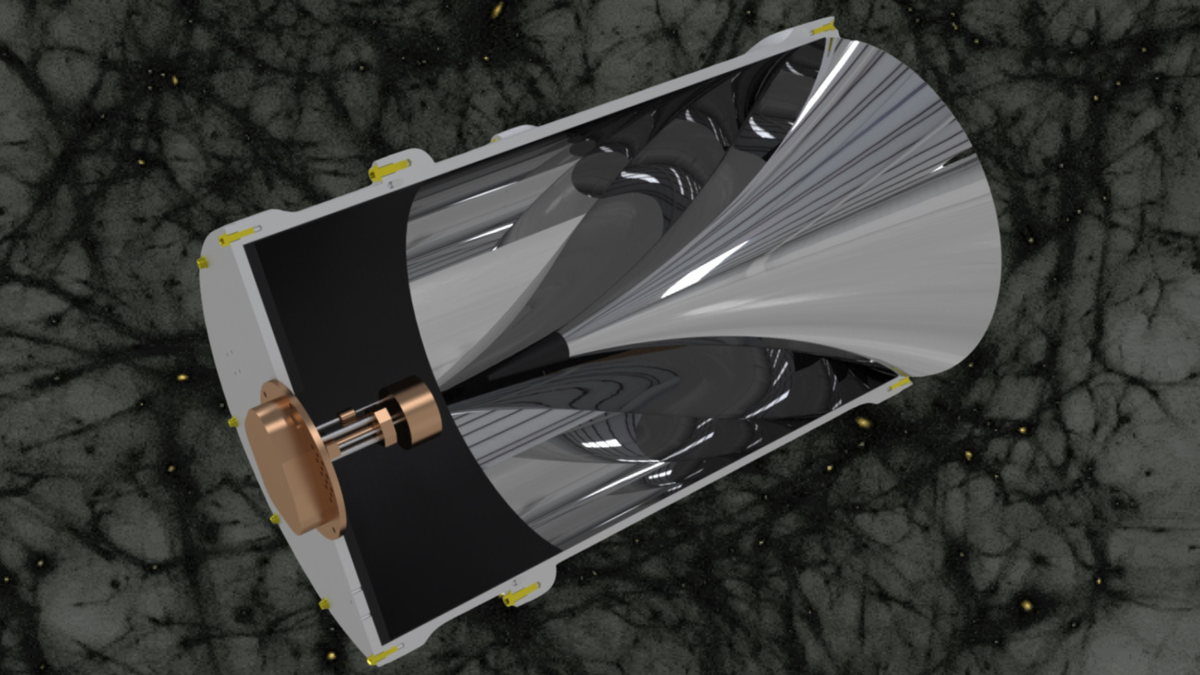
The Broadband Reflector Experiment for Axion Detection (BREAD) has delivered its first results in the search for dark matter, placing tighter constraints on the characteristics of dark matter particles. The experiment, developed by the University of Chicago and Fermilab, takes a "broadband" approach to search for hypothetical dark matter particles called "axions" and associated "dark photons." The experiment, which is relatively inexpensive and compact, demonstrated high sensitivity in its initial test and is set to be transported to the magnet facility at Argonne National Laboratory for the next stage.
Fermilab's DUNE project aims to study elusive neutrinos by beaming them 800 miles from Illinois to South Dakota, where they will be detected in underground caverns filled with liquid argon. Neutrinos, often referred to as "ghost particles," are difficult to study due to their lack of electric charge and rare interactions with matter. The project seeks to answer fundamental questions about the universe, such as the prevalence of matter over antimatter, the behavior of stars during collapse, and the potential decay of protons. Despite budget and timeline setbacks, the collaboration of 1,400 people from 36 countries demonstrates the ambitious nature of the project.
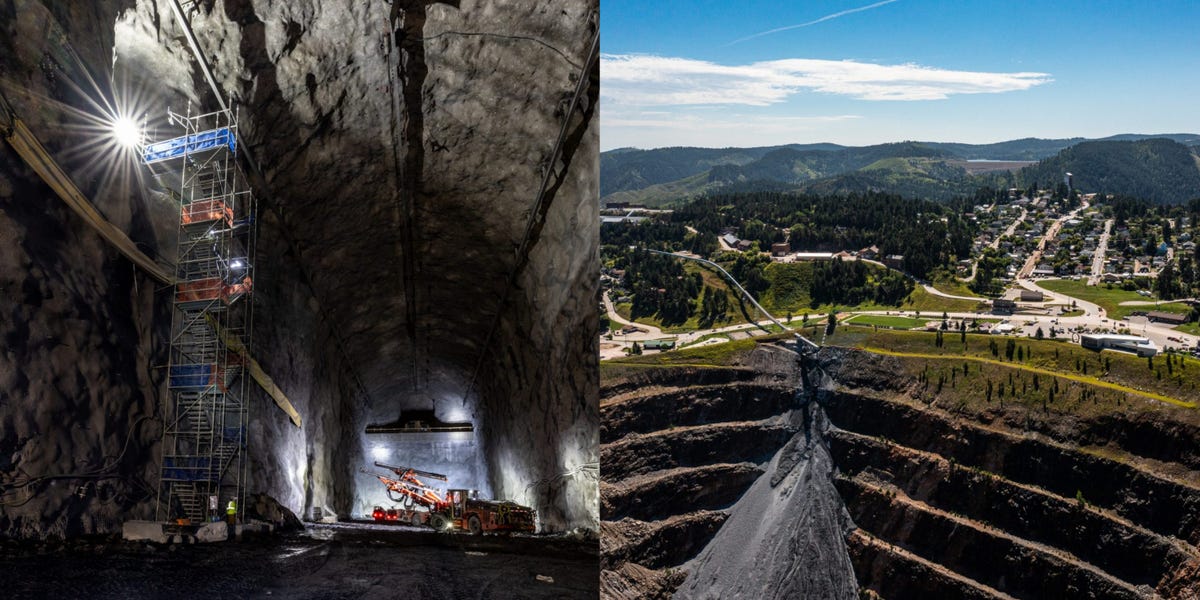
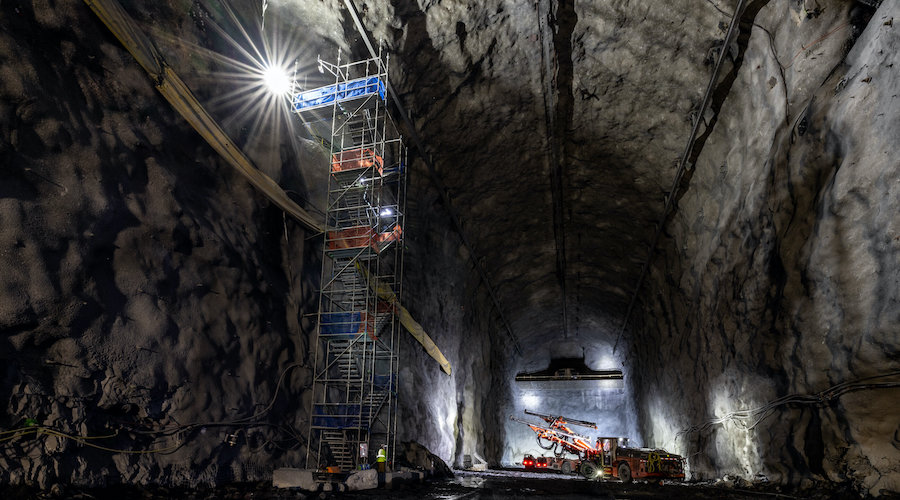
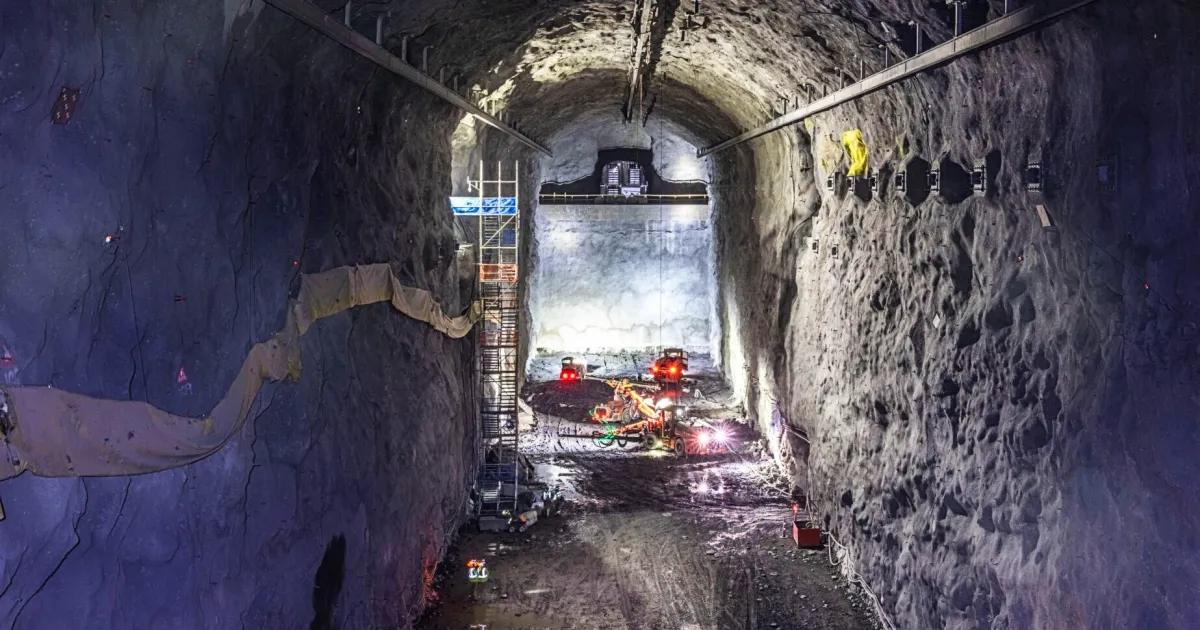
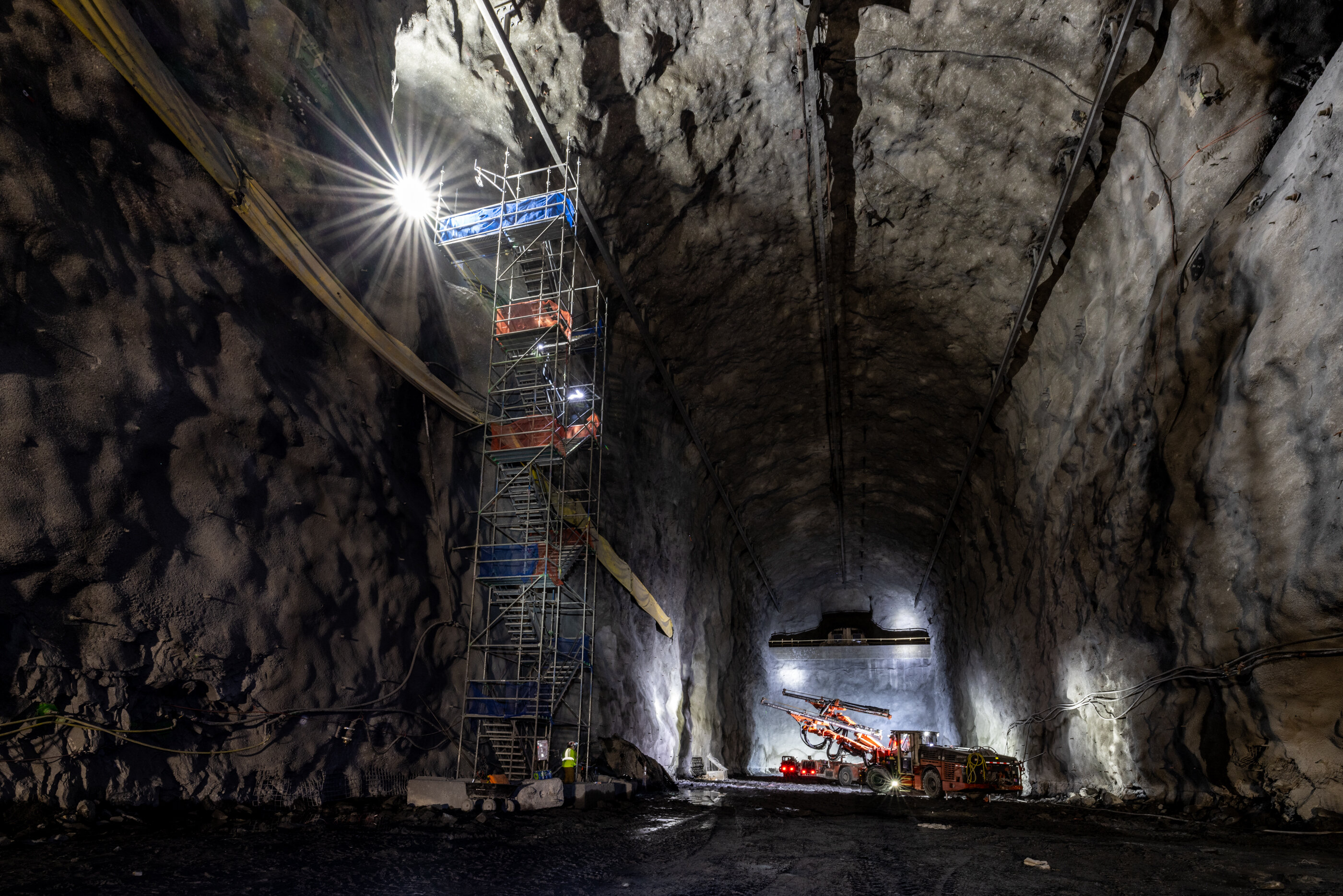
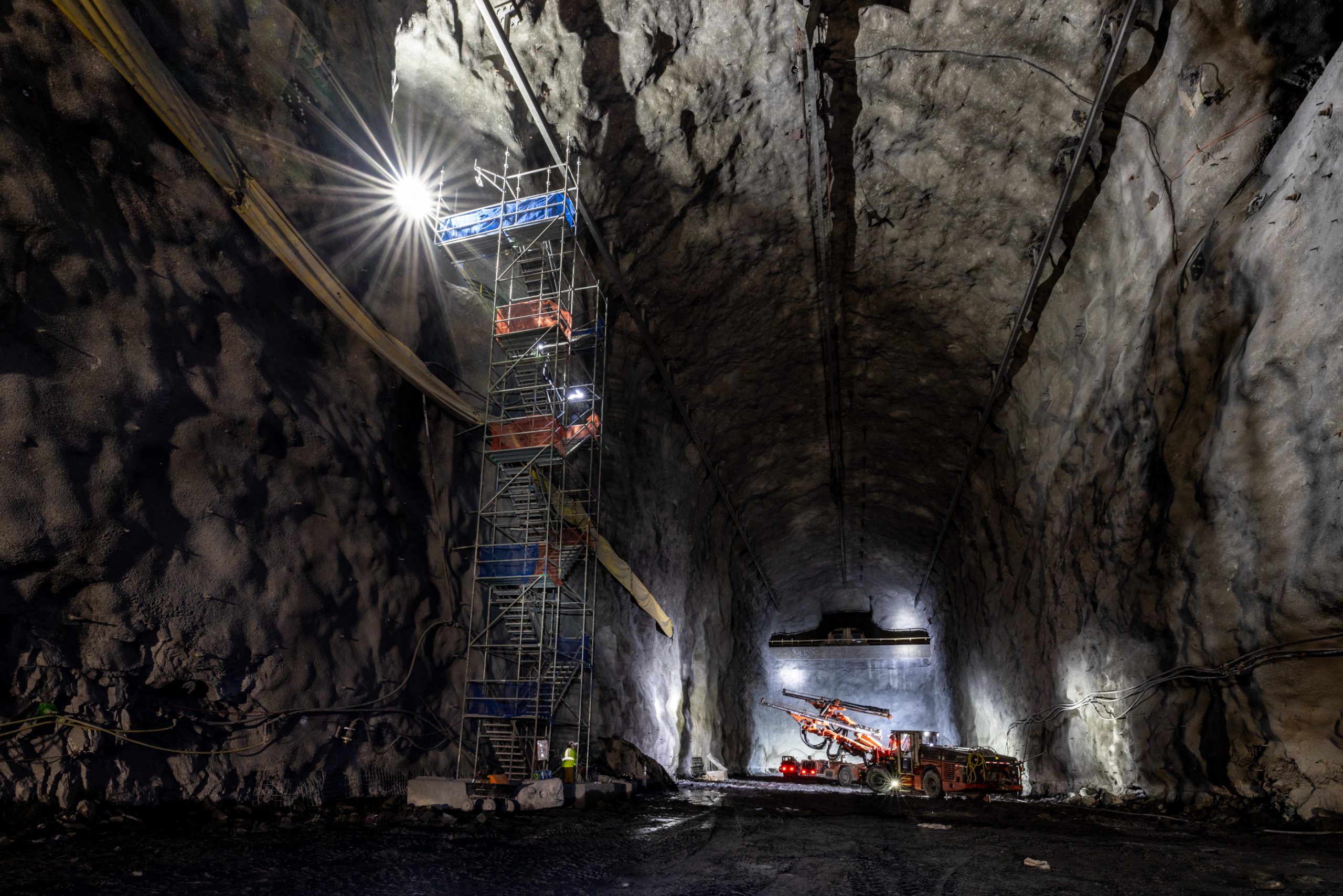
Three massive caverns have been excavated a mile below Lead, South Dakota for the Deep Underground Neutrino Experiment (DUNE), a project hosted by Fermilab to search for neutrinos, the lightest particles with mass. The caverns will house detectors filled with 17,000 tons of liquid argon, cooled to -229 degrees Fahrenheit, allowing physicists to detect neutrinos. Nearly 800,000 tons of rock were excavated for the project, and the first detector is expected to be operational by 2029.
Three massive caverns, equivalent to eight soccer fields in size, have been excavated 4,800 feet below the surface in South Dakota to host the Deep Underground Neutrino Experiment (DUNE). The experiment, supported by the US Department of Energy’s Fermi National Accelerator Laboratory, aims to study the behavior of neutrinos to address fundamental questions about the universe. The caverns will house four large neutrino detectors, each the size of a seven-story building, and the first detector is expected to be operational by the end of 2028. The DUNE collaboration, involving over 1,400 scientists and engineers from 36 countries, has begun mass production of detector components and is conducting technology testing at CERN.
Scientists at Fermilab are working on the Deep Underground Neutrino Experiment (DUNE) to study the behavior of neutrinos, which can change their identity and interact rarely with matter. The experiment involves shooting a beam of neutrinos from Fermilab to a detector complex 800 miles away in South Dakota, housed in a mile-deep underground facility. The recent milestone was the completion of the excavation of the caverns that will house the detectors. DUNE aims to study the transformation properties of neutrinos and their antimatter analogs, which could provide clues to solving the matter-antimatter mystery. The first physics results from these experiments are expected to be available at the end of the 2020s.
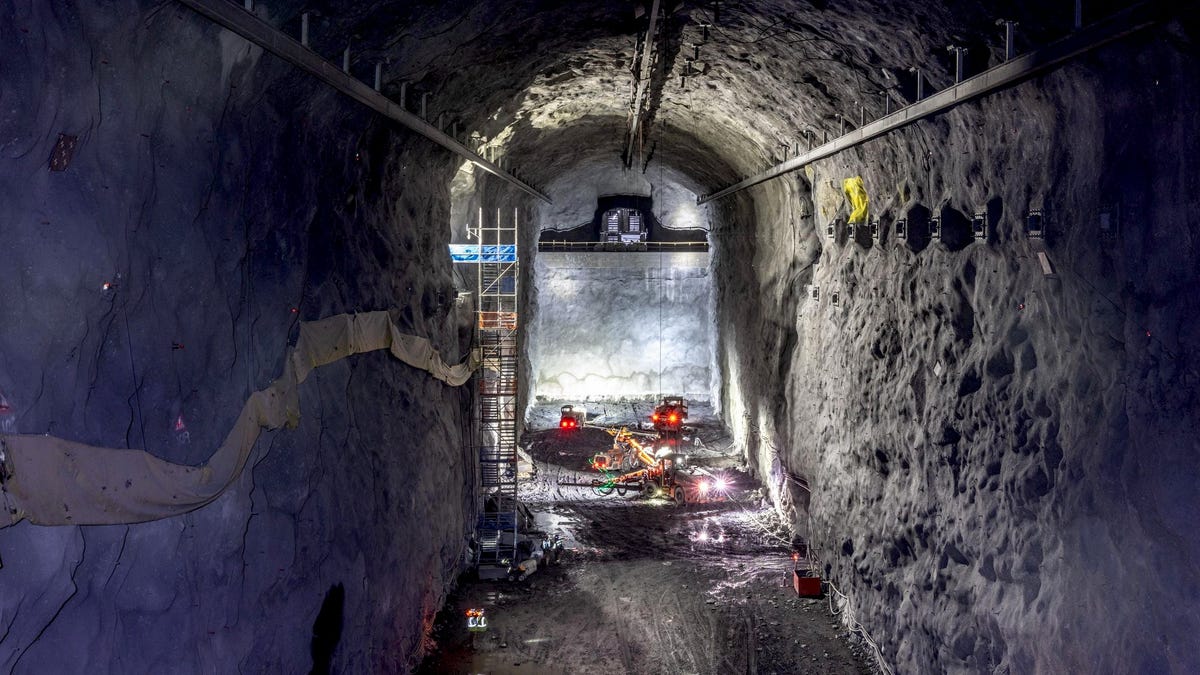
Excavation of colossal caverns for Fermilab's DUNE experiment, located a mile below the surface, has been completed, providing space for four large neutrino detectors. The detectors, each about the size of a seven-story building, will study the behavior of neutrinos, with the goal of answering fundamental questions about the universe. The completion of the caverns marks a significant achievement for the project, and installation of the detectors is set to begin later this year, with the first detector expected to be operational before the end of 2028.
Excavation of three colossal caverns a mile below the surface for Fermilab’s DUNE experiment, which aims to study neutrinos and solve mysteries of the universe, has been completed. The caverns will house gigantic particle detectors and provide space for four large neutrino detectors, each about the size of a seven-story building. The project, involving over 1,400 scientists and engineers from 36 countries, is a significant step closer to making the world-class underground facility a reality, with the goal of having the first detector operational before the end of 2028.
A panel of scientists has recommended that Fermilab in Batavia, Illinois, play a larger role in the quest to understand the origins of the universe. The panel suggested reinforcing Fermilab's Deep Underground Neutrino Experiment (DUNE) and exploring the possibility of building a revolutionary muon particle collider on the Fermilab campus. Neutrinos are believed to hold the key to understanding why matter and antimatter didn't annihilate each other during the Big Bang. The proposed muon collider would be more powerful than the Large Hadron Collider and could take decades to develop.
Physicists have observed unexpected wobbling in subatomic particles called muons, suggesting the existence of a fifth fundamental force of nature. The standard model of particle physics currently explains four fundamental forces, but fails to account for gravity and dark matter. The data from experiments at Fermilab in the US indicates a discrepancy between the observed wobbling and the predictions of the standard model, potentially indicating the presence of an unknown particle that could be the carrier of the fifth force. Further research and experiments are needed to confirm and understand this potential discovery.