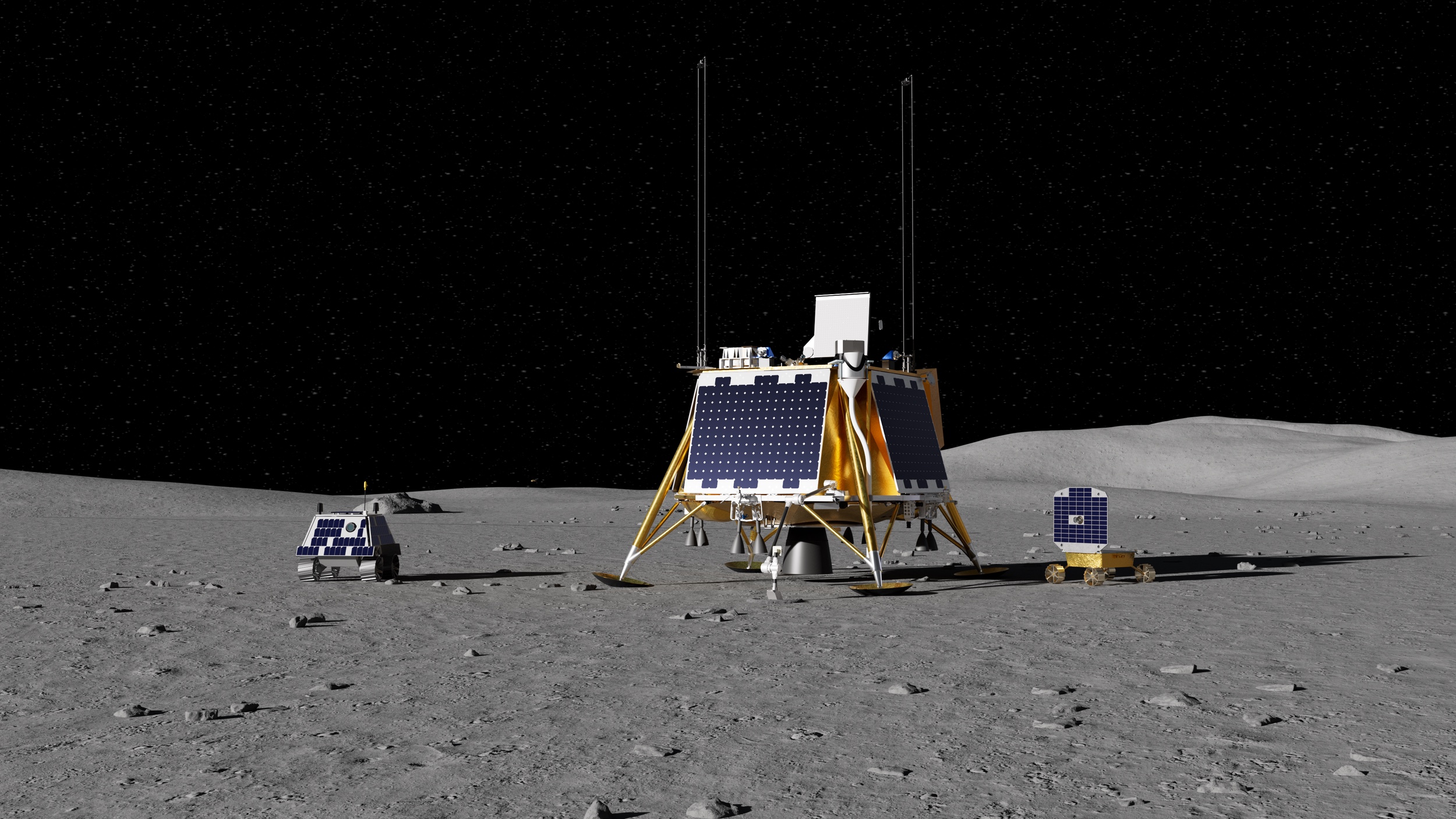
NASA has awarded Firefly Aerospace a fourth lunar lander mission, which will deliver two rovers and three scientific instruments to the moon's south polar region, continuing its efforts in lunar exploration.
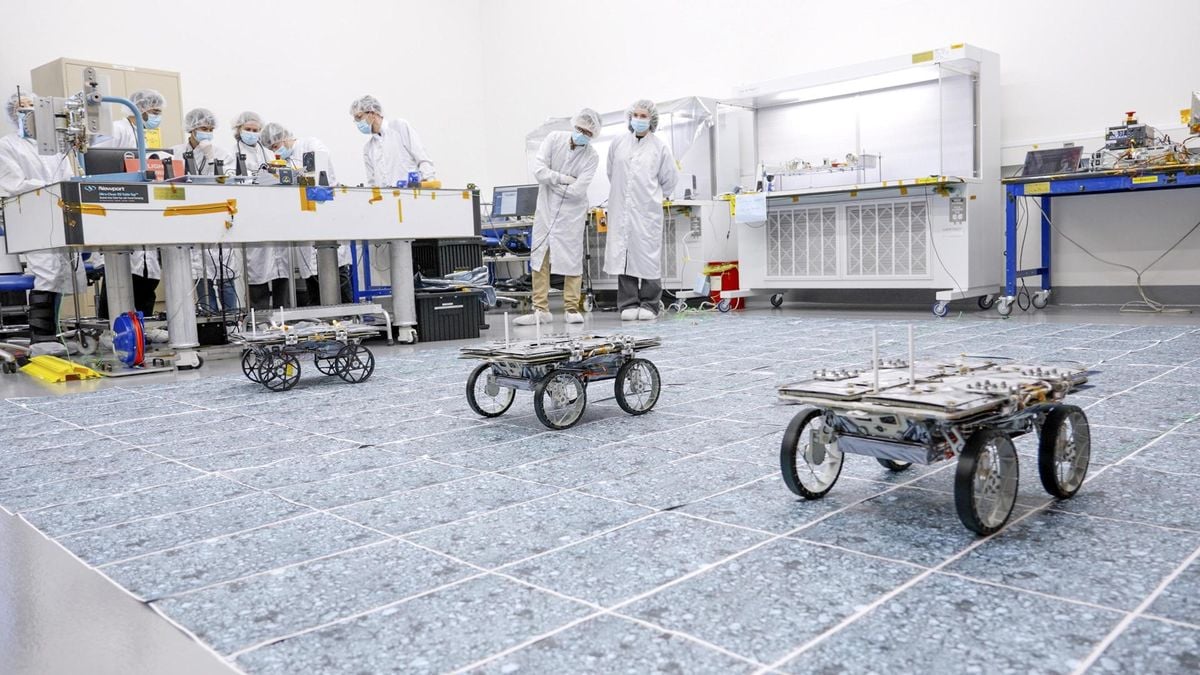
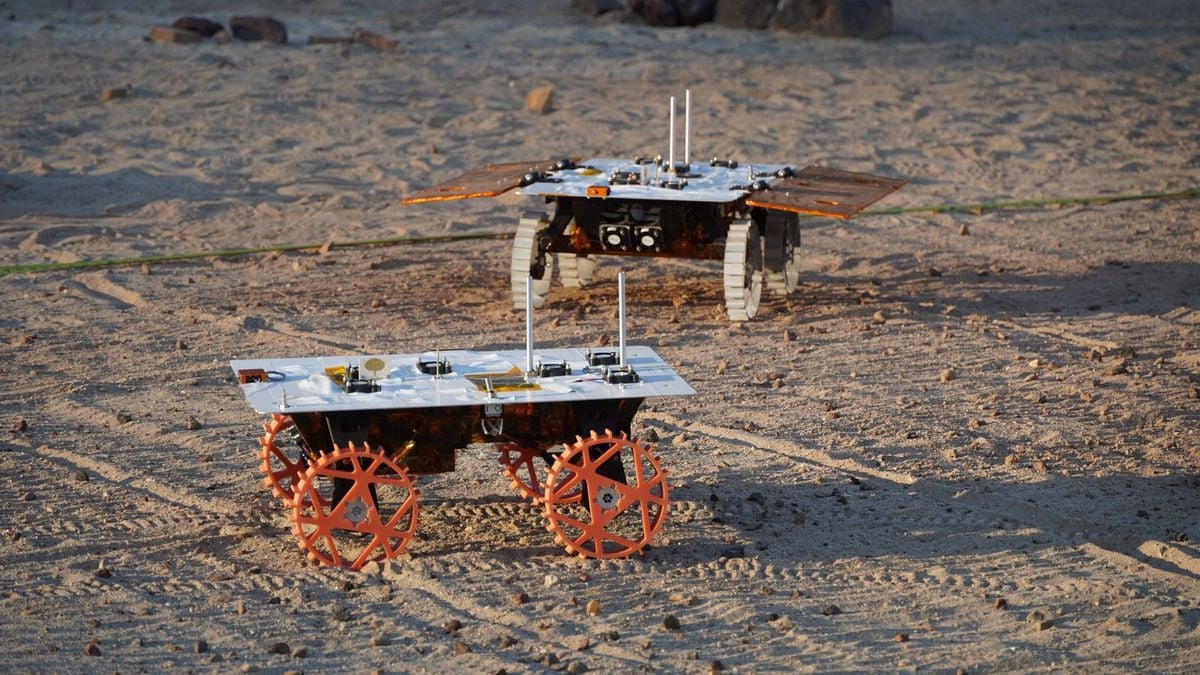
NASA test drove mini autonomous rovers as part of the CADRE technology demonstration, which aims to show that a group of robotic spacecraft can work together without direct human control. The rovers, equipped with cameras, sensors, and ground-penetrating radar, will map the lunar surface in 3D and are set to be delivered to the moon's Reiner Gamma region by Intuitive Machines’ Nova-C lander in late 2023 or early 2024. The rovers underwent various tests, including night drives, vibration, thermal, and electromagnetic interference testing, to ensure their readiness for the lunar mission.
A trio of mini moon rovers, part of NASA's CADRE tech demo, have passed key tests at NASA's Jet Propulsion Laboratory, showcasing their ability to work together autonomously. The rovers, set to launch to the moon's Reiner Gamma region on an Intuitive Machines mission, will demonstrate how robots can collaborate without human intervention. The testing focused on evaluating their cooperative autonomous software and preparing them for the harsh lunar environment, including simulating launch vibrations and extreme temperatures. If successful, the mission could pave the way for future multi-robot exploration missions on the moon and Mars.
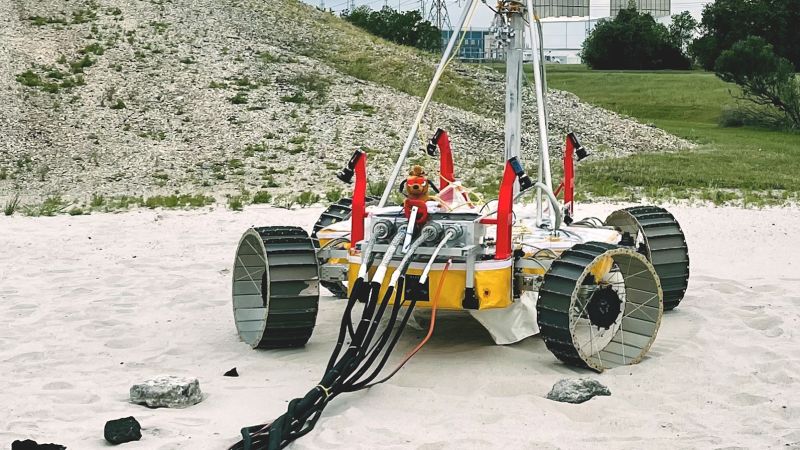
NASA's VIPER rover is set to land on the moon's South Pole in 2024 to search for water ice, which could lay the foundation for sustained lunar exploration. Equipped with three spectrometers and a 1-meter drill, VIPER will collect and analyze samples and map the distribution of water ice beneath the surface. VIPER's design and capabilities are adapted to lunar polar conditions, including its solar arrays being on the sides of the rover due to the low sun on the horizon. Other countries and organizations are also developing moon rovers for exploration and data collection.