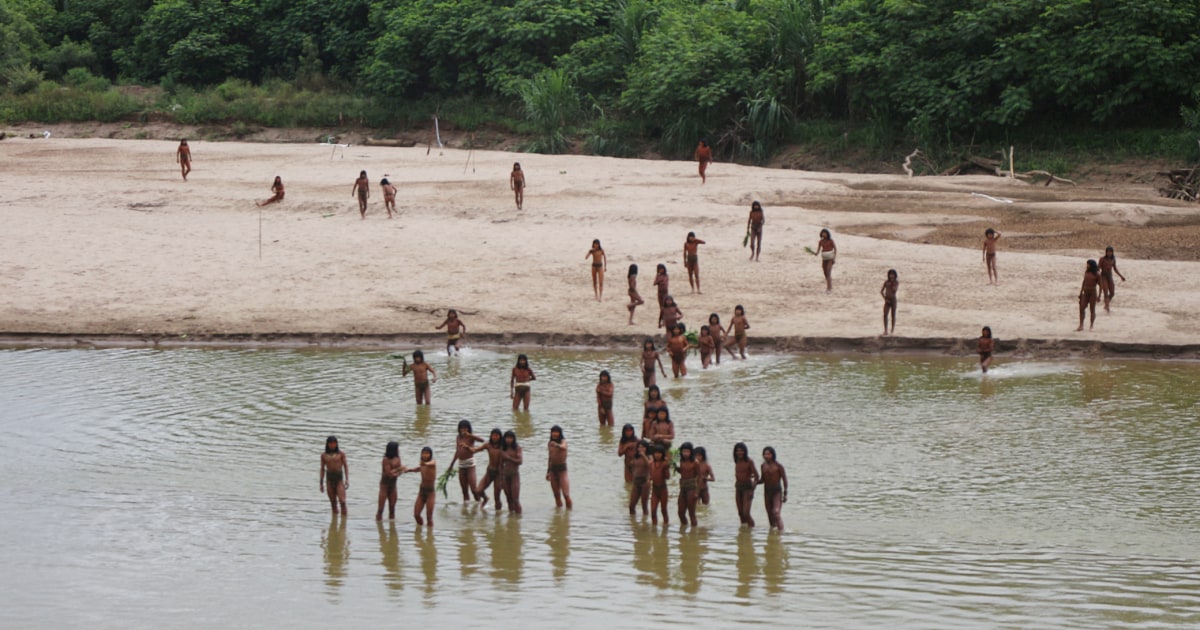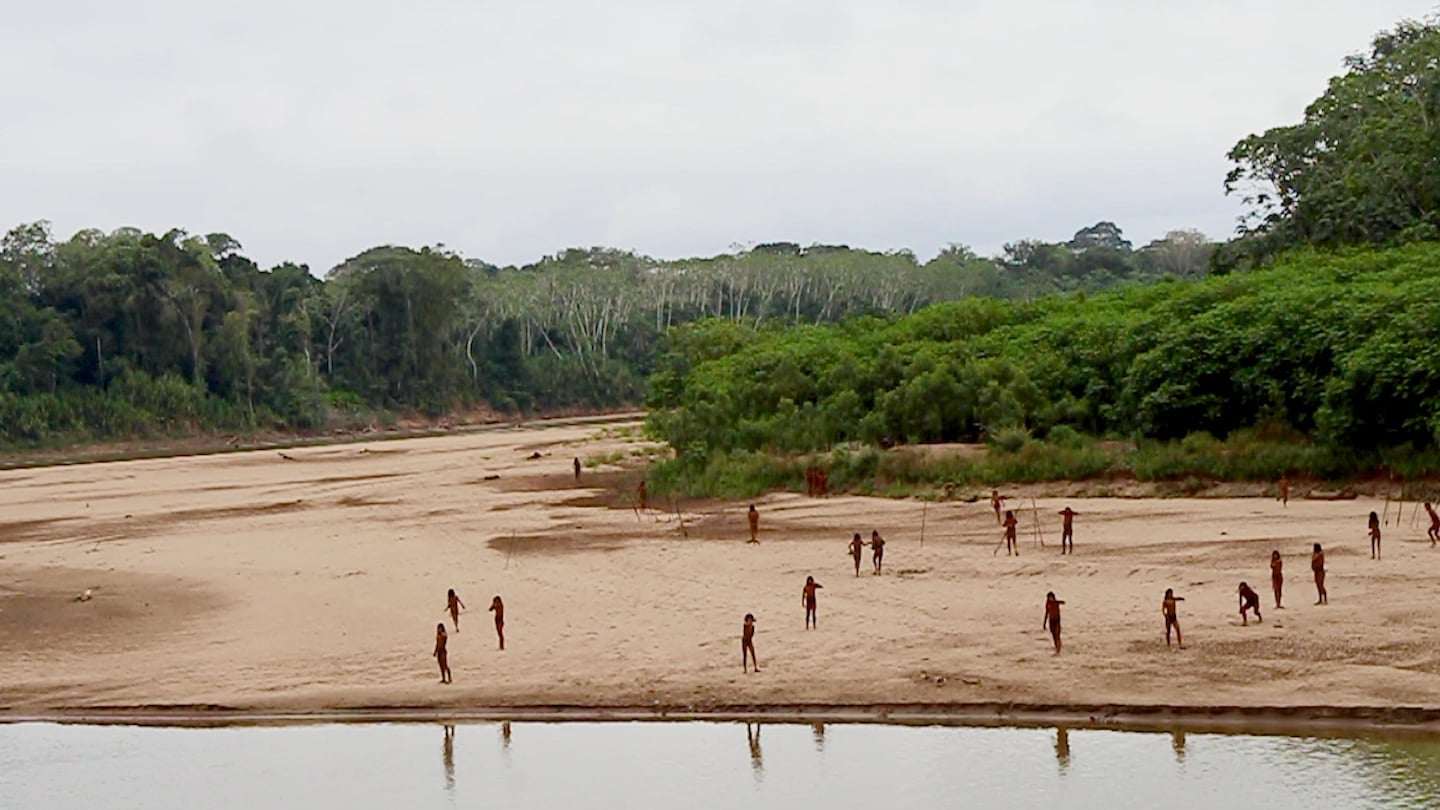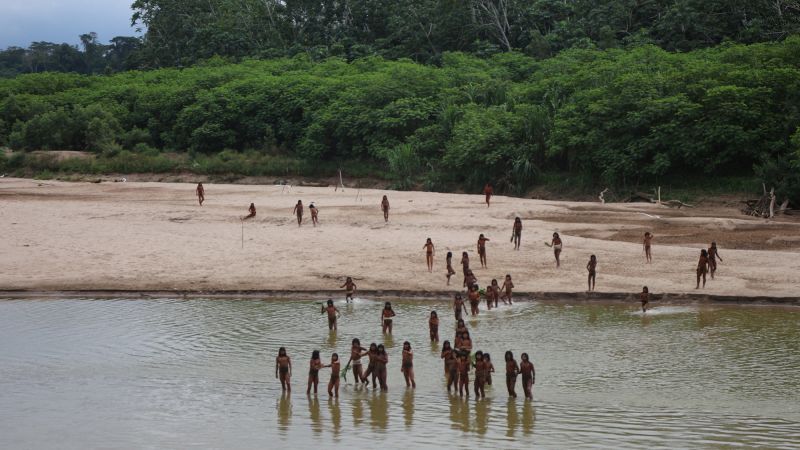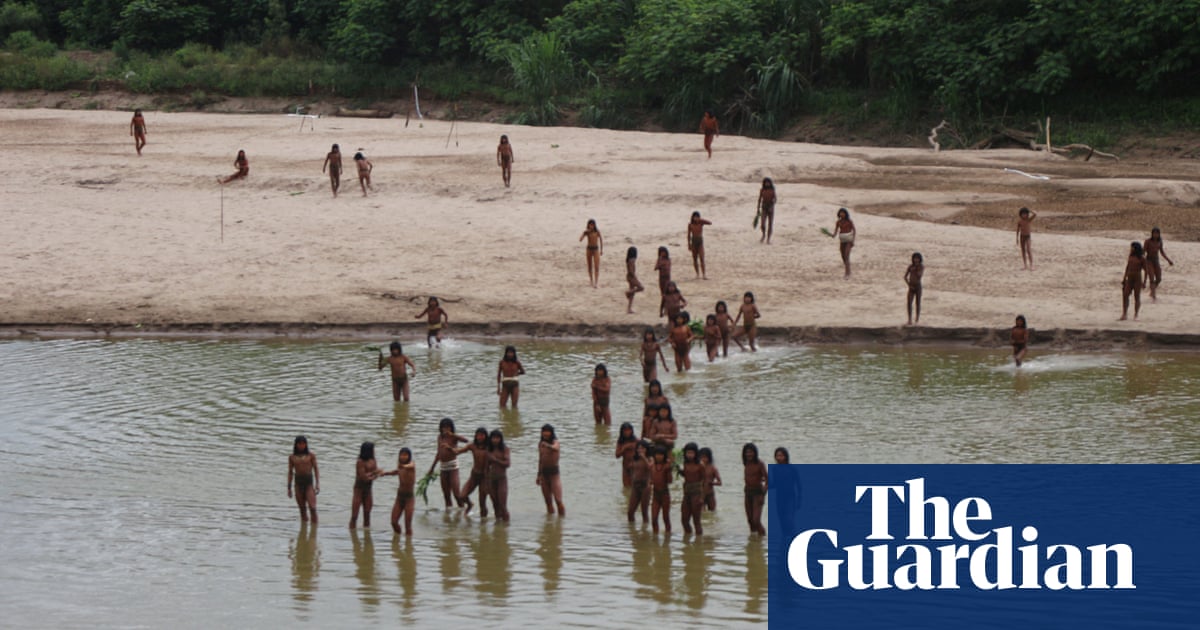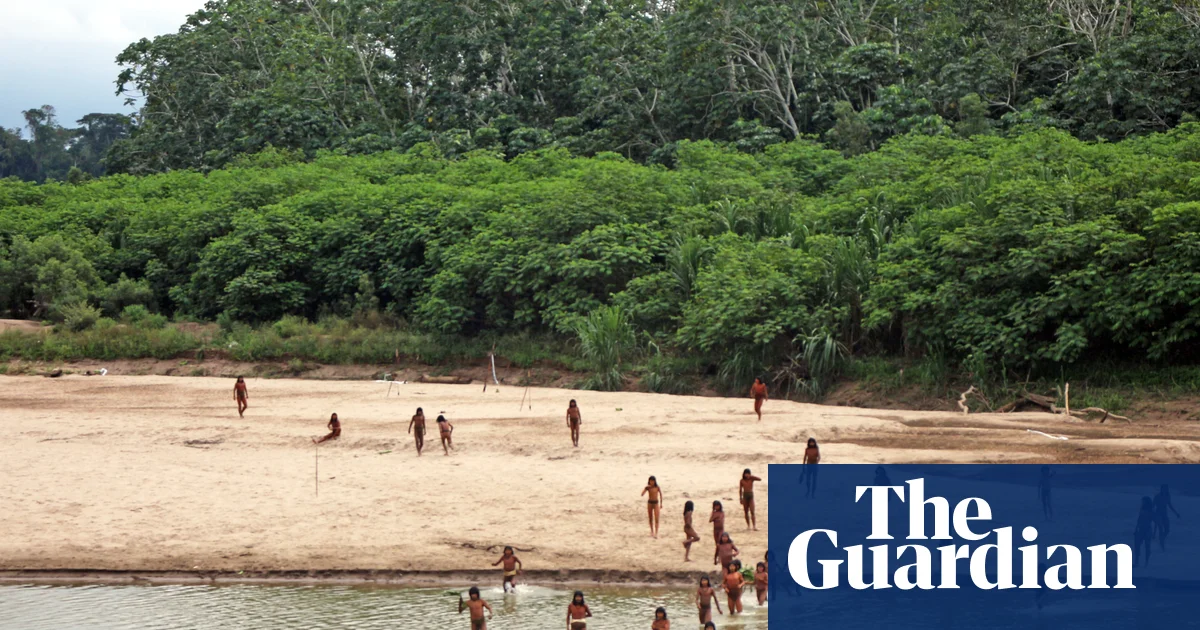
Members of the uncontacted Mashco Piro tribe in Peru's Amazon are entering neighboring villages amid increased logging activity and infrastructure development, raising concerns about their safety, health, and potential conflict with loggers, as activists warn that such encroachments threaten their existence and could lead to deadly clashes.
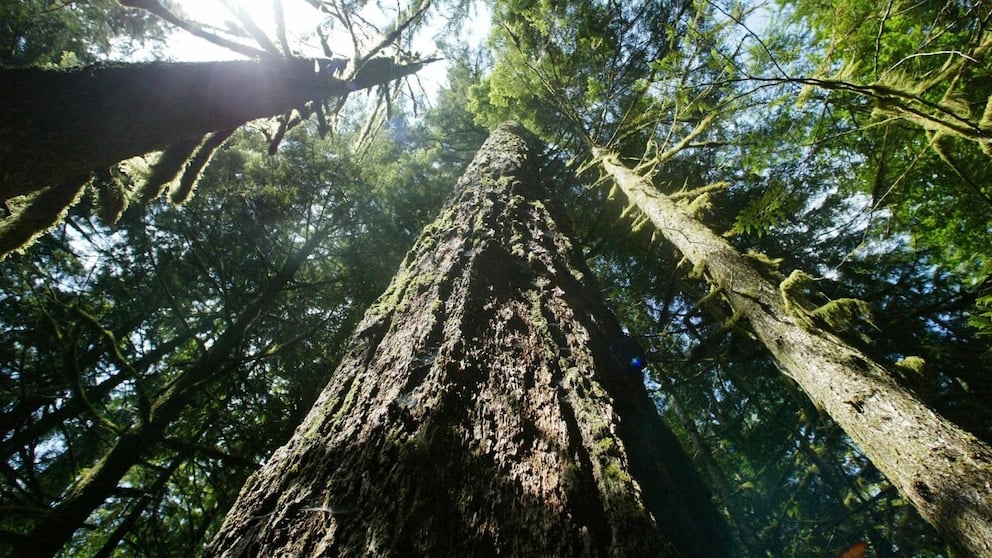
The Trump administration announced the rescinding of protections on nearly 59 million acres of national forest land, including the largest old growth forest, to facilitate logging and road construction, citing wildfire risk reduction, a move met with praise from some lawmakers and criticism from environmental groups.
Over 50 members of the uncontacted Mashco Piro tribe were photographed near a logging area in the Peruvian Amazon, highlighting tensions over logging concessions granted by the government. Indigenous rights groups warn of potential violence and call for the protection of the tribe's territory, criticizing the Forest Stewardship Council for certifying logging activities in the area.
Members of the isolated Mashco Piro tribe have emerged from the Peruvian Amazon rainforest near logging activities, raising concerns about potential disease transmission and violent clashes. Indigenous advocates are urging authorities to revoke logging concessions in the area to protect the tribe, but the government has not intervened.
Rare images of the uncontacted Mashco Piro tribe in the Peruvian Amazon have been published, showing them near areas where logging companies are active. The tribe has been increasingly sighted seeking food and moving away from loggers. Indigenous rights groups are concerned about the impact of logging on the tribe, who inhabit a region between two natural reserves. Logging companies hold concessions in their territory, and the Peruvian government has reported sightings of the tribe near the Las Piedras river.
Rare images of the uncontacted Mashco Piro tribe in the Peruvian Amazon have been released, showing them near areas where logging companies are active. The tribe has been seen more frequently, likely due to the encroachment of loggers, and has been spotted near villages and across the border in Brazil. Logging activities threaten their habitat, causing them to flee and seek food elsewhere.
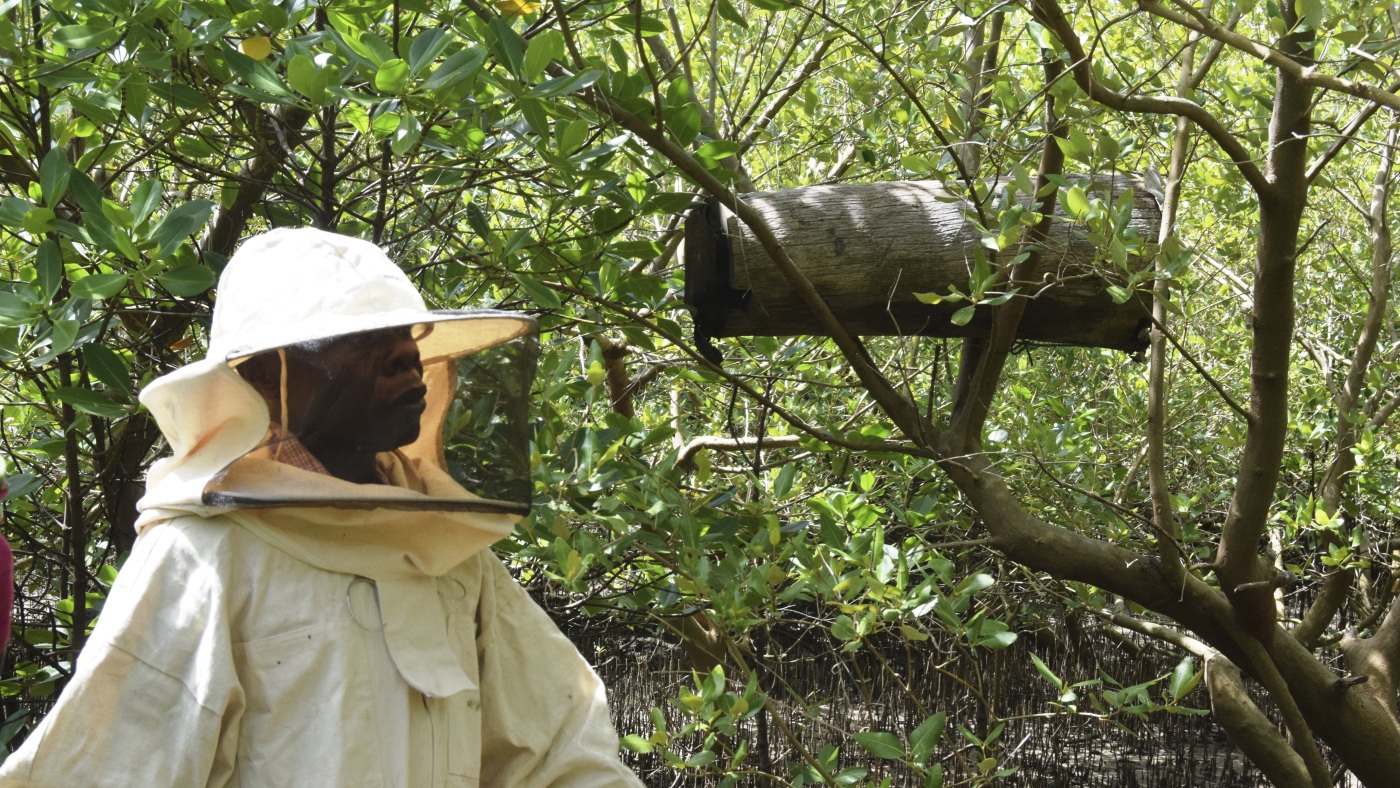
In Mombasa, Kenya, Peter Nyongesa and the Tulinde Mikoko group are using hidden beehives to protect mangroves from illegal logging. The bees act as natural deterrents, attacking loggers who attempt to cut the trees. This initiative not only helps conserve the mangroves, which are crucial for preventing erosion and mitigating severe weather impacts, but also provides income through the sale of high-quality mangrove honey. Despite challenges in measuring the tactic's effectiveness, the integration of beekeeping with conservation efforts shows promise in safeguarding these vital ecosystems.
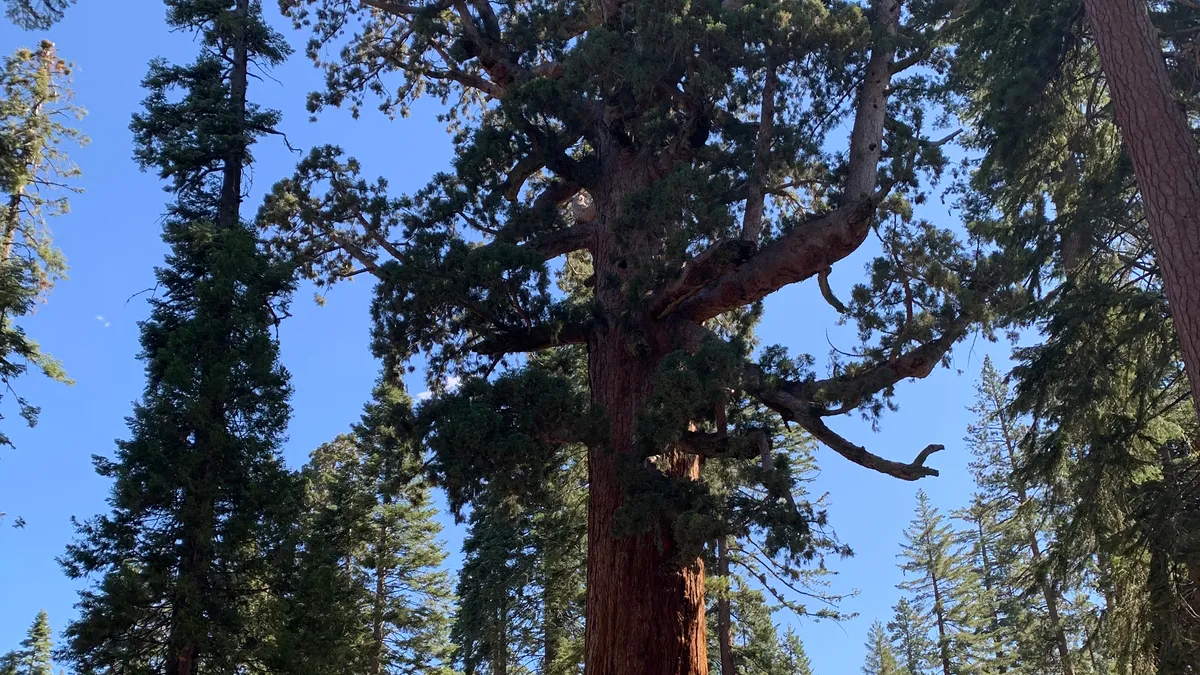
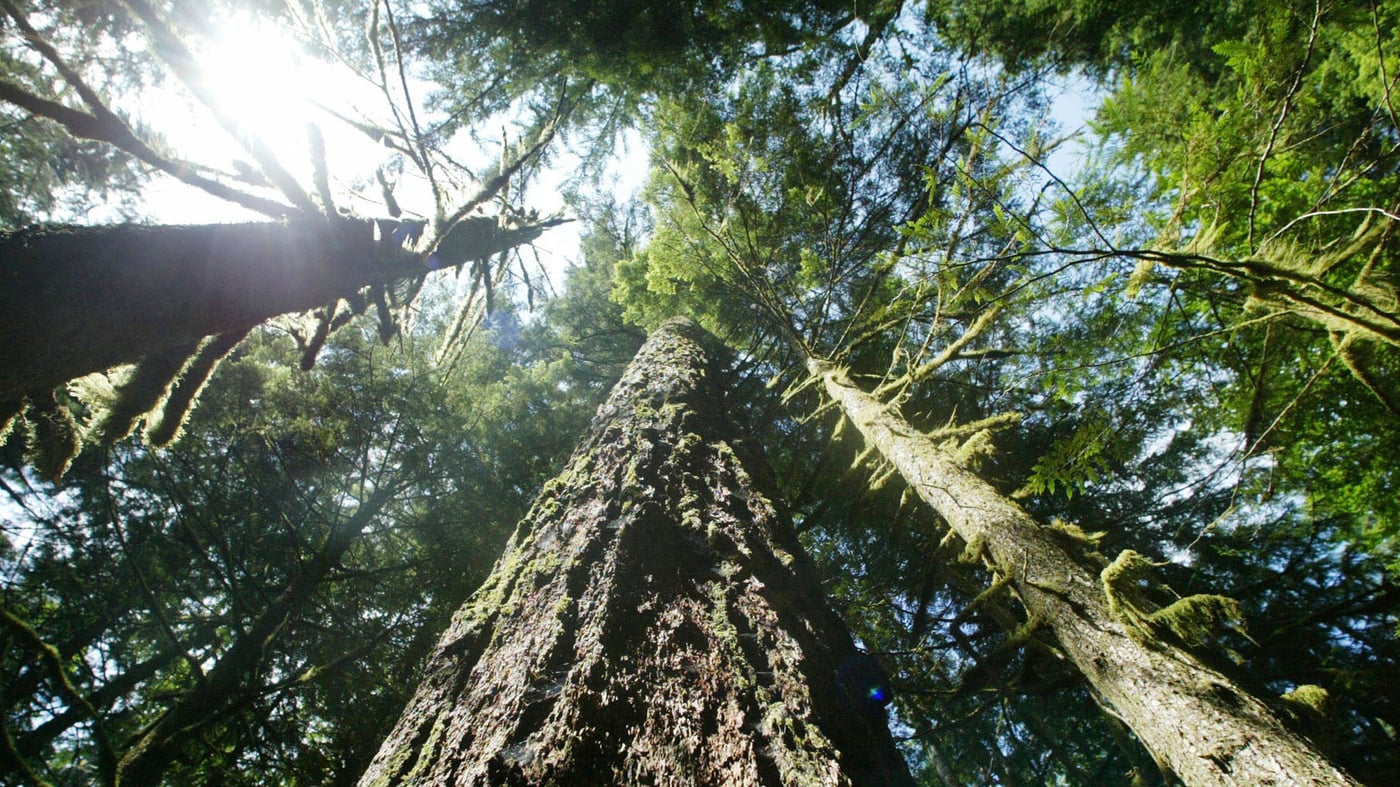
The Biden administration has announced new protections for old-growth forests in the United States, covering approximately 32 million acres of old growth and 80 million acres of mature forest. This initiative aims to make it more difficult to cut down these forests for lumber, recognizing their importance in combating climate change, providing habitat for wildlife, and preserving historical connections. The protected areas include old-growth sequoias and bristlecone pines in the West, as well as smaller forests on the East Coast. The plan tightens the approval process for logging and proposes restoration and protection plans for these areas.
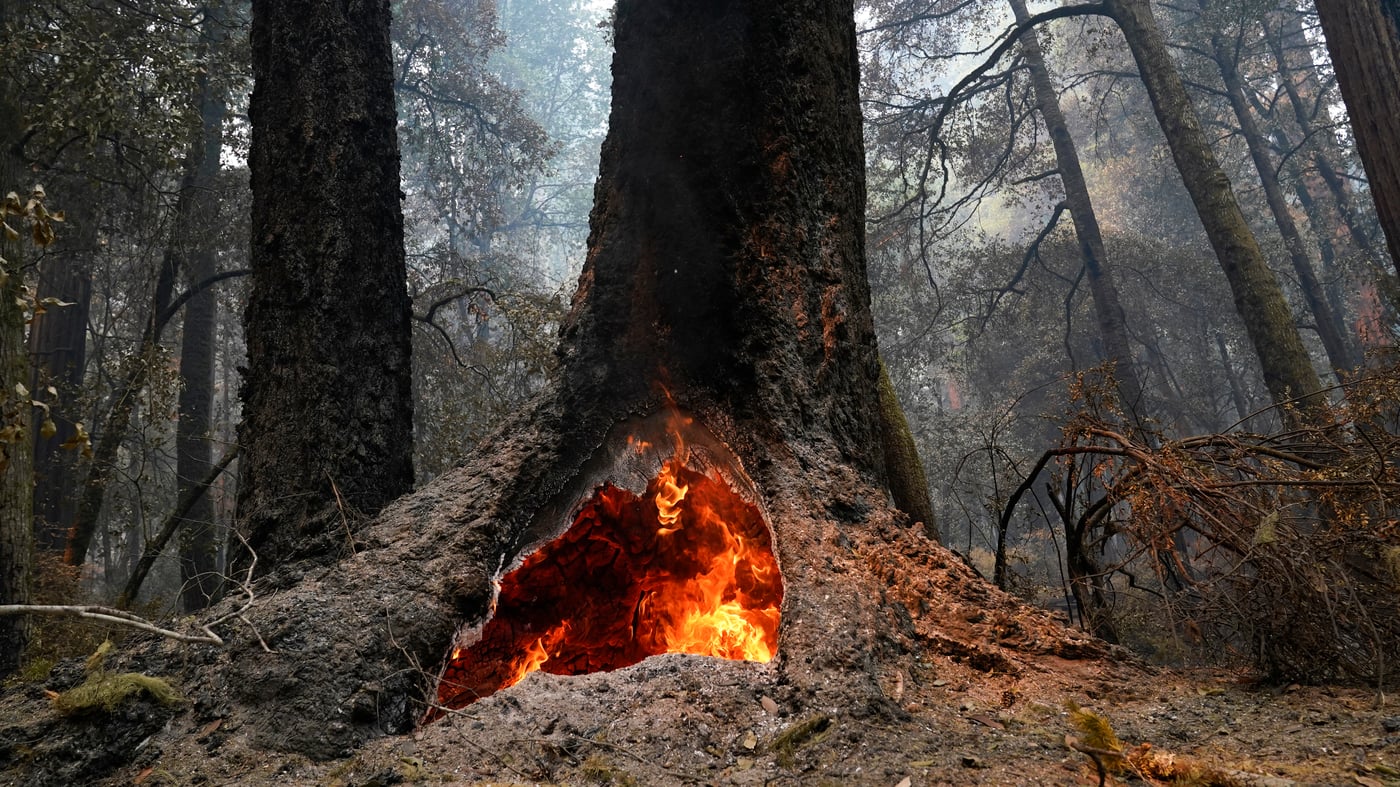
The Biden administration is taking steps to protect old-growth forests in the U.S. from the threats posed by climate change, wildfires, insects, and disease. The proposal includes limiting commercial timber harvests in old-growth forests while allowing logging in mature forests. Old-growth forests are important for wildlife habitat and carbon storage. The move is seen as a step in the right direction by environmentalists, but the timber industry and some members of Congress have expressed skepticism. The proposal is expected to be completed by early 2025, but its durability may depend on the outcome of the 2024 presidential election.
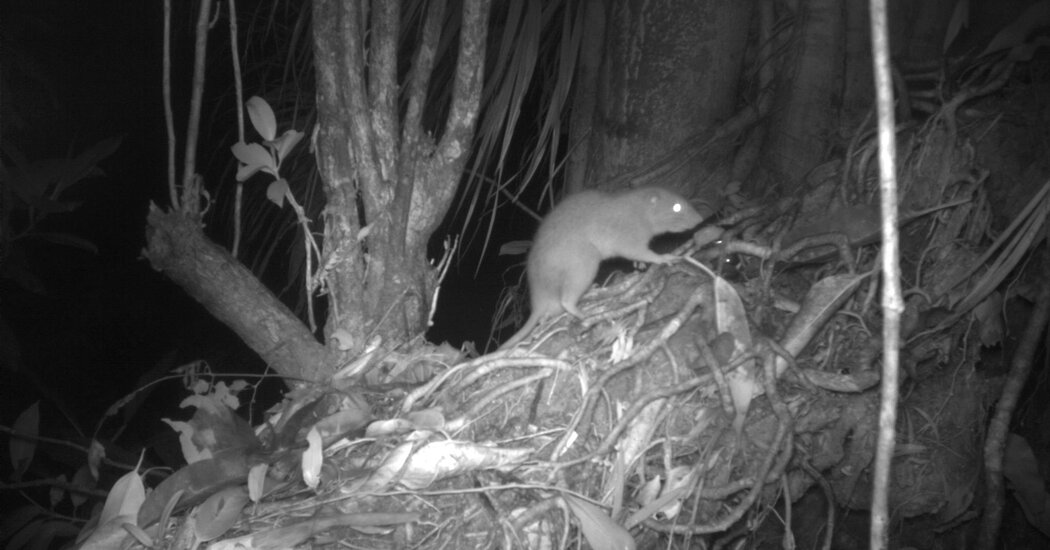
Researchers from the University of Melbourne and Solomon Islands National University, with the help of the local community, have captured the first-ever photos of the critically endangered Vangunu giant rat, also known as Uromys vika. The rat, which is at least twice the size of a common rat and can chew through coconuts, is one of the world's rarest rodents and is only found on the island of Vangunu in the Solomon Islands. The discovery is significant for conservation efforts and the local ecosystem, as logging has threatened the rat's habitat and the island's environment.
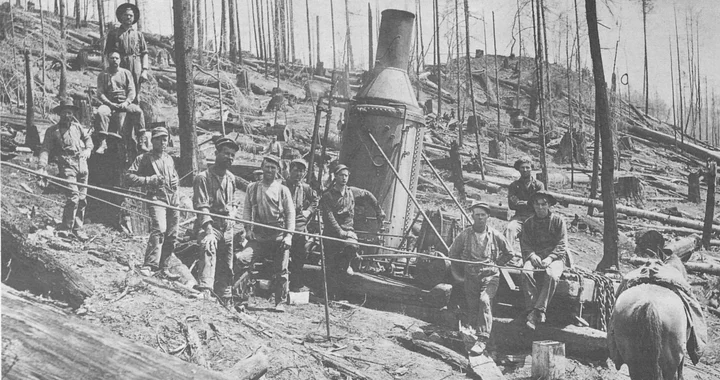
In 1881, John Dolbeer, a mechanical genius from Humboldt County, invented the donkey engine, a steam-powered device that revolutionized logging operations along the West Coast. The donkey engine replaced oxen and increased the efficiency of logging by hauling logs with its powerful steam-driven spools. Over time, the donkey engine evolved and became more versatile, capable of herding rafts of logs, pulling logs along skidroads, and even loading logs onto railroad cars. The donkey engine played a significant role in the logging industry until the arrival of the internal combustion engine.
CISA has introduced Logging Made Easy (LME), a no-cost centralized log management solution designed to help organizations with limited resources detect breaches and fix vulnerabilities. LME functions as a security information and event management capability, providing real-time visibility into device activity and alerting administrators of potentially harmful activity. Currently limited to on-premises, Windows-based systems, LME is available through CISA's GitHub.
A federal judge has ruled that a Trump-era rule change allowing the logging of old-growth forests in the Pacific Northwest violates multiple laws, including the National Environmental Policy Act, the National Forest Management Act, and the Endangered Species Act. The judge recommended that the U.S. Forest Service's environmental assessment be vacated and that a full environmental impact statement be prepared. The rule change, which went into effect in 2021, aimed to prioritize fire-tolerant species and make forests more resistant to disturbances like wildfires. However, environmental groups argued that the change did not adequately address scientific uncertainty and could increase fire severity. The Forest Service has two weeks to object to the judge's findings and recommendations.
The Biden administration has identified over 175,000 square miles of old growth and mature forests on U.S. government land and plans to create a new rule to better protect the nation's woodlands from fires, insects, and other side effects of climate change. The forests are under increasing pressure as climate change worsens wildfires, drought, disease, and insects. Environmentalists hope the inventory and pending rule will lead to new restrictions on logging, while the timber industry and some members of Congress have urged the administration to concentrate on lessening wildfire dangers by thinning stands of trees.
The Biden administration has identified over 175,000 square miles of old growth and mature forests on US government land and plans to create a new rule to better protect the nation's woodlands from fires, insects, and other side effects of climate change. The US Forest Service and Bureau of Land Management lands combined have more than 50,000 square miles of old growth forests and about 125,000 square miles of mature forests, covering an area larger than California. The pending rule has been welcomed by environmentalists but has been met with skepticism by the timber industry and some members of Congress who have urged the administration to concentrate on lessening wildfire dangers by thinning stands of trees.