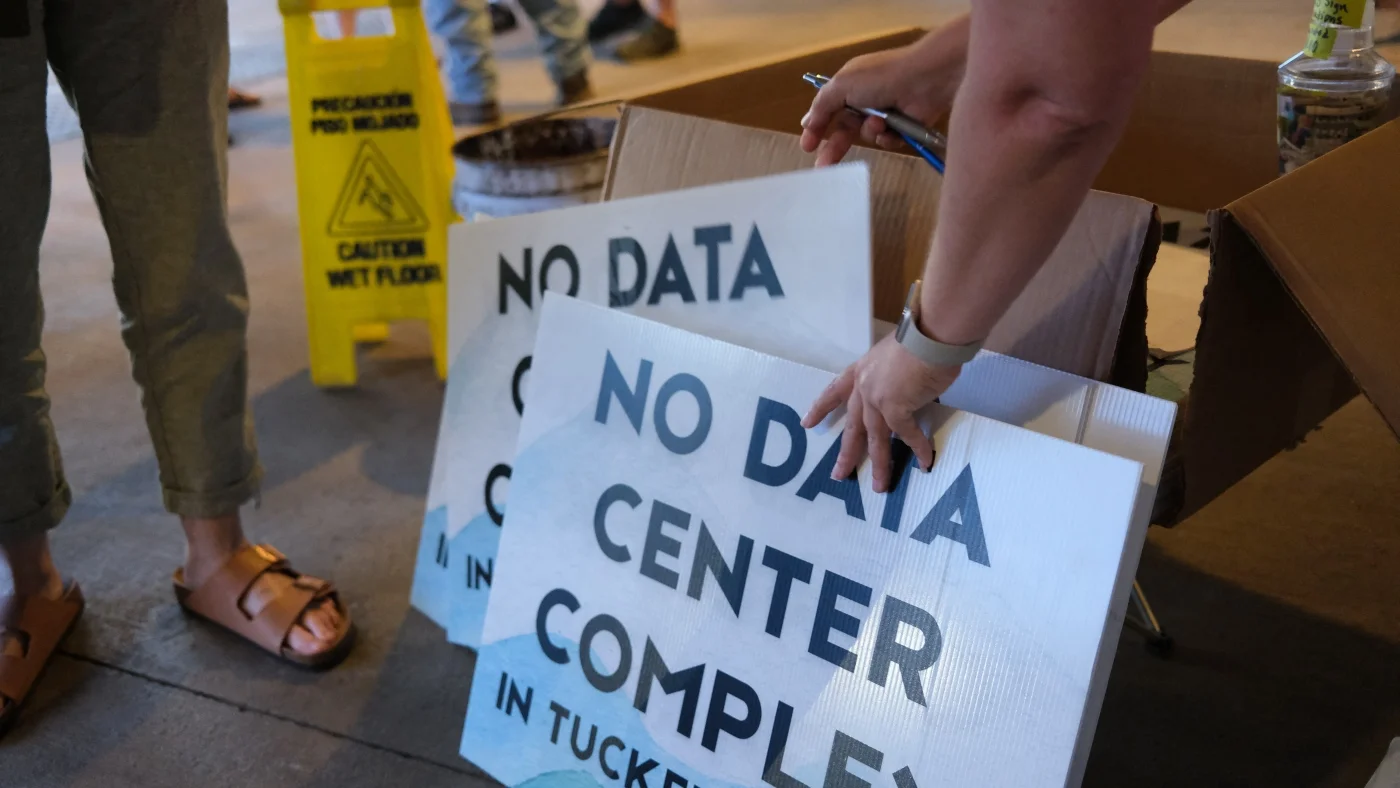
Major tech companies like Google, Microsoft, and Meta are investing heavily in AI data centers, but face growing local opposition due to environmental concerns and rising energy costs, which could slow growth and push projects abroad. The surge in data center construction is straining the US energy grid, raising electricity prices, and sparking political and community resistance, especially in states like Pennsylvania. Solutions such as targeted electricity rates, renewable energy, and nuclear power are being explored to address these challenges, but the industry must navigate local opposition and infrastructure constraints to sustain AI growth.
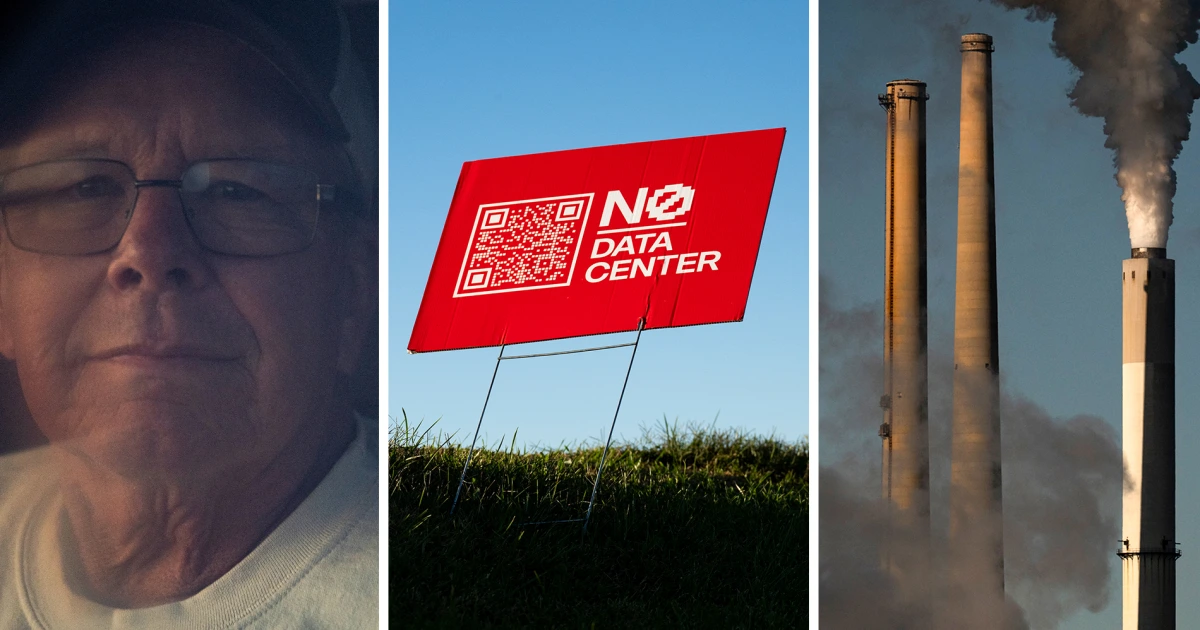
The article discusses how non-disclosure agreements (NDAs) are used to keep details of AI data center projects secret from local communities, leading to concerns about transparency, environmental impact, and community trust, as residents and officials grapple with the implications of these secretive developments.
The rapid growth of data centers driven by AI investments is raising environmental concerns due to their high energy and water use, local community opposition, and challenges in expanding renewable energy sources to meet increased demand, which could impact the industry's future and regional development.
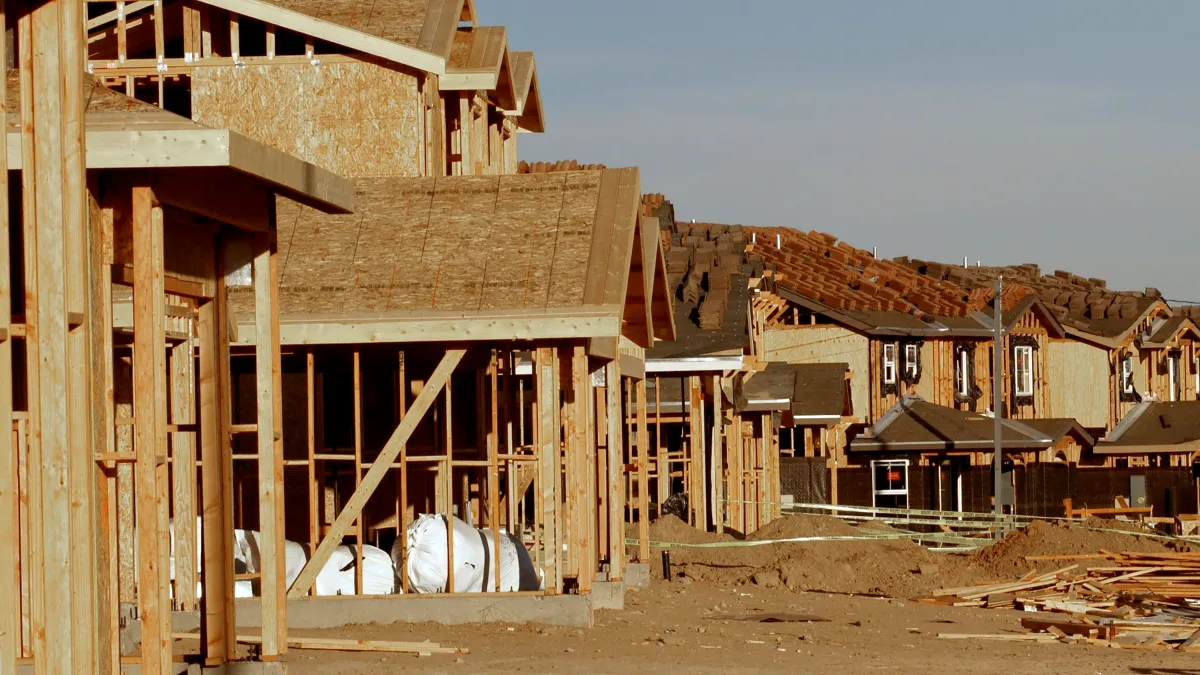
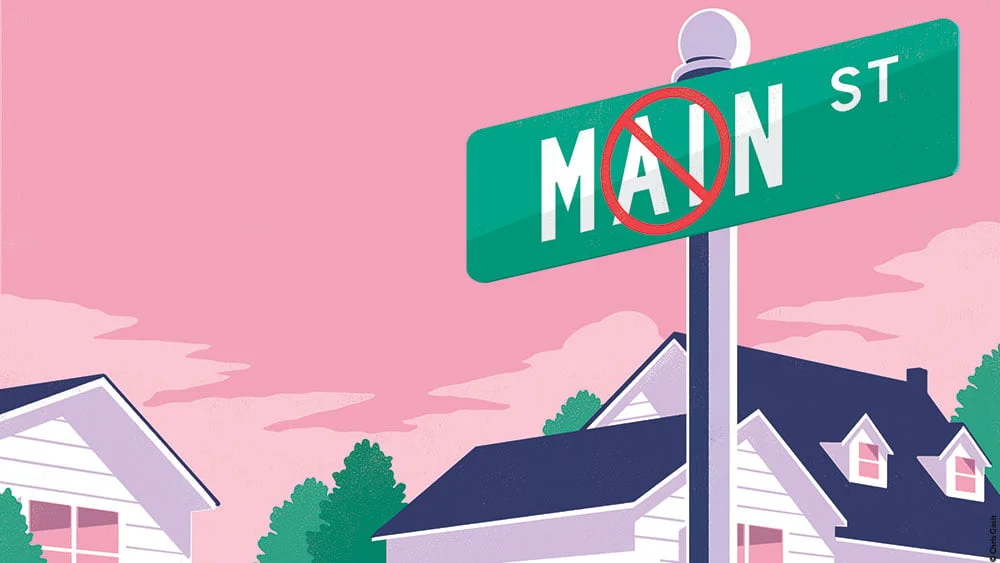
California's Governor Gavin Newsom signed Senate Bill 79 to facilitate the construction of more affordable housing near transit areas, but Los Angeles city and county officials oppose it, fearing it will undermine local control, alter neighborhood character, and impose infrastructure burdens.
Residents in the German town of Grünheide voted overwhelmingly against Tesla's plan to expand its only assembly plant in Europe, dealing a blow to the U.S. automaker and local supporters. The nonbinding vote saw 65% of citizens rejecting Tesla's proposal to clear 250 acres of forest near its plant to build a rail yard, warehouses, and a day care center. While the local officials have pledged to honor the vote and seek an acceptable solution, the factory's presence has divided the town, with some celebrating the economic growth it has brought and others expressing concerns about its impact on their quality of life and the environment.
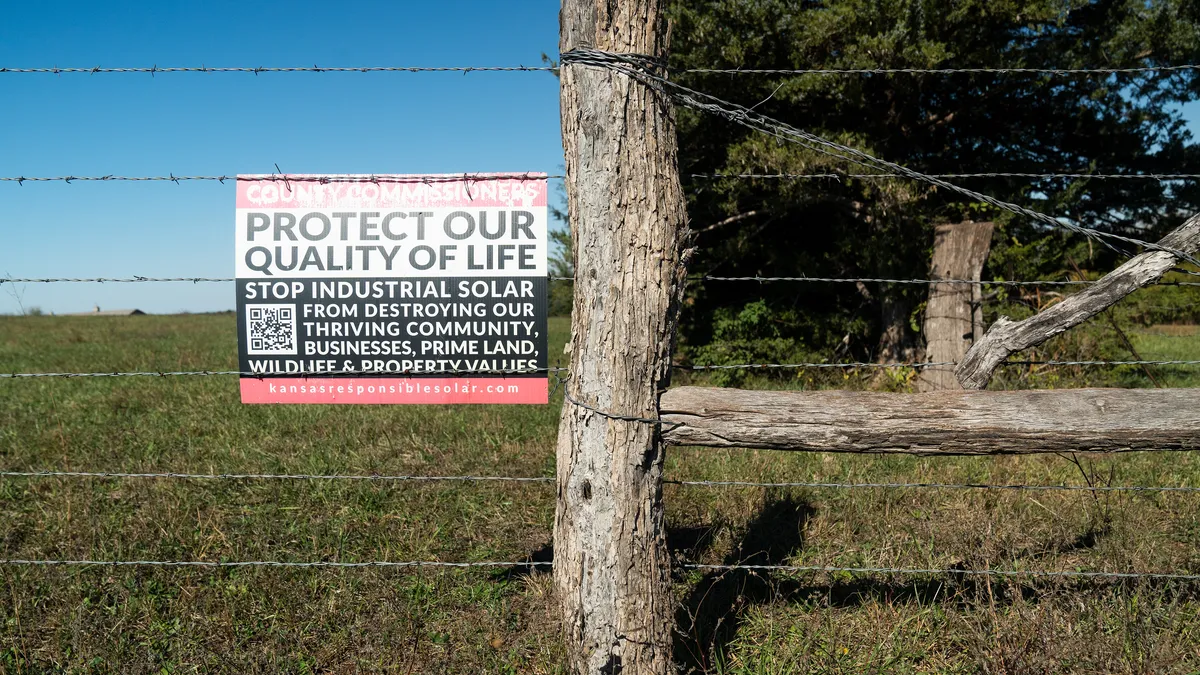
In Gardner, Kansas, a 93-year-old woman and her family faced opposition from neighbors over their plan to lease land for a solar farm, reflecting a nationwide trend of local opposition to renewable energy projects. Despite the urgent need for carbon-free energy, 15% of U.S. counties have banned or blocked utility-scale wind and solar projects. The Knoche family, with deep roots in the land, hoped to lease their property for a solar farm to secure its future, but faced a five-year battle due to concerns about industrial solar's impact on the rural landscape, property values, and health. The opposition highlights the challenges of siting renewable energy projects and balancing property rights with the need for clean energy.
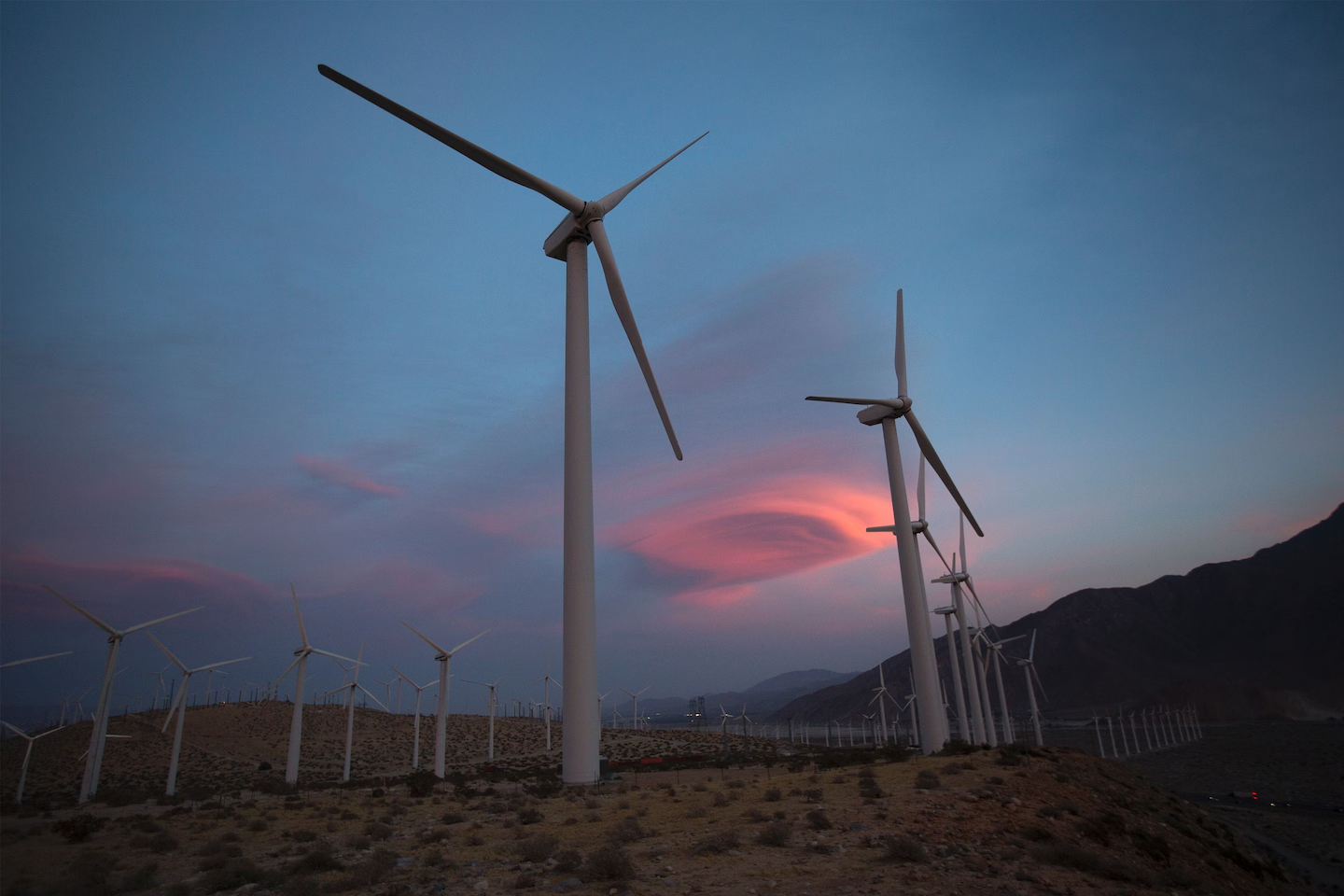
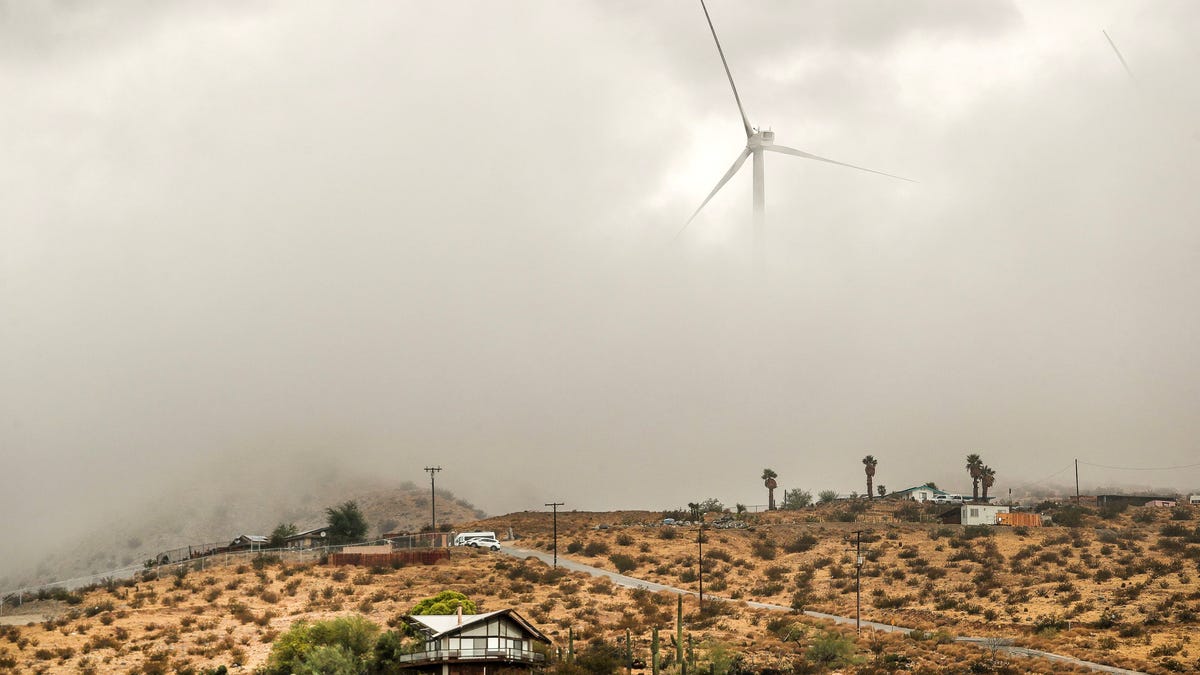
Across the U.S., local governments are blocking the construction of large-scale solar and wind power projects at a faster rate than they are being built, with at least 15% of counties effectively halting new utility-scale wind, solar, or both. This trend poses a significant challenge to the country's goal of reaching 100% clean energy by 2035, as the opposition to renewable energy projects grows due to concerns about property rights, environmental impact, and changes to the local landscape. The increasing obstacles to building green energy infrastructure could hinder the nation's ability to transition away from greenhouse gas-producing energy sources in time to address climate change.