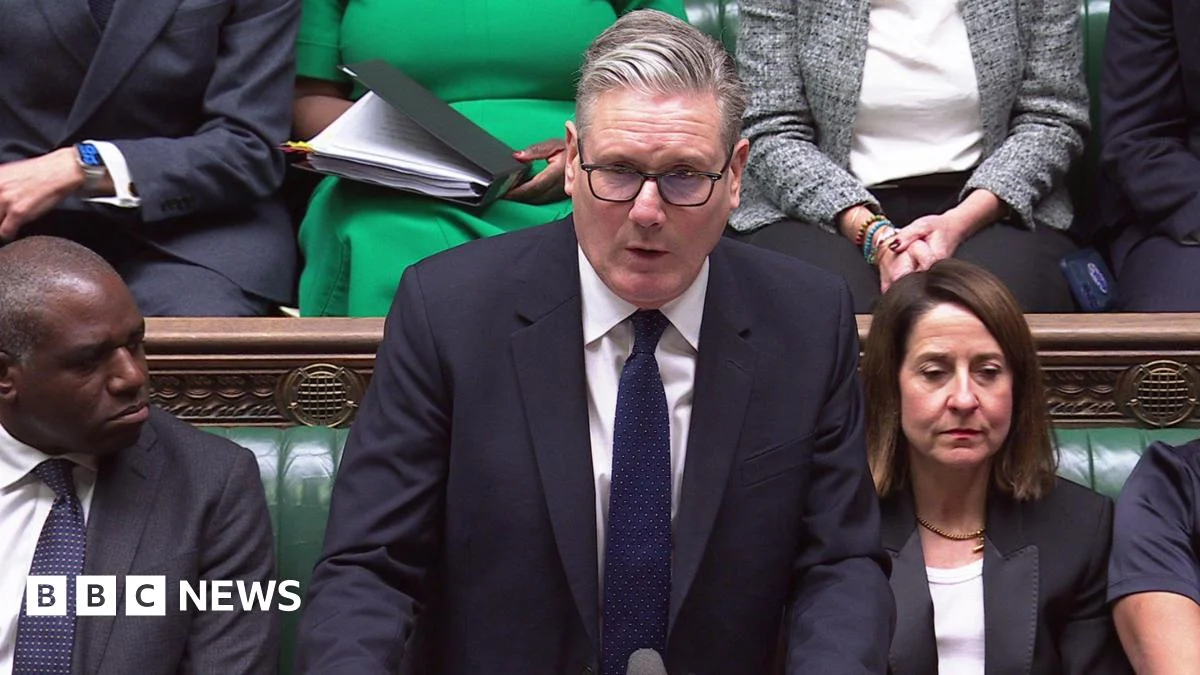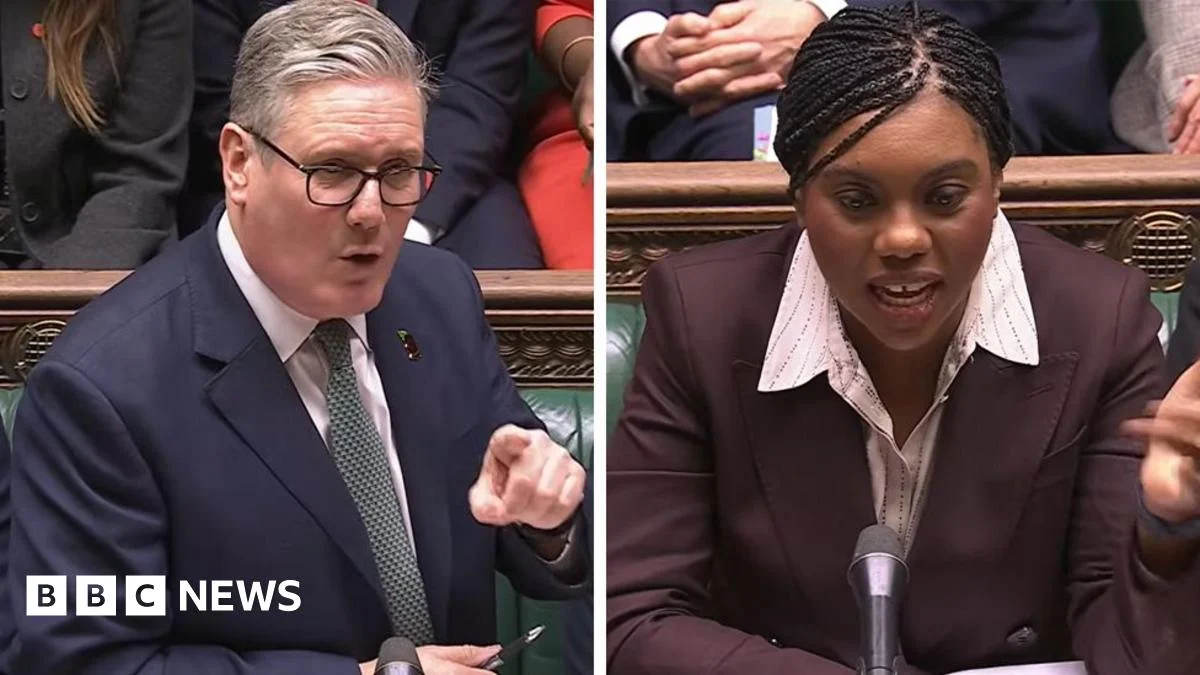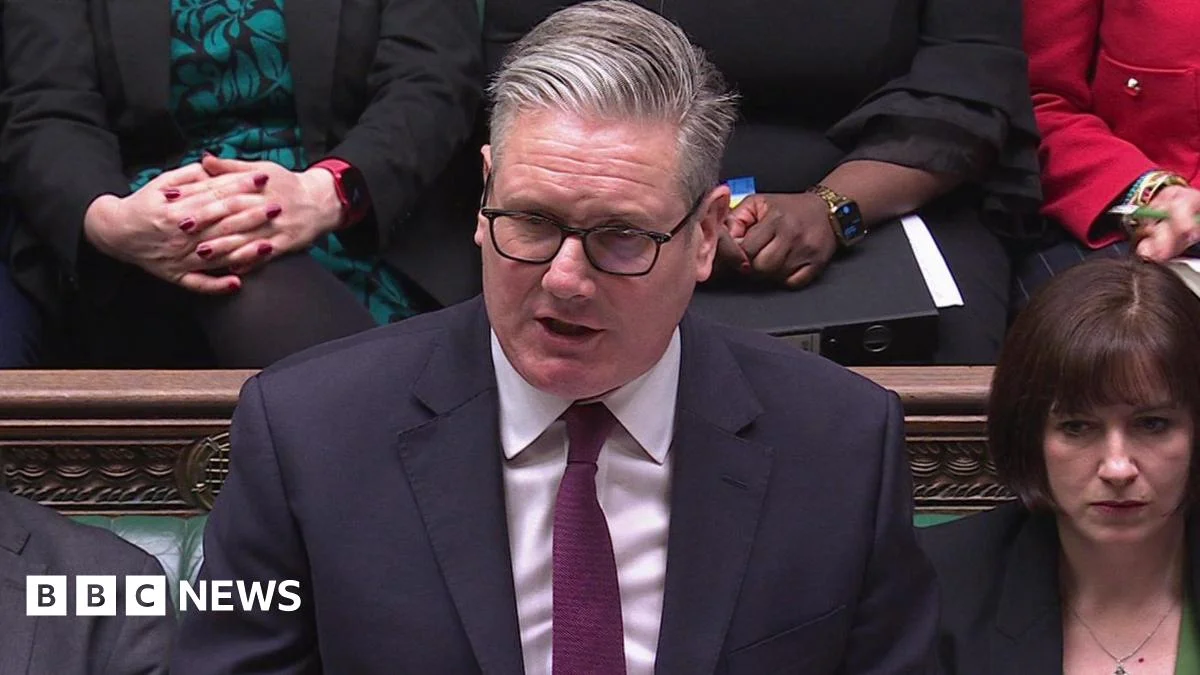
During PMQs, Badenoch and Starmer clashed over the Budget, with Badenoch calling for Reeves's resignation and criticizing the government's handling of public finances, while Starmer defended the Budget and criticized welfare policies like the two-child benefit cap. The session also covered issues like the resignation of the OBR chair, child poverty, water supply crisis, and Ukraine war support.
Keir Starmer denies authorizing attacks on ministers during PMQs, amid ongoing leadership speculation and internal briefings, while addressing NHS recovery and government policies.
Rachel Reeves, the UK Chancellor, publicly addressed her emotional moment in the House of Commons, attributing her tears to personal issues. Despite the incident, she expressed confidence in her role and was supported by Prime Minister Rishi Sunak and Labour leader Keir Starmer. The event temporarily affected government borrowing costs, but market confidence was restored after her colleagues' support. Reeves emphasized her commitment to her job amid ongoing political and financial challenges.
During Prime Minister's Questions, Keir Starmer faced tough questioning on welfare policies, with Labour's Reeves visibly emotional, highlighting ongoing political tensions in the UK. The article also touches on recent controversies involving UK festivals and international reactions, but the main focus is on domestic political debates.
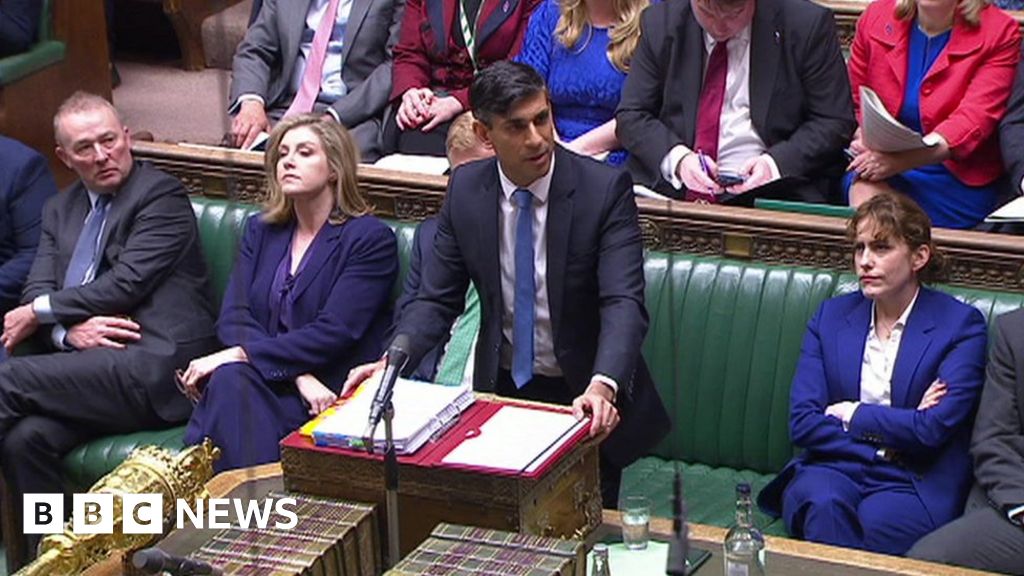
During Prime Minister's Questions (PMQs), Rishi Sunak and Keir Starmer clashed over the economy and the UK's Rwanda deportation plan, with Starmer criticizing the government's spending on the scheme. Sunak defended his economic plan, highlighting a decrease in inflation and addressing concerns about the Rwanda policy. The session also covered topics such as the Israel-Gaza war, shortage of hospital beds, and Tory donor comments.
During a PMQs session focused on racist comments, veteran MP Diane Abbott stood up 46 times to catch the Speaker's attention but was not selected to ask a question of the prime minister. The alleged comments by a Tory donor about Ms Abbott dominated the debate, and a spokesperson for the Speaker said he "ran out of time" to call on her.
During Prime Minister's Questions, Rishi Sunak defended the government's handling of the steel industry, outlined plans to tackle knife crime, and addressed questions about the Post Office scandal, LGBT rights, and digital consent for children. He also expressed the government's commitment to finding a lasting resolution to the Israel-Gaza conflict and discussed various other topics raised by MPs, including safeguarding football clubs, supporting farmers, and addressing the oil and gas industry.
Rishi Sunak is facing calls to apologize for making a jibe about Keir Starmer's position on trans rights during Prime Minister's Questions. The Labour leader was visibly furious, especially as the mother of a murdered transgender teenager was present in the chamber. Sunak's comments have sparked controversy, with some calling for an apology and others defending his remarks. The incident has reignited debate around transgender rights and political discourse.
During Prime Minister's Questions, Labour leader Keir Starmer launched personal attacks on Chancellor Rishi Sunak, focusing on Conservative party splits and Sunak's wealth and background, while Sunak criticized Labour's green policies and Starmer's legal career. The session also saw a heated exchange over the situation in Gaza, with a Labour MP accusing Sunak of having "the blood of thousands of innocent people on his hands," prompting a sharp response from the Chancellor.
As Prime Minister's Question Time approaches, the focus remains on the Post Office scandal, with the government preparing for a possible announcement to exonerate sub-postmasters en masse. While there is a political decision to address the miscarriage of justice, concerns linger about the potential ramifications on the political and legal system, as well as the possibility of genuinely guilty individuals being exonerated alongside those who were not.