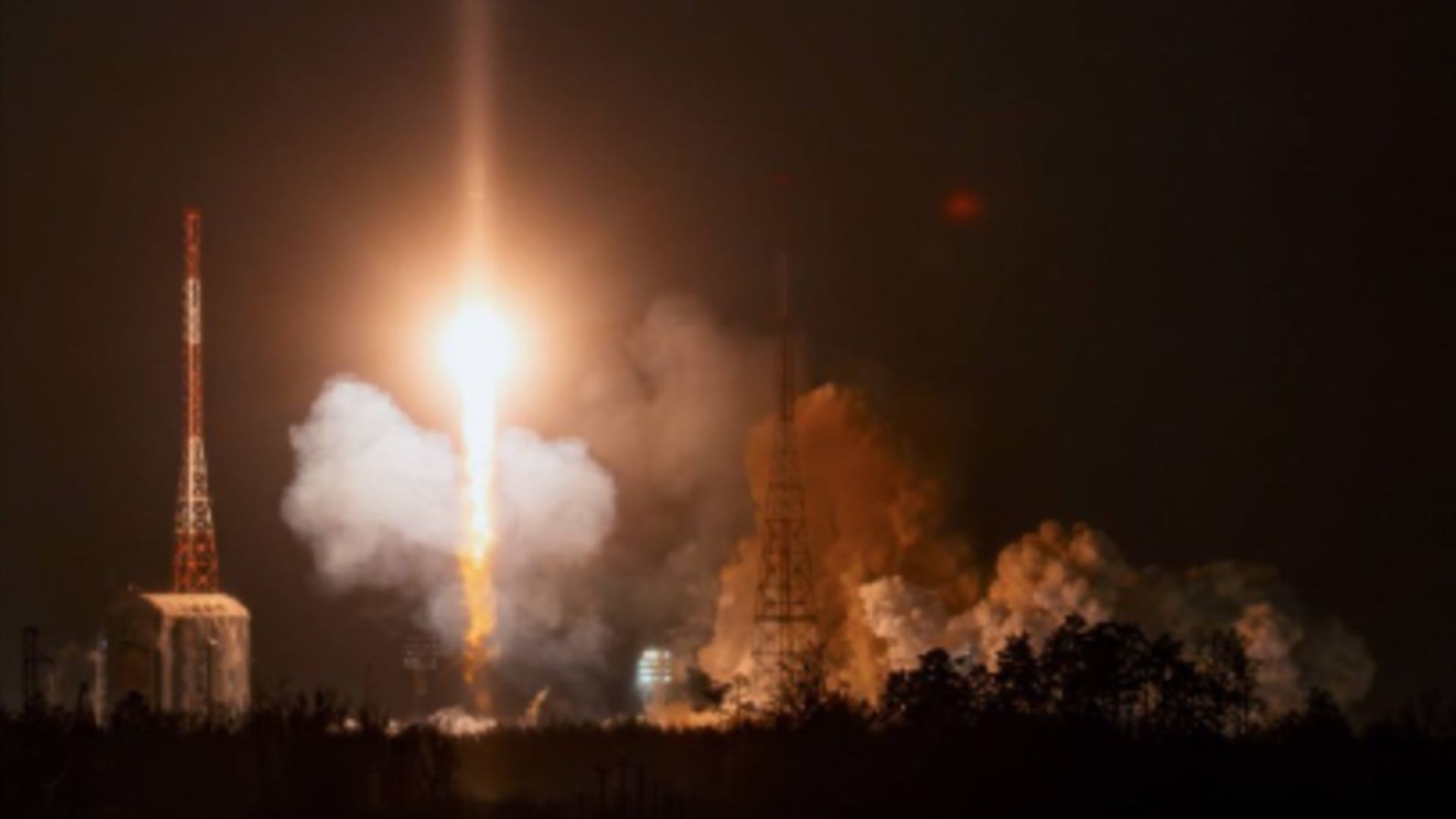
Iran launched three Earth-observation satellites into space using a Russian Soyuz rocket as part of a larger rideshare mission from Siberia, which included Russian, UAE, and other international satellites, totaling 52 satellites launched.
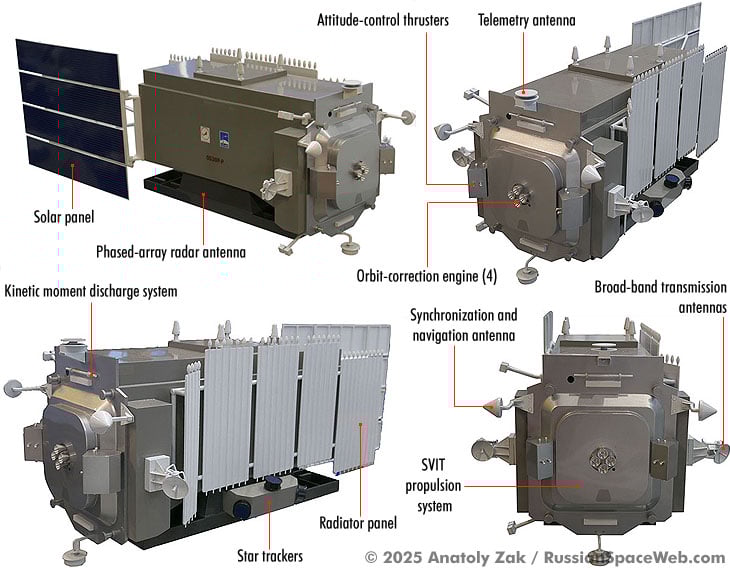
A Russian Soyuz rocket is scheduled to launch the all-weather Obzor-R radar satellite on December 24, 2025, from Plesetsk, after years of delays. The satellite, developed by RKTs Progress, will operate in a near-polar, Sun-synchronous orbit for military and civilian imaging purposes, marking a significant milestone in Russia's space capabilities.
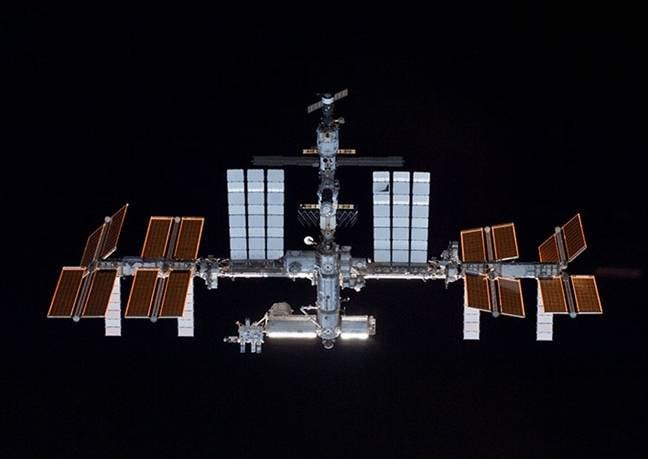
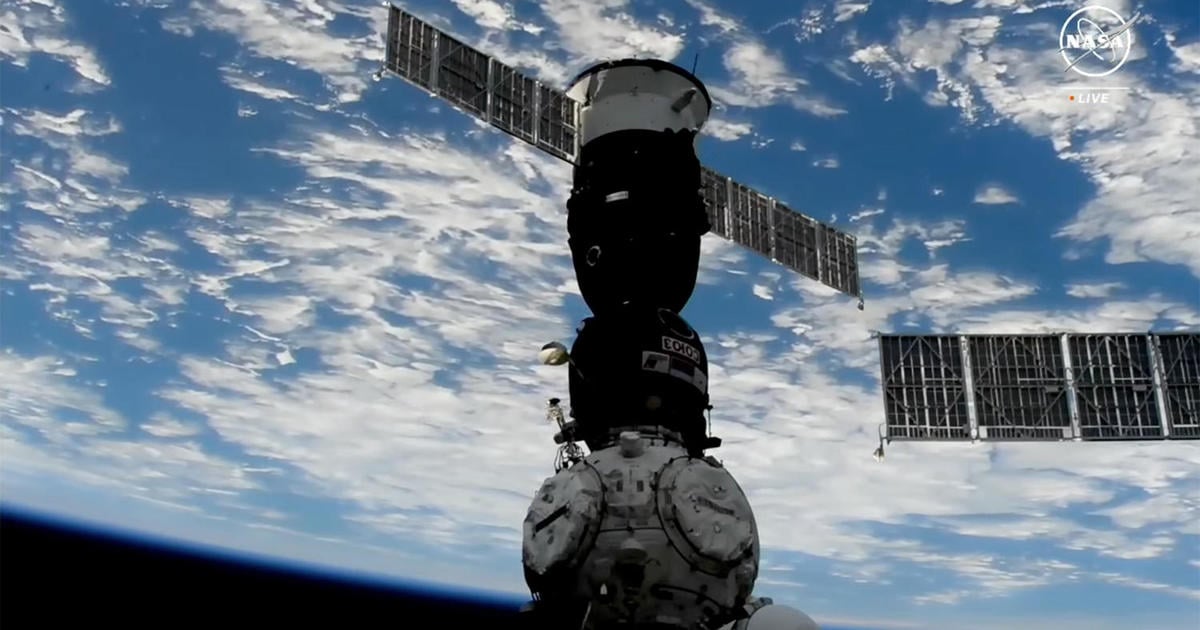
The International Space Station is experiencing a rare situation with all eight docking ports occupied, including four by Russian vehicles, amid ongoing issues with Russia's launchpad which could delay future Soyuz missions. This situation raises concerns about crew transport and resupply, with potential increased reliance on NASA's commercial partners like SpaceX and Boeing, and questions about Russia's future involvement in the ISS as it approaches its deorbit around 2030.
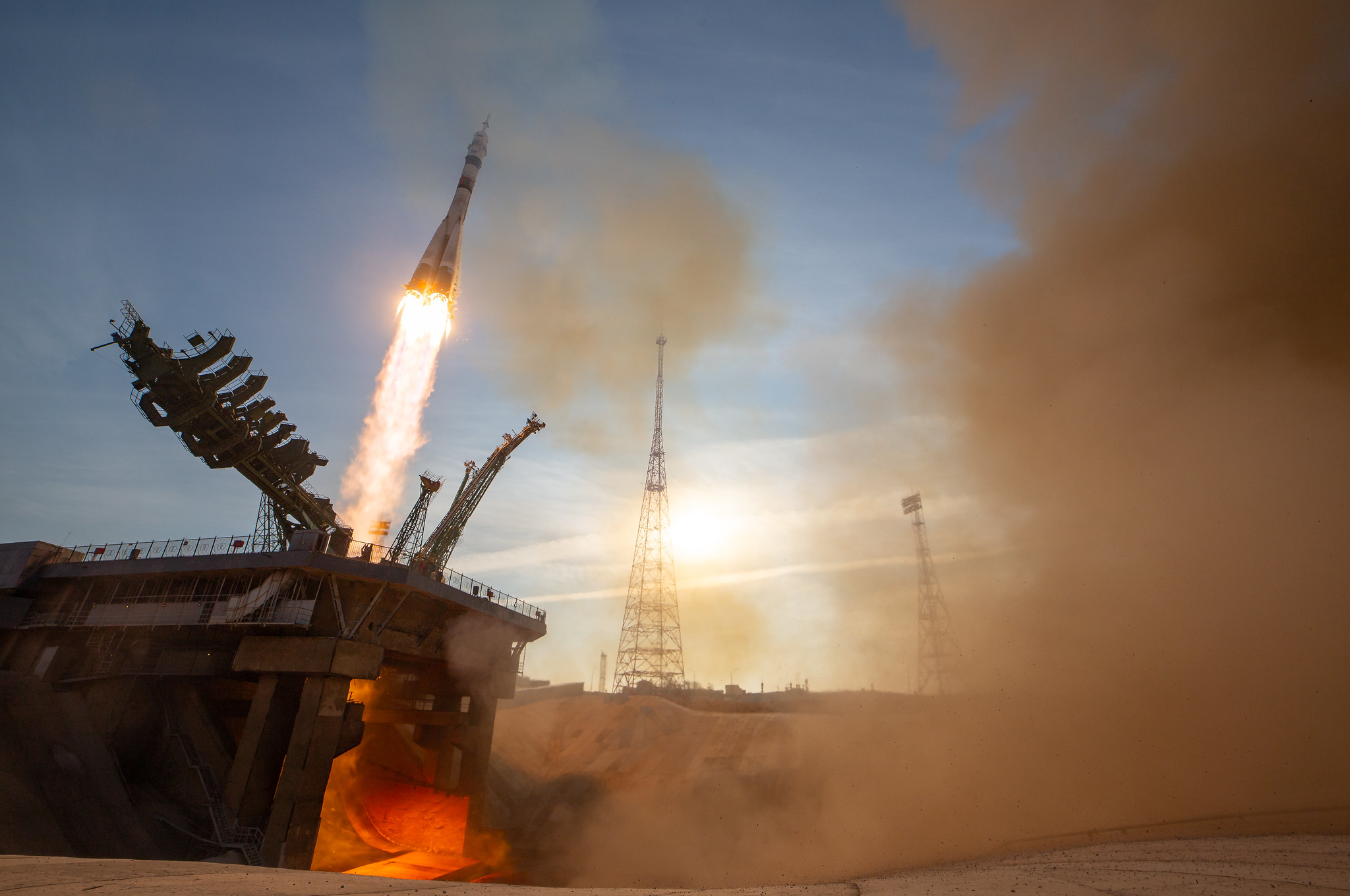
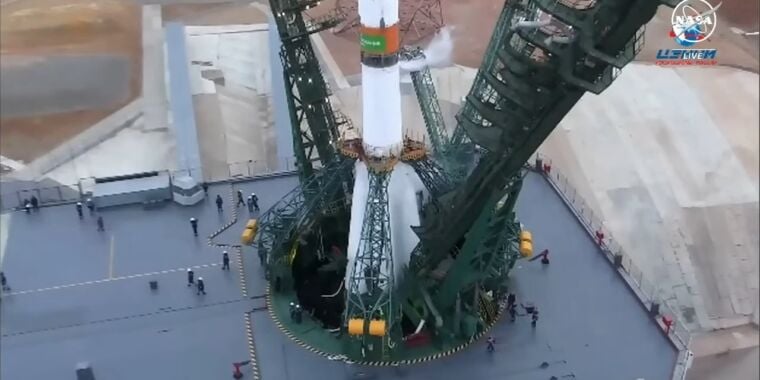
The Baikonur Cosmodrome's Launch Pad 6 was damaged during a recent Soyuz launch to the ISS, raising concerns about its ability to support upcoming missions. While Roscosmos claims the damage can be quickly repaired, experts suggest repairs could take up to two years, potentially impacting Russia's ISS operations and crew rotations. The next scheduled launch from this pad is on December 20, with a crewed mission planned for July 2026.
A Russian Soyuz spacecraft successfully brought a Russian cosmonaut, a Belarusian guest flier, and a NASA astronaut back to Earth after undocking from the International Space Station. The crew landed in Kazakhstan, with the returning fliers assisted by Russian recovery crews. The NASA astronaut, Loral O'Hara, completed a 204-day mission, while her crewmates spent 14 days in orbit. The return completed a complex sequence of flights to replace five of the space station's seven long-duration crew members.
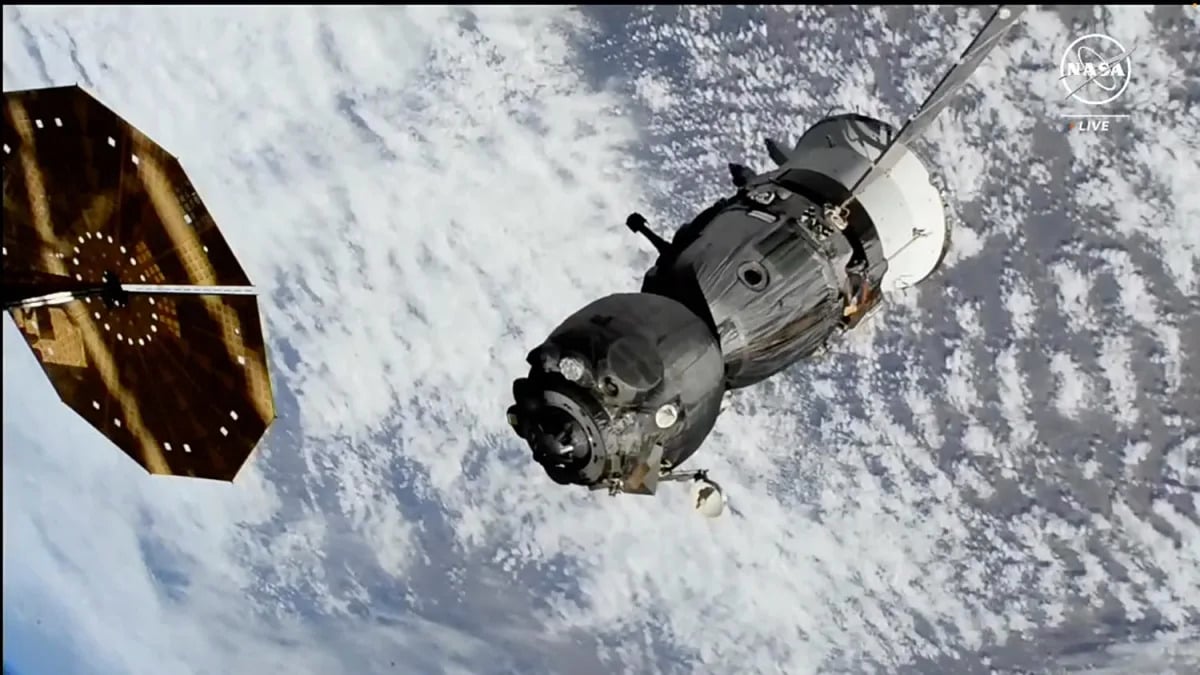
A Russian Soyuz spacecraft successfully docked at the International Space Station, bringing two short-duration crew members and a NASA astronaut for a six-month stay. The crew swap was necessary due to the station's ongoing research and the need to prepare for the arrival of Boeing's Starliner spacecraft in early May, which will provide NASA with redundancy for launching astronauts to and from the space station.
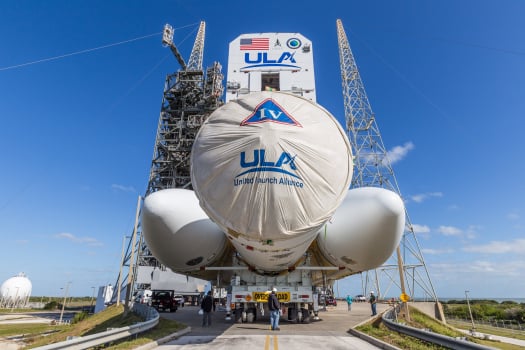
This week's launch schedule includes a trio of Falcon 9 Starlink launches, a Falcon 9 non-Starlink launch, a Chinese launch, and a Russian Soyuz launch. The most anticipated launch is the final launch of a Delta family rocket, the Delta IV Heavy, which has been in service since the beginning of the space age. The launches are set to take place from various locations, including Cape Canaveral and Vandenberg Space Force Base.
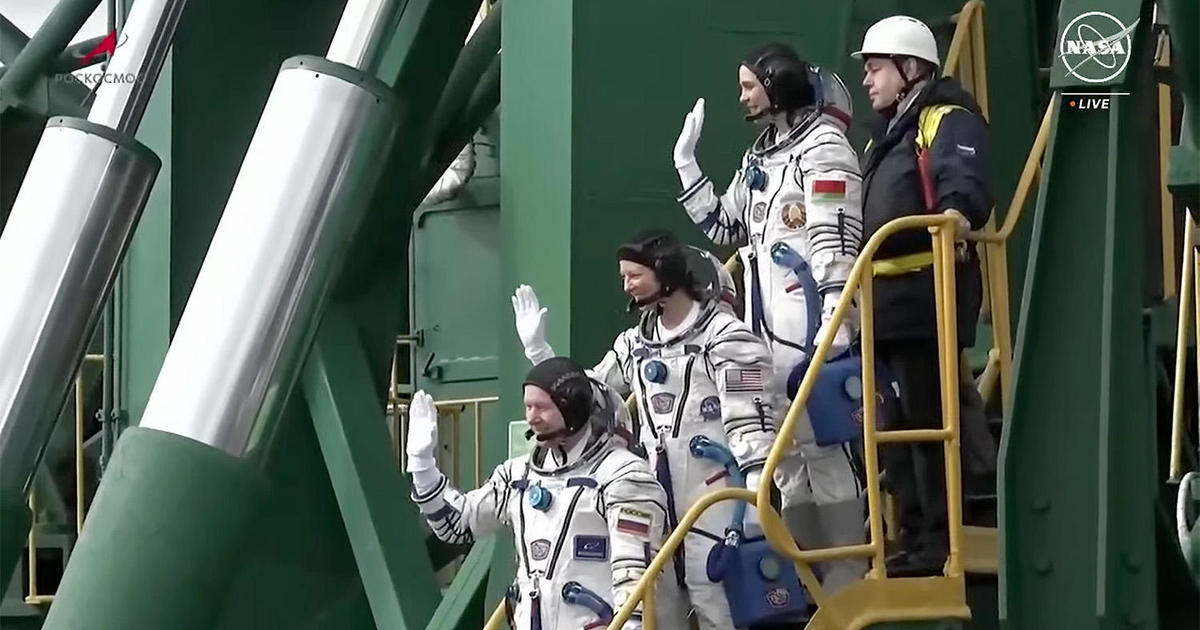
A Russian Soyuz spacecraft successfully launched with two crew members and a NASA astronaut bound for a six-month tour of duty at the International Space Station, two days after a rare last-second launch abort. The spacecraft is expected to dock at the space station on Monday, joining the current crew members. The mission also includes the first citizen of Belarus to fly in space and plans for upcoming spacewalks and the launch of Boeing's Starliner ferry ship.
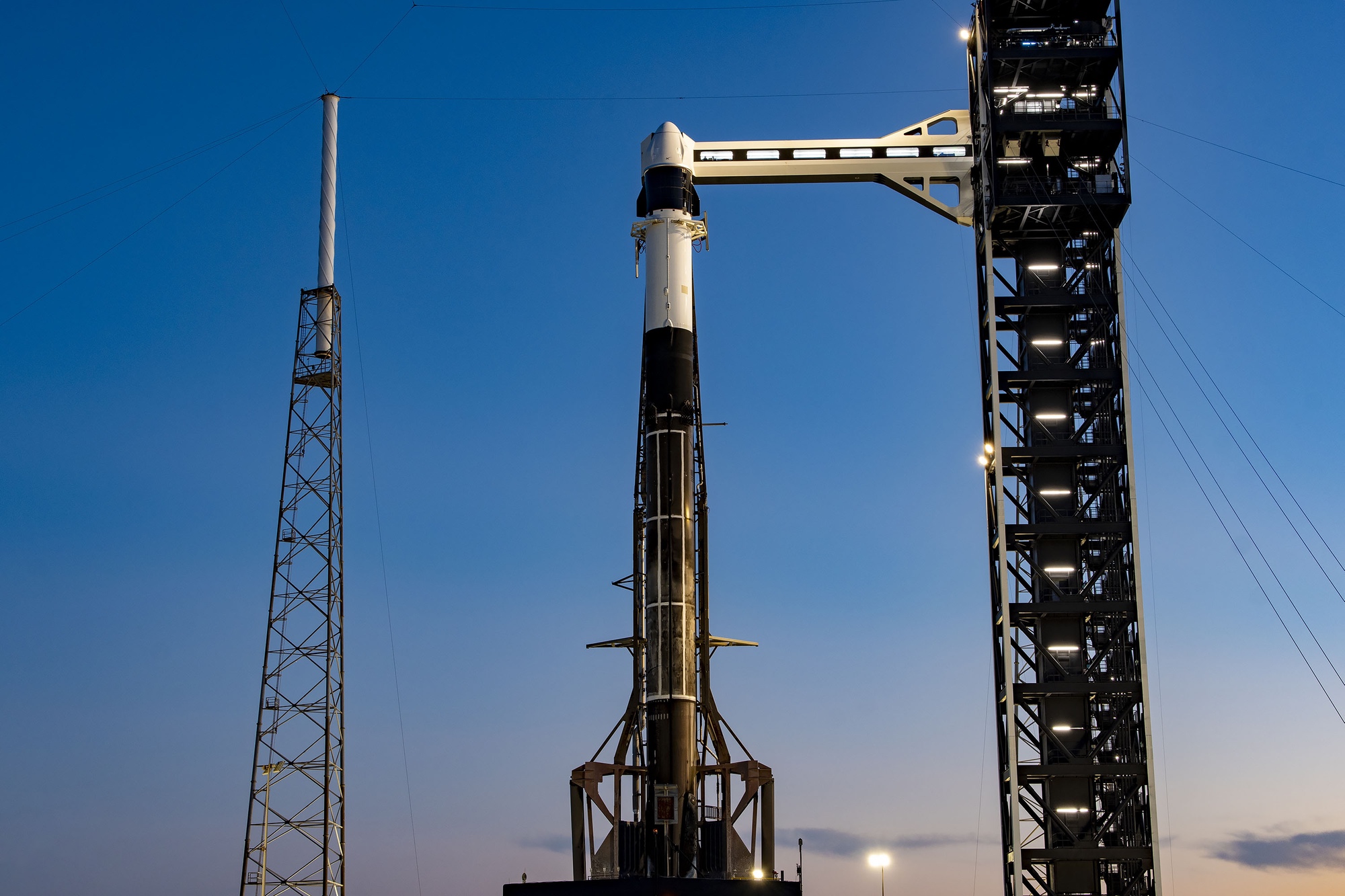
A cargo Dragon spacecraft successfully launched to the International Space Station from Cape Canaveral's Space Launch Complex 40, carrying 2,841 kilograms of cargo for the CRS-30 mission, just hours after a rare last-minute abort of a Russian Soyuz spacecraft launch to the station. The launch marks the first time the current version of Dragon has launched from SLC-40, following the completion of a new crew access tower at the pad, providing redundancy and alleviating congestion at the pads.
Russia aborted the launch of three astronauts to the International Space Station just moments before takeoff due to a safety issue, ensuring the crew's safety. The Soyuz rocket was set to transport a NASA astronaut, a Roscosmos astronaut, and a Belarusian astronaut, but an automatic safety system halted the launch approximately 20 seconds before liftoff. Despite tensions over Ukraine, the ISS symbolizes ongoing Russia-West cooperation, with a rescheduled launch attempt planned for Saturday.
A Soyuz rocket launch carrying three crew members to the International Space Station was aborted just 20 seconds before liftoff due to unspecified issues, causing a delay in the mission. The crew, including a NASA astronaut and a Roscosmos cosmonaut, will now have to wait for a potential Saturday launch, which would result in a longer transit to the space station. Despite the delay, a NASA cargo supply mission by SpaceX is still scheduled to launch later on Thursday.
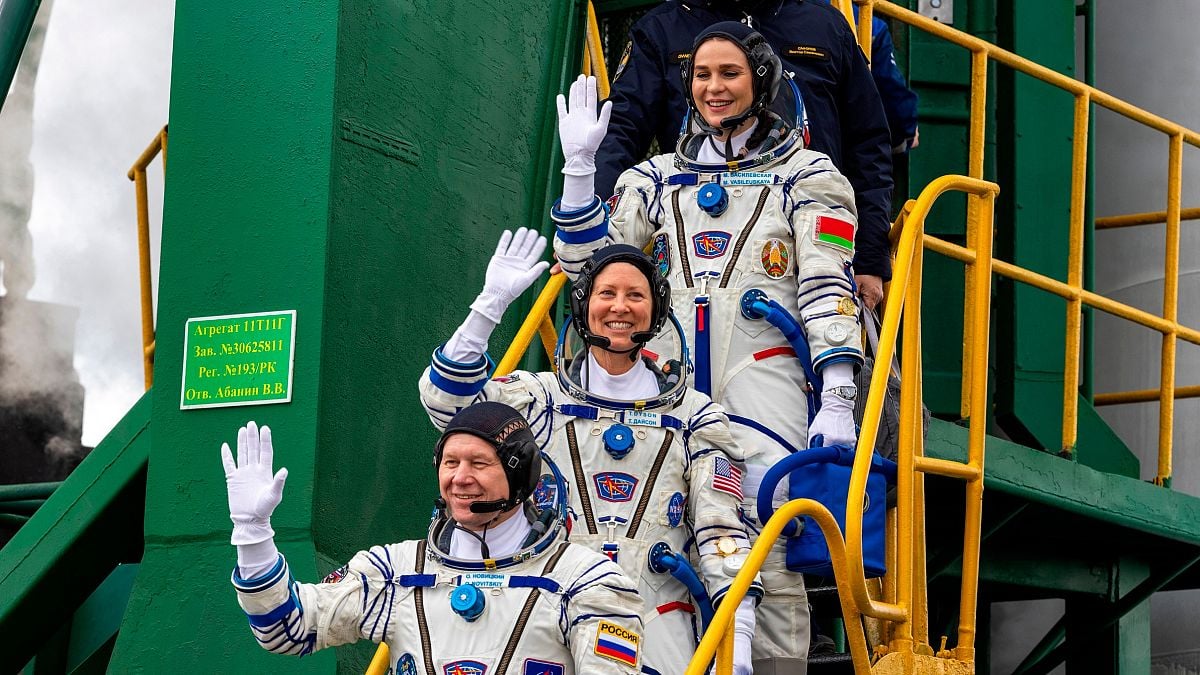
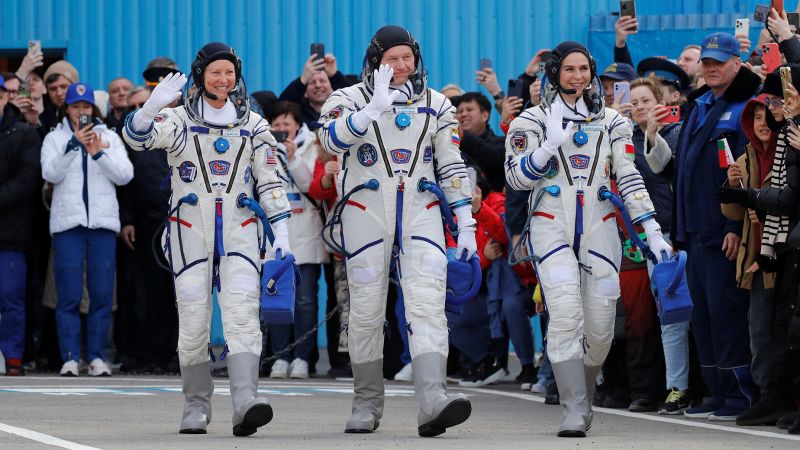
The scheduled launch of a Soyuz spacecraft carrying three crew members to the International Space Station was automatically aborted 20 seconds before liftoff due to a failure in the rocket's engine sequence start. The crew, including NASA astronaut Tracy C. Dyson, Roscosmos cosmonaut Oleg Novitskiy, and spaceflight participant Marina Vasilevskaya, is safe, and the next launch opportunity is on Saturday pending resolution of the issue. The abort may impact a separate cargo resupply mission by SpaceX, and the crew will join others already aboard the space station once the launch is rescheduled.
The launch of the Soyuz MS-25 mission carrying a Russian cosmonaut, an American astronaut, and a Belarusian spaceflight participant to the International Space Station was scrubbed 20 seconds before liftoff, with a new launch date possibly set for Saturday, March 23. The crew includes Oleg Novitsky, Tracy Dyson, and Marina Vasilevskaya, with Novitsky serving as the mission commander. Dyson, a NASA astronaut, shared her experiences and preparations for the mission, while Vasilevskaya, a former ballroom dancer turned flight attendant, is set to make history as the first Belarusian woman to fly to space.
From Nov. 30, 1973, to Jan. 28, 1974, the Soyuz spacecraft completed a two-month autonomous endurance mission, setting a new record for its solo flight. Originally intended for a crewed mission to the DOS-2 space station, the spacecraft was repurposed for the unpiloted test flight after the loss of DOS-3. The mission, designated Kosmos-613, involved testing the spacecraft's onboard systems in a simulated joint flight with a space station, certifying it for future expeditions. The spacecraft successfully landed on Jan. 28, 1974, and its nature was publicly acknowledged in 1985.
SpaceX is set to continue its busy launch schedule with two Falcon 9 launches, while Roscosmos plans to launch a Soyuz 2.1a to resupply the International Space Station (ISS). The Soyuz mission will deliver cargo, including fuel, water, and supplies, to the ISS. One Falcon 9 launch will carry South Korea's DAPA reconnaissance satellite and several rideshare satellites, while the other will deploy 23 Starlink satellites to low-Earth orbit. Additionally, China's Jielong-3 rocket is scheduled to launch an unknown payload, potentially including the first Hong Kong Star satellite, which aims to compete with SpaceX's Starlink.