Scientists have developed Effort.jl, a fast and accurate emulator that mimics complex models of the universe's large-scale structure, enabling faster analysis of cosmic data from surveys like DESI and Euclid without sacrificing precision.
Astronomers using the MIGHTEE-HI survey discovered a 5.5 million light-year-long rotating galaxy filament connecting 14 galaxies, providing new insights into the early stages of cosmic web structures and galaxy evolution.
The cosmic neutrino background, a relic from the early stages of the hot Big Bang, has not been directly detected yet. However, evidence for its existence has been found indirectly through its imprints on the cosmic microwave background (CMB) and the clustering of galaxies in the large-scale structure of the Universe. Direct detection of the cosmic neutrino background is challenging due to the extremely tiny cross-section of neutrinos for interacting with other particles. Current experiments are not capable of detecting the signals from these relic neutrinos unless novel physics or technological advancements are involved. Future observations with more precise CMB measurements and large-scale structure surveys may provide further evidence for the cosmic neutrino background.
The growth of the large-scale structure of the universe, which is mostly composed of dark matter, is slower than expected, according to a recent analysis. This discrepancy, known as the S8 tension, suggests a suppression of growth beyond what is predicted by the standard model. The evidence for this suppression comes from multiple cosmological data sets and indicates a deviation from the standard model's picture. The late-time suppressed growth could have implications for our understanding of dark energy and gravity, and it may help alleviate the S8 tension. Further research is needed to determine whether this discrepancy is due to new physics or systematic errors in the measurements and analyses.
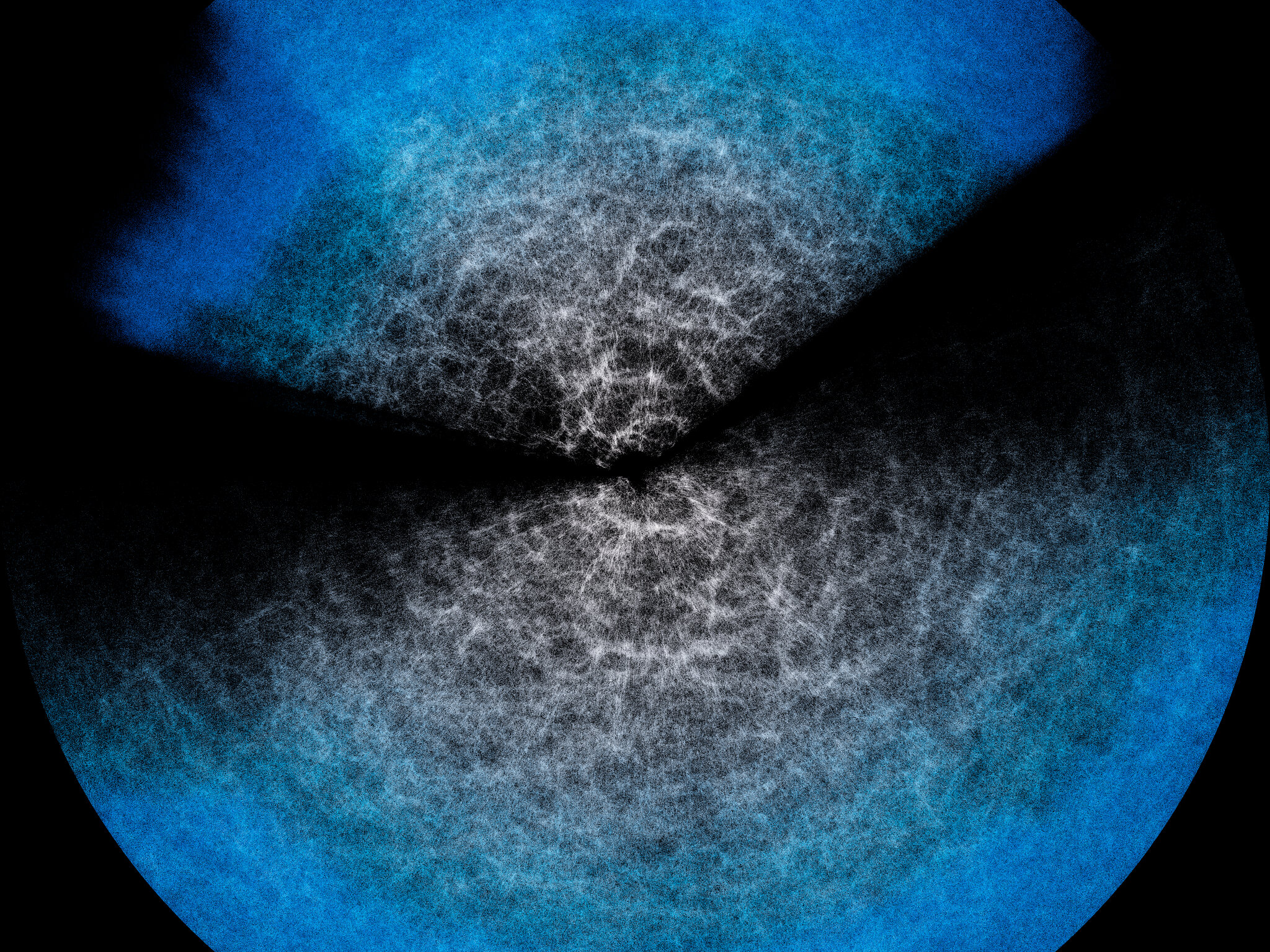
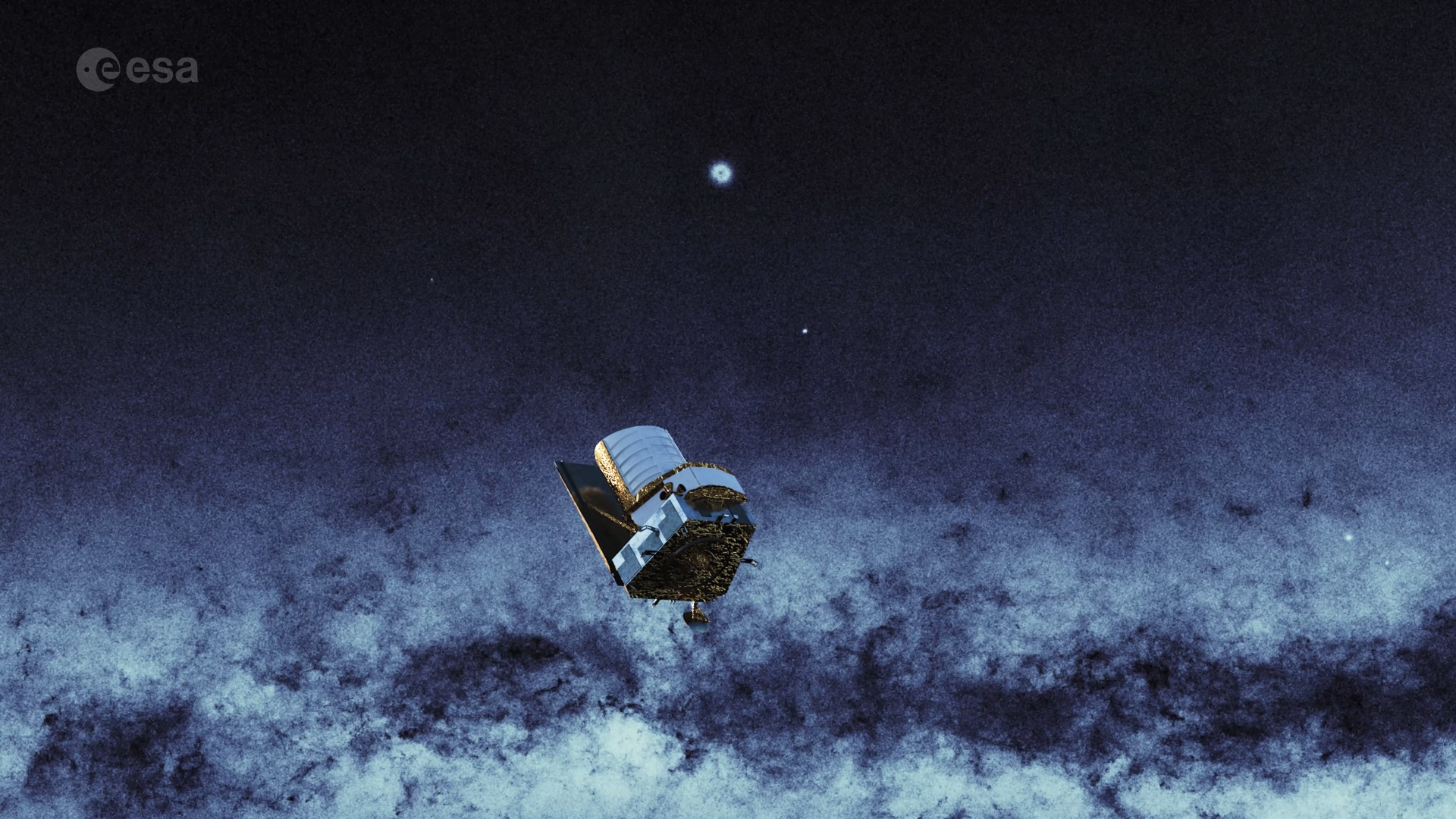
Scientists in the Euclid Consortium have developed the Euclid Flagship simulation, one of the most accurate and comprehensive computer simulations of the large-scale structure of the Universe, to prepare for the massive amount of data that will be produced by the Euclid mission. This mission aims to create a 3D-map of the Universe to measure the properties of dark energy and dark matter. The simulation allows astrophysicists to model the formation and evolution of galaxies, galaxy clusters, and the cosmic web, providing insights into the structure of the dark Universe.