Nintendo won a lawsuit against streamer Jesse Keighin, who was ordered to pay $17,500 for streaming pirated games and sharing emulator links, after he claimed to 'run the streets' in response to accusations of piracy, which Nintendo argued caused significant financial losses.
Jesse Keighin, who streamed pirated Nintendo Switch games and publicly insulted the company, lost a lawsuit and must pay Nintendo $17,500, after Nintendo sought damages and an injunction against his activities. Despite legal threats and social media provocations, Keighin's defiance has resulted in financial penalties, highlighting Nintendo's crackdown on piracy and emulation efforts surrounding its consoles.
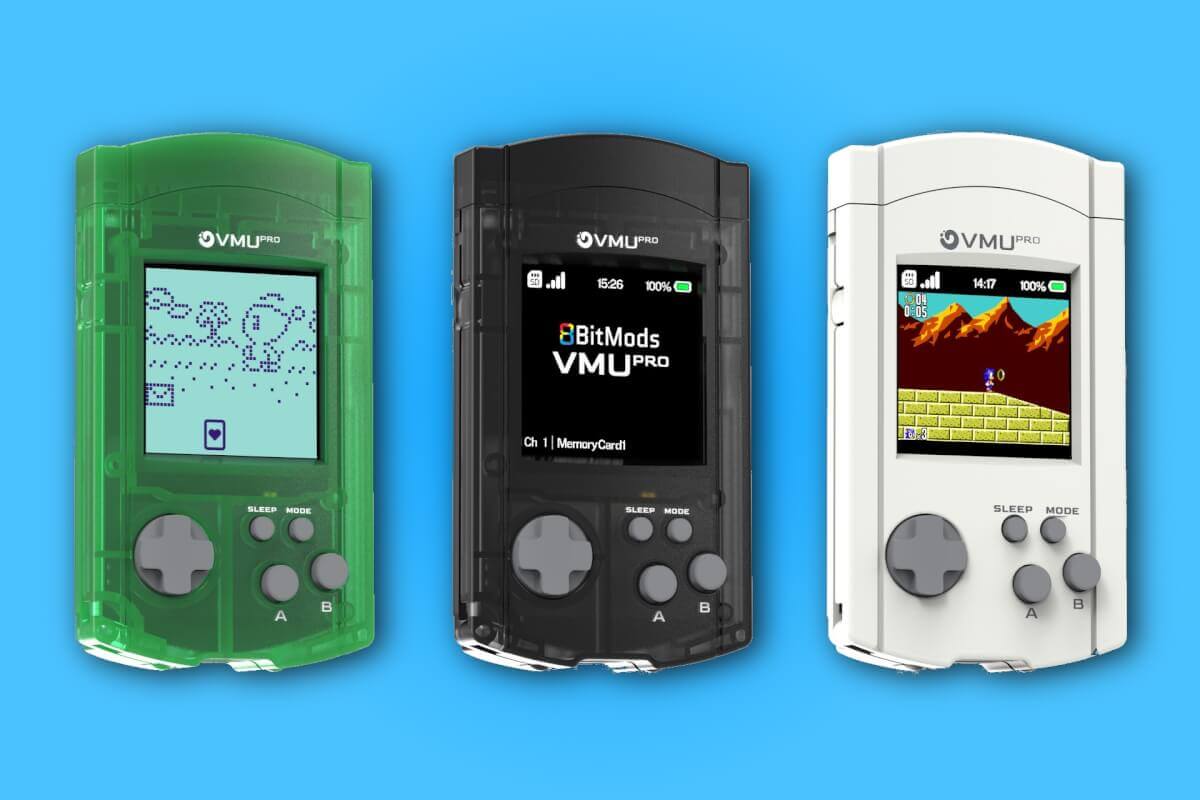
8BitMods has announced the VMUPro, a modern revival of the Sega Dreamcast VMU that functions as a portable gaming device and accessory, featuring a color screen, mini-game support, and emulators for classic consoles, with plans for future updates including an SDK and online store.
Scientists have developed Effort.jl, a fast and accurate emulator that mimics complex models of the universe's large-scale structure, enabling faster analysis of cosmic data from surveys like DESI and Euclid without sacrificing precision.
The article explores 20 years of Mac UI design through emulations of the Control Panel (now Settings), revealing its fascinating evolution and historical anecdotes, including insights into Apple's hardware and software development, with interactive experiences for users to explore the app's history.
Nintendo has reportedly taken ownership of the domain for the Switch emulator Ryujinx, following the emulator's disappearance from the internet after the lead developer was contacted by Nintendo and agreed to cease operations. This move is part of Nintendo's broader crackdown on emulators, which also saw the shutdown of the Yuzu emulator and a $2.4 million settlement. The Ryujinx website is no longer functional, and Nintendo's acquisition of the domain may prevent its revival.
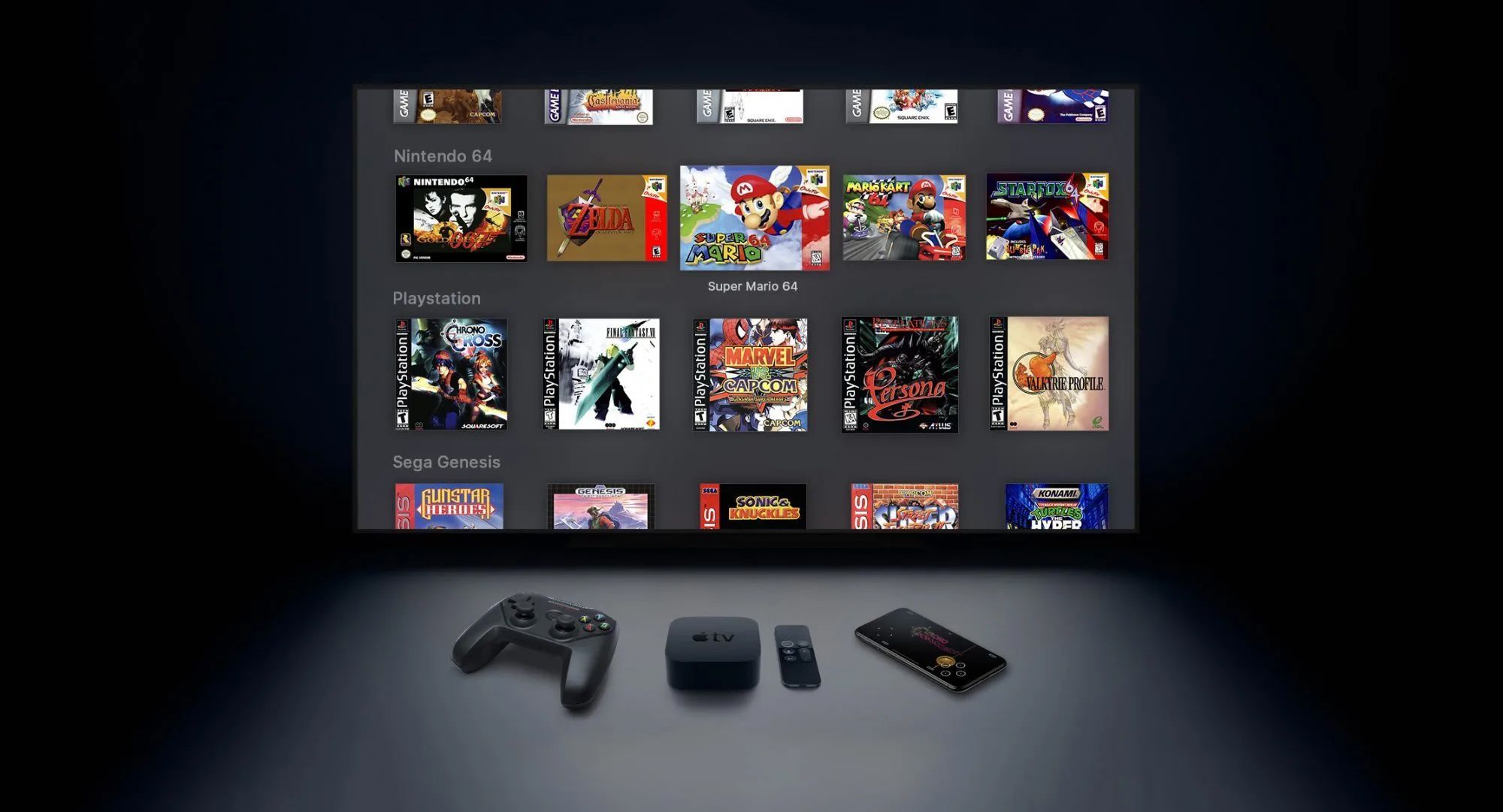
The Provenance multi-emulator app, which serves as a frontend for various existing emulators, is being developed for release on the App Store, potentially allowing iPhone and Apple TV users to emulate games from classic consoles like PlayStation, GameCube, Wii, SEGA Genesis, and Atari 2600. Apple recently updated its guidelines to permit retro game console emulator apps on the App Store, and Provenance would bring the first Sony, SEGA, and Atari emulators to the platform if approved.
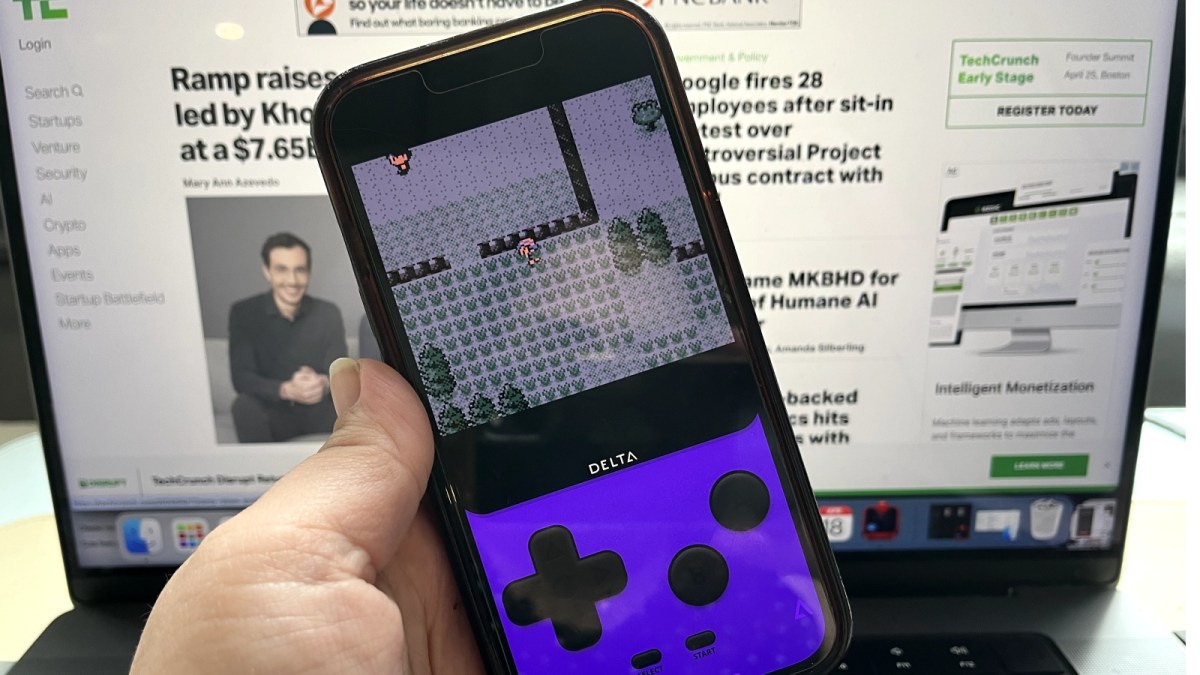
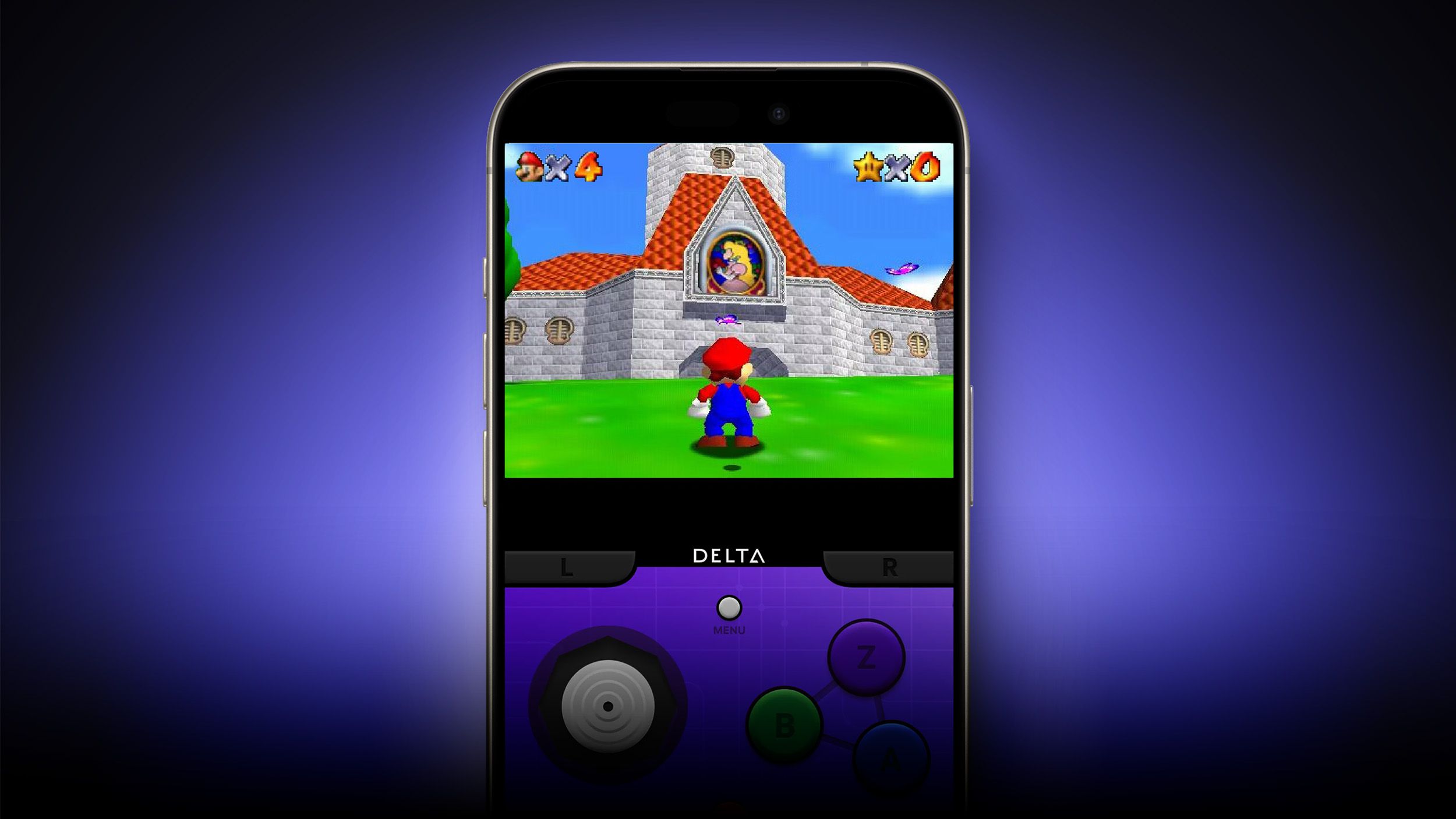
The Delta emulator app, which allows users to play retro games on their iPhones, has surged to the top of the App Store rankings following Apple's recent policy change. This development raises questions about the future of the iPhone and potential shifts in the App Store's openness. The episode of The Vergecast also delves into Google's corporate reorganization, the proliferation of AI technology, and various tech news, including Mini LEDs and bizarre TikTok updates.
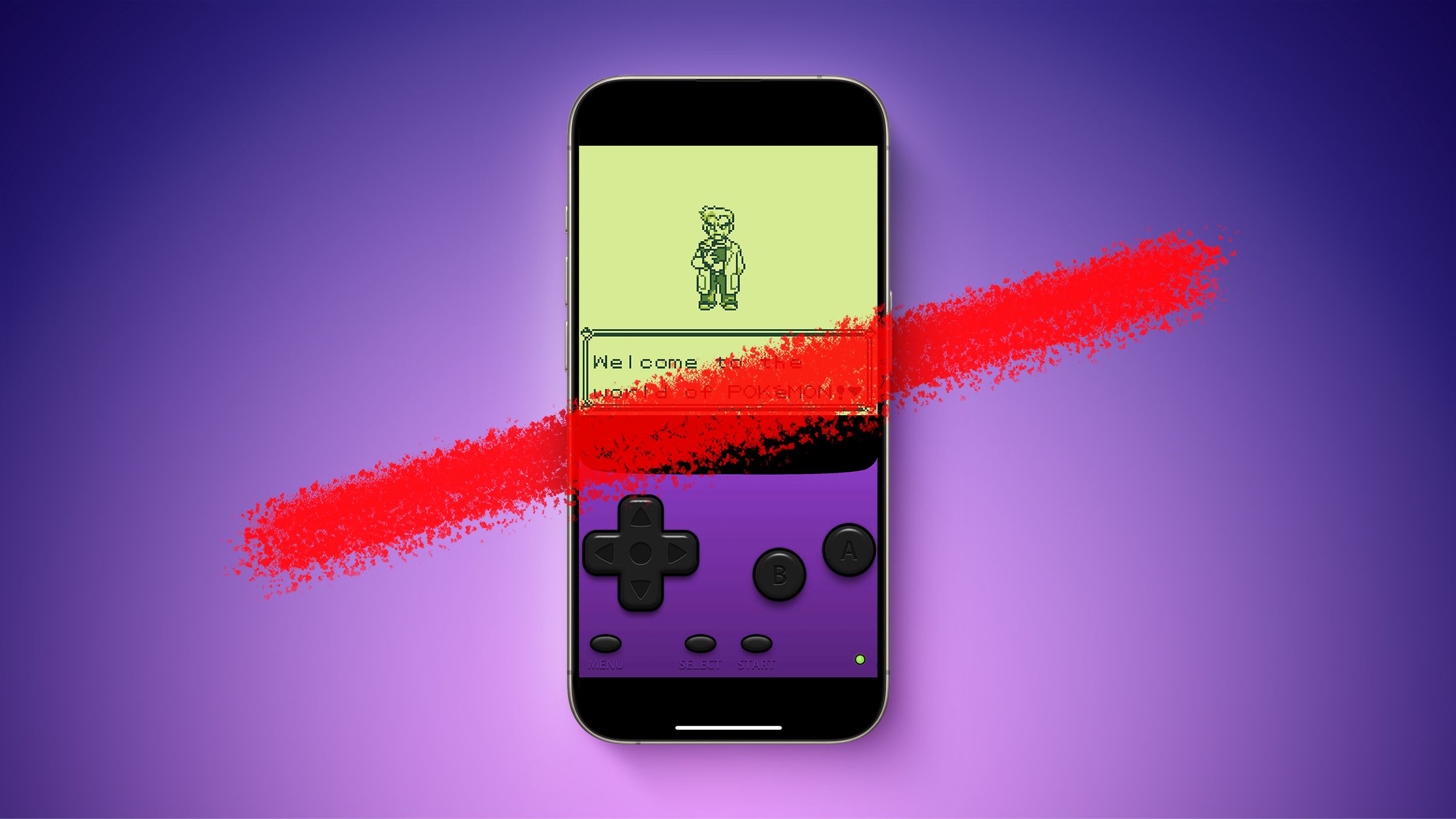
Apple has updated its App Store guidelines to allow retro game emulators on iOS, enabling users to play Game Boy, DS, N64, SNES, and NES games on their iPhones without jailbreaking or sideloading. The developer of GBA4iOS, Riley Testut, has released the Delta emulator on the App Store, which has quickly risen to the top of the charts. While downloading the emulator is legal, obtaining .ROM files for games may involve piracy. Legal methods for obtaining .ROM files are discussed, and the process of importing games into Delta is explained. Additionally, the article highlights the potential for ROM hacking communities to create new gaming experiences.
Apple has updated its App Review Guidelines to allow retro game console emulator apps on the App Store, permitting emulators that can load games for retro console games only. While popular emulators like Delta and Emu64 XL are now available, the legality of downloading copyrighted ROMs remains a concern, with Nintendo recently suing the developers of a Nintendo Switch emulator for facilitating piracy. Despite this, emulators like Delta and GBA4iOS have been available on the iPhone outside of the App Store for over a decade.
Apple has removed the iGBA Game Boy Advance emulator from its App Store, not due to piracy concerns, but because the app was found to be a rip-off of the open-source GBA4iOS emulator. Despite this, Apple maintains that emulators running downloaded games are still allowed on the App Store. The change is seen as a response to European pressure to allow certain apps on iPhones without jailbreaking, possibly to prevent users from defecting to App Store competitors. Nintendo's position on this matter is yet to be known, but the company has previously taken legal action against emulator creators for facilitating piracy.
Apple removed the iGBA Game Boy emulator from the App Store due to it being a copycat version of the open-source GBA4iOS app with added ads, clarifying that emulators are permitted to load ROMs downloaded from the web as long as they emulate retro console games only. The company updated its guidelines to permit retro game console emulators, but it remains to be seen how Nintendo will react to this decision.
The first gaming emulators have made their way onto the iOS App Store, with Emu64 XL for the Commodore 64 and iGBA for the Game Boy Advance and Game Boy Color being the first to appear. While iGBA has been pulled from the store, Emu64 XL is still available. Apple's decision to allow emulators on the App Store comes with caveats, as the apps must comply with all applicable laws and are responsible for the software loaded inside them. The legality of using emulators remains a gray area, and the success of these emulators may depend on the attitude of the original device manufacturers.
Apple has relaxed its App Store rules, allowing game emulators like Emu 64 XL for Commodore 64 and iGBA for Gameboy Advance and Gameboy Color to be available for download on iPhones and iPads. This policy change comes after years of Apple's ban on emulators and is likely a response to legal issues. The move also follows Apple's recent allowance of third-party video game streaming apps, signaling a shift in its strict policies towards gaming on its devices.
Apple has approved the first emulators for the iPhone, including iGBA, a Game Boy Advance emulator, and Emu64 XL, a Commodore 64 emulator. However, iGBA has sparked controversy as it appears to be an unauthorized clone of GBA4iOS, violating its open-source license, and collects user data without clear consent. Developer Riley Testut expressed frustration with Apple for approving a knock-off of his app, while also working on launching Delta, an alternative app marketplace. This development comes as Apple faces pressure to allow other app stores and sideloading on the iPhone, signaling a shift in the company's control over the App Store.