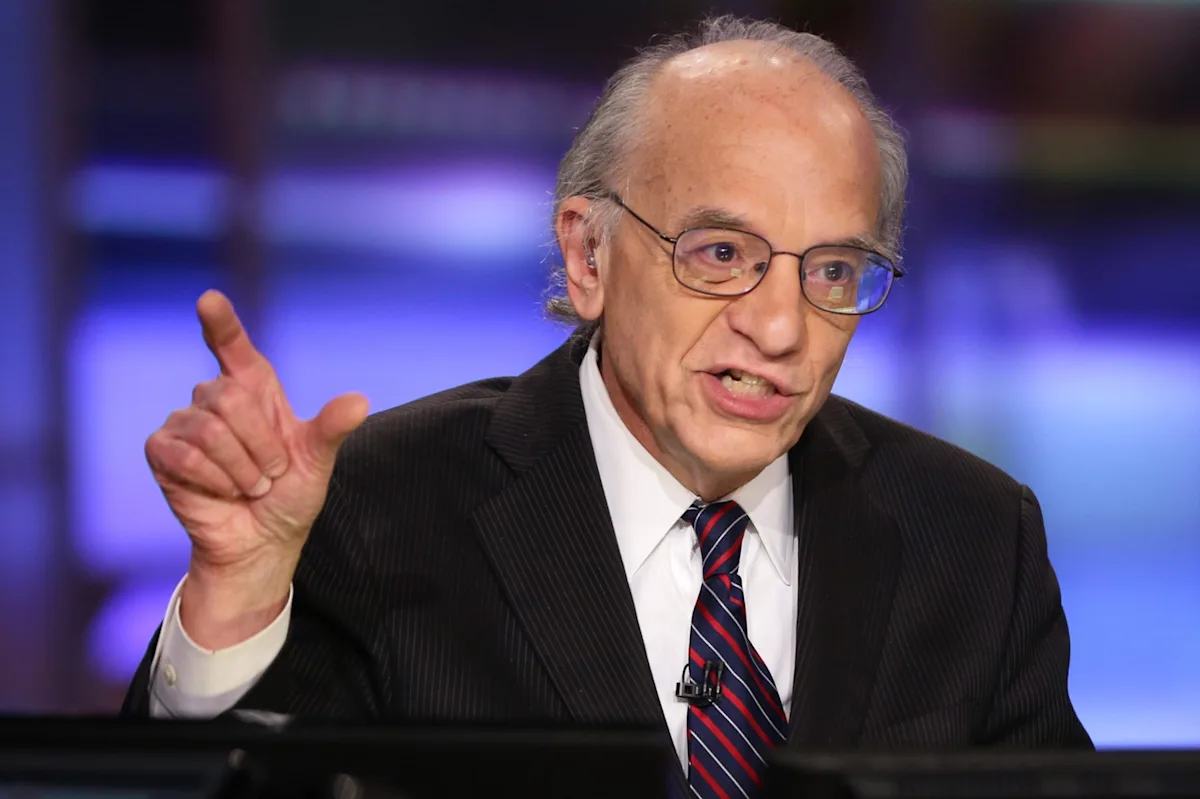
Weaker labor data has increased expectations of Federal Reserve rate cuts this year, with Wharton’s Jeremy Siegel predicting three reductions, leading to a market rally as investors anticipate easier monetary policy to support economic growth.
Investors are largely expecting a September interest rate cut by the Federal Reserve, with market reactions to the upcoming August jobs report contingent on whether the data shows softness or strength. A modest jobs increase is already priced in, and only significant surprises—either very weak or very strong—could alter the current rate cut expectations or impact stock and bond markets.
Investors should prepare for heightened market volatility around this week's jobs data, as upcoming labor market reports and the Federal Reserve's policy meeting could significantly influence the stock market, especially regarding potential rate cuts and economic growth signals.
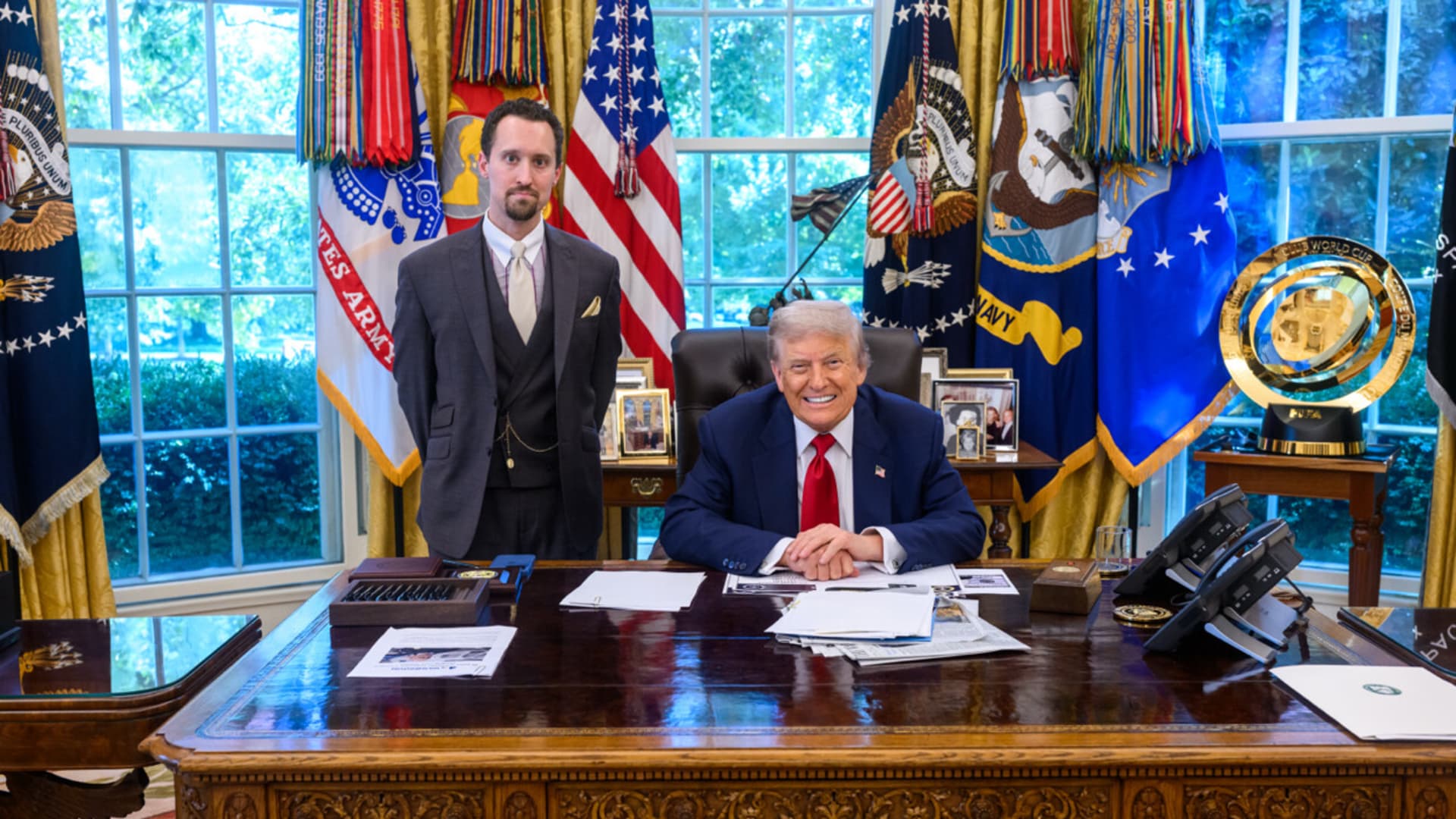
President Donald Trump announced his intention to nominate economist E.J. Antoni as the new commissioner of the Bureau of Labor Statistics, replacing Erika McEntarfer, amid concerns over data manipulation and recent job report revisions. Antoni, a critic of the BLS and chief economist at the Heritage Foundation, needs Senate confirmation to assume the role.
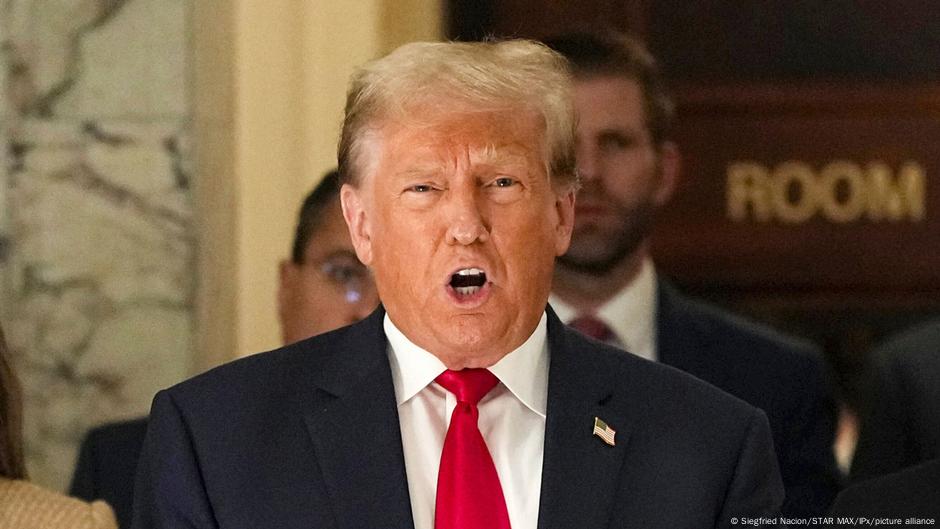
President Donald Trump dismissed the US Commissioner of Labor Statistics, Erika McEntarfer, shortly after a disappointing jobs report showing only 73,000 new jobs and revisions indicating weaker economic growth, accusing her of tampering with data without evidence. The move sparked criticism from economists, labor unions, and Democrats, who emphasized the importance of independent and accurate economic data.
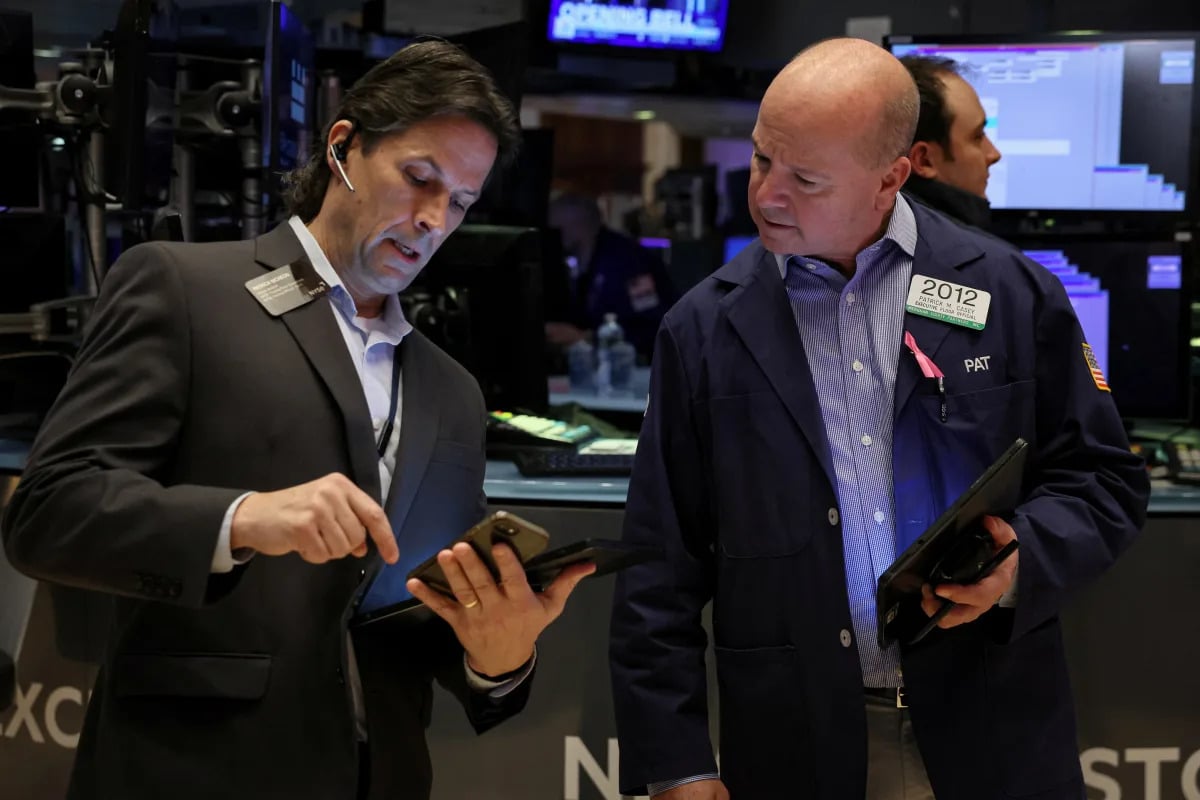
US stocks remained mostly unchanged on Thursday after a tech-driven rally, with Nvidia continuing to rise while other major tech stocks like Apple and Meta saw slight declines. Investors are closely watching labor data and the upcoming jobs report, which could influence Federal Reserve interest rate decisions. Treasury yields edged up, and the European Central Bank cut interest rates for the first time since 2019.
Economists suggest that the US economy is moving closer to a "soft landing" as labor data shows a decline in job openings, indicating a decrease in employer demand for workers. A soft landing would mean that the Federal Reserve has successfully controlled inflation without causing a recession. The Fed has been raising interest rates to cool the economy and labor market, aiming for a balanced state that is neither too hot nor too cold. Despite the weakening labor market, other indicators such as quits, hires, and layoffs remain steady, suggesting employers' desire to retain workers. While the labor market is still favorable, workers have lost some leverage compared to previous years.
The US job market is gradually cooling but remains advantageous for workers, with job openings falling to 9.9 million in February, the lowest level since May 2021, according to the Bureau of Labor Statistics. However, the number of open jobs is still significantly above its pre-pandemic level. Despite the historical strength of the job market, workers looking for a new job may be wise to proceed with a bit more caution, labor experts said.