A study by Jamie Edwards from the University of East London reveals that isometric exercises, such as planks and wall sits, can lower blood pressure as effectively as medication. These exercises involve static muscle contractions and offer additional benefits like improved heart health, enhanced joint stability, and muscle balance. Isometric exercises are accessible, requiring minimal time and equipment, making them suitable for various fitness levels and rehabilitation programs.

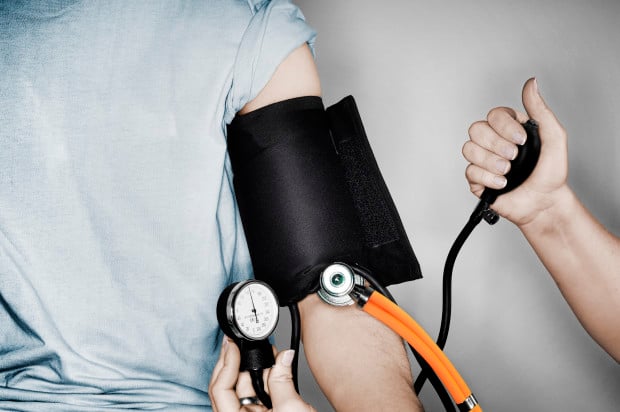
A study by Jamie Edwards from the University of East London reveals that isometric exercises, such as planks and wall sits, can lower blood pressure as effectively as medication. These exercises, which involve holding a static position, not only improve cardiovascular health but also enhance joint stability, address muscle imbalances, boost performance, and are time-efficient. The research suggests performing three sessions per week, each consisting of four two-minute bouts, to achieve significant health benefits.
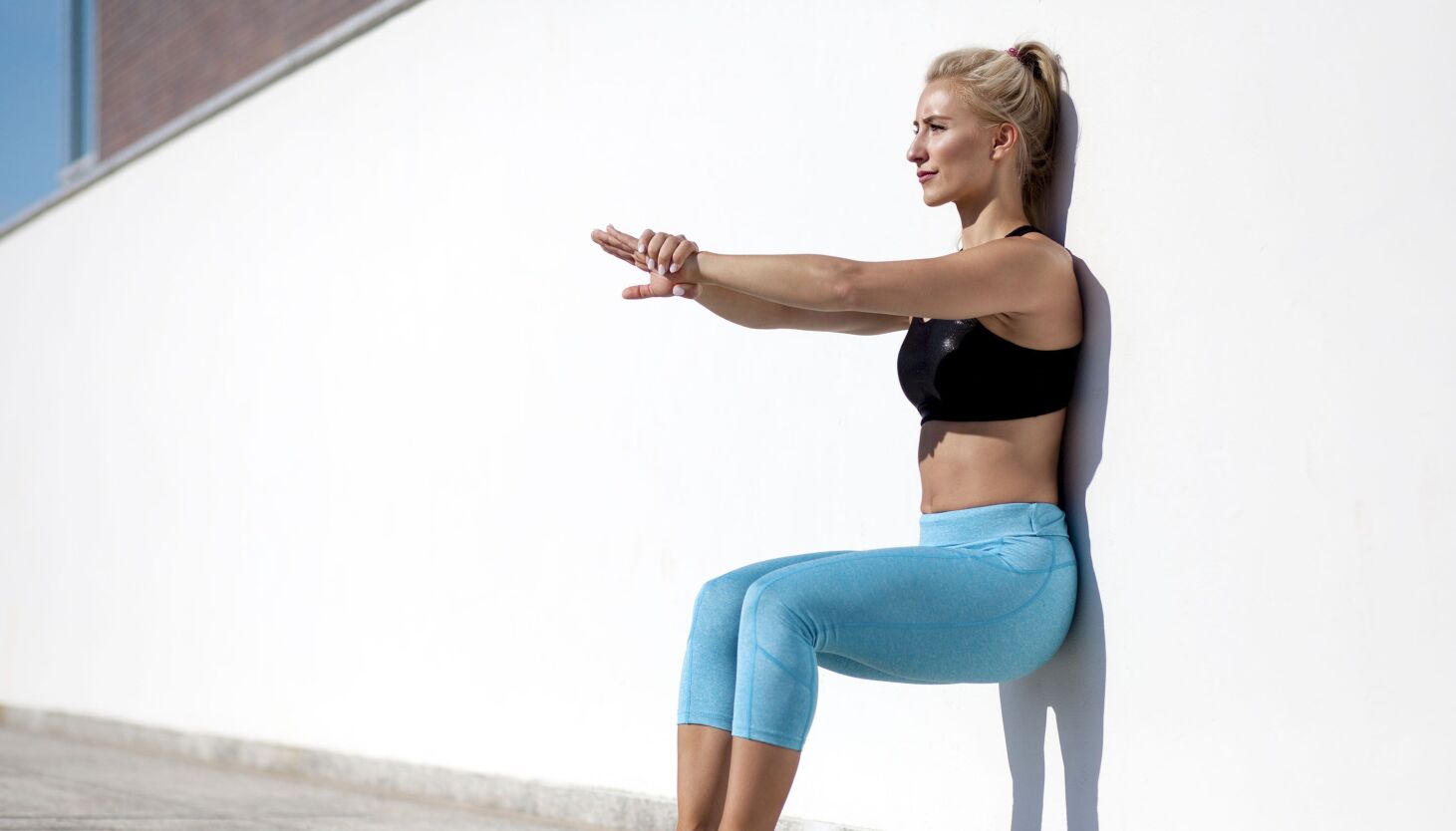
New evidence suggests that isometric exercises like wall sits can effectively lower blood pressure, even more so than high-intensity aerobic workouts. A recent study found that about eight minutes of isometric exercise, three times a week, can lead to a meaningful reduction in blood pressure. Isometric exercises work by temporarily reducing blood flow to muscles, prompting blood vessels to relax and reducing resistance to blood flow. Wall sits engage multiple muscles, help build strength, and are beneficial for improving balance and range of motion.
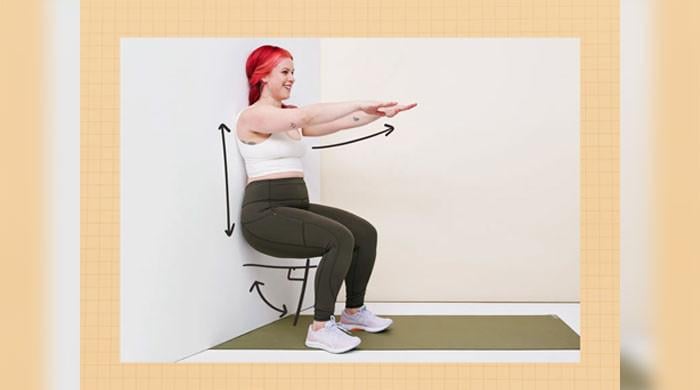
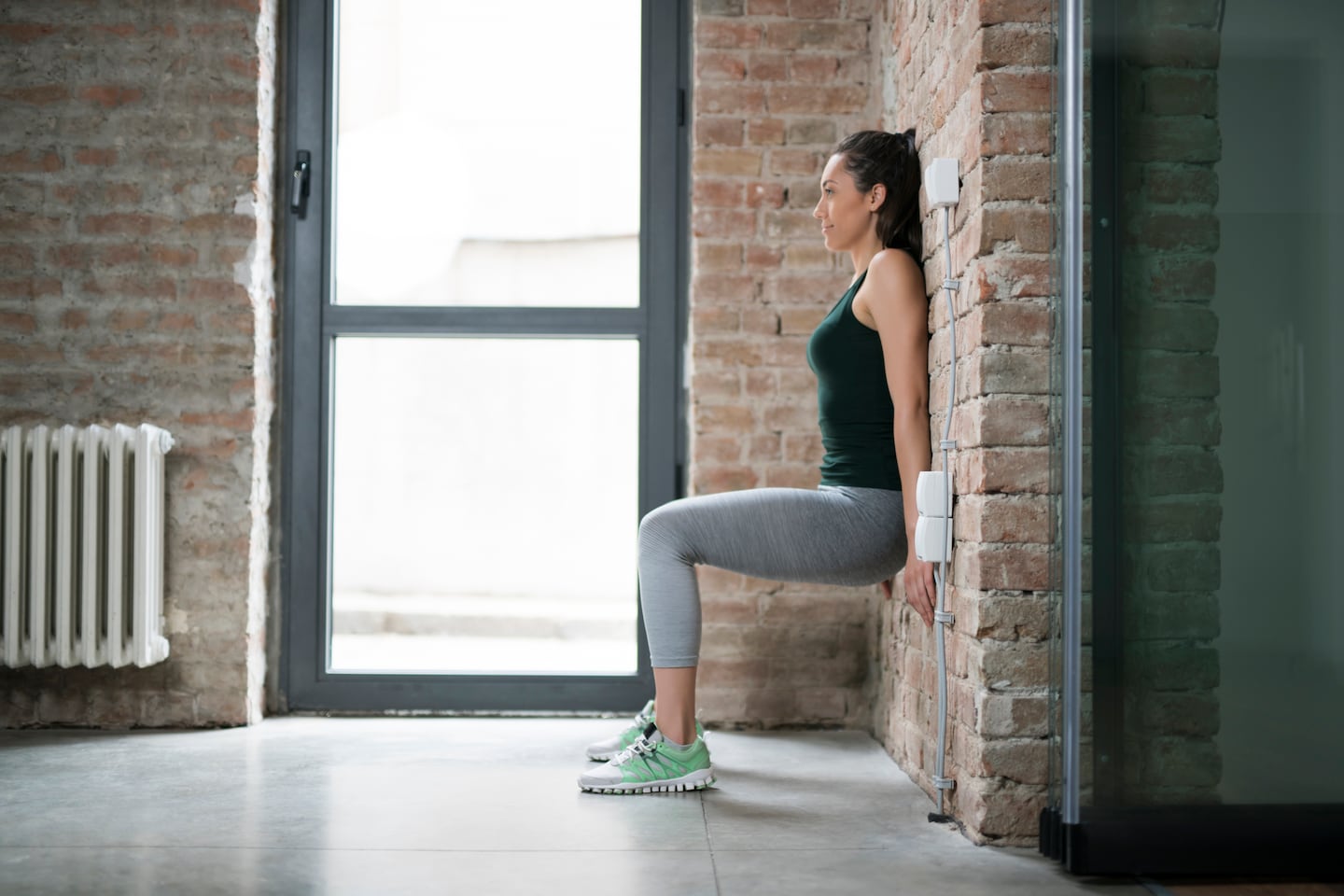
Wall sits, a form of isometric exercise, have been found to effectively reduce blood pressure, with just eight minutes of exercise three times a week resulting in a significant drop. This simple bodyweight exercise can be done anywhere and involves holding a wall squat for two minutes, resting for two minutes, and repeating for a total of four times with breaks in between. Isometric exercises are efficient at lowering blood pressure because they temporarily reduce blood flow to the muscles, prompting blood vessels to relax and effectively reduce blood pressure.
A recent study suggests that isometric exercises, such as wall sits, can effectively lower blood pressure, even more so than aerobic activity or weight training. Just eight minutes of isometric exercise, three times a week, can lead to a meaningful reduction in blood pressure. Isometric exercises work by temporarily reducing blood flow to muscles, prompting blood vessels to relax and ultimately reducing blood pressure. Wall sits engage multiple muscles, help build strength, and are beneficial for improving balance and range of motion.
A 2023 review of 270 studies found that isometric exercise, such as wall squats and hand grip squeezes, can significantly lower blood pressure. Isometric exercise triggers the release of nitric oxide, causing blood vessels to dilate and blood pressure to ease. While isometric exercise should be added to regular physical activity, it is not a substitute for aerobic exercise. Isometric exercises can be particularly beneficial for those with physical limitations or busy lifestyles, and should be performed three times a week with at least a day of rest in between.
Isometric exercise, particularly the wall squat, has been found to be the most effective exercise in lowering blood pressure. A recent review of studies suggests that all types of physical activity, including aerobic exercise and resistance training, are effective in reducing resting blood pressure. However, isometric exercise reduced systolic blood pressure by 8 points and diastolic blood pressure by 4 points. Isometric exercises involve contracting muscles and holding that position for a few minutes without moving. The unique physiological response to static muscle contractions appears to be the reason for its effectiveness. It is recommended to do four wall squats lasting 2 minutes each, three times per week, with rest intervals in between. However, aerobic exercise is still considered the best for overall cardiovascular health.
Isometric exercises like planks and wall squats have been found to be more effective than cardio in reducing blood pressure, according to a recent meta-analysis. Researchers analyzed 270 clinical trials and found that isometric exercises were the most effective in improving both systolic and diastolic blood pressure. However, they emphasize that isometric exercise should be used in conjunction with other forms of movement, not as a replacement. The current exercise guidelines for managing blood pressure may need to be reviewed to include these newer forms of exercise. Nonetheless, any form of exercise is beneficial for overall health.
A new study published in the British Journal of Sports Medicine suggests that isometric exercises, such as wall sits and planks, are the most effective way to lower blood pressure, especially for individuals with hypertension. While traditional cardio and strength training exercises also help reduce blood pressure, isometric exercises that involve contracting muscles without movement have shown the greatest impact. The researchers theorize that isometric exercises may cause blood vessels to compress and then widen, improving blood flow. Adding a quick isometric routine, such as four two-minute wall sits, to a workout regimen may be beneficial for individuals concerned about high blood pressure.