Bridgewater warns that Big Tech's reliance on external capital to fund AI expansion is risky, potentially leading to a bubble due to rising costs, soaring valuations, and increased market concentration, with concerns about sustainability and profitability.
Quantum computing stocks like Rigetti and D-Wave have soared over 1,900% in a year despite limited real-world applications and no significant revenue, fueling speculation about a bubble driven by hopes for revolutionary technology, with concerns about their high valuations and market volatility.
Financial leaders and institutions are warning of asset bubbles and increased risks of a market correction, suggesting that Wall Street may not anticipate the next crash due to widespread exuberance and overvaluation.
Many economists and analysts fear that the current market conditions resemble the 1929 crash, citing signs of a bubble, high valuations, and economic vulnerabilities, raising concerns about a potential severe downturn similar to the Great Depression, despite some optimism and technological advancements.
The article argues that concerns about AI being a bubble are misplaced, comparing it to past tech bubbles that ultimately led to significant societal benefits, and suggests that even if investors face losses, the public is likely to benefit from AI's long-term importance.
Andrew Ross Sorkin compares today's market conditions to the 1929 bubble, highlighting similarities like technological hype, increased access for average investors, and regulatory rollbacks, while expressing concern that current exuberance could lead to a crash similar to the Great Depression, despite regulatory improvements since 1929.
CNBC's Andrew Ross Sorkin warns that the current stock market, driven by AI and speculative bubbles, shows parallels to the 1929 crash, raising concerns about an impending financial meltdown due to overvaluation, deregulation, and risky private investments.
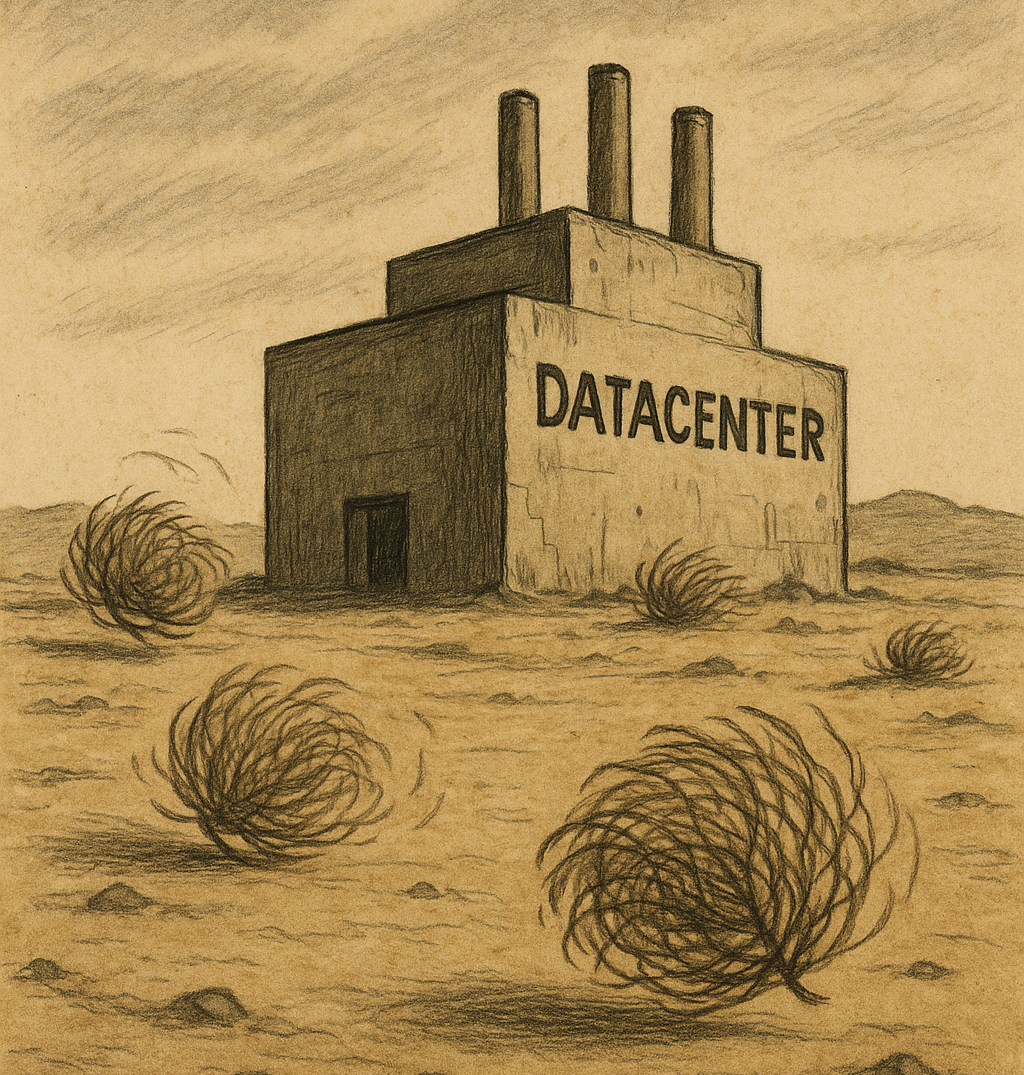
The article explores whether the current surge in datacenter investment driven by AI is a bubble, drawing parallels to historical infrastructure booms like railroads and fiber optics. It discusses potential outcomes, including the possibility of unused infrastructure ('dark datacenters') if AI demand falters, and highlights the potential for these investments to lead to new power generation capacity, especially in renewable energy. The piece emphasizes that while some infrastructure may become obsolete, the investments could still benefit the energy sector, particularly if they spur advancements in power generation technology.
Andrew Ross Sorkin discusses the current speculative environment and compares it to the 1929 stock market crash, highlighting lessons from history and the similarities and differences in market exuberance.
Andrew Ross Sorkin warns that the current market conditions, driven by AI and speculative investments, resemble the 1929 crash, with concerns over deregulation and a potential bubble that could lead to a future financial crash.
The article discusses the current stock market rally, with some comparing it to the 1999-2000 dotcom bubble, highlighting that while a melt-up is possible, history shows such rallies often include significant pullbacks and volatility. Experts warn investors to be cautious, noting that the market's rapid rise may be unsustainable and could experience sharp declines, similar to past bubbles.
Goldman Sachs suggests that while there are some signs of a bubble in tech stocks driven by exuberance around AI, the current rally is primarily supported by fundamental growth and strong company profits, with competition being the main risk that could trigger a correction rather than a bubble burst.
The article discusses the growing network of circular investments among major AI companies like Nvidia, OpenAI, AMD, Oracle, and SoftBank, which is fueling a potential bubble due to insular deals and inflated valuations. Experts warn that if AI productivity gains are limited, a market correction could occur, reminiscent of the 2000 dot-com bubble, though industry leaders remain optimistic about long-term growth.
Citi's latest research suggests investors should stay long on US stocks despite concerns of a bubble, as the market is still in early bubble stages and indicators signal it may not be time to sell yet. The bank recommends monitoring two key indicators—the POLLS indicator and the 'When the Generals Fail' indicator—to determine when to exit the market, with current signals not yet indicating a downturn.
The article discusses how investors can approach investing during a bubble, highlighting options such as going all-in, hedging, diversifying, or doing nothing, while emphasizing the difficulty of predicting market turns and the importance of a well-planned, risk-appropriate strategy.